
Products
-


50 Viola Arkwright Ruby Seeds
Viola Arkwright Ruby Seeds Violas were grown in the United States dating all the way back to colonial times. They are a wonderful performer, and they are so easily established from Viola seeds. Arkwright Ruby Viola flowers are a dark wine color with a golden center and edging. Fill containers, window boxes, and baskets with these glorious little treasures. Red Viola plants grow best in rich, moist, well-drained soil with plenty of organic matter. Use a slow-release fertilizer in the soil if planting Violas in a container. Those grown as bedding plants tend to bloom continuously in regions where the growing season is cool, but they will refrain from blooming as the weather heats up. Flower Specifications Season: Perennial USDA Zones: 6 - 9 Height: 6 - 8 inches Bloom Season: Spring through fall Bloom Color: Ruby red Environment: Full sun to partial shade Soil Type: Well-drained, pH 5.8 - 6.8 Deer Resistant: Yes Planting Directions Temperature: 68F Average Germ Time: 14 - 21 days Light Required: Yes Depth: Seeds must be covered thinly, no more than the thickness of the seed Sowing Rate: 3 - 4 seeds per plant Moisture: Keep seed moist until germination Plant Spacing: 8 inches
$12.99
-


Shipped from Omaha, Nebraska, USA 50 Viola Queen Charlotte Flower Seeds
Brighten your garden with the timeless charm of Viola Queen Charlotte Flower Seeds. Known for their striking violet-blue petals with delicate markings, these flowers bring elegance, fragrance, and color to beds, borders, and containers. Hardy and adaptable, they thrive in cooler seasons and reward gardeners with long-lasting blooms. Whether you’re creating a cottage-style garden, filling hanging baskets, or planting along walkways, Viola Queen Charlotte adds a burst of color and cheerful beauty wherever it grows. 🌱 Why Grow Viola Queen Charlotte Seeds? Gorgeous violet-blue blooms with eye-catching markings Delightful fragrance, perfect for cut flowers or edging Hardy and resilient—thrives in cooler weather Easy to grow in gardens, pots, or window boxes Loved by pollinators like bees and butterflies 🌿 Growing Tips Soil: Prefers well-draining, fertile soil Light: Full sun to partial shade Sowing: Start indoors 8–10 weeks before last frost or direct sow in early spring/fall Depth: Sow seeds 1/8" deep and lightly cover Watering: Keep soil evenly moist, but not soggy Bloom Time: Early spring to fall with deadheading Height: 6–8 inches ❓ Frequently Asked Questions (FAQ) Are Viola Queen Charlotte flowers perennial or annual?They are short-lived perennials in some climates but are commonly grown as cool-season annuals. How long does it take for seeds to germinate?Germination typically takes 10–14 days when kept at 65–70°F. Do they need full sun?They thrive in full sun to partial shade, making them versatile for different garden spots. Can I grow them in containers?A: Yes! They are perfect for containers, window boxes, and hanging baskets. How do I extend their blooming season?Regularly deadhead spent flowers and provide consistent moisture to encourage continuous blooms. Where to Buy Viola Queen Charlotte Seeds for Sale?At Seeds World, we offer fresh, high-quality Viola Queen Charlotte Seeds with fast U.S. shipping. Perfect for gardeners who want a reliable, fragrant, and colorful addition to their landscapes!
$19.99
-


50 Violet Pasque Flower Anemone Seeds (Pulsatilla vulgaris) – Hardy Perennial
Bring early-season beauty to your garden with Anemone Seeds – Pulsatilla vulgaris, also known as Pasque Flower. This hardy perennial produces stunning violet blooms with bright yellow stamens in spring, often among the very first flowers to appear after winter. Each plant is softly cloaked in silvery, fine hairs, giving it a unique texture and visual appeal. The foliage develops after flowering and remains attractive throughout the season. Compact and drought-tolerant once established, Pasque Flower is an excellent choice for rock gardens, borders, and the front of perennial beds. Cold-hardy, long-lived, and easy to grow—this classic European wildflower is perfect for gardeners who want reliable beauty year after year. 🌱 Why Grow Pasque Flower (Anemone) Seeds? ✔ Early spring blooms when gardens need color most✔ Hardy perennial for Zones 4–8✔ Beautiful violet flowers with golden centers✔ Ideal for rock gardens and borders✔ Unique silvery foliage texture✔ Low maintenance once established 🌿 Growing Tips Botanical Name: Pulsatilla vulgaris Common Name: Pasque Flower, Anemone vulgaris Plant Type: Perennial Bloom Color: Violet Bloom Season: Spring to early summer Height: ~12 inches USDA Zones: 4–8 Light: Full sun to partial shade Soil: Well-drained Seed Depth: Do not cover (surface sow) Spacing: 12 inches Moisture: Keep moist until germination Germination Time: 21–30 days at ~68°F ✂️ Tip: Remove spent blooms to extend flowering. Cut plants back to ground level at season’s end. ❓ Frequently Asked Questions Is Pasque Flower easy to grow?Yes. It’s a hardy perennial that thrives in well-drained soil with minimal care. When does Pasque Flower bloom?It blooms in early spring, often before many other perennials awaken. Can I grow it in containers?It can be grown in deep containers with excellent drainage, though it performs best in the ground. Does the foliage die back?The leaves may die back in late summer—this is normal for the plant’s growth cycle. Where to Buy Anemone (Pasque Flower) Seeds for Sale?At Seeds World, we offer fresh, high-quality Anemone (Pulsatilla vulgaris) seeds, carefully packaged for strong germination and shipped fast across the U.S.
$17.99
-


Shipped from Canton, Ohio, USA 50 Washington Hawthorn Tree Seeds – Crataegus phaenopyrum
Bring four-season beauty and wildlife value to your landscape with Washington Hawthorn (Crataegus phaenopyrum), a stunning native U.S. ornamental tree named after Washington, D.C. (not the state). This highly decorative hawthorn delivers year-round interest—reddish-purple spring foliage, glossy green summer leaves, brilliant orange-red fall color, and clusters of bright red berries that persist into winter. In late spring, the tree is covered in showy white flower clusters, attracting bees and butterflies, followed by edible red berries in fall that birds and small mammals love. The thorny branches make Washington Hawthorn an excellent natural hedge, windbreak, or security planting, while its rugged hardwood adds durability and historic usefulness. Adaptable, resilient, and beautiful, this tree thrives in a wide range of soils and light conditions, making it a favorite for wildlife gardens, native plantings, and traditional landscapes. 🌱 Why Grow Washington Hawthorn Seeds? Native U.S. tree with four-season interest White spring flowers & bright red edible berries Attracts pollinators, birds & wildlife Excellent hedge, windbreak & security tree Adaptable to many soil types Hardy and low-maintenance once established 🌿 Growing Tips Botanical Name: Crataegus phaenopyrum Other Names: Crataegus cordata, C. populifolia, C. youngii Plant Type: Deciduous tree Height: Up to 25 feet Spacing: 25 feet Hardiness Zones: 3–8 Light: Full sun to part shade Soil: Average; tolerates clay, sand, dry or moist soil How to Plant: Sow seeds outdoors in fall or cold stratify before spring planting Plant seeds about ¼ inch deep Keep soil lightly moist until germination Medium growth rate once established 🌳 Tip: Best grown in groups for hedgerows or wildlife corridors. ❓Frequently Asked Questions (FAQ) Are the berries edible?Yes, the red berries are edible raw or cooked and have a mild flavor. Does Washington Hawthorn have thorns?Yes, it has sharp thorns, making it ideal for natural security hedges. Is this tree good for wildlife?Absolutely—pollinators visit the flowers, and birds and squirrels feed on the berries. Can it tolerate shade?Yes, it grows in full sun, part shade, and even full shade. How long does it take to grow?It has a medium growth rate and becomes more ornamental as it matures. Where to Buy Washington Hawthorn Seeds for Sale?At Seeds World, we offer fresh Washington Hawthorn seeds carefully packaged for strong germination and dependable results. Enjoy fast U.S. shipping and grow a beautiful, wildlife-friendly native tree with confidence.
$17.99
-


50 Wedding Candles Verbascum Seeds
Enhance your garden with the elegant and stately Wedding Candles Verbascum! Known for its tall, slender flower spikes adorned with pristine white blooms, Verbascum chaixii 'Album' is a beautiful perennial that adds a touch of sophistication and grace to any landscape. Perfect for borders, cottage gardens, and wildflower meadows, this Verbascum variety provides a stunning vertical element and attracts beneficial pollinators. Specifications for Wedding Candles Verbascum - Verbascum chaixii 'Album' Seeds: Season: Sow indoors 6–8 weeks before the last frost; transplant or direct sow after the last frost USDA Zones: 4-8 Height: 3-4 feet Bloom Season: Late spring to midsummer Bloom Color: White with a hint of purple at the center Environment: Full sun to partial shade Soil Type: Well-draining, slightly alkaline to neutral pH Deer Resistant: Yes Latin Name: Verbascum chaixii, 'Album' Temperature: Prefers 65-70°F (18-21°C) for germination Average Germ Time: 2–3 weeks Light Required: Full sun to partial shade Depth: Sow seeds lightly covered with soil Sowing Rate: Thinly scatter seeds; no specific rate needed Moisture: Keep soil consistently moist during germination; drought-tolerant once established Plant Spacing: Space plants 12-18 inches apart for optimal growth Cultivation Instructions: Planting: Sow seeds indoors 6-8 weeks before the last frost or directly in the garden after the danger of frost has passed. Use a well-draining seed-starting mix and cover seeds lightly with soil. Germination: Keep the soil moist and provide a warm environment (65-70°F) for germination, which typically takes 2-3 weeks. Transplanting: Once seedlings are established and all danger of frost has passed, transplant them to their final location in the garden, spacing plants 12-18 inches apart. Light: Wedding Candles Verbascum thrives in full sun to partial shade. Ensure it receives at least 6 hours of direct sunlight per day for optimal growth and blooming. Soil Type: Plant in well-draining soil. Verbascum is adaptable to various soil types but prefers slightly alkaline to neutral pH. Watering: Water regularly during the establishment phase. Once established, Verbascum is drought-tolerant and requires minimal watering. Fertilization: Fertilize lightly in the spring with a balanced, all-purpose fertilizer to encourage healthy growth and abundant blooms. Pruning: Deadhead spent flowers to encourage continuous blooming and prevent self-seeding. Cut back the plant after flowering to maintain shape and vigor. Pest Control: Monitor for common garden pests and treat promptly if necessary.
$14.99
-

50 White Agrostemma Seeds
Embarking on Elegance: The Mesmerizing Allure of White Agrostemma Seeds! White Agrostemma, scientifically known as Agrostemma githago, is a charming and delicate flowering plant that belongs to the Caryophyllaceae family. Its common name, "White Agrostemma," accurately reflects its beautiful white blossoms. An imposing and easy-to-grow border filler in a pure white. Single flowers on long, elegant stems. Provides contrast to other border plants. Season: Annual USDA Zones: 4 - 10 Height: 36 inches Bloom Season: Mid Spring to mid summer Bloom Color: White Environment: Full sun to partial shade Soil Type: Free draining sandy loams Temperature: 55 - 65F Average Germ Time: 1 - 2 weeks Light Required: No Depth: 1/8 inch Moisture: Keep seeds moist until germination Plant Spacing: 9 - 12 inches
$11.99
-


50 White Carnation Seeds
White Carnation Caryophyllus Grenadin Flower Seeds The fragrant, long-lasting flowers of the Carnation are absolutely wonderful for cut or dried flower arrangements. They are a favorite of florists everywhere, and now you can grow your own! Carnations can be grown anywhere from containers to rock gardens, and they attract bees, birds, & butterflies. Their large double blooms are sure to make you smile! Name: White CarnationScientific Name: Dianthus Caryophyllus Grenadin WhiteColor: WhitePlant Seeds: Outdoors After Frost / Indoors Weeks Before Last FrostBloom Time: Late Spring - Mid SummerHardiness Zone: 5 - 10Plant Height: 24"Plant Spacing: 12 - 18"Light Requirements: Sun - Part ShadeSoil & Water Preferences: Average
$16.99
-
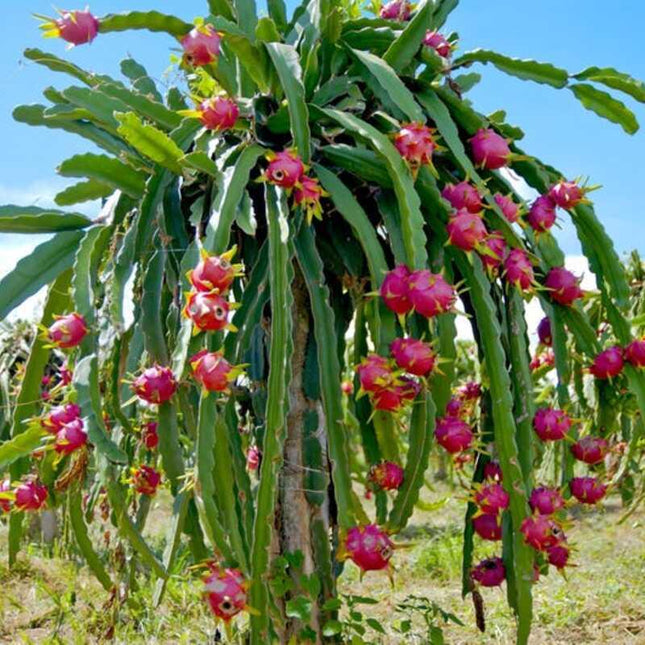

Shipped from Copperas Cove, Texas, USA 50 White Dragon Fruit (Cactus) Seeds – Pitaya Exotic Edible Cactus
Grow your own exotic White Dragon Fruit cactus! This stunning tropical fruit plant produces sweet, white-fleshed fruits with a kiwi-like texture and impressive appearance. Whether you're a cactus enthusiast or an edible garden lover, this Pitaya variety brings beauty and flavor to your space. Why Grow White Dragon Fruit? 🌵 Unique cactus appearance – thick stems and sprawling arms 🍈 Sweet and mild flavor – like a blend of kiwi and pear 🌸 Gorgeous night-blooming flowers – large and fragrant ☀️ Grows well in warm, sunny climates or indoors with enough light 📦 Includes 20 premium seeds – hand-selected and packed in the USA What’s Included? Each pack contains 20 fresh White Dragon Fruit cactus seeds (Hylocereus undatus), suitable for edible landscaping or ornamental cactus gardening. Planting Instructions Best Time to Plant: Spring to early summer Soil: Well-draining cactus mix or sandy soil Light: Full sun or bright indoor light Depth: Sow lightly on surface or just below (do not bury deep) Watering: Mist lightly to keep soil moist, not wet. Germination in 10–30 days. ❓ Frequently Asked Questions (FAQ) Is White Dragon Fruit easy to grow from seed? Yes, with proper warmth and light, germination is relatively easy. A heat mat and grow light can speed up the process indoors. How long until it bears fruit? Typically 1–2 years when grown in ideal conditions or grafted. In containers or cooler zones, flowering may take longer. Can I grow it in pots? Absolutely. Dragon Fruit thrives in large pots with good drainage and support for climbing stems. What pollination does it need? White Dragon Fruit is self-fertile but benefits from hand pollination to increase yield. Where to buy White Dragon Fruit seeds for sale? You can find fresh, high-quality White Dragon Fruit seeds right here at Seeds World. We offer fast shipping and expert-curated selections for your edible garden.
$11.95 $9.99
-


50 White Gomphrena Globosa Seeds
White Gomphrena Globosa Seeds Gomphrena plants need full sun to partial shade. They are not fussy about soil type and will even grow in very poor soils. They can glow in beds, borders, containers, pots, etc. Even though they are very drought-tolerant plants, they do best with regular watering and fertilizer application. Do not use a high nitrogen fertilizer as this will just lead to excessive foliage. Plant Gomphrena seeds either indoors, several weeks before the last frost is expected, or directly outdoors when the temperatures have warmed. If sowing Gomphrena seeds indoors, transplant the seedlings to the sunny garden spot when they are several inches tall. Many gardeners recommend soaking Gomphrena seeds 24 - 48 hours before sowing as the water helps to prime the seed for germination. If growing Gomphrena from flower seeds specifically for cutting, space the plants closer together to force the growth of longer stems. Flower Specifications Season: Annual USDA Zones: 3 - 10 Height: 24 inches Bloom Season: Summer Bloom Color: White Environment: Full sun Soil Type: Moist, well-drained, pH 6.5 - 7.6 Planting Directions Temperature: 68 - 75F Average Germ Time: 7 - 10 days Light Required: Yes Depth: Do not cover the seed but press it into the soil Sowing Rate: 1 - 2 seeds per plant Moisture: Keep seed moist until germination Plant Spacing: 12 - 18 inches
$11.99
-


50 White Perfection Viola Seeds
White Perfection Viola is often used in flower beds, borders, and as ground cover, and they work nicely in hanging baskets and other attractive containers. Growing Violas from seed is a great way to ensure that you'll have plenty of plants for both spring and fall. Sow the flower seeds in early April for spring flowering and again in July for fall blooms. Cover the Viola seeds lightly and keep moist until germination occurs. Thin the Viola seedlings to 8 inches apart. Season: Perennial USDA Zones: 6 - 9 Height: 6 - 8 inches Bloom Season: Spring through fall Bloom Color: White Environment: Full sun to partial shade Soil Type: Well-drained, pH 5.8 - 6.8 Deer Resistant: Yes Planting Directions Temperature: 68F Average Germ Time: 14 - 21 days Light Required: Yes Depth: Seeds must be covered thinly, no more than the thickness of the seed Sowing Rate: 3 - 4 seeds per plant Moisture: Keep seeds moist until germination Plant Spacing: 8 inches
$16.99
-


Shipped from Saint Augustine, Florida, USA 50 White Phlox Drummondii Seeds
Create a timeless, elegant garden with White Phlox Drummondii Seeds, a beloved heirloom flower known for its crisp white blooms arranged in tight, show-stopping clusters. Native to Texas, this graceful annual grows up to 2 feet tall and blooms generously from late winter through spring, depending on climate. White Phlox is a popular choice for wedding bouquets and ceremony arrangements, yet it’s just as stunning when planted in borders, cottage gardens, wildflower beds, and containers. Its soft fragrance, long bloom time, and pollinator-friendly nature make it a must-have for gardeners who love classic beauty with minimal effort. 🌱 Why Grow White Phlox Drummondii Seeds? 🤍 Pure white blooms perfect for wedding & cutting gardens 🌸 Tight flower clusters with long-lasting color 🦋 Attracts bees and beneficial pollinators 🌿 Easy to grow and self-seeds once established 🌞 Thrives in full sun to light shade 🌿 Growing Tips Start Indoors: 4–6 weeks before last frost Soil Temperature: Germinates best around 65°F (18°C) Transplanting: Move outdoors once plants are well-established Light: Full sun to light shade Soil: Well-draining, sandy soil preferred Water: Moderate; avoid waterlogged soil Bloom Time: February–May (varies by climate) Height: Approximately 24 inches 💡Tip: Allow plants to mature fully and they may self-seed for future seasons. ❓Frequently Asked Questions (FAQ) Are White Phlox Drummondii seeds annual or perennial?They are annuals, but they often self-seed when grown in suitable conditions. Can these flowers be grown in containers?Yes! They perform beautifully in pots, window boxes, and planters. Do they need full sun?Full sun is ideal, but they tolerate light shade, especially in warmer climates. Are these seeds non-GMO?Yes, our seeds are non-GMO and open-pollinated. How long until flowering?Blooms typically appear 8–10 weeks after germination. Where to Buy White Phlox Drummondii Seeds for Sale?At Seeds World, we offer fresh White Phlox Drummondii seeds selected for quality and strong germination—shipped fast across the U.S. so you can grow with confidence.
$11.99 $10.99
-


50 White Pink Red Astilbe Seeds
Astilbe (Astilbe Arendsii Showstar) This dwarf variety of Astilbe readily grows from flower seed. The blooms appear on plume-like flower clusters and come in a mixture of four different colors: white, cream, pink, and carmine. The compact, bushy Astilbe plants can be used at the front of borders, at the edges of pools or in containers. Astilbe perennial plants do best in the shade, but will handle partial sun in cooler areas and if kept well watered. This flower will brighten up your shady areas!Astilbe seeds are usually sown indoors in early spring and transplanted outside when the weather is warmer. Use a loose, soft soil mix, and plant the Astilbe flower seeds on the surface, pressing them into the soil. Make sure that the soil drains well and is able to keep the flower seeds moist, but not wet, at all times. For the best results, add in a little fertilizer that has a high concentration of nitrogen. Keep the Astilbe plants inside until the seedlings reach about 2 inches in height. Transplant after last frost. Care & Maintenance: AstilbeUSDA Zones: 4 - 8Height: 12 - 14 inchesBloom Season: SummerBloom Color: MixEnvironment: Partial shadeSoil Type: Moist, well-drained, pH 5.8 - 6.8Deer Resistant: YesTemperature: 65 - 70FAverage Germ Time: 28 - 35 daysLight Required: YesDepth: Do not coverSowing Rate: 10 - 12 seeds per plantMoisture: Keep moist until germinationPlant Spacing: 12 inches
$14.39
-


50 White Swan Salvia Seeds
Salvia (Salvia Horminum White Swan) Salvia White Swan features large blooms of pure white and is delicately veined. This lovely annual is also widely known as Clary. This variety of white Salvia has compact growth and the blooms are well-suited for cutting, and they make excellent dried flowers with everlasting color. Flower SpecificationsSeason: AnnualUSDA Zones: 3 - 10Height: 18 - 28 inchesBloom Season: Summer through fallBloom Color: WhiteEnvironment: Partial shadeSoil Type: Well-drained, pH 5.5 - 6.5Deer Resistant: YesLatin Name: Salvia HorminumPlanting DirectionsTemperature: 68FAverage Germ Time: 10 - 30 daysLight Required: YesDepth: Do not cover the seed but press it into the soilSowing Rate: 3 - 4 seeds per plantMoisture: Keep seeds moist until germinationPlant Spacing: 12 - 18 inches Quantity: 50 White Swan Salvia Seeds
$15.99
-


50 White Turtlehead Seeds
White Turtlehead Chelone Glabra Flower The name turtlehead is due to the flower's resemblance to the head of a turtle. The elegant pure white flowers are held on strong stems. Plants are drought-tolerant, and easy to grow, forming tidy clumps. Chelone is a genus of perennial herbaceous plants native to North America. Name: TurtleheadScientific Name: Chelone GlabraColor: WhitePlant Seeds: Fall / Cold Stratify 2-3 MonthsBloom Time: Aug - SeptHardiness Zone: 3 - 8Plant Height: 36 - 48"Plant Spacing: 18 - 24"Light Requirements: SunSoil and Water Preferences: Wet GerminationAs with many perennial seeds, these seeds require a period of moist cold to help them break dormancy. This is done by giving them a cold 'winter' period (artificial or natural), and then warming to simulate 'spring', and time to grow! Here's how this can be done:Obtain a planting container that has holes in the bottom for excess water to drain. Place the seeds just under the surface of your growing medium, and water. Place your container in a cold area (but not freezing, perhaps a refrigerator) for 4-6 weeks. Once the cold period is completed, place the container at room temperature for them to germinate. Be sure to keep the soil moist during this entire germination period. Seedlings will sprout a few weeks after the warming period.
$14.99
-


50 Wild Blue Iris Flower Seeds
Rocky Mountain Iris, Western Blue Flag, Iris Missouriensis, Heirloom Seeds, Wild Blue Iris Flower Seeds, Non-GMO Wild Blue Iris Seeds do take a little extra care to get started, and we recommend scarification prior to planting in the fall. Easy to grow and adaptable, this little gem was once thought a weed! Known commonly as Rocky Mountain Iris or Missouri Flag, this field iris is a charming, summer-blooming Perennial. Name: Wild Blue IrisBotanical Name: Iris missouriensisLife Cycle: PerennialColor: BlueBloom Season: SummerHeight: 12-24 InchesLight Requirement: Full SunSowing Method: Direct SowHardiness Zones: AllPerennial: Grows 12-24 InchesNorth American Native WildflowerPrefers full sun exposure
$12.99
-


50 Wild Purple Iris Flower Seeds
Wild Purple Iris Flower Seeds These Siberian Iris are the Ruffled Velvet variety (Iris sibirica). Very durable for zones 3-10 these Siberian Iris have long green vegetation with dark purple flower petals that have a slightly ruffled edge. Hardy in the garden and also make a great cut flower with a long vase life. Soil temperature: 72 - 75 degrees FahrenheitGermination lighting: Light requiredPlant spread: 6 inchesPlant height: 30''Plant Type: PerennialMaturation days: 365 days. Iris will grow in zones 3-11 and prefer moist roots. We grow them in our test gardens and water them like all our other flowers, and they profusely flower from late March to May and provide dark green foliage until your first hard frost in the fall. In the fall their leaves will brown were here in zone 7 we cut them back to the ground in late November. Seeds are easy to germinate but your plant will not flower the first year. Once grown they are easy to subdivide and create new plants. You can start indoors in pots, but if indoors they will have to be vernalized no matter the zone. If starting in pots use sterilized potting soil made of 1 part peat to 1 part sand. Or you can use a commercial seed starting soil as long as it is sterilized. Soak the seeds in very warm tap water for eight hours, or nick the outer shell of the seed with a file or paring knife, and then sow about 1/4" deep. Keep your soil moist and water from the bottom. Iris are very slow to germinate and it may take up to 30 days. Even if a seed fails to germinate by spring scatter those in your garden as an Iris seed is good for up to 18 years. Once seedlings are 2" tall add a 1/4 strength liquid fertilizer like Miracle Grow to your water. As they get bigger you can increase the strength of the liquid fertilizer. We do prefer to direct seed them directly in our garden in the fall and in the first year, in the late spring, transplant them where we want them in our garden. In fall we work for our garden beds 6" and scatter these Iris seeds in the area we want them and cover with a light dusting of peat. In early spring you will see thick spear shapes leaves start to emerge from your garden bed. Once they germinate the plants will come back every year without any cold weather. If you are cutting for your vase, cut when the flower is still closed but has full color. This will look like a thick pencil with a colored head.
$11.99
-


50 Winter Honeysuckle Seeds
Fragrant Winter Honeysuckle Shrub Seeds | Lonicera fragrantissima The Fragrant Winter Honeysuckle is a hardy, fast-growing shrub known for its sweet lemon-scented flowers that bloom in late winter to early spring, when little else is flowering. Its creamy white blossoms are followed by ornamental red berries that attract birds, making it a beautiful and wildlife-friendly addition to any garden. Key Features: Zones: 4–9 Height/Spread: Up to 10 feet tall and wide Bloom Time: Late winter to early spring Light: Full sun to part shade Soil: Prefers loamy, well-drained soil but tolerates most types Drought Tolerance: Moderate to high Uses: Ideal for barriers, screens, hedges, or fragrant groupings. Planting Instructions: Scarify: Soak seeds in water for 24 hours. Stratify: Store seeds at 40°F in a moist medium for 30–90 days. Sow: Plant 1/8” deep in well-prepared soil. Low-maintenance and adaptable, Winter Honeysuckle is perfect for adding winter fragrance and year-round interest to your landscape!
$14.99 $14.09
-

50 Wonder of Staffa Aster Seeds
Wonder of Staffa Aster Frikartii Flower Seeds One of the best Asters for superb color and form. An upright perennial with thick stems and long-lasting blooms. Very versatile for almost all garden sites, whether it is a border, rock garden, waterside, or dry area. Rapidly develops into an airy mound as broad as it is tall, as much as 3' by 3' in rich soil. Covered with lavender-blue daisy flowers with a yellow center from July until a hard freeze. Name: Wonder of Staffa AsterScientific Name: Aster X FrikartiiColor: Lavender BluePlant Seeds: Outdoors After Frost / Indoors Weeks Before Last FrostBloom Time: Late Summer - Early FallHardiness Zone: 5 - 8Plant Height: 18 - 24”Plant Spacing: 18 - 24”Light Requirements: Sun - Part ShadeSoil & Water Preferences: Average
$15.63
-


50 Yarrow Seeds (Achillea Millefolium Summer Berries Mix)
Yarrow Summer Berries Seeds Summer Berries is a cheery blend of magnificent colors on super-easy plants that thrive in any sunny spot. Especially poor, dry soils that most perennials hate! For splendid fresh and dried arrangements PLUS long-lasting garden color that bees and butterflies love, grow plenty of Summer Berries. Genus: AchilleaSpecies: millefoliumVariety: Summer BerriesZone: 3 - 10Bloom Start To End: Early Summer - Late FallHabit: UprightPlant height: 24 inPlant Width: 12 in - 18 inBloom Size: 3 in - 5 inAdditional Characteristics: Bloom First Year, Butterfly Lovers, Easy Care Plants, Flower, Free Bloomer, Long Bloomers, Needs Deadheading, Pest FighterBloom Color: MixFoliage Color: Medium Green, GrayLight Requirements: Full SunMoisture Requirements: Moist, well-drainedResistance: Cold Hardy, Disease Resistant, Drought Tolerant, Heat Tolerant, Humidity Tolerant, Pest ResistantSoil Tolerance: Normal, loamyUses: Beds, Border, Containers, Cut Flowers, Outdoor, Wildflowers
$12.47
-


50 Yarrow Seeds - Colorado Mix
Yarrow Seeds - Colorado Mix: A Hardy, Colorful Addition to Your Garden Transform your garden with our Colorado Mix Yarrow Seeds, an easy-to-grow perennial that thrives in harsh conditions and blooms beautifully mid-season. Known for its clusters of tiny flowers on sturdy stems, this yarrow variety is as robust as it is beautiful, offering a vibrant mix of colors perfect for cutting gardens or edging borders. Key Features: Diverse Colors: A lovely mix ideal for vibrant, fragrant bouquets. Tough and Hardy: Excels in heat, drought, and poor soil conditions. Wildlife Friendly: Attracts bees, butterflies, and hummingbirds, enriching your garden's biodiversity. Versatile Use: Perfect for xeriscaping, container gardens, and as a decorative border. Low Maintenance: Requires minimal watering and can withstand cold temperatures. Planting Guide: Optimal Conditions: Full sun and well-draining, dry, sandy soil. Sowing: Direct sow in fall or spring; requires light for germination. Spacing: Plant seeds about 12 to 24 inches apart. Care: Water sparingly and deadhead spent flowers to promote reblooming. With its ability to thrive in challenging environments and its appealing aesthetic, Yarrow Colorado Mix is an excellent choice for gardeners looking to enhance their landscape’s resilience and beauty.
$16.31
-


50 Yellow Bamboo Seeds
Yellow Bamboo Seeds (Phyllostachys aureosulcata) Description:Vibrant yellow and green bamboo ideal for fences or decorative gardens. This cold-hardy species is a rare collector's favorite. Type: Yellow/Gold Bamboo Quantity: 50 Seeds Height: Similar to ‘Yellow Groove’ Bamboo Hardiness: Zones 5–10 Growing Instructions: Rinse seeds, soak in saltwater for 5 minutes, then in clean water for 15 minutes. Plant in a mix of perlite and peat moss, 1 inch deep, and cover lightly with soil. Keep moist and ventilated; seeds germinate in 2–3 weeks. Mist with diluted fertilizer after 4 weeks. Transplant into pots after 1 month. Add a touch of elegance to your garden with this unique bamboo!
$16.99
-


50 Yellow Grenadin Carnation Seeds
Yellow Grenadin Carnation Seeds – Fragrant & Versatile Grow your own Carnations, known for their long-lasting, fragrant blooms that are perfect for cut or dried flower arrangements. These stunning yellow double flowers are easy to grow in containers, rock gardens, or flower beds and attract bees, birds, and butterflies. Details: Scientific Name: Dianthus caryophyllus Grenadin Yellow Color: Yellow Bloom Time: Late Spring to Mid-Summer Hardiness Zone: 5–10 Height: 24" Spacing: 12–18" Light: Sun to Part Shade Soil & Water: Average Bring vibrant beauty and elegance to your garden with Yellow Grenadin Carnations!
$14.99
-

50 Yellow Pansy Seeds
Yellow Pansy Seeds, Yellow Viola Seeds, Pansies, Non-Gmo Heirloom Clear crystals yellow pansies are slightly different from the swiss giant pansies, in that clear crystals pansies have no black blotch in the middle. Also known as violas, pansies are known as cool-weather flowers. Clear crystals yellow pansies add a dramatic flair to your gardens, try a mass planting of these violas, or use them in containers or pots. The flower blooms are approximately 2” across and are very long-lasting. Though they look delicate, they are very tolerant of cold. In my gardens, I’ve seen them covered in snow and emerge damage-free! The clear crystals yellow pansy is truly a cool weather lover. When the weather warms too much they will start to wilt. In the deep south, viola seeds or pansy seeds can be planted in the late fall, where they will bloom all winter. In the northern USA, they make a great very early spring planting. They take only 11 weeks from seed to bloom. Start your yellow pansy seeds indoors and get a jump on the season! Although they are biennials, yellow pansies do bloom the first year and will reseed themselves in warmer climates.Comes with complete planting & growing instructions!Height - 6" - 8"Spread - 8" - 10"Zones 5 - 9
$11.99
-

50 Yellow Pink Petunia Seeds
Yellow Pink Petunia Seeds Flower Perennial Flowers Annual Petunias are so reliable and have such a wide variety of uses that it’s no wonder it’s one of the most popular garden flowers today. It’s simple to buy a couple of petunia seedlings to fill one planter, but for mass plantings and garden edging, growing petunias from seed is the way to go. You’ll save money because of the sheer number of plants you need, plus you’ll have a much wider range of flowers to choose from. Garden centers only carry a few varieties already sprouted and growing, but you can find petunia flower seeds for different-sized plants, in almost every color of the rainbow. Genus: Petunia Plant Type: Flower Light: Full Sun Bloom Start to End: Early Summer - Late Summer Habit: Compact Plant height: 8 in - 10 in Bloom Size: 3.5 in Growing Petunias From Seeds The most important point to remember when learning how to start petunias from seeds is that these are summer, heat-loving plants. It does them no good to plant them early in the garden, as they’ll just sit and sulk or rot. In order to get these seedlings to planting size at the right time, you need to start them indoors at least 10 weeks before planting time. In the north, this is around the first week of March and will be even earlier in more southern states. Although petunias are tough and resilient in the garden, they can be very delicate in the first weeks of life. Start out with a dedicated seed-starting soil mix and new or sterilized planting trays. Of course, you can also start them in eggshells for easier transplanting later. Sprinkle the tiny seeds on top of the mix and gently moisten them with a spray bottle. Cover the tray with plastic wrap to retain moisture and place it in a bright place out of direct sunlight that averages around 75 F. (24 C.). Remove the plastic wrap once the seeds sprout and place the trays under lights in a cooler spot, around 65 F. (18 C.) during the day. Keep the lights about 6 inches (15 cm.) above the tops of the plants. Use water-soluble fertilizer once every two weeks, and water the plants when the soil dries out. Transplant the seedlings into individual pots once they develop two or three true leaves. Lift out individual plants with a wooden stick or butter knife, and transplant them into potting soil. Keep the soil moist but well-drained, and return them to under the lights until it’s time to plant them outside. Additional Tips for Growing Petunias from Seed When starting petunia seed plants, remember that the seeds are very tiny. It’s easy to over-plant the trays, ending up with dozens of seedlings you don’t need. Sprinkle them gently on top of the soil, using only a small pinch of seeds. Petunia seed propagation only happens when they get the right amount of light. Don’t bother to buy special plant-growing light. Regular fluorescent lights work just as well. Place the plants on a shelf and hang the light directly above them. Move the lights upward as the plants grow, always keeping the lights 6 inches above the leaves.
$14.99


You have seen 1536 out of 1941 products