Tree Seeds

229 products

  • 5 Fragrant Wintersweet Seeds - Seed World 5 Fragrant Wintersweet Seeds - Seed World

    Shipped from Elko, Nevada, USA 5 Fragrant Wintersweet Seeds

    Chimonanthus Praecox / Fragrant Wintersweet Break the dreariness of winter with the fragrant flowers that don the wintersweet. Native to the woodlands in China, this slow-growing shrub with an upright but broad shape can begin to look a bit leggy and unkempt with old age. Chimonanthus praecox is a deciduous shrub, native to China that grows to 10 to 15 feet tall and to 8 to 10 feet wide. It has long been valued in the South for its very fragrant flowers which appear in mid-winter. The flowers appear along the bare wintertime branches and are yellowish-cupped stars with a reddish-purple eye about 3/4 - 1 inch wide. The flowering branches provide a delightful fragrance on warmer afternoons or when cut and brought indoors. In fall, the leaves turn a soft lemon color.Chimonanthus praecox adds a lot of fragrance and a little color to the winter garden. What else but yellow flowers to brighten a cloudy day in January? If you want more plants in bloom during the dead of winter, this large shrub is a must. Plant against a dark backdrop such as evergreen to bring out the yellow flowers.Other Names: Japanese Allspice, WintersweetZone: 7 to 9 (possibly 6)Growth Rate: SlowPlant Type: Deciduous Flowering ShrubFamily: CalycanthaceaeNative Range: ChinaHeight: 10 to 15 feetSpread: 8 to 12 feetShape: Upright spreading to irregular branching.Bloom Time: Mid Winter (January)Bloom Color: YellowFlower/Fruit: Flowers to 1" across with spicy fragrance followed by 1 1/2” elliptic seed pods.Sun: Full Sun to Part ShadeFall Color: YellowDrought Tolerance: Moderate to HighWater: MediumMaintenance: LowSite Requirements /Soil Tolerances: Easily grown in average, medium, well-drained soil in full sun to part shade. Grows somewhat taller in shade than in sun. Tolerant of a wide range of soils, but prefers rich loams.Culture: Can be severely pruned after flowering to rejuvenate.Uses: Specimen near the front door, patio, or other living areas where the fragrant flower aroma may be enjoyed. Shrub borders. Foundations. Native plant areas.

  • Tree of Heaven Seeds – Ailanthus altissima | 30 Premium Seeds - Seed World Tree of Heaven Seeds – Ailanthus altissima | 30 Premium Seeds - Seed World

    Tree of Heaven Seeds – Ailanthus altissima | 30 Premium Seeds

    1 review

    Tree of Heaven Seeds – Ailanthus altissima (30 Count) Ailanthus altissima, commonly called Tree of Heaven, is prized for its rapid growth and generous shade canopy. These seeds are ideal for growers who need a resilient ornamental tree that thrives even in urban soils. Important: Always confirm local regulations before planting, as this species can be invasive in some regions. Key Features 🌳 Rapid canopy establishment – reaches 12–25 m when mature πŸ™οΈ Urban-tolerant – withstands compacted, polluted, or poor soils β˜€οΈ Adapts to full sun or partial shade ❄️ Hardy in USDA Zones 4–8 once established πŸ“¦ 30 carefully cleaned, viability-tested seeds per pack Planting & Germination Guide Pre-Treatment: 60 days cold, moist stratification Sowing Depth: 1 cm (Β½ in); keep medium evenly moist Germination Window: 21–45 days at 20 Β°C / 68 Β°F after stratification Soil: Well-drained loam, pH 6.0–7.5; tolerant of clay & rubble Transplant: Move seedlings once 10 cm tall; final spacing β‰ˆ 3 m FAQ Is Tree of Heaven invasive? In many regions Ailanthus altissima is listed as invasive because it spreads by root suckers and wind-borne seeds. Verify your municipal or state guidelines before planting, and remove volunteer seedlings promptly. Do I really need to cold-stratify the seeds? Yes. A two-month cold, moist stratification dramatically improves germination. Place seeds in damp sand or vermiculite inside a sealed bag at 2–5 Β°C / 35–40 Β°F. How fast will it grow? With adequate light and moisture, seedlings can reach 1 m (3 ft) in the first year and provide useful shade within 5–7 years. Where to buy Tree of Heaven seeds for sale? At Seeds World we ship fresh, germination-tested Tree of Heaven seeds across the U.S. in protective packaging. Orders leave our warehouse within 48 hours, and mix-&-match quantity discounts apply.

  • 5 King Sago Palm Tree Seeds - Seed World 5 King Sago Palm Tree Seeds - Seed World

    5 King Sago Palm Tree Seeds

    King Sago Palm Tree Seeds Cycas revoluta Exotic Tropical Cycad Living Fossil Grow a living fossil! Growing Sago Palms from seed is very easy. This plant has become one of the most popular plants for the landscape. They are actually a cycad.Β  They are one of the oldest species of plants that still exist. Appearing on earth during the Paleozoic Era from 350 to 250 million years ago, they were growing long before the flowering plants appeared. Would you believe that they were the dominant plant in the Mesozoic Era and lived right alongside dinosaurs?Β  Because of this, they are called β€œliving fossils.” This era is actually called the β€œAge of Cycads.” These plants have changed very little since that time. Sago Palms have strong, sturdy trunks that grow to about one to two feet in diameter. Dark olive-green leaves grow to 3-4 feet.Β  Younger plants begin with a rosette of leaves coming from a stem near the ground.Β  Today the oldest types of plants are becoming increasingly endangered in the wild. The sago is easy to care for. It is hardy to 15 degrees and can withstand a short freeze. This plant can live a very long time and is one of the longest-living plants in the natural habitat. A typical life span can range between hundreds to thousands of years! Β SO grow a living fossil today! Sowing instructions: Soak in warm water for 24 - 48 hours to soften the fruit on the outside of the seed.Β  Β  They may float if the seed embryo inside has shrunk- this is normal in nature Place seed in a deep container with at least 6 inches of good soil Keep soil moist but not soggy Press the seed halfway into the soil so that the pointy tip is facing up.Β  Some growers have better results by laying the seed on its side. This allows for the tip to produce a healthy tap root to go down into the soil, while the first set of leaves will shoot up. Once the Sago Palm seed is been planted, water well and place the growing container in a warm, shaded area that will get partial sun. Do not place in the direct scorching sun. This will cause the seedlings to dry out too quickly. and possibly burn before they develop a good root system. Allow the soil to almost dry out before watering. When the seedlings begin to put on the set ofΒ  β€˜true leaves they can be transplanted into larger pots or planted directly to the landscape site. BE PATIENT - they will take several months to germinate and often longer in its natural environment Quantity:Β 5 Seeds

  • 20 Jujube Fruit Tree Seeds - Seed World 20 Jujube Fruit Tree Seeds - Seed World

    20 Jujube Fruit Tree Seeds

    Jujube Fruit Tree Seeds - Ziziphus Jujuba Plant Jujube Fruit Tree seeds to cultivate your own source of the delightful Jujube fruit. Known for its sweet, date-like flavor, the Jujube tree is a robust addition to any garden, offering both ornamental beauty and tasty fruits. These trees are particularly suited for those seeking a low-maintenance, drought-resistant fruit tree. Jujube Tree Specifications: Season: Perennial USDA Zones: 5-9 Height: Up to 15-30 feet Bloom Season: Spring Bloom Color: Inconspicuous; greenish-yellow Environment: Full sun Deer Resistant: Yes Latin Name: Ziziphus jujuba Temperature: Tolerates a wide range, prefers warmer climates Average Germ Time: 3-4 weeks Light Required: Full sun Depth: 1/4 inch Sowing Rate: One seed per spot Moisture: Moderate until established, drought-tolerant thereafter Planting Instructions: Sun Exposure: Requires full sun for best fruit production. Soil Requirements: Prefers well-drained soils but is adaptable to less than ideal conditions. Watering Regimen: Moderate watering needed until established; very low water needs thereafter. Spacing: Plant seeds or saplings 10-15 feet apart to ensure room for growth. Jujube trees are perfect for adding a durable, fruit-bearing tree to your garden that not only provides shade but also produces a unique and delicious fruit.

  • Southern Black Highbush Blueberry Tree Seeds Southern Black Highbush Blueberry Tree Seeds

    Southern Black Highbush Blueberry Tree Seeds

    Grow your own delicious, antioxidant-rich blueberries with Southern Black Highbush Blueberry Tree Seeds (Vaccinium corymbosum). This classic highbush blueberry variety is prized for its sweet, dark berries, vigorous upright growth, and adaptability to a wide range of climates, especially in southern and transitional regions. Highbush blueberries are long-lived perennial shrubs that provide spring blossoms, summer fruit, and beautiful fall foliage, making them both productive and ornamental. When mature, plants can reach 6–12 feet tall, producing generous harvests year after year with proper care. These seeds are ideal for gardeners who enjoy growing fruit trees from seed and selecting strong, resilient plants suited to their local conditions. 🌱 Why Grow Southern Black Highbush Blueberry Seeds? 🫐 Sweet, dark blueberries rich in antioxidants 🌞 Performs well in southern & moderate climates 🌸 Attractive spring flowers & fall color 🌿 Long-lived perennial fruit shrub πŸͺ΄ Suitable for garden beds or large containers 🐝 Pollinator-friendly blooms 🌿 Growing Tips Follow these steps in order for best germination results: Scarification: Soak seeds in clean water for 24 hours. Stratification: Cold stratify seeds for 60 days (refrigerator method). Sowing:Β -Β  Surface sow or lightly cover seeds with fine soil-Β  Keep soil consistently moist, not soggy Light: Full sun to partial sun Soil: Acidic, well-draining soil (pH 4.5–5.5) Germination: 4–8 weeks after stratification Spacing: 3–5 feet between plants ⏳Note: Seed-grown blueberries typically fruit in 2–3 years. ❓ Frequently Asked Questions (FAQ) Are these true highbush blueberry seeds?Yes, these seeds are from Vaccinium corymbosum, the classic highbush blueberry species. Do the seeds require cold stratification?Yes, a 60-day cold stratification period is required for germination. How tall will the plants grow?Mature plants typically reach 6–12 feet. Can blueberries be grown in containers?Yes, with large containers and acidic soil, container growing works well. Will one plant produce fruit on its own?Some plants are partially self-fertile, but multiple plants increase yields. Where to Buy Southern Black Highbush Blueberry Seeds for Sale?At Seed World, we offer fresh Southern Black Highbush Blueberry seeds with fast U.S. shippingβ€”perfect for gardeners ready to grow their own fruit trees from seed.

    $15.95 - $21.00

  • 5 Yellow Willow Seeds - Seed World

    Shipped from Ravensdale, Washington, USA 5 Yellow Willow Seeds

    Yellow Willow Seeds | Salix babylonica | Perennial Tree Grow the iconic Weeping Willow, known for its elegant, pendulous branches and rounded form. Native to China, this fast-growing deciduous tree adds charm to any landscape. Key Features: Height: 50 feet | Spread: 20–40 feet Zones: 6–8 (some sources say 4–9) Growth Rate: 8–10 feet per year Light: Full sun Germination Instructions: No dormancy period required. Sow seeds immediately in a moist medium like sand or a peat moss mix. Germination occurs within 12–24 hours on moist soil. Care Tips: Keep seedlings in light shade, maintaining moist soil. Transplant to a 1-gallon container when seedlings reach 6 inches. Gradually increase sunlight exposure and plant outdoors in early spring. Create a serene landscape with the graceful beauty of Yellow Weeping Willow!

  • 5 Bright Green Willow Seeds - Seed World 5 Bright Green Willow Seeds - Seed World

    Shipped from Ravensdale, Washington, USA 5 Bright Green Willow Seeds

    1 review

    5 Bright Green Willow Seeds Tree Weeping Flower Giant Full Landscape Seed Native to China, the weeping willow tree (Salix babylonica) is easily identified by its weeping, pendulous branches that sweep the ground and its rounded form. A deciduous tree, the weeping willow grows to 50 feet in height with a 20- to 40-foot spread and does best within U.S. Department of Agriculture plant hardiness zones 6 through 8, although some nurseries claim a broader range – 4 through 9.Β  Germination Β The seeds of many trees have a dormancy period that must be broken before they will germinate. Weeping willow tree seeds have no dormancy period and do not require any special pre germination treatment. In fact, in nature, weeping willow seeds germinate within 12 to 24 hours if they fall to moist soil. To germinate in the home or greenhouse, sow the seed immediately after collection into a moist media, such as sand or a mixture of peat moss and sand. Keep the medium slightly moist during germination.Seed Care Β When the weeping willow tree seeds sprout, keep the seedlings in a lightly shaded area and continue to keep the germination medium slightly moist. When the seedling reaches 6 inches in height, transplant it into a 1-gallon container filled with commercial potting soil and increase the amount of sunlight it receives, gradually, until it is in full sun. The ideal time to plant it outside is in early spring after the danger of frost has passed. Weeping willow trees grow quickly – 8 to 10 feet per year – once they are planted in the landscape.How to Care for Dogwood Trees Β Most dogwoods require supplemental water during summer and fall, especially during hot, dry spells. For care of flowering dogwood trees, regular watering once a week to a depth of 6 inches should suffice. However, adding a generous layer of mulch will help retain moisture, minimizing watering chores. Most established trees do not require fertilizer. However, if you do choose to fertilize young dogwoods, use only a small amount of slow-release fertilizer. Dogwood trees seldom need pruning; however, it may be necessary to remove dead or injured branches, suckers, and diseased or insect-infested parts on occasion. Shaping trees may also help keep them more attractive looking. Flowering dogwood trees are considered β€œbleeders,” which means they bleed sap if pruned during late winter. Summer is an ideal time to take care of any pruning tasks that may be needed since these plants do not bleed sap during this time. Once established in the landscape, caring for dogwood trees is relatively easy. As long as they have been planted in the proper conditions and location, the overall care of flowering dogwoods is minimal.

  • 5 Royal Poinciana Tree (Delonix Regia) Seeds - Seed World 5 Royal Poinciana Tree (Delonix Regia) Seeds - Seed World

    Shipped from Allentown, Pennsylvania, USA 5 Royal Poinciana Tree (Delonix Regia) Seeds

    Royal Poinciana Tree (Delonix regia) Seeds Delonix regia, commonly called flamboyant or royal poinciana, is a tropical tree that is native to Madagascar but has been widely planted around the world in tropical and semi-tropical areas. It typically grows to 30-40' tall with a broad-spreading, flat-topped, umbrella-like crown. Crowns of mature trees often spread to 60-70' wide. This tree is noted for featuring a superb ornamental display of showy scarlet flowers and compound mimosa-like leaves. In the U. S., it can be grown outdoors in the far southern areas of Florida, Texas, Arizona, and California plus Hawaii.This tree is deciduous in climates that have a dry season or mildly cool winter but otherwise are evergreen. Lacy, feathery, mimosa-like, bipinnately compound leaves to 8-15" long, each having 10-20 pairs of pinnae with further division into 25-35 pairs of smaller pinnules. Flowers (3-4") are a brilliant scarlet orange. Each flower has four spreading petals and a larger fifth petal (the banner) which has streaks of yellow and white.In the continental U. S., flowering typically occurs from late spring into summer. Flowers give way to flattened bean-like fruit pods (each 24" long). Where winter hardy, flamboyant is an outstanding flowering tree for gardens, parks, along streets, and for large front yards. Mature trees provide excellent shade. Winter hardy to USDA Zones 10-12 where it is easily grown in medium moisture, well-drained soils in full sun. Best with consistent moisture except during the dry/dormant season when watering should be reduced. Plants dislike temperatures that dip below 50 degrees F so bring them indoors before the temperatures start to drop. Flame Trees also make for some of the Most Stunning Bonsai specimens as well. Name: Royal Poinciana TreeScientific Name: Delonix regiaHardiness zone: 10 through 12Plant height: 30-40 feetLight requirements: full sunSoil & water preferences grow well in well-drained soils.Growing Instructions:1. Scarification: Soak in cold water for 24hrs2. stratification: No Required3. germination: pick out seeds that imbibe, sow imbibed seeds 1/4" deep, tamp the soil & mulch the seeds bed. Note* seeds that did not imbibe, re-scarify them again until imbibe.

  • Tall evergreen tree with a blue-green hue in a garden setting Weeping willow tree with long, hanging branches in a forest setting

    30 Kashmir Cypress Seeds – Cupressus cashmeriana

    Bring rare Himalayan beauty to your landscape with Kashmir Cypress (Cupressus cashmeriana) Seeds, a highly sought-after conifer known for its long, graceful weeping branches and stunning bluish-silver foliage. This sacred tree of Bhutan and the Himalayas creates a dramatic vertical accent, perfect for gardens, bonsai culture, and ornamental plantings. Hardy, fast-growing, and naturally elegantβ€”this tree is a showpiece from seedling to maturity. TheΒ Kashmir Cypress, also known as the Himalayan Cypress or Weeping Cypress, is admired worldwide for its ethereal, cascading form and soft, feathery needles. Native to the cool, high-altitude forests of the eastern Himalayas, this rare conifer thrives in well-drained soil and full sun, growing into a tall, statuesque evergreen reaching 50–80 ft in ideal conditions. Gardeners love it for: Its unique pendulous foliage (rare in conifers) Beautiful silvery-blue needles Fast, upright growth habit Excellent use as a specimen tree, screen, or bonsai subject These seeds are fresh, high quality, and ready for propagationβ€”perfect for collectors, landscapers, and anyone seeking a stunning ornamental tree. 🌱 Why Grow Kashmir Cypress (Cupressus cashmeriana) Seeds? Growing this rare cypress from seed allows you to enjoy: A striking, graceful ornamental tree Silvery-blue foliage that turns heads year-round Fast growth and strong adaptability A premium tree species rarely found in nurseries Ideal for meditation gardens, zen landscapes & large yards Excellent bonsai potential This is a tree that instantly elevates any landscape with its soft, cascading beauty. 🌿 Growing Tips Germination: Cold stratify for 30–45 days for best results. Soil: Well-drained, sandy or loamy soil. Avoid heavy clay. Light: Full sun to partial shade. Watering: Keep moist but never soggy during early growth. Temperature: Prefers cool to mild climates; protect young seedlings from extreme heat. Transplanting: Move outdoors after frost danger has passed. ❓ Frequently Asked Questions (FAQ) Is the Kashmir Cypress easy to grow from seed?Yesβ€”when stratified properly. They germinate reliably with cool, moist pre-treatment and well-drained soil. Can it be grown as a bonsai?Absolutely. Its weeping growth habit and fine foliage make it an exceptional bonsai specimen. What climate does it grow best in?Zones 7–10 are ideal. Young plants may need winter protection in colder zones. How fast does it grow?Kashmir Cypress grows moderately fast, especially in full sun with regular watering during establishment. Does the foliage stay blue year-round?Yesβ€”the tree maintains its soft silver-blue color throughout all seasons. Where to Buy Kashmir Cypress Seeds?At Seeds World, you’ll find fresh, high-quality Kashmir Cypress seeds with fast U.S. shipping and carefully protected packaging. Grow one of the world’s most visually stunning conifers right at home!

  • 5 Weeping Higan Cherry Seeds - Seed World 5 Weeping Higan Cherry Seeds - Seed World

    Shipped from Elko, Nevada, USA 5 Weeping Higan Cherry Seeds

    Weeping Higan Cherry, Prunus Subhirtella Pendula, Tree Seeds (Fast, Showy) Fast Growth, Showy Flowers, Graceful Weeping Habit, Ornamental Fruits, Fall Colors, Winter Interest, Bonsai, Attracts Birds, Wildlife Food, Cold TolerantPrunus subhirtella Pendula or Weeping Higan Cherry is an ornamental medium size deciduous flowering tree that is native to Japan introduced into the US in about 1862. It typically grows 20 to 30 feet tall with a pronounced weeping form of slender whip-like branches and light pink to rose-pink flowers. The 3/4 to1 inch flowers are borne in clusters of 2 to 5 flowered umbels in late winter to early spring before the leaves emerge. Flowers are followed by 1/3 inch rounded pea-sized fruits that are sometimes sparse. The fruits eventually mature to black but are basically inedible. Fruits may not appear in some years. The bark is bronzy-copper in color and lenticel, becoming gray in color and platy to exfoliating with age. Leaves are Elliptic to ovate, doubly serrate to 4 inches long, and stay glossy green throughout the summer and into the fall when they turn a red or vivid yellow before leaving the tree bare in winter. The drooping bare branches even lend a soothing grace to the landscape in winter. There is nothing quite like the Weeping Higan Cherry in full bloom in the spring.Other Names: Weeping Higan Cherry, Prunus subhirtella Pendula, Weeping Japanese CherryZone: 5 to 8Growth Rate: FastPlant Type: Medium-size deciduous flowering treeFamily: RosaceaeNative Range: JapanHeight: 20 to 30 feetSpread: 20 to 30 feetShape: Weeping habitBloom Time: AprilBloom Color: Light pink to rose pinkFlower/Fruit: Light-pink pendulous clusters of flowers. Fruits are small and glossy black.Sun: Full Sun to Part ShadeFall Color: Red or Vivid YellowDrought Tolerance: ModerateWater: MediumMaintenance: MediumSite Requirements/ Soil Tolerances Prefers moist, well-drained soils of average fertility in full sun, but is adaptable to poor soils, compacted soils, dry soils, and heat.Culture: If desired, stems that weep to the ground can be pruned up to the desired height (either staggered in height for informality, or clipped to precisely the same height for formality) so that mowing, growth of other ornamentals, or maintenance access can be achieved underneath the treeUses Weeping specimens for the landscape. Bonsai.Sowing Prunus subhirtella Pendula Seeds:Weeping Higan Cherry seeds possess a thick, impermeable seed coat that prevents or significantly retards germination.For best results, please follow the instructions in the order provided.Scarify: Soak in water for 24 hoursStratify Cold 90 days, 40 Degrees F in a Moist Medium.Germination: Sow 1/4” Deep

  • Persimmon Tree Diospyros Fruit Seeds - Seed World Persimmon Tree Diospyros Fruit Seeds - Seed World

    Persimmon Tree Diospyros Fruit Seeds

    The scientific name for the Persimmon Tree means "fruit of the gods" in Greek. The 4" fruit can be eaten fresh, cooked, or dried. It is used in dessert dishes such as pies, cookies, cakes, puddings, salads, & curries. The Persimmon is a delicious sweet juicy fruit! Name: PersimmonScientific Name: Diospyros VirginianaColor: Cream - Pink Flowers / Green Leaves That Turn Beautiful Shades of Yellow, Orange, & Red in Fall / Orange FruitPlant Seeds: Outdoors After Frost / Indoors Weeks Before Last FrostBloom Time: SummerHardiness Zone: 4 - 9Plant Height: 30 - 40 FeetPlant Spacing: 35 FeetLight Requirements: SunSoil & Water Preferences: Average

    $12.00 - $24.00

  • 15 Bristlecone Pine Tree Seeds - Seed World 15 Bristlecone Pine Tree Seeds - Seed World

    15 Bristlecone Pine Tree Seeds

    Bristlecone Pine Tree (Pinus Aristata) The Bristlecone Pine tree is best used as a rock garden tree or as an accent plant. It makes a nice bonsai plant or a patio plant. The Bristlecone Pine tree grows 8 to 20 feet tall. Name: Bristlecone Pine Tree SeedsScientific Name: Pinus aristataLeaf color: Evergreen NeedleHardiness zone: 4 through 7Plant height: 40-60 feetLight requirements: full sun to part shadeSoil and water preferencesΒ grow well in loamy, well-drained soils.Growing Instructions: 1. Scarification: Soak in water for 24 hours 2. Stratification: None required 3. Germination sow seed 1/8" deep, pack/tamp the soil, keep moist

  • Japanese Maple tree with vibrant green leaves in a landscaped garden setting. Seed World 25 Japanese Maple Tree Seeds - Seed World

    25 Japanese Maple Seeds – Acer palmatum | Ornamental Shade Tree

    Grow your own stunning Japanese Maple (Acer palmatum) from seed! Renowned for its graceful form and vibrant foliage, this deciduous tree is perfect for ornamental landscaping, bonsai, or as a showpiece shade tree. Native to Japan, it thrives in USDA zones 5–8, producing a spreading crown of delicate, lacy leaves that turn brilliant shades of red, orange, and yellow in fall. Ideal for gardens, patios, or small landscapes, these seeds offer a rewarding experience for both beginners and seasoned gardeners. Plant Details: Scientific Name: Acer palmatum Color: Green leaves turning vibrant fall colors Height: 15–25 ft mature Spread: 10–15 ft Hardiness Zones: 5–8 Bloom Time: Spring (flowers small, ornamental) Sunlight: Partial Sun / Partial Shade Soil & Water: Well-drained, moderate moisture Germination & Planting Tips: Scarify: Optional gentle nicking of seed coat. Stratify: Cold stratify for 60–90 days at 40Β°F in moist medium. Sow Depth: 1/4 inch in moist, well-drained soil. Temperature: Keep at 65–75Β°F for sprouting. Care: Thin seedlings as needed; transplant to sun/part shade once established. Why Grow Japanese Maple Seeds? Add vibrant fall color to your landscape Perfect for bonsai enthusiasts Low-maintenance, long-living ornamental tree Cultivate a piece of Japan’s botanical heritage Growing Tips: Protect young seedlings from frost Water regularly but avoid waterlogged soil Mulch around seedlings to retain moisture and regulate soil temperature Frequently Asked Questions (FAQ) How long does it take to grow a Japanese Maple from seed?Typically 2–3 years to see mature leaf color and form. Can I grow Japanese Maple indoors?Seedlings can start indoors, but outdoor planting is best for proper growth. Do I need to stratify the seeds?Yes, cold stratification for 60–90 days improves germination rates. Where to Buy Japanese Maple Seeds?Get your fresh, high-quality Acer palmatum seeds today from Seed World, shipped fast across the U.S.

  • 25 Purple Lilac Seeds - Seed World 25 Purple Lilac Seeds - Seed World

    25 Purple Lilac Seeds

    Purple Lilac Seeds Tree Fragrant Hardy Perennial Flower Lilacs require full sun for maximum bloom, except for areas of the hottest sun, where it needs partial sun. They prefer slightly alkaline soil (pH 7.5). When they are planted in strongly acidic soil, lime should be cultivated into the soil beneath the drip line to adjust the pH. Most Lilacs require a pronounced winter cold period. Height/Habit: 12 – 15 feetSpread: 6 – 12 feetSpacing: 8 – 10 feetHardiness Zone:3-7Flowering Date: Spring.Winter Care: None special.Foliage Type: Mid-green, heart-shaped leaves 4β€³ – 5β€³.Pruning: To shape as needed, after flowering. After floweringSoil Requirement: Well-drained garden soil enriched with hummus.

  • 10 Organic Sugar Apple Fruit Tree Seeds (Annona Squamosa) - Seed World 10 Organic Sugar Apple Fruit Tree Seeds (Annona Squamosa) - Seed World

    Shipped from Lincolnton, North CA, USA 10 Organic Sugar Apple Fruit Tree Seeds (Annona Squamosa)

    The Sugar Apple tree, also known as the 'Annona squamosal', is a unique tropical tree that's the clear winner amongst its competition because it produces a distinctive fruit with an individual look and tropical flavor that blows people away. Sugar apples taste like a sweet vanilla custard with a hint of pineapple.Its smooth and slightly grainy texture makes this fruit a delight to snack on. While most Sugar Apples are eaten fresh, they can also be used in desserts and for making juices.Don't fight yourself from eating one Sugar Apple after another, because they are loaded with Antioxidants & Packed with vitamins and nutrients like vitamins A, and C, potassium, and more. Sugar Apples are the perfect refreshing and healthy snack.Sugar Apples often referred to as 'sweetsops', have a unique shape, similar to a heart, and light green skin that's divided up into sections. Its conical nature causes the fruit to look like a green pinecone at first, but since the fruit is split among different sections it's very easy to split apart and eat fresh, right off the tree. Once you pull your Sugar Apple apart you'll find soft and creamy flesh on the inside that's divided into sections.Simply pick out the white flesh sections one by one and eat them for a rush of rich tropical flavors. Trees will grow from 10-20 feet tall. You don't have to live without Sugar Apple trees, because they will grow anywhere. They'll give your landscape a lush tropical feel if planted in the ground, and they also thrive in containers. They can be placed around porches, patios, and inside any room to liven it up with their long and slender exotic leaves.Zones 9-11 Β 

  • Colorado Blue Spruce Tree Seeds – Picea pungens Glauca - Seed World Colorado Blue Spruce Tree Seeds – Picea pungens Glauca - Seed World

    Shipped from Massillon, Ohio, USA 100 Colorado Blue Spruce Tree Seeds – Picea pungens Glauca

    3 reviews

    Bring the majestic beauty of the Rocky Mountains to your own backyard with Colorado Blue Spruce Tree Seeds. Known for their brilliant silvery-blue needles, symmetrical shape, and unmatched cold hardiness, these iconic conifers make stunning additions to any landscape, privacy border, or windbreak. Whether you're growing a living Christmas tree, a year-round privacy screen, or just enhancing your property with nature’s best evergreen, Picea pungens glauca delivers beauty, durability, and year-round appeal. 🌟 Product Features: βœ… Iconic Landscape Tree – Native to the U.S. Rockiesβœ… Silvery-Blue Foliage – Stunning year-round colorβœ… Cold Hardy – Thrives in USDA zones 2–7βœ… Tall & Long-Lived – Grows 50–75 ft tall and up to 20 ft wideβœ… Multi-Purpose – Ideal for windbreaks, privacy, Christmas trees, or specimen planting 🌱 Why Grow Colorado Blue Spruce Seeds? 🌲 Adds bold color and structure to landscapes year-round❄️ Exceptionally hardy in cold climates (USDA Zones 2–7)πŸŽ„ Perfect as a living Christmas treeπŸ’¨ Excellent for windbreaks or privacy hedges🌿 Low maintenance once established🌎 Native species that supports biodiversity 🌿 Growing Tips: Stratification Required: Cold stratify seeds for 30–60 days in moist peat moss or sand in the fridge Sowing: Sow seeds in well-drained soil in pots or trays and cover lightly Light: Provide full sunβ€”at least 6+ hours/day for best growth Water: Keep soil consistently moist but not waterlogged Transplanting: Transplant seedlings when they reach 3–6 inches tall Spacing: Space trees 10–20 ft apart depending on your goal (privacy vs specimen planting) ❓ FAQ – Colorado Blue Spruce Tree Seeds How long do the seeds take to germinate?With proper cold stratification, expect germination in 2–4 weeks. Do these trees grow well in containers?They can be started in containers but will need to be transplanted to the ground as they grow. How fast do Colorado Blue Spruce trees grow?Moderate growth rateβ€”about 12–24 inches per year once established. Do they really stay blue?Yes! The silvery-blue needle color intensifies with age and sun exposure. Are they deer-resistant?Generally yesβ€”deer tend to avoid blue spruce due to its sharp needles.

  • 20 Dwarf Bonsai Lemon Tree Seeds (Citrus limon) - Seed World 20 Dwarf Bonsai Lemon Tree Seeds (Citrus limon) - Seed World

    30 Dwarf Bonsai Lemon Tree Seeds (Citrus limon)

    1 review

    Bonsai is a cultivation method, not a special seed. These are standard Citrus limon seeds that respond well to bonsai training through pruning, root work, and container culture. Seed-grown citrus may vary from the parent, and fruiting typically requires several years under strong light and good care. Outdoors suitable for warm climates; elsewhere grow as an indoor/container plant. Why Choose Lemon for Bonsai? Compact habit under pruning and container culture; ideal for balcony or windowsill displays Fragrant white blossoms and the potential for fruit with sufficient light and heat Warmth-loving species that thrives in well-drained media and regular feeding Ships quickly in a sealed seed pack; seeds only (pots and soil not included) Growing zones: USDA 9–11 outdoors; 4–8 indoors with winter protection What’s in the Pack? Sealed seed-only pack for home sowing. No containers or tools included. Planting Instructions Best time to sow: Late winter to late spring (or anytime indoors with heat) Medium: Sterile, free-draining seed mix (e.g., coco coir + perlite or a citrus mix) Depth: 0.25 in (6 mm); cover lightly Temperature: 75–85Β°F (24–29Β°C) steady warmth; a heat mat helps Moisture: Keep evenly moistβ€”not wetβ€”until established Light: Bright, indirect light for seedlings; transition to full sun gradually Germination window: ~14–30+ days; do not discard trays early Aftercare: Pot up when true leaves form; begin gentle pruning and periodic root pruning to maintain bonsai size Note: Seedlings may not be genetically β€œtrue dwarf”; the compact form is achieved by training and container culture FAQs Are these real β€œbonsai seeds”? No. Bonsai is a training method. These are standard Citrus limon seeds that are well-suited to bonsai techniques such as pruning, wiring, and root work. Will the trees stay dwarf and produce fruit from seed? Dwarf size is primarily achieved by training and container culture. Seed-grown plants can vary. With strong light, warmth, and consistent care, fruiting typically occurs after several years. What climates are suitable? USDA 9–11 for outdoor culture. In cooler zones, grow in containers indoors or in a greenhouse; protect from frost. How many seeds per pot and what germination can I expect? Sow 1–2 seeds per cell or small pot, then thin to the strongest. Results vary by conditions; steady heat and a sterile, well-drained medium generally improve outcomes. Where to buy dwarf lemon bonsai seeds for sale? At Seeds World, we offer fresh Citrus limon seeds suitable for bonsai training, with fast U.S. shipping and clear care instructions so you can start confidently. Are the seeds edible or treated? Seeds are for planting only and not for consumption.

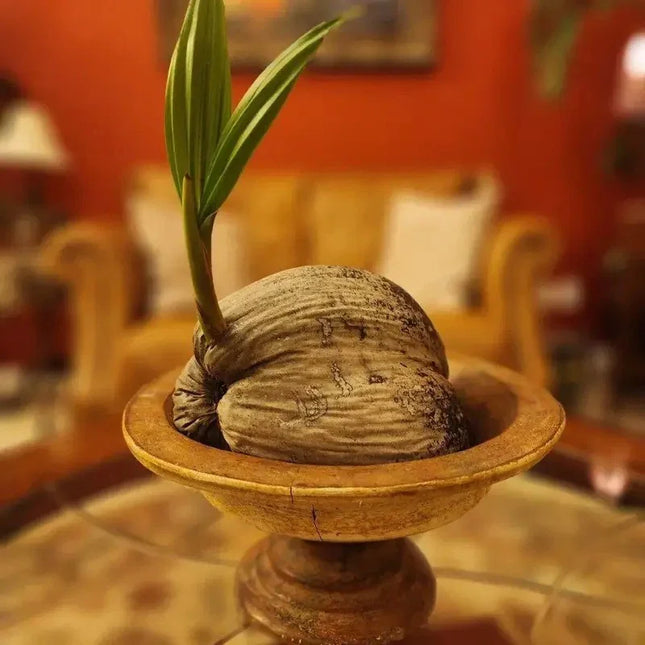
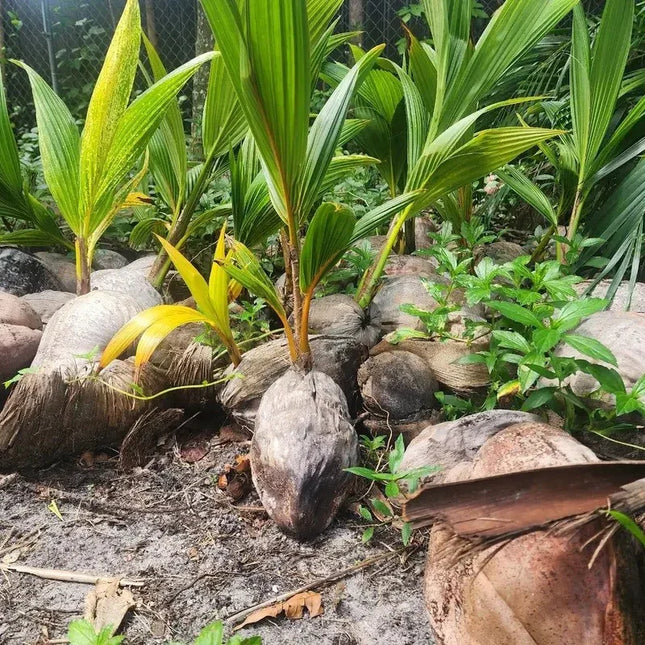
  • 1 Coconut Tree – Sprouted & Ready to Plant | Small Live Tree - Seed World 1 Coconut Tree – Sprouted & Ready to Plant | Small Live Tree - Seed World

    Shipped from Lauderdale, Florida, USA 1 Coconut Tree – Sprouted & Ready to Plant | Small Live Tree

    ⚠️ Note: Do not order if your region is experiencing freezing temperatures β€” this live plant will not survive cold shipping. 🌴 Coconut Tree – Sprouted & Ready to Plant or Bonsai! | Small Live Tree | Indoor or Outdoor | Survival Plant Bring the tropics home with this live, sprouted coconut tree, perfect for planting in your garden, patio pot, or growing as an exotic indoor bonsai! Unlike dried seeds, this coconut is already sprouted, making it a real, living tree ready to thrive in warm climates or indoors with proper care. Sourced fresh from private residential properties in South Florida, these coconut sprouts are hand-picked and nurtured until they’re ready to plant. Whether you're looking to add a tropical vibe to your space, grow a survival food source, or raise a unique bonsai, this small coconut tree is a perfect choice. Why Choose This Product? βœ… Live & Sproutedβ€”No Guesswork: This isn’t just a seedβ€”it's already growing and ready to thrive in your care!βœ… Perfect for Bonsai or Outdoor Planting: Grow it small indoors or plant it outside for a beautiful tropical feature tree.βœ… Natural & Homegrown: Sourced from South Florida yards, not mass-produced β€” each tree has a story.βœ… Tropical Beauty + Edible Potential: Can produce coconuts year-round in the right environment β€” a survival garden essential! What’s in the Pack? 1x Live Sprouted Coconut Tree (Small Size) Ships without pot/base (ready to transplant) Grown naturally in South Florida β€” no chemicals, no additives Basic planting and care tips included Planting Instructions: Unpack carefully and keep warm (above 70Β°F) immediately upon arrival. Choose a well-draining pot or sunny garden spot. Plant the coconut halfway into the soil, sprout facing up. Water regularly, keeping the soil moist but not soggy. Keep it in a warm, humid spot with full sunlight. πŸ“ Best grown outdoors in USDA Zones 10B–12 (70–95Β°F), or indoors with warmth and light. FAQs Can I grow this indoors?Yes! Indoors, it will stay compact (3–4 ft) for years, making it ideal for bonsai or tropical home dΓ©cor. Is it a dwarf or tall variety?Because it's harvested from residential yards, the exact variety is unknown, but most Florida coconuts are Malayan Dwarf, known for shorter growth and disease resistance. Will it produce coconuts?In the right outdoor conditions, yes. Coconut palms can produce fruit year-round in warm, humid zones. What happens if it freezes during shipping?It will die. Please do not order if your area is experiencing freezing temps β€” this is a live plant, not a seed. Why is this better than coconut seeds?These are already sprouted, giving you a living head start. No guesswork, no waiting β€” it’s ready to grow!

  • 15 Black Cherry Tree Seeds - Prunus Serotina - Seed World 15 Black Cherry Tree Seeds - Prunus Serotina - Seed World

    150 Black Cherry Tree Seeds - Prunus Serotina

    Black Cherry Tree Seeds – Prunus serotina | Heirloom | Non-GMO | Open-Pollinated | Zones 4–8 Grow sweet, dark cherries right from your backyard! This deciduous fruit tree offers delicious harvests, fragrant spring blooms, colorful fall foliage, and year-round beauty. A favorite for baking, snacking, and attracting birds. Produces sweet, dark cherries Beautiful spring blossoms & vibrant fall color Attracts birds & pollinators Cold-hardy in USDA Zones 4–8 Grow Tip: Stratify seeds 90–120 days. Sow ΒΌ" deep in sunny, well-drained soil. Space 20–30 ft apart. Water regularly for best results.

  • English Yew - Taxus baccata Tree Seeds - Seed World English Yew - Taxus baccata Tree Seeds - Seed World

    English Yew - Taxus baccata Tree Seeds

    English Yew (Taxus baccata) Tree Seeds Add timeless beauty to your garden with English Yew, an evergreen tree celebrated for its dense, dark green foliage and striking red fruits. This slow-growing tree is perfect for shaded or semi-shaded areas, thriving in zones 6 to 8. Key Features: Height and Spread: Grows 30-60 feet tall with a 15-25 feet spread. Appearance: Evergreen with shiny needles and ornamental red fruits. Growth Conditions: Prefers moist, well-drained soils in full sun to part shade. Uses: Ideal for hedges, screens, topiary, bonsai, and understory plantings in parks and large gardens. Planting Instructions: Prep: Soak seeds for 24 hours. Stratify: First warm (90-200 days), then cold (60-120 days). Sow: Plant 1/4 inch deep in moist medium. With its low maintenance and high tolerance for shade, English Yew is a superb choice for adding structure and year-round interest to any garden setting.

    $14.99 - $29.99

  • 10 Damson Blue Plum Fruit Tree Cuttings - Seed World 10 Damson Blue Plum Fruit Tree Cuttings - Seed World

    10 Damson Blue Plum Fruit Tree Cuttings

    1 review

    Damson Blue Plum Fruit Tree – Organic Unrooted Cuttings for Propagation (Prunus) What You Get: You will receive five unrooted cuttings, each at least 6 inches long, from the Damson Plum Tree (Prunus). These cuttings are perfect for propagation and establishing your own plum tree. USDA Hardiness Zone: 5-7 Sun Requirement: Full Sun Watering Requirement: Let the soil dry between watering once established Rooting Time: Cuttings typically take 4 weeks to 2 months to root. Seasonal Changes: Spring/Summer: Cuttings may have top leaves, which could fall off during the rooting process (this is normal). Autumn/Winter: Cuttings will arrive without leaves, as the tree will be in its dormant stage. Propagate your own Damson Blue Plum Tree with these healthy, organic cuttings and enjoy the fruits of your labor!

  • 10 Musa Itinerans - Burmese Blue Banana Seeds - Seed World 10 Musa Itinerans - Burmese Blue Banana Seeds - Seed World

    10 Musa Itinerans - Burmese Blue Banana Seeds

    A stunning addition to any garden! This shadow-loving plant can soar over 18 feet tall, showcasing its striking red or purple pseudostem, which can reach 7-10 inches in diameter. Musa Itinerans stands out as one of the most cold-tolerant and disease-resistant species within the Musa genus, making it a valuable asset for banana breeding. It thrives in Zones 7b to 10b, ensuring a resilient growth experience. Specifications for Musa Itinerans - Burmese Blue Banana Seeds Season: Spring to Summer USDA Zones: 7b to 10b Height: Up to 18 feet Bloom Season: Late Summer to Fall Environment: Prefers partial shade to full sun Soil Type: Well-draining, rich in organic matter Deer Resistant: Yes Latin Name: Musa itinerans Temperature: Tolerates mild frost; prefers warmer temperatures Average Germ Time: 14-30 days Light Required: Partial shade to full sun Depth: 1-2 inches Sowing Rate: 2-3 seeds per pot or spaced 3-4 feet apart Moisture: Keep soil consistently moist but not waterlogged Plant Spacing: 6-8 feet apart for optimal growth and runner expansion

  • Unripe fig on a tree branch with green leaves

    10 Smyrna Fig Seeds – Premium Fruit Tree Seeds

    Grow your own delicious, honey-sweet figs right at home with Smyrna Fig Seeds (Ficus carica). This historic Mediterranean variety is prized for its large, flavorful fruit, beautiful foliage, and vigorous growth. Whether you're planting a backyard orchard, adding an exotic fruit tree to your garden, or growing in containers, the Smyrna Fig is a rewarding choice for both beginners and experienced growers. Known for its rich flavor and heavy yield, this fig thrives in warm climates and produces luscious, soft fruit with amber flesh and a smooth, edible skin. Add beauty, shade, and fresh fruit to your home landscapeβ€”all starting from seed. 🌱 Why Grow Smyrna Fig Seeds? Produces large, sweet, richly flavored figs Beautiful tree with broad, tropical-looking leaves Excellent for fresh eating, drying, baking, and preserves Thrives in warm, dry climates; heat & drought tolerant Suitable for containers or garden planting A long-lived tree that continues to produce for decades 🌿 Growing Tips Light: Full sun for best fruit production Soil: Well-drained, sandy or loamy soil Water: Moderateβ€”allow soil to dry slightly between waterings Germination: Surface sow and lightly cover; keep warm and moist Temperature: 70–85Β°F for fastest sprouting Spacing: 10–20 ft when planted outdoors Zones: 7–10 (container growing recommended in colder zones) πŸ“¦ Product Details Botanical Name: Ficus carica (Smyrna type) Life Cycle: Perennial fruit tree Height: 10–25 ft (can be pruned smaller) Fruit: Large, sweet figs; golden to purple skin depending on conditions Bloom/Fruit Time: Late summer–fall Sun Requirements: Full sun Difficulty: Easy to moderate ❓ Frequently Asked Questions (FAQ) Do Smyrna Fig seeds need special treatment before planting?A short cold stratification (2–4 weeks) improves germination, but it is optional. How long does it take for Smyrna Fig seeds to sprout?Generally 2–6 weeks, depending on warmth and moisture. Will Smyrna Fig trees produce fruit from seed?Yes! However, seed-grown figs may show slight variation. Many still produce excellent fruit. Can I grow Smyrna Fig trees in pots?Absolutelyβ€”figs are very container-friendly. Use a deep pot with good drainage. Are Smyrna Figs cold hardy?They prefer warm climates (Zones 7–10), but can be grown in containers and overwintered indoors in colder regions. Where to Buy Smyrna Fig Seeds for Sale?At Seeds World, we offer fresh, high-quality Smyrna Fig Seeds with fast U.S. shipping so you can start growing your own fruit tree right away.

  • 10 White Adriatic Fig Tree Cuttings (6–8”) – Sweet Heirloom Italian Fig 3 Fig Tree cuttings "White Adriatic" - Seed World

    10 White Adriatic Fig Tree Cuttings (6–8”) – Sweet Heirloom Italian Fig

    2 reviews

    Grow one of the most beloved heirloom figs with White Adriatic Fig Tree Cuttings, a historic variety originating from central Italy and brought to California in the late 1800s. Renowned for its exceptionally sweet, rich berry flavor, White Adriatic figs are delicious fresh and prized for their ability to dry naturally on the tree. These premium fig cuttings measure 6–8 inches long and include a minimum of 3 healthy nodes, giving you a strong foundation for successful rooting and growth. White Adriatic is an early-producing fig variety, often yielding a small breba crop, followed by a reliable main harvest. Perfect for home gardeners, orchard growers, and fig collectors, this variety thrives in warm climates and rewards patience with luscious, honey-sweet figs year after year. What You’ll Receive: βœ”οΈ 10 premium fig cuttings βœ”οΈ Each cutting is 6–8 inches long βœ”οΈ Minimum of 3 viable nodes per cutting βœ”οΈ Carefully selected for quality and vigor 🌱 Why Grow White Adriatic Fig Tree Cuttings? 🍯 Rich, Berry-Sweet Flavor – One of the sweetest figs available 🌳 Heirloom Italian Variety – Grown for generations β˜€οΈ Early Producer – Fairly early ripening with breba potential πŸƒΒ Versatile Use – Enjoy fresh or dried on the tree 🌿 Ideal for Propagation – Strong nodes for successful rooting 🌿 Growing Tips 🌞 Light: Full sun for best fruit production 🌱 Planting: Root cuttings in well-draining soil or propagation medium πŸ’§ Water: Keep soil lightly moist during rooting (not soggy) 🌑️ Climate: Best in warm, Mediterranean-style climates ⏳ Patience Pays: Rooting takes time, but mature trees are highly productive ❓ Frequently Asked Questions Are these rooted plants?No, these areΒ unrooted fig cuttings, ideal for propagation. How long are the cuttings?Each cutting measuresΒ 6–8 inches and includes at least 3 nodes. Is White Adriatic a good fig for beginners?Yes! It’s a popular, reliable variety with excellent flavor and manageable growth. When will the tree produce fruit?With proper care, fig trees typically fruitΒ within 1–2 years after rooting. Can these figs be dried?Absolutelyβ€”White Adriatic figs are famous forΒ drying beautifully on the tree. Where to Buy White Adriatic Fig Tree Cuttings for Sale?At Seeds World, we offer fresh, carefully selected White Adriatic fig cuttings packed with care and shipped quickly.


You have seen 96 out of 229 products

At Seed World, we offer a wide selection of unique, healthy shrub and tree seeds for sale, including premium, non-GMO, heirloom, and native seeds. Whether you're looking to beautify your garden, add native plants, or cultivate edible varieties, our collection has it all. Our seeds for treesβ€”ranging from evergreen to resilient deciduous speciesβ€”thrive in tough climates and are ideal for privacy screens, windbreaks, and reforestation projects.

Tree & Shrub Seed Categories

Deciduous Trees

  • Albizia: Fern-like leaves and fragrant flowers that attract pollinators; suitable for warm climates.
  • American Filbert: American hazelnut produces edible nuts, adapts to varied soils, and tolerates cold.
  • Ash Tree: Ash trees are fast-growing shade trees commonly used in restoration projects.
  • Willow: Thrives in moist sites; graceful branches add movement and beauty to natural settings.

Evergreen Trees

  • Cypress: Cypress trees are tall, slender, and denseβ€”great for privacy hedges and windbreaks.
  • Eucalyptus: The fast-growing evergreen eucalyptus is valued for its fragrance and resilience in dry climates.

Edible & Useful Trees/Shrubs

  • American Hazelnut: American hazelnut is a bushy, temperate shrub that yields rich, edible nuts.
  • Tea (Camellia sinensis): Camellia sinensis is a small evergreen shrub grown for tea leaves.

Benefits of Buying Tree Seeds

  1. Cost-effectiveness: Seeds are more economical than saplings, especially for large projects.
  2. Variety: Access a broader range of species, including rare or region-specific trees.
  3. Local adaptation: Trees started from seed adapt early to your soil and climate.
  4. Easy storage & shipping: Many tree seeds store and transport more easily than live plants.
  5. Scalable planning: Ideal for reforestation, agroforestry, and tailored landscape designs.

Frequently Asked Questions

What types of tree seeds are available for purchase?

We offer deciduous options like Albizia and ash, evergreens such as cypress and eucalyptus, and edible species including American hazelnut and tea (Camellia sinensis).

How do I choose the right tree seeds for my garden?

Match species to your climate zone, soil type, sunlight, and available space. Consider mature size, growth rate, and specific site conditions (e.g., moisture, wind).

Can I buy tree seeds in bulk for larger planting projects?

Yes. Many species are available in larger quantitiesβ€”ideal for windbreaks, privacy plantings, and restoration work.

Login

Forgot your password?

Don't have an account yet?
Create account

>