




Explore the Seed World Marketplace online catalog - our complete, curated selection of flower, herb, grass, tree, and specialty seeds. Discover reliable growers, non-GMO Seeds, and seasonal bestsellers. Filter by plant type, plant characteristics, and more to find seeds that fit your garden and goals, with fast U.S. shipping and clear, practical guidance.
Seed World Catalog
-


5 Lotus Seeds
Lotus Seeds for Sale – Blue, Soft Pink, Apricot Yellow & Pink Looking for lotus seeds for sale? Create a serene water garden at home with these vigorous Nelumbo nucifera seeds. Ideal for patio tubs, small ponds, and koi water features, lotus delivers large, sculptural leaves and elegant blooms with a long summer display. Why Choose Lotus (Nelumbo)? 🌸 Iconic, showy flowers – striking centerpiece for ponds and patio containers ☀️ Sun-loving and heat tolerant – thrives with 6–8 hours of direct sun 🏺 Great for containers – start in tubs and move to ponds when established 📦 Fresh, viable seed – fast U.S. shipping, clean and sealed for quality What’s in the Pack? Choose from four color options—Blue, Soft Pink, Apricot Yellow, or Pink. Each pack contains fresh lotus seeds cleaned and sealed for viability. Suitable for beginners and experienced water-gardeners alike. Planting Instructions Best Time to Start: Spring to early summer once water temperatures reach ≥70°F (21°C). Scarify: Gently file the hard seed coat until the lighter inner layer is just visible; avoid damaging the embryo. Soak: Place seeds in warm water (75–86°F / 24–30°C). Change water daily. Seeds swell in 24–48 hours and usually sprout in 3–7 days. Potting Soil: Use heavy clay/loam (no fluffy potting mix). Add a thin sand cap to keep water clear. Depth: Press seed ~1/2 inch (1–1.5 cm) into soil; submerge with 1–2 inches (2.5–5 cm) of water above the soil. Increase gradually to 8–18 inches (20–45 cm) after several floating leaves form. Light: Full sun (6–8 hours daily) is essential for flowering. Fertilizer: Begin after first floating leaves; use aquatic fertilizer tabs monthly during the growing season. Protection: Keep sprouting seeds away from fish until leaves reach the surface. Growing Zone: USDA 4–10 perennial outdoors; in colder zones grow in containers and overwinter tubers frost-free. FAQs Will lotus started from seed bloom in the first year? In warm climates and long seasons, first-year blooms are possible; most plants reach their best flowering from year two as the tuber matures. Do seedlings match the exact parent color? Seed-grown lotus are genetically variable. Expect shades within the selected color family (blue/pink/yellow), but not an exact named-cultivar match. Container or pond—which should I use? Start in a 2–5 gal (8–20 L) container with heavy loam. After several floating leaves, move to a larger tub or pond with 12–18 in (30–45 cm) of water above the soil. Are lotus safe with koi and goldfish? Yes—lotus are fish-safe. Protect young shoots until foliage reaches the surface to prevent nibbling. What water and air temperatures do they prefer? Warm conditions speed growth: 75–86°F (24–30°C) water and consistent summer heat encourage faster establishment and earlier flowering. Are these hardy or tropical? Nelumbo nucifera is hardy as a perennial in USDA zones 4–10. In colder zones, grow in containers and overwinter tubers indoors. Where to buy lotus seeds for sale? At Seeds World, you can choose fresh lotus seeds in popular color options with fast U.S. shipping. We include clear, beginner-friendly instructions so your plants establish quickly and bloom reliably.
$12.99 - $17.99
-


10 Mimosa Seeds (Albizia Julibrissin) Persian Pink Silk Tree
Mimosa Tree Seeds (Albizia Julibrissin) "Persian Silk Tree" Native to Asia and in the Fabaceae family, this mimosa is named after nobleman Filippo degli albizzi who introduced it to europe in the mid~eighteenth century.The albizia is a fast-growing, small to medium-sized deciduous tree that will typically grow in a vase shape from 20' to 40' tall with an umbrella crown."The flowers are fragrant & attract bees. At night, the sensitive leaflets will close, or upon being touched anytime throughout the day."Mimosa EnergeticsIt calms disturbed Shen (anxiety, insomnia, bad dreams) and is an incredibly effective mood elevator. Mimosa is also used for irritability, depression, mood swings, poor memory, and excessive anger."They make some of the Most Beautiful Bonsai."Bloom Time: June to JulyZones: 6 to 9Light: Full Sun to Partly Shady, although the best Blooms will be achieved with Full Sun.Mimosa Germination:1) Lightly sand the hard shells.2) Bring water to a boil, pour it into a container placing the seeds in. Allow the seeds to cool with the water, and soak for 24 to 36 hrs.3) Sow appx. 1/8" deep in well-drained soil and keep moist for optimal germination.
$14.99
-


Shipped from Buffalo, NY, USA 25 Cactus Seeds - Mix Succulent
Mixed Succulent Cactus Seeds Bring a touch of the desert to your home with this mixed selection of cactus seeds. Perfect for enthusiasts of drought-tolerant plants, these seeds sprout into various cacti, each with unique shapes, sizes, and textures. Ideal for creating a diverse and striking succulent display, whether in garden beds, containers, or indoor terrariums. Specifications for Mixed Succulent Cactus Seeds: Season: PerennialUSDA Zones: 9-11 (indoor cultivation possible in all zones)Height: 2-12 inches, varies by speciesBloom Season: Varies; some species bloom annuallyBloom Color: Typically yellows, pinks, or redsEnvironment: Full sunDeer Resistant: YesLatin Name: Various species within CactaceaeTemperature: 70-90°F, frost-sensitiveGerm Time: 2-6 weeksLight Required: Direct sunlightDepth: Lightly cover seeds with soilSowing Rate: Space seeds 6 inches apartMoisture: Low; allow soil to dry between waterings Planting Instructions: Sun Exposure: Requires bright, direct sunlight. Soil Type: Best in sandy, well-drained cactus mix soil. Watering Needs: Water sparingly; allow the soil to dry completely between waterings. Plant Spacing: Space seeds or seedlings at least 6 inches apart if planting multiple types together. Whether you're looking to enhance your indoor space with a touch of green or create a drought-tolerant garden, these mixed cactus seeds are an excellent choice for both novice and experienced gardeners alike.
$9.99
-


Shipped from Lawrenceville, Georgia, USA 25 Pomegranate Seeds
Pomegranate – Also Known as Punica Granatum A fruit-bearing multi-stemmed deciduous shrub or small tree in the family Lythraceae. It grows between 5–8 m (16–26 ft) tall and has long been cultivated for its orange-sized edible fruit and attractive ornamental features. The fruit is typically in season in the northern hemisphere from September to February, and in the southern hemisphere from March to May. Winter hardy to USDA zones 8–11 where it is best grown in organically rich, dry to medium moisture, well-drained, fertile loams in full sun. Plants fruit best in areas with long, hot, dry summers (90s°F) and cooler winters. In colder regions, plants may be grown in containers in a rich fertile soil mix. Take containers outdoors into bright, mostly sunny locations in summer. Plants must be overwintered indoors in bright, cool locations with reduced watering. Life Cycle: Deciduous shrub Height: 12–16 ft Max Width: 14 ft USDA Zone: 7–12 (or grown indoors) Light: Full sun / Partial sun Harvest: 2–3 years after planting Growing Instructions Sow seeds 1/2" deep in small pots or flats with moistened seed-starting mix. Spritz with water to settle into the soil. Place in warm indirect sunlight and keep the soil moist. Germination should occur in 30–40 days. Using a heat mat will speed up germination. Resize into bigger pots as needed. Transplant after the last frost when plants are well-established. Protect young plants during the first few winters. If planting in an orchard, space shrubs 12 ft apart. If planting as a hedge, space 9 ft apart. Pomegranate shrubs grow best on a south-facing wall. Harvest fruit in mid-summer or fall, 2–3 years after planting. Frequently Asked Questions How long do Pomegranate seeds take to germinate? Expect germination in 30–40 days when kept in warm, moist conditions. Using a heat mat set to 75–85°F will significantly speed up the process. Can I grow Pomegranate from seed indoors? Yes. Start seeds indoors in pots with fertile, well-draining soil. Keep in a bright, warm location and transplant outdoors after the last frost once the plant is well-established. How long until a Pomegranate tree bears fruit? Pomegranate trees grown from seed typically begin fruiting 2–3 years after planting, depending on growing conditions and climate. What USDA zones are suitable for Pomegranate? Pomegranate thrives in USDA Zones 7–12. In colder zones, it can be grown in containers and brought indoors during winter. How much sun does a Pomegranate plant need? Pomegranate plants require full sun to partial sun — at least 6–8 hours of direct sunlight daily for best fruiting results.
$17.99 $14.99
-


Ghost Pepper Seeds (Bhut Jolokia) – Non-GMO Super-Hot Chili
Looking for Ghost Pepper Seeds (Bhut Jolokia)? These non-GMO Capsicum chinense seeds produce some of the hottest chilies in the world. Known for their extreme heat and fruity-smoky flavor, these peppers measure around one million Scoville Heat Units (SHU). They are perfect for making intense hot sauces, chili powders, and unique culinary experiments. The plants thrive best as warm-season annuals in most regions or as tender perennials in very mild climates. Always handle with care and wear gloves when sowing or harvesting due to the intense heat of the fruit. Why Choose Ghost Pepper Seeds (Bhut Jolokia)? There are many Chili Pepper Seeds you can find, but the Ghost pepper, also called Bhut Jolokia, delivers extreme heat paired with a rich, fruity flavor. This widely recognized "super-hot" pepper variety is beloved by chili enthusiasts worldwide. It grows exceptionally well in full sun and requires sustained warmth throughout the growing season to thrive. These seeds are ideal for container growing when given attentive warmth and sufficient light. Their long growing season benefits gardeners who start them indoors early. This adaptability makes this pepper an excellent choice for both beginners and seasoned gardeners seeking a fiery challenge. Planting Instructions Start: Sow indoors 8–10 weeks before the last frost date. Transplant seedlings outdoors only after nighttime temperatures consistently stay above 55–60°F (13–16°C). Soil Temperature for Germination: Keep soil warm between 75–85°F (24–29°C) to ensure steady germination of the seeds. Depth: Plant seeds about 1/4 inch (6 mm) deep to encourage strong root development and growth. Light: Provide full sun exposure, ideally 6 to 8 or more hours daily, for optimal plant health. Spacing: Space plants 18–24 inches (45–60 cm) apart and rows 24–36 inches (60–90 cm) apart to ensure good air circulation. Germination Time: Expect 14–35 days for seeds to sprout, with slower germination in cooler soils. Days to Maturity: It takes approximately 100–120 days from transplanting to harvest mature fruit. Watering: Keep soil evenly moist but avoid overwatering to prevent root rot and other issues. Growing Zone: Grow as perennials in USDA zones 10–12 or treat as annuals in cooler zones. Overwinter indoors in cold climates. Growing Seeds Indoors Starting your Ghost Pepper indoors provides a warm, controlled environment for strong seedlings. Use a seed-starting mix with excellent drainage to avoid soggy conditions. Maintain the soil temperature consistently between 75 and 85°F (24–29°C) to support healthy germination. Using bottom heat can speed up the sprouting process. Once seedlings emerge, place them under strong grow lights for 12 to 16 hours daily. When outdoor conditions stabilize with warm nights, carefully transplant seedlings into full sun and well-prepared soil. Growing Ghost Peppers in Containers Growing ghost peppers in containers offers flexibility to gardeners with limited space. Use pots at least 5 gallons in size to allow sufficient room for root growth. Choose a rich, well-draining potting mix to support healthy plants. Place containers in sunny locations where they receive ample light throughout the day. Maintain steady warmth and keep soil moist but avoid waterlogging to promote robust roots. As plants mature and fruits become heavy, staking or supports may be necessary to prevent breakage. Why the Right Conditions Matter Ghost Pepper Seeds demand careful attention to detail for the best results. The plants thrive under consistent warmth, proper sunlight, and adequate spacing. This pepper variety has a long growing season, during which it can produce fruit for extended periods if conditions are ideal. Whether grown in garden beds or containers, the correct soil temperature, moisture, and light exposure greatly improve germination success and fruit development. Patience is essential, as these peppers take time to fully develop their legendary heat and flavor. Ghost Pepper Seeds (Bhut Jolokia) – Non-GMO Super-Hot Chili
$9.99 - $19.99
-


10 Cedrus Deodara Seeds - Himalayan Cedar
Deodar Cedar, (Himalayan Cedar), Cedrus deodara, Tree Seeds (Fragrant Evergreen) Native to the Himalayas, Deodar Cedar is an evergreen conifer that is pyramidal when young, maturing to flat-topped trees with broad-spreading horizontal branching. Deodar Cedars are perhaps the most pendulous of the true cedars, with drooping branchlets and branching that is gracefully drooping at the tips. Lower branches typically remain on the tree as it ages, often touching the ground. This is a moderate-growing tree that typically matures to 40 to 70 feet tall in its first 25 years. In their native habitat, trees reportedly will grow much taller over time, sometimes reaching 150 to 200 feet tall. Dark grayish-green needles to 1.25 inches long appear in clusters, with upright cones to 4 inches long.Most cultivars of Deodar Cedar will grow into large and handsome specimen trees that need plenty of room. Use these in the back of a large landscape so they can be seen in their entirety. From a distance, deodar is dense and plumose with a fine texture. With proper pruning, Deodar Cedars can be maintained as a hedge.Leaf: Evergreen needles, dark green but may have some silvery bloom giving them a blue-green color; 1 to 2 inches long, sharp-pointed; occur singly on new growth and then later on spur shoots; remaining on the tree for 3 to 6 years.Flower: Monoecious; male cones 2 to 3 inches long on the lower parts of the crown; female cones erect, purplish, occur on upper portions of the crown.Fruit: Upright cones, 3 to 4 inches long and 3 inches across; deciduous scales; initially green and purplish, then later turning a reddish brown when mature, usually resinous.Twig: Slender, with numerous short spur shoots, branches droop with age; buds are very small and round.Bark: Initially smooth and gray-brown, later developing short furrows with scaly ridge tops.Form: Young trees have a broad pyramidal crown that becomes wider with age; branch tips and leaders droop and have a fine texture. In the landscape, it can reach 80 feet tall but becomes much taller in its native range.Other Names: Deodar Cedar, Himalayan CedarZone: 7 to 8Growth Rate: ModeratePlant Type: Needled Evergreen ConiferFamily: PinaceaeNative Range: HimalayasHeight: 40 to 70 feetSpread: 30 to 40 feetShape: Pyramidal, Pendulous BranchesSun: Full Sun to Part ShadeFall Color: EvergreenDrought Tolerance: Moderate to HighWater: MediumMaintenance: MediumSite Requirements /Soil Tolerances: Best grew in deep, moist but well-drained, acidic loams in full sun. Drought tolerant once established. Intolerant of poorly drained wet soils. Site young trees in locations protected from winter winds. Culture: Uses Specimen trees for large lawns. Prune as a screen or hedge. Bonsai. Sowing Cedrus deodara Seeds: For best results, please follow the instructions in the order provided.Scarify: Soak in water for 24 hoursStratify Cold for 30 days, 40 Degrees F in a Moist Medium (Not wet).Germination: Sow 1/4” Deep, Keep Moist (Not wet).
$15.99
-


Shipped from Atlanta, Georgia, USA Sweet Blueberry Seeds - NON-GMO
Picture stepping into your garden and picking a handful of plump, sun-warmed blueberries — sweet, tangy, and bursting with flavor. With Sweet Blueberry Seeds, that moment is closer than you think. These heirloom, non-GMO seeds are beginner-friendly and adaptable, thriving in containers, courtyard gardens, or open beds. Whether you're growing for fresh snacking, baking, or preserving, this variety delivers season after season. 🌟 Product Highlights ✅ Heirloom & NON-GMO — pure, natural genetics ✅ Sweet, tangy flavor — perfect for eating fresh or cooking ✅ Easy to grow — ideal for beginners ✅ Compact size — great for pots, mini gardens & courtyards ✅ Blooms in summer for a rewarding harvest ✅ Versatile — outdoor plants, bonsai-style, or container growing 🫐 Why Grow Sweet Blueberry Seeds? 🌿 Homegrown blueberries taste far superior to store-bought 🫔 Compact plants fit balconies, patios, and small gardens 🍰 Perfect for jams, pies, smoothies, and fresh snacking 💚 Non-GMO and heirloom — safe for seed saving ☀️ Thrives in full sun with minimal care 🎁 A beautiful and productive addition to any garden 🌱 Growing Tips Sowing: Start indoors 8–10 weeks before last frost; surface sow and keep moist Soil: Acidic, well-draining soil (pH 4.5–5.5) is essential for blueberries Light: Full sun — at least 6–8 hours per day Watering: Keep consistently moist; avoid waterlogging Container: Use pots at least 12 inches deep with acidic potting mix Patience: Blueberries may take 2–3 years to fruit fully — worth the wait! Frequently Asked Questions How long until I get blueberries from seed? Blueberries grown from seed typically take 2–3 years to produce fruit. Starting with healthy soil and proper care speeds up the process. Can I grow blueberries in a pot or container? Absolutely! Use a container at least 12 inches deep with acidic potting mix (pH 4.5–5.5). They make beautiful patio or balcony plants. Do I need more than one plant to get fruit? Blueberries produce better yields with cross-pollination, but a single plant can still fruit. For best results, grow two or more plants nearby. Are these seeds heirloom and safe for seed saving? Yes — these are open-pollinated heirloom seeds, non-GMO, and perfect for saving seeds from your harvest each year. What climate do blueberries grow best in? Blueberries thrive in temperate climates with cold winters and warm summers. They grow well in USDA Zones 4–7, though some varieties adapt to warmer zones.
$11.99
-


Shipped from Lincolnton, North CA, USA 50 Hardy Mini Cocktail Kiwi Seeds
Hardy Mini Cocktail Kiwi, Actinidia arguta, Vine Seeds Actinidia arguta, commonly known as Hardi Kiwi is a fast-growing, deciduous, woody vine that grows 25 to 30 feet. It is grown for its foliage and edible fruit. Foliage is lustrous dark green throughout the growing season. The serrated leaves are elongated and can be 2 to 5 inches long. In spring, small greenish-white flowers appear in small clusters and are slightly fragrant. Smooth-skinned 1-inch kiwi fruits (the size of grapes) are followed by the flowers, ripening in early fall.If you are a fan of the fuzzy kiwis, (Actinidia deliciosa) you see in the grocery store but live in a cooler climate, the Hardy Kiwi can be a great choice for your garden. These little fruits have a similar taste but are hairless, (can be eaten without peeling), sweeter, and tolerate colder temperatures.The Hardy Kiwi can withstand temperatures as low as -25 degrees Fahrenheit. The plant needs around 150 frost-free days for its fruits to mature and ripen. The Hardy Kiwi can be successfully grown in containers and can be brought indoors by growers in colder areas. If expecting a sudden drop in temperature in Fall or Spring, it is best to protect your plants by covering them or bringing them indoors. The Hardy Kiwi is dioecious and the flowers are male or female. You will need at least one of each for fruit set on the female. Hardy Kiwi plants usually bear fruit at three to four years old.Other Names: Dessert Kiwi, Yang-tao, Hardy Kiwifruit, Cocktail kiwi, Baby Kiwi, Tara Vine, Kiwi Berry, Northern Kiwi, Bower Actinidia, Arctic Kiwi, Grape Kiwi.Zone: 4 to 8Growth Rate: FastPlant Type: Deciduous, Woody VineFamily: ActinidiaceaeNative Range: China, Japan, Korea, and SiberiaHeight: 25 to 30 feetSpread: 7 to 20 feetBloom Time: MayBloom Color: Greenish WhiteSun: Full Sun to Part ShadeFall Color: YellowWater: MediumMaintenance: Medium
$17.99
-


100 Black Peony Poppy Seeds – Papaver paeoniflorum
Bring striking elegance to your garden with Black Peony Poppy Seeds—a rare, sought-after variety known for its huge, velvety double blooms in a deep maroon so rich they appear black. These bold, ruffled flowers reach 4–5 inches wide, adding gothic charm and standout texture to any landscape. After blooming, they form ornamental seed pods, perfect for dried floral arrangements and craft use. Easy to grow, pollinator-friendly, and undeniably stunning—these Black Peony Poppies are a must-have for gardeners who love dramatic color. 🌱 Why Grow Black Peony Poppy Seeds? 🌑 Rare deep-black appearance for dramatic garden impact 🌺 Huge 4–5 inch double blooms with lush peony-style petals 🦋 Attracts bees & butterflies ✂️ Perfect for cut flowers and dried seed pod crafts 🌿 Easy to grow—even for beginners 🌞 Thrives in full sun and average soil 🌿 Growing Tips Direct sow in early spring or fall; poppy seeds need light to germinate—do not cover deeply Water lightly until seedlings establish Space plants 15–18 inches apart for full, lush blooms Deadhead to extend bloom season, or allow pods to form for drying ❓ Frequently Asked Questions (FAQ) Are Black Peony Poppies really black?They are a deep, velvety dark maroon so rich that they appear nearly black in full sunlight. Do these poppies reseed?Yes—if you leave the seed pods in the garden, they often self-seed naturally for blooms the following year. Can I grow them in containers?Absolutely. Choose a pot at least 12 inches deep and place it in full sun. Do poppies need rich soil?No! Poppies thrive in poor to average, well-draining soil. How long until they bloom?Typically 60–75 days after germination, depending on climate. Where to Buy Black Peony Poppy Seeds? At Seeds World, we provide fresh, high-quality Black Peony Poppy seeds with fast U.S. shipping and secure packaging to ensure excellent germination and healthy growth.
$14.99
-


Shipped from Deltona, Florida, USA 800 Common English Lavender Seeds
Lavender Seeds - Common English - Non-GMO Common English lavender is a vigorous full sun performer and known to tolerate gardens prone to drought and poor soils. Do not overwater since lavender will perform poorly in oversaturated gardens which can lead to root rot, and leaf spots, and may not survive perennially over the winter. Trim back plants every 3 years to control the size and promote new robust growth. Lavender has no serious pests.Add beauty and fragrance to your garden with this common variety of English Lavender. Lavender is very popular and can be dried for use in sachets, potpourris, and perfumes. English Lavender seeds grow into sturdy plants that produce a profusion of lilac flowers on silvery foliage. This is the original species of English Lavender with flowers that dry well and have neat, bushy growth. One of the hardiest lavenders around, making this a popular choice for any garden. Commonly used for a myriad of medicinal uses, lavender is also popular in aromatherapy, culinary and decorative purposes. Taxonomy: Lavandula angustifoliaOther Names: English Lavender, Common Lavender, True LavenderSeed Type: PerennialSow Indoors or Outdoors: Sow indoors, 3 to 4 months before the last frost.Days to Maturity: 2nd-year maturityHardiness Zone: 5 – 12Planting Depth: barely cover--light aids in the germination.Plant Spacing: 24”Growth Habit: 18 – 24” tall shrubby upright with an 18 – 24” spread of classic 3” purple English lavender headsSoil Preference: Average, medium dry, well-drainedLight Preference: Full sun
$14.99
-


Shipped from Pittsburgh, Pennsylvania, USA 50 Mammoth Grey Stripe Sunflower Seeds
Growing sunflowers can be a rewarding experience, but many gardeners struggle with seeds that don’t sprout well or plants that fail to reach their full potential. This often leads to disappointment and wasted time, especially when you're hoping to enjoy vibrant, towering sunflowers that brighten up your garden and provide a delicious snack. Without the right seeds, your sunflower-growing efforts might fall short, impacting both your garden’s beauty and your harvest. The solution to these common gardening frustrations is our premium grey striped sunflower seeds. These seeds are specifically chosen for their impressive growth and reliable germination rate, ensuring you'll enjoy spectacular blooms and plentiful seeds suitable for snacking and toasting. Experience the joy of growing mammoth sunflowers that tower between 8 to 12 feet, producing giant blooms nearly 12 inches across that truly transform your garden into a stunning landscape. Grows tall sunflowers reaching 8-12 feet in height, maximizing garden visual impact Produces massive 12-inch flowers that yield abundant grey striped sunflower seeds High germination rate of 91%, giving you a reliable and successful growing season Customers rave about their gorgeous, oversized blooms and the ample harvest of grey striped sunflower seeds perfect for fall snacking. Gardeners who plant these seeds consistently report thriving plants and enjoy watching their sunflowers become a centerpiece of their outdoor space. Don’t settle for ordinary sunflowers—order your grey striped sunflower seeds today and elevate your garden with impressive giant blooms and a dependable harvest. Start growing the mammoth sunflowers everyone will admire and reap the delicious, nutritious seeds with confidence!
$11.99
-


Alocasia odora ( Night-Scented Lily) Upright Elephant Ears in 4" Pots
Bring the exotic beauty of the tropics into your home or garden with the Alocasia odora, also known as the Night-Scented Lily or Upright Elephant Ear. This lush, tropical perennial is admired for its large, glossy green leaves and sweet nighttime fragrance that fills the air with elegance and calm. Perfect for indoor plant lovers or outdoor tropical gardens, Alocasia odora adds a dramatic architectural touch wherever it grows. Native to Southeast Asia, the Alocasia odora thrives in warm, humid environments and can reach up to 5–8 feet tall in ideal conditions. Each leaf forms a broad, glossy canopy that adds an instant jungle vibe to patios, gardens, and indoor corners. At night, the plant emits a delicate, lily-like fragrance, making it a captivating addition for evening relaxation spaces. This variety comes fully rooted in a 4” pot, ready to grow and flourish under your care. 🌱 Why Grow Alocasia odora (Night-Scented Lily)? Adds bold tropical flair to gardens and interiors Emits a calming floral fragrance at night Perfect for patios, shade gardens, and indoor décor Naturally resistant to most pests A statement plant that thrives in warm, humid conditions 🌿 Key Features Botanical Name: Alocasia odora Common Names: Night-Scented Lily, Upright Elephant Ear Leaf Color: Deep, glossy green Fragrance: Sweet, pleasant nighttime aroma Zones: USDA 8b–11 (grow indoors in cooler regions) Height: Up to 8 ft outdoors Light: Partial shade to bright, indirect light Water: Keep soil moist, not soggy Humidity: High humidity preferred Soil: Rich, loamy, well-drained Pot Size: 4-inch nursery pot 🌿 Growing Tips Keep soil consistently moist — never allow it to fully dry. Provide bright, filtered sunlight and high humidity. Avoid cold drafts; ideal temperature range is 60–85°F (16–29°C). Fertilize every 4–6 weeks during active growth (spring–summer). Repot every 1–2 years to encourage fresh growth and airflow. 💡 Pro Tip: Allow your Alocasia to acclimate for 7–10 days after shipping before repotting. ❓ Frequently Asked Questions (FAQ) Can Alocasia odora grow indoors?Yes! It thrives indoors with bright, indirect light and high humidity. Is Alocasia odora fragrant all day?The plant’s sweet floral scent is strongest at night, earning it the name “Night-Scented Lily.” How often should I water it?Keep the soil moist but not soggy. Water when the top inch feels slightly dry. Can it tolerate low light?It prefers partial shade but can tolerate low indirect light indoors. Is it pet-safe?Like most Alocasias, it’s toxic if ingested, so keep away from pets and small children. Where to Buy Alocasia odora (Night-Scented Lily) Plants? At Seeds World, we provide live Alocasia odora plants grown with care and shipped directly to your door. Each plant is healthy, rooted, and ready to thrive — with fast U.S. shipping and premium packaging to ensure safe delivery.
$49.99
-


Korean Mint Seeds (Agastache rugosa) – Perennial Pollinator Herb
Looking for Korean Mint seeds for sale? Agastache rugosa is a fragrant, hardy perennial with upright violet flower spikes that attract bees and butterflies all summer. Easy to grow, drought tolerant once established, and well suited to borders, cottage gardens, and containers. Why Choose Korean Mint (Agastache rugosa)? Showy violet flower spikes with a refined, licorice-like aroma Perennial in USDA Zones 4–9; reliable and low maintenance Thrives in full sun and well-drained soils; suitable for beds or containers Pollinator-friendly—welcomes bees, butterflies, and other beneficials Planting Instructions Best Time to Plant: Spring after last frost; in mild climates you may fall-sow. Cold stratification for 1–2 weeks can improve germination. Soil: Well-drained, lean to average soil; avoid heavy or waterlogged sites. Light: Full sun (6+ hours); tolerates light partial shade with fewer blooms. Depth: Surface-sow; press seeds gently and barely cover (≤ 1/16"). Light aids germination. Watering: Keep evenly moist through germination; then water moderately. Germination in ~14–21 days under warm conditions. Spacing: 12–18 in (30–45 cm) between plants. Growing Zone: USDA 4–9 perennial; grow as an annual outside this range. FAQs Is this Agastache rugosa (Korean Mint)? Yes. This seed is Agastache rugosa, commonly known as Korean Mint or Blue Licorice, valued for its aromatic foliage and long bloom season. How much area does one packet cover? Coverage varies by sowing density. For garden borders, expect roughly 100–200 sq ft with light broadcasting, or 50–100 sq ft for a fuller, more formal planting. Does it need cold stratification or light to germinate? Seeds benefit from light exposure and very shallow coverage. A brief cold stratification (about 1–2 weeks) can boost germination, especially for spring indoor starts. What are the recommended growing zones? Korean Mint is perennial in USDA Zones 4–9. In colder or hotter regions, it is typically grown as an annual. Will it grow in partial shade? Yes, but bloom density is best in full sun. In partial shade, plants may flower less profusely. Can I grow it in containers? Yes. Choose a pot with drainage and use a well-draining potting mix. Avoid overwatering, especially in cool, wet periods. Where to buy Korean Mint seeds for sale? At Seeds World, we offer fresh Korean Mint (Agastache rugosa) seeds with fast U.S. shipping. You can order a single packet or stock up for larger borders.
$10.99 - $17.99
-


Shipped from High Point, North Carolina, USA 2 lbs Wildlife Food Plot Seed Mix – Chicory, Alfalfa & Clover, No-Till
Transform your hunting grounds into a thriving wildlife haven with our Wildlife Food Plot Seed Mix – Chicory, Alfalfa & Clover. Specially crafted to attract and sustain deer, this premium no-till blend delivers year-round nutrition with unbeatable drought tolerance and nutrient-packed forage. 🌱 Key Features & Benefits: High-Protein Nutrition: Chicory provides antler-building protein to promote healthier, stronger deer. Premium Forage Blend: Includes Alfalfa, Clover, and Chicory for irresistible palatability. No-Till Formula: Easy planting – just broadcast and grow, no heavy equipment required. Drought Tolerant & Hardy: Grows strong even in challenging conditions.Year-Round Attraction: Ensures deer keep coming back, enhancing your hunting success. Whether you’re managing hunting land or simply want to attract and nourish local wildlife, this blend is designed for maximum growth, resilience, and results. ❓ FAQ - Wildlife Food Plot Seed Mix How do I plant this Wildlife Food Plot Seed Mix?This is a no-till blend – simply broadcast the seeds onto prepared soil and rake lightly. No heavy equipment required. When is the best time to plant?A: For optimal results, plant in spring or fall, depending on your region’s climate. How much area will 2 lbs cover?On average, 2 lbs will cover approximately ¼ acre, depending on soil and planting conditions. Is this blend drought tolerant?Yes! This mix includes chicory and alfalfa, both known for their excellent drought tolerance. Will this attract other wildlife besides deer?Absolutely! While designed as a deer magnet, this nutrient-rich mix also supports turkeys, rabbits, and other foraging wildlife.
$52.00
-


1 Live White Zephyr Lily – Tropical Pond & Marginal Water Plant
Live White Zephyr Lily – Tropical Pond & Marginal Water Plant (Zephyranthes candida) Bring elegance and charm to your water garden with the Live White Zephyr Lily (Zephyranthes candida) — a stunning tropical marginal pond plant known for its delicate white blooms and graceful needle-like green foliage. Native to Central and South America, this hardy perennial thrives in zones 8–12, making it perfect for adding beauty around ponds, bog gardens, or shallow water features. ✨ Why Gardeners Love It: Produces small, pure white star-shaped flowers from summer to fall. Dark green, narrow foliage adds year-round interest. Compact size: 12” tall, spreading 6–14” wide. Perfect for containers (2–4” pots or 1–3 gallon pots) at water’s edge. Attracts pollinators while enhancing your pond’s natural beauty. 💧 Easy to Grow:Plant your Zephyr Lily in a 2-gallon or larger container and fertilize monthly with aquatic tablets. For best growth, position in full sun to partial shade and keep soil moist with 1–3 inches of water above the pot’s surface. Whether you’re designing a tropical pond, creating a boggy garden edge, or simply want a low-maintenance water-loving perennial, the White Zephyr Lily is the perfect choice. 📦 Specifications: Common Name: Zephyr Lily Botanical Name: Zephyranthes candida Plant Type: Tropical Marginal Pond Plant Bloom Season: Summer–Fall Flower Color: White Foliage: Dark green, needle-like Height: ~12” Spread: 6–14” Hardiness Zone: 8–12 Light: Full Sun – Partial Shade Container Size: 2” or 4” pot; thrives in 1–3 gallon containers Fertilizer: 2 tablets monthly (adjust by container size) Native To: Central & South America ❓ FAQ – Live White Zephyr Lily Can I plant Zephyr Lily directly in my pond soil?It’s best to plant in containers (1–3 gallons) and submerge them 1–3 inches underwater. This makes fertilizing and controlling growth easier. How often should I fertilize my Zephyr Lily?Use aquatic plant fertilizer tablets monthly — 1 tablet for 1-gallon pots and 2 tablets for 2–3 gallon pots. Will Zephyr Lily survive cold winters?Zephyr Lily is hardy in zones 8–12. In colder regions, treat it as an annual or overwinter indoors. How big does the plant get?Zephyr Lily grows up to 12” tall and spreads 6–14” wide, making it compact yet impactful in pond edges or bog gardens. What kind of light does it need?Zephyr Lily thrives in full sun to partial shade for the best flowering and foliage growth.
$31.00 - $54.95
-


Shipped from Hilo, Hawaii, USA 2 Organic Yellow Nectarine Seeds
🌱 Organic Yellow Nectarine Seeds | Grow Sweet, Juicy Fruit at Home | Non-GMO Heirloom Bring orchard-fresh flavor to your backyard with Organic Yellow Nectarine Seeds. Known for their golden skin, honeyed aroma, and perfectly balanced sweet-tangy taste, nectarines are the ultimate fruit lover’s delight. Whether you enjoy them fresh off the tree, blended into smoothies, or baked into pies, these nectarines promise superb flavor and natural goodness. 🌿 Why Grow Yellow Nectarines? ✅ Non-GMO Heirloom Seeds – Pure, organic, and naturally delicious.✅ Honeyed Aroma & Rich Flavor – Sweet with a refreshing tang.✅ Homegrown Goodness – Skip store-bought and enjoy fruit from your own tree.✅ Long-Lived Trees – Once mature, these trees provide years of harvests.✅ Perfect for Gardeners of All Levels – With patience and care, you’ll reap big rewards. 🪴 Planting & Growing Instructions Soil: Loam or high-quality potting soil Sunlight: Full sun (6–8 hours daily) Planting: Sow directly in the ground or in individual pots Preparation: Soak seeds, stratify, and keep in moist soil Germination: 2–8 weeks (sometimes up to 3–4 months) at 40°F–90°F Days to Harvest: 3–4 years to produce fruit, with proper care With patience, your tree will reward you with juicy, sun-ripened nectarines bursting with flavor year after year. ❓ Frequently Asked Questions (FAQ) How long does it take for Yellow Nectarine seeds to germinate?Germination can take 2–8 weeks, but in some cases up to 3–4 months, depending on soil temperature and stratification. When will my nectarine tree produce fruit?Expect your tree to bear fruit in 3–4 years with consistent care and full sun exposure. Do nectarines require special soil?Nectarines thrive in loam or well-draining potting soil enriched with organic matter. Can nectarines grow in pots?Yes! Start seeds in pots and transplant outdoors once established, or grow in large containers for smaller spaces. Are these seeds organic and non-GMO?Absolutely—our seeds are 100% organic, heirloom, and non-GMO, ensuring natural, healthy growth.
$21.00
-


Shipped from Loxahatchee, Florida, USA 10 Giant Bamboo Seeds - Dendrocalamus Asper
🌱 Giant Bamboo Seeds – Dendrocalamus Asper | Fast-Growing Tropical Bamboo Transform your garden into a lush, tropical paradise with Giant Bamboo (Dendrocalamus Asper) Seeds. Known as one of the largest and fastest-growing bamboo species in the world, Giant Bamboo can reach towering heights of 60–100 feet with culms up to 8 inches thick. Perfect for creating a natural privacy screen, windbreak, or tropical landscape centerpiece, this stunning bamboo adds instant impact and value to your property. Beyond its ornamental beauty, Dendrocalamus Asper is prized worldwide for its strong, sustainable timber and nutritious edible shoots, making it a true multi-purpose plant. ✔️ Fast-Growing & Towering Height – Creates a striking tropical effect in just a few years✔️ Multi-Purpose Bamboo – Ideal for construction, crafts, and delicious edible shoots✔️ Perfect Privacy & Shade – Dense foliage forms a natural living wall✔️ Eco-Friendly & Sustainable – Helps reduce carbon footprint while beautifying your space Bring the tropics home with Giant Bamboo Seeds – where beauty, strength, and sustainability grow together. Key Features / Highlights Botanical Name: Dendrocalamus Asper Growth: Fast-growing, up to 60–100 ft tall Uses: Privacy screens, timber, edible shoots, ornamental Climate: Thrives in tropical & subtropical regions Eco-Friendly: Sustainable, renewable, and air-purifying 🌿 FAQs – Giant Bamboo Seeds – Dendrocalamus Asper How tall does Giant Bamboo grow?Dendrocalamus Asper can grow between 60–100 feet tall with thick, strong culms up to 8 inches wide. Is Giant Bamboo invasive?No. Giant Bamboo is a clumping bamboo species, meaning it grows in tight clumps rather than spreading uncontrollably like running bamboo. How long does it take to reach full size?With proper care, Giant Bamboo can reach impressive heights in just 3–5 years. Can I eat the shoots?Yes! Giant Bamboo shoots are edible and nutritious, widely used in Asian cuisine. What climates are suitable for growing Giant Bamboo?It thrives in tropical and subtropical regions, but with care, it can also adapt to warm temperate climates.
$12.95
-

Shipped from Odessa, Florida, USA Titan Rx Turf Type Tall Fescue Grass Seeds
Tough. Lush. Built to Thrive. Give your lawn the power to perform with Titan Rx Turf Type Tall Fescue Grass Seed—a next-generation seed blend that’s engineered for unbeatable durability and beauty. Whether you're facing intense sun, deep shade, dry spells, or cold snaps, Titan Rx delivers a thick, vibrant lawn that stands strong through it all. As the 4th generation of the Titan family, Titan Rx carries forward the trusted genetics of its predecessors—with even greater resistance to disease, pests, heat, and drought, plus enhanced rhizome growth for superior self-repair and density. It’s ideal for residential lawns, parks, sports fields, and commercial landscapes alike. Key Benefits: ☀️ Thrives in Sun & Shade – Perfect for lawns with mixed light conditions🔥 Heat & Drought Tolerant – Stays green when other lawns fade🌱 Rhizomes = Self-Healing – Repairs damaged areas quickly and naturally🦠 Disease Resistant – Strong defense against brown patch and other turf diseases🐜 Pest Resistant – Naturally deters common lawn pests🌿 Rich Green Color – Deep, lush color that enhances curb appeal🌾 Dense & Upright Growth Habit – Builds a thick, uniform turf❄️ Cold Hardy —Great winter survival and early spring recovery Recommended Use: Perfect for establishing new lawns or overseeding existing turf. Works well as a standalone variety or in a blend like our T.L.C. Tall Fescue Mix. Coverage: New Lawns: 1 lb. per 250 sq. ft. Overseeding: 1 lb. per 500 sq. ft. 🌱 Care Guide: How to Grow Titan Rx Turf Type Tall Fescue 1. Soil Prep: Loosen the top 1–2 inches of soil and remove debris. Level low spots and apply starter fertilizer for best results.2. Seeding: Spread seed evenly using a broadcast or drop spreader. Gently rake the seed into the soil surface to ensure good seed-to-soil contact.3. Watering: Keep the soil consistently moist (but not soggy) until seedlings are 2–3 inches tall. Water lightly 1–2 times daily during germination (7–14 days).4. Mowing: Mow when grass reaches 3–4 inches tall. Mow to 2.5–3 inches for a healthy, dense lawn.5. Maintenance: Fertilize 2–4 times per year. Overseed thin areas annually in early fall or spring to maintain density and color. ❓ Frequently Asked Questions (FAQ) Q: Is Titan Rx good for shady areas?A: Yes! Titan Rx has excellent shade tolerance and performs well in both full sun and partial shade. Q: How fast does Titan Rx germinate?A: Typically, you'll see germination in 7–14 days under ideal moisture and soil temperature conditions. Q: Is this seed safe for pets and kids?A: Yes, once the lawn is established and the seed is no longer exposed, it is safe for children and pets to play on. Q: Can I mix Titan Rx with other grass seeds?A: Absolutely. Titan Rx performs well on its own or as part of a blend like our T.L.C. Tall Fescue Blend for added versatility. Q: When is the best time to plant?A: Early fall and spring are ideal for seeding, but Titan Rx can be planted anytime the soil is above 50°F.
$40.00 - $95.00
-


Shipped from Lincolnton, North Carolina, USA 25 Dwarf Blue Lily of The Nile Seeds - Agapanthus "Peter Pan"
Bring graceful elegance to your garden or home with Dwarf Blue Lily of the Nile—Agapanthus ‘Peter Pan’ seeds. Compact, charming, and butterfly-friendly! 🌿 Dwarf Blue Lily of the Nile—Agapanthus 'Peter Pan' Seeds. Compact beauty with pale-blue blooms that shine indoors or out. 🌟 Why You'll Love It If you're looking for a flower that combines charm, grace, and versatility, the Dwarf Lily of the Nile (Agapanthus africanus 'Peter Pan') is your perfect pick. These compact plants grow only 12 inches tall, making them ideal for borders, walkways, poolside edges, or decorative indoor pots. From pale-blue clusters that attract butterflies and birds to lush, strappy green foliage, this dwarf variety delivers all the drama of the classic Lily of the Nile—just in a smaller, more manageable size. ✔️ Grows well in containers or small spaces✔️ Perfect as a houseplant or outdoor perennial in zones 8–11✔️ Ideal for borders, patios, fences, and flower arrangements✔️ Blooms with graceful, showy flowers that return year after year✔️ Easy to germinate and maintain with the right care 📦 What’s in the Pack? 💠 Premium Agapanthus 'Peter Pan' dwarf seeds 📝 Complete germination & care instructions included 📦 Moisture-proof packaging for safe storage and shipping 🎁 Optional gift-ready packaging for plant lovers 🌱 Planting Instructions 📅 Best Time to Sow: Late winter to early spring (indoors recommended)📍 Location: Indoors near bright light or outdoors after frost🪴 Soil: Use a compost-based potting mix with perlite for drainage🌱 Sowing Depth: ¼ inch max – lightly cover with potting mix, sand, or grit🌡️ Temperature: Keep around 75°F (24°C) using a heated propagator💧 Watering: Keep the soil lightly moist—never soggy⏳ Germination Time: ~30 days🌤 Post-Germination: Move to a cool, bright area; transplant when strong enough🌿 Final Touch: Cover soil with sharp grit or coarse sand to retain moisture and reduce mold ❓Frequently Asked Questions (FAQ) Q: Is Agapanthus ‘Peter Pan’ really dwarf-sized?Yes! This variety grows only 10–12 inches tall, perfect for borders or container growing. Q: Can I grow this indoors as a houseplant?Absolutely! It thrives in containers with bright, indirect light. Just bring it indoors before frost. Q: When will it bloom from seed?Expect blooming in the second or third year. The first year will focus on strong foliage growth. Q: Is it safe for pets?Use caution—agapanthus is mildly toxic if ingested by pets. Q: Can it handle colder climates?Outdoors, it thrives in USDA Zones 8–11. In colder zones, treat it as a container plant and overwinter it indoors.
$15.99
-


Shipped from Jacksonville, Florida, USA 25 Lily of the Nile – Blue Agapanthus Seeds
🌸 Lily of the Nile – Blue Agapanthus Seeds. Elegant, drought-tolerant, and perfect for pollinators. Grow your own garden showstopper! These Lily of the Nile – Blue Agapanthus seeds produce dazzling blue blooms and elegant foliage, perfect for beds, borders, or containers. 🌟 Why You'll Love It Turn your garden into a summer sanctuary with Lily of the Nile – Blue Agapanthus grown from seed. These trumpet-shaped, sky-blue flowers rise on tall stalks, making them a beautiful focal point in garden beds, walkways, and containers. Not only are they visually stunning, but they’re also drought-tolerant, low-maintenance, and loved by butterflies and hummingbirds. ✔️ Affordable way to grow large displays✔️ Ideal for cut flowers & long-lasting blooms✔️ Heat- and drought-resistant✔️ Great for beginner & experienced gardeners✔️ Grows well in containers or directly in garden soil 📦 What’s in the Pack? 💠 Premium-quality, viable Agapanthus seeds 📝 Detailed planting and germination guide included 📦 Secure, moisture-protected packaging for long shelf life 🎁 Optional gift-ready packaging available 🌱 Planting Instructions 📅 Best Time to Sow: Late winter to early spring (indoors) or after last frost (outdoors)📍 Location: Full sun to partial shade🪴 Soil: Well-drained, light soil mix🌱 Sowing Depth: 1/4 inch (lightly cover with soil)💧 Watering: Keep soil evenly moist but not soggy🌡️ Germination Time: 21–30 days at 65–75°F (18–24°C)🪴 Transplanting: When seedlings are strong enough, transplant to larger pots or outdoor beds Note: Agapanthus seeds may take 2–3 seasons to flower but produce lush foliage in the first year. ❓ FAQs - Lily of the Nile – Blue Agapanthus Seeds Q: How long does it take for Agapanthus to flower from seed?Typically 2 to 3 years. While they don’t bloom the first year, you'll enjoy lush green foliage as they mature. Do I need a greenhouse to grow these?A: No greenhouse needed! Just start indoors near a sunny window or under grow lights. Can I plant them directly outdoors?A: Yes, but for best results, start indoors and transplant after the risk of frost has passed. Are they perennial?A: Yes! Once established, Agapanthus returns year after year in zones 8–11. In colder zones, grow in pots and bring them indoors during winter. Do these seeds require stratification?No stratification required. Just sow and keep warm and moist until germination.
$11.99
-


Shipped from Saint Augustine, Florida, USA 10 Southern Catalpa Indian Bean Tree Seeds
🌳 Southern Catalpa Indian Bean Tree Seeds – Flowering Shade Tree | Native Beauty with Fragrant Blooms & Unique Seed Pods Bring bold beauty and natural charm to your landscape with Southern Catalpa (Catalpa bignonioides)—a native ornamental tree known for its striking white trumpet-shaped flowers, bean-like seed pods, and broad heart-shaped leaves. Often referred to as the “Indian Bean Tree,” this deciduous giant grows up to 50–70 feet and makes a stunning shade tree for large yards, parks, or open spaces. Catalpas thrive in USDA Zones 6–9, tolerate poor soil, and require minimal water once established. In spring, their fragrant blooms draw pollinators, while their long green seed pods add a unique visual twist throughout the summer and fall. 🌿 Low-maintenance, high-impact — perfect for gardeners seeking both shade and spectacle. Why Choose This Product? ✅ Spectacular Spring Flowers: Large clusters of white, orchid-like blooms with purple and yellow throats appear in late spring.✅ Unique Seed Pods & Foliage: Long “cigar-shaped” pods and oversized heart-shaped leaves add ornamental value year-round.✅ Hardy & Drought-Tolerant: Thrives in a wide range of soils with minimal water needs — perfect for low-maintenance landscapes.✅ Rich Herbal History: Used traditionally for asthma, skin issues, and infections — though not FDA evaluated, it's revered in folk medicine. What’s in the Pack? A pack of Southern Catalpa Indian Bean Tree Seeds Approx. 10 seeds per pack Purity: 90–95%, Germination rate: 60–80% Packaged in a resealable, moisture-resistant bag Basic planting instructions included Planting Instructions: Scarify and soak seeds in warm water for 24 hours before planting. Sow indoors or outdoors in well-draining soil, about 1/4" deep. Keep soil moist and warm (65–75°F) for best germination. Germination typically occurs in 2–4 weeks. Transplant seedlings outdoors when 4–6 inches tall and frost risk has passed. 📍 Best suited for USDA Zones 6–9. Choose a sunny location with room to grow. FAQs How tall does a Southern Catalpa tree grow?It typically reaches 50 feet, though in optimal conditions it can grow up to 70 feet tall. Does it require a lot of water or care?No! It’s a hardy, drought-tolerant tree that grows well in poor soil with little maintenance once established. What’s with the name “Indian Bean Tree”?It comes from the long green seed pods that resemble green beans —they’re not edible but are visually striking. Does it lose its leaves?Yes. Catalpa is a deciduous tree, meaning it drops its large leaves (and pods) in fall or after the first frost. Are the seeds or leaves used medicinally?Yes, in traditional herbal medicine, Catalpa bark, leaves, and pods were used for various ailments, including asthma, infections, and inflammation — although not clinically proven.
$11.95
-
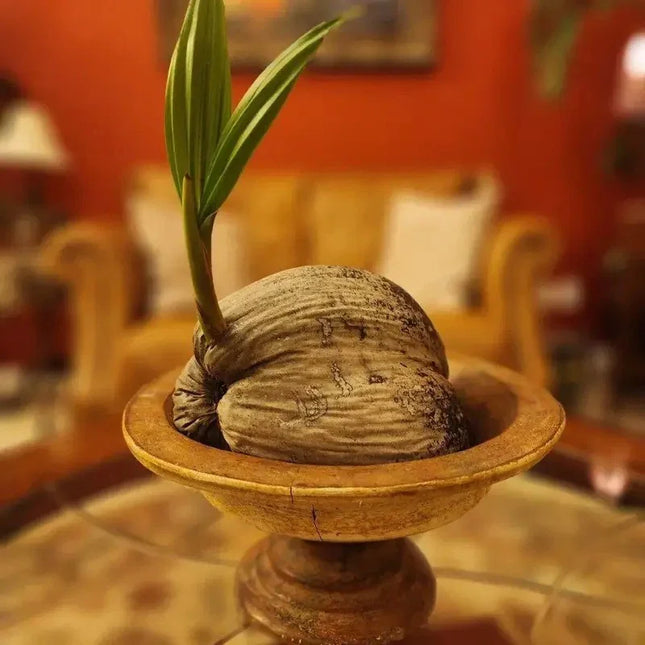
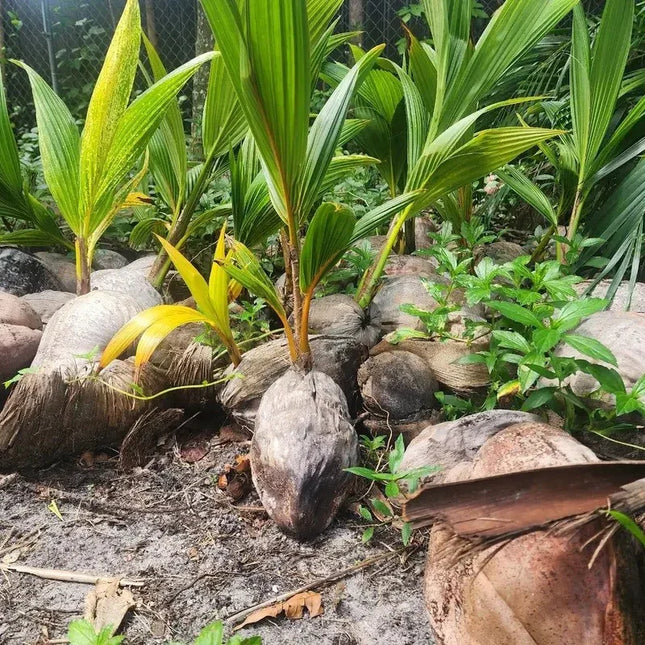
Shipped from Lauderdale, Florida, USA 1 Coconut Tree – Sprouted & Ready to Plant | Small Live Tree
⚠️ Note: Do not order if your region is experiencing freezing temperatures — this live plant will not survive cold shipping. 🌴 Coconut Tree – Sprouted & Ready to Plant or Bonsai! | Small Live Tree | Indoor or Outdoor | Survival Plant Bring the tropics home with this live, sprouted coconut tree, perfect for planting in your garden, patio pot, or growing as an exotic indoor bonsai! Unlike dried seeds, this coconut is already sprouted, making it a real, living tree ready to thrive in warm climates or indoors with proper care. Sourced fresh from private residential properties in South Florida, these coconut sprouts are hand-picked and nurtured until they’re ready to plant. Whether you're looking to add a tropical vibe to your space, grow a survival food source, or raise a unique bonsai, this small coconut tree is a perfect choice. Why Choose This Product? ✅ Live & Sprouted—No Guesswork: This isn’t just a seed—it's already growing and ready to thrive in your care!✅ Perfect for Bonsai or Outdoor Planting: Grow it small indoors or plant it outside for a beautiful tropical feature tree.✅ Natural & Homegrown: Sourced from South Florida yards, not mass-produced — each tree has a story.✅ Tropical Beauty + Edible Potential: Can produce coconuts year-round in the right environment — a survival garden essential! What’s in the Pack? 1x Live Sprouted Coconut Tree (Small Size) Ships without pot/base (ready to transplant) Grown naturally in South Florida — no chemicals, no additives Basic planting and care tips included Planting Instructions: Unpack carefully and keep warm (above 70°F) immediately upon arrival. Choose a well-draining pot or sunny garden spot. Plant the coconut halfway into the soil, sprout facing up. Water regularly, keeping the soil moist but not soggy. Keep it in a warm, humid spot with full sunlight. 📍 Best grown outdoors in USDA Zones 10B–12 (70–95°F), or indoors with warmth and light. FAQs Can I grow this indoors?Yes! Indoors, it will stay compact (3–4 ft) for years, making it ideal for bonsai or tropical home décor. Is it a dwarf or tall variety?Because it's harvested from residential yards, the exact variety is unknown, but most Florida coconuts are Malayan Dwarf, known for shorter growth and disease resistance. Will it produce coconuts?In the right outdoor conditions, yes. Coconut palms can produce fruit year-round in warm, humid zones. What happens if it freezes during shipping?It will die. Please do not order if your area is experiencing freezing temps — this is a live plant, not a seed. Why is this better than coconut seeds?These are already sprouted, giving you a living head start. No guesswork, no waiting — it’s ready to grow!
$75.00
-


Shiipped from Miami, Florida, USA Autograph Tree Seeds – Clusia Rosea Major
🌿 Autograph Tree Seeds – Clusia rosea Major | Exotic Balsam Apple Tree | Cuba Native | Tropical Ornamental Tree Bring a tropical touch to your home or garden with Autograph Tree Seeds (Clusia rosea major) — a rare, exotic ornamental native to the Caribbean and Florida. Named the “Autograph Tree” because you can literally carve your name into its thick, leathery leaves, Clusia rosea is known for its striking white-pink flowers, bold foliage, and unique bonsai or potted potential. Whether you're an exotic plant lover or a collector of tropical species, these seeds are your opportunity to grow one of the most unusual and beautiful trees around. 🌴 A perfect conversation piece and tropical showstopper! Why Choose This Product? ✅ Unique “Autograph” Leaves: Thick, waxy foliage that can be inscribed with initials or designs — like nature’s notebook!✅ Exotic Tropical Appeal: Native to the Caribbean and beloved for its white-pink flowers and lush form.✅ Indoor or Outdoor Growing: Can be grown as a potted plant, bonsai, or tropical tree in warmer zones.✅ Low Maintenance & Hardy: Tolerates salt, heat, and drought — ideal for coastal gardens or bright indoor spaces. What’s in the Pack? A pack of fresh Autograph Tree (Clusia rosea) 10-50 Seeds Approximately [insert exact quantity if known] seeds Resealable moisture-resistant bag Basic germination and care instructions included Planting Instructions: Soak seeds in warm water for 24 hours before planting. Sow seeds in a moist, well-draining soil mix. Press lightly into the surface — do not bury deeply. Keep warm and humid (75–85°F) with indirect light or a grow light. Germination usually occurs in 2–6 weeks. Transplant seedlings once they are strong enough and have 2–3 leaves. FAQs Why is it called the Autograph Tree?Its thick, leathery leaves can be scratched or etched with names or initials, which remain on the leaf — like signing your autograph! Can I grow Clusia rosea indoors?Yes! It’s an excellent indoor plant in cooler climates when given bright, indirect light and warmth. How tall does it get?In the ground, it can grow up to 25–30 feet, but when grown in a pot or bonsai-style, it's easily kept much smaller. Does it flower?Yes! It produces large, showy white-to-pink flowers, especially in warmer climates or during the growing season. Is it drought-tolerant?Absolutely — once established, it’s resilient to dry spells and even salt spray, making it ideal for coastal gardens.
$20.00 - $50.00
-

Green Jalapeño Chili – 3 Live Hot Pepper Plants
Get a serious head start on your pepper harvest with these 3 live Green Jalapeño chili plants — fully established, organically grown, and over 75 days old. These aren't seedlings; they're mature, robust plants ready to transplant directly into your garden bed or container. Each was grown from isolated, non-crossed seeds for consistent pod shape, classic jalapeño heat, and reliable flavor — perfect for salsas, stuffing, grilling, or pickling. What You Get ✅ 3 live Green Jalapeño chili plants, 75+ days old, ready to transplant Plant Highlights 🌶️ Classic Jalapeño Heat & Flavor — 2–3 inch pods, ideal for cooking and preserving 🌱 Mature Plants, Not Seedlings — established and ready for immediate transplanting 🧪 Isolated Seed Origin — grown from netted, non-crossed seeds for consistent results 🪣 Compact & Productive — great for 5-gallon containers or garden beds ☀️ Full Sun Lover — thrives with 6–8 hours of direct sunlight daily 👨🌾 Beginner Friendly — easy to grow, high yield potential Care Guide Transplanting: Move to a 5-gallon container or garden bed immediately upon arrival Light: Full sun — minimum 6–8 hours daily Water: Keep soil consistently moist but not soggy Fertilizer: Feed with organic fertilizer every 2–3 weeks during the growing season Best containers: 5-gallon buckets or raised garden beds Frequently Asked Questions Are these seedlings or mature plants? These are mature, established plants — over 75 days old. They are not seedlings. You can transplant them directly into your garden or container right away. How spicy are Green Jalapeños? Green Jalapeños typically measure 2,500–8,000 Scoville Heat Units — a medium heat level that's versatile for cooking, pickling, stuffing, and fresh salsas. What size container do I need? A 5-gallon bucket or container is ideal for one plant. Make sure it has drainage holes and use a well-draining potting mix for best results. How long until I can harvest? Since these are already 75+ days old and established, you can expect peppers to be ready for harvest within a few weeks of transplanting under good growing conditions. Can I grow these indoors? Jalapeños need full sun to produce well. If growing indoors, place near a south-facing window or use a grow light providing at least 6–8 hours of bright light daily.
$36.00
You have seen 672 out of 1963 products