
Sale
-


Shipped from Ravensdale, Washington, USA 50 Red Dragon Clumping Bamboo Seeds
Bring bold color and striking elegance to your garden with Red Dragon Bamboo (Fargesia sp.) Seeds. This rare ornamental bamboo is loved for its rich red culms that deepen with sunlight exposure, creating a dramatic contrast against its lush green leaves. Perfect for gardeners who want both beauty and functionality, Red Dragon Bamboo thrives in a wide range of climates and is naturally non-invasive, making it ideal for home landscapes. ✅ Why Grow Red Dragon Bamboo? 🏡 Perfect for privacy hedges & windbreaks – dense, fast growth creates a natural green wall. 🌿 Striking red culms – color intensifies in sunlight for a unique tropical look. 🌎 Cold hardy & adaptable – grows well in zones 5–10. 🪴 Great for containers – compact, clumping habit makes it easy to control. 💨 Low-maintenance & fast-growing – ideal for both beginners and experienced gardeners. Red Dragon Bamboo can reach 10–15 feet tall, making it an excellent choice for screening, shade, or ornamental focal points. Unlike spreading bamboo, this variety grows in tight clumps, ensuring controlled growth without invasiveness. 🌸 How to Grow Red Dragon Bamboo from Seed Soak seeds in warm water for 24 hours before planting. Plant in well-draining soil or a seed-starting mix. Keep soil moist but not soggy; cover with plastic or humidity dome. Provide bright, indirect light until seedlings establish. Transplant outdoors or into large containers once seedlings are 6–8 inches tall. With the right care, your bamboo will grow strong and add a touch of exotic beauty and privacy to your outdoor space. ❓ FAQ – Red Dragon Bamboo Seeds Is Red Dragon Bamboo invasive?No. This is a clumping bamboo variety, meaning it grows in neat clusters without spreading uncontrollably. How tall will Red Dragon Bamboo grow?In ideal conditions, it reaches 10–15 feet tall, perfect for hedges, privacy screens, or decorative landscaping. What growing zones are best for Red Dragon Bamboo?USDA Zones 5–10. It is cold-hardy and can tolerate temperatures as low as -10°F. Can I grow Red Dragon Bamboo in pots or containers?Absolutely! Its clumping habit makes it an excellent container plant for patios, decks, or small gardens. How fast does Red Dragon Bamboo grow?On average, it grows 2–3 feet per year, filling in quickly to create lush greenery and privacy.
$17.00 $15.00
-


Shipped from El Monte, California, USA 50 Giant Moso Bamboo Seeds - Phyllostachys Edulis
Transform your landscape with the majestic Giant Moso Bamboo (Phyllostachys edulis)—one of the fastest-growing and most impressive bamboo species in the world. Native to China and prized globally, Moso Bamboo is renowned for its towering height, elegant canes, and versatile uses. Perfect for gardeners, landscapers, and bamboo enthusiasts, these seeds grow into stunning green giants that can reach up to 75 feet tall in the right conditions. Whether you’re looking for a living privacy wall, erosion control, or a renewable source of strong bamboo timber, Moso delivers beauty and utility. ✅ Why Grow Giant Moso Bamboo? 🌱 Fast-growing giant bamboo, reaching 40–75 ft tall in maturity 🌿 Dense, upright growth makes an excellent natural privacy screen 🏡 Adds a tropical, exotic look to gardens and landscapes ♻️ Sustainable timber source for crafts, building, and furniture 💨 Hardy and resilient; thrives in Zones 6–10 🌍 Versatile Uses: Privacy & Windbreaks – Create a lush, living fence for your property Erosion Control – Strong roots stabilize soil on slopes or embankments Bamboo Timber – Harvested for construction, crafts, and sustainable wood projects Landscape Accent – Add height, beauty, and a touch of the exotic to any garden 📏 Growing Information Botanical Name: Phyllostachys edulis Type: Timber Bamboo (Clumping habit in colder zones, spreading in warmer climates) Hardiness Zones: 6–10 Sun Exposure: Full sun to partial shade Height at Maturity: 40–75 feet Cane Diameter: Up to 7 inches in optimal conditions Soil Preference: Rich, well-draining, slightly acidic to neutral Watering: Moderate; keep consistently moist but not waterlogged ❓ FAQ – Giant Moso Bamboo Seeds - Phyllostachys Edulis How tall does Moso Bamboo grow?In ideal conditions, Giant Moso Bamboo can grow 40–75 ft tall with canes up to 7 inches in diameter. Is Moso Bamboo invasive?Moso Bamboo is a running bamboo, so it can spread if not contained. We recommend planting with a bamboo barrier or regular root pruning for controlled growth. What climate does Moso Bamboo grow in?It thrives in USDA Zones 6–10, making it suitable for many regions of the United States, from temperate to warm climates. How long does it take Moso Bamboo to mature?While Moso Bamboo is fast-growing, it usually takes 5–7 years to reach its full height and cane diameter. Can I grow Moso Bamboo in pots or containers?Yes! Young plants can be started in containers, but due to their large size, they will eventually need to be transplanted into the ground for optimal growth.
$16.95 $15.99
-


Shipped from Florida, USA Virginia Jumbo Peanut Seeds – NON-GMO High-Yield Heirloom Variety
Grow your own delicious, jumbo-sized peanuts right at home with Virginia Jumbo Peanut Seeds (NON-GMO)—the most popular variety for roasting, boiling, snacking, and home gardening. Known for producing extra-large pods, excellent flavor, and dependable yields, Virginia Jumbo peanuts are a top choice for gardeners across warm U.S. climates. These peanuts thrive in loose, sandy soil and warm weather, producing sprawling plants that enrich your soil naturally by fixing nitrogen. Easy to grow and incredibly rewarding, Virginia Jumbo peanuts make a fun crop for families, homesteaders, and anyone wanting fresh, home-grown nuts straight from the garden. 🌱 Why Grow Virginia Jumbo Peanut Seeds? Produces large, premium peanuts ideal for roasting or boiling NON-GMO, untreated, heirloom seed Easy to grow in warm climates Naturally enriches the soil with nitrogen Fun, educational crop for kids and beginners High yield per plant for maximum harvest 🌿 Growing Tips Planting Time: After last frost; soil must be warm (65°F–70°F+) Soil: Loose, sandy, well-drained soil is ideal Spacing: Plant seeds 1–2" deep, 6–8" apart Sunlight: Full sun (6–8+ hours daily) Watering: Keep moist but not waterlogged; reduce water near harvest Days to Harvest: 120–140 days Harvest Tip: Pull plants when leaves yellow and pods mature beneath the soil 📝 Peanut plants flower above ground, then send “pegs” into the soil where the peanuts form—so loosened soil is essential. ❓ Frequently Asked Questions (FAQ) Are these peanuts safe to eat once grown?Yes! These are NON-GMO Virginia Jumbo edible peanuts perfect for roasting or boiling. What climate is best for growing peanuts?Warm climates with long growing seasons—zones 7–11 are ideal. How long do peanuts take to mature?Typically 120–140 days from planting to harvest. Do peanut plants really grow underground?Yes—flowers form above ground, but peanuts develop underground after “pegs” enter the soil. Can they grow in containers?Yes, but use a deep, wide container with loose sandy soil for best results. Where to Buy Virginia Jumbo Peanut Seeds for Sale?At Seeds World, we offer fresh, NON-GMO Virginia Jumbo Peanut seeds with fast U.S. shipping, ensuring you receive high-quality seeds ready for strong germination and a bountiful harvest.
$16.99 - $24.99
-


Shipped from Linwood, NJ, USA Micro Clover Seeds – Trifolium repens
Transform your lawn into a lush, low-maintenance green carpet with Micro Clover (Trifolium repens) Seeds — the modern gardener’s secret to a greener, softer, and more sustainable lawn. This dwarf clover variety forms a dense, cushion-like ground cover that stays vibrant and healthy year-round, requiring less mowing, watering, and fertilizer than traditional grass. Micro Clover naturally fixes nitrogen into the soil, reducing the need for chemicals while keeping your lawn thick and rich in color. It’s tough, drought-tolerant, pet-friendly, and self-healing, making it the perfect choice for eco-conscious homeowners, landscapers, and pollinator-friendly gardens. Whether you’re overseeding an existing lawn or starting fresh, Micro Clover Seeds deliver a soft, resilient, and environmentally friendly lawn that’s as functional as it is beautiful. 🌱 Why Grow Micro Clover (Trifolium repens) Seeds? 🌿 Eco-Friendly Lawn Alternative: Requires less water, fertilizer, and maintenance. 🌎 Nitrogen-Fixing Plant: Naturally enriches soil and improves grass health. 🐝 Pollinator-Friendly: Produces tiny white blooms that attract bees. 🐾 Pet & Foot Traffic Safe: Resilient and self-repairing after wear. ☀️ Stays Green Longer: Drought-tolerant and resistant to heat and cold. 🌱 Perfect Blend Companion: Mix with turfgrass for a softer, greener, and more durable lawn. 🌿 Growing Tips 🌤️ Light Requirements: Full sun to partial shade. 🌱 Soil: Well-drained, fertile soil; thrives in a wide range of conditions. 🌡️ Temperature: Best germination at 50–65°F (10–18°C). 🌾 Seeding Rate: 1–2 lbs per 1,000 sq. ft. when mixed with grass seed. 💧 Watering: Keep soil moist until germination (7–14 days), then water as needed. ✂️ Maintenance: Mow to 2–3 inches — or let it grow naturally for a lush clover carpet. 🌸 Bloom Time: Late spring to early fall with tiny white blossoms. 💡 Pro Tip: Overseed your lawn in early spring or fall for best results. Mix with perennial ryegrass or fescue for an even thicker lawn. ❓ Frequently Asked Questions (FAQ) Can Micro Clover replace a traditional grass lawn?Yes! Many homeowners use it as a full lawn alternative or blend it with grass for a softer, greener, and more eco-friendly turf. How long does Micro Clover take to grow?Seeds typically germinate within 7–14 days under warm, moist conditions. Will Micro Clover attract bees?Yes — the small white blooms are bee-friendly, making it great for pollinators. Does Micro Clover stay green all year?In most climates, yes. It stays lush through spring, summer, and fall, and rebounds quickly after winter. How tall does it grow?Micro Clover grows about 4–6 inches tall, creating a soft, carpet-like lawn. Where to Buy Micro Clover Seeds for Sale? At Seeds World, we provide fresh, premium Micro Clover (Trifolium repens) seeds for lawns, ground covers, and eco-landscaping projects. Our seeds are tested for purity and germination to ensure vibrant, uniform growth. Fast U.S. shipping and start growing a greener, more sustainable lawn — naturally!
$11.99 - $24.99
-


Shipped from Pennsylvania, USA 500 Gotu Kola Seeds (Centella asiatica) – Pennywort | Rau Má
Looking for Gotu Kola (Centella asiatica) seeds for sale? This vigorous creeping herb—also known as Pennywort and Rau Má—forms a lush, low mat of rounded leaves. Ideal for culinary use, container gardens, water-garden edges, and as a moisture-loving groundcover in warm climates. Why Choose Gotu Kola? Vigorous, low-growing habit that knits into a tidy green mat Culinary herb used fresh in Southeast Asian salads and drinks Moisture-loving—thrives in consistently damp or boggy soils Shade tolerant to partial sun; great under taller plants Container friendly for patios, windowsills, or indoor growing with good light Growing Zone: Perennial in USDA 9–11; grow as an annual or overwinter indoors in cooler zones What’s in the Pack? Sealed pack of 500 Gotu Kola seeds, selected for freshness. Suited for starting in trays or small containers before transplanting, or for direct sowing in warm conditions. Planting Instructions Best Time to Plant: Spring to early summer after frost; indoors anytime with warmth and light Soil: Rich, well-draining but evenly moist; add compost for fertility Light: Partial shade to filtered sun (can adapt to bright indoor light) Sowing Depth: Surface sow to 1/16" (very light cover) Spacing: 8–12" between plants; allow room to spread Watering: Keep consistently moist during germination and growth Germination: Usually 14–28 days at 70–75°F (21–24°C) Notes: Spreads by stolons in warm, moist conditions—use containers if you prefer to limit spread FAQs Is Gotu Kola edible? Yes. The fresh leaves are commonly used in Southeast Asian cuisine—added to salads, smoothies, and refreshing drinks. Will it grow indoors? Yes. Start in a bright spot with indirect light and keep the potting mix evenly moist. A wide, shallow container works well. Does Gotu Kola need a pond or bog? Not required, but it enjoys consistent moisture. It performs very well near water features or in rich, damp soil. How fast does it spread? In warm zones with steady moisture it spreads steadily by short runners. Use edging or containers where a defined boundary is desired. What growing zones are suitable? Perennial in USDA Zones 9–11. In Zones 3–8, grow as an annual in summer or move containers indoors for winter. Where to buy Gotu Kola seeds for sale? At Seeds World, we offer fresh Gotu Kola (Centella asiatica) seeds with fast U.S. shipping. Choose the 500-seed pack and follow the planting tips above for reliable results.
$19.99 $12.99
-


Shipped from Nampa, Idaho, USA Climbing Tomato Seeds 15+ Heirloom Indeterminate Variety
15+ Climbing Tomato Seeds Looking for climbing tomato seeds that deliver big results? These premium tomato seeds produce extra-large, meaty fruits on vines that can grow over 20 ft tall! Perfect for trellises and fences, these indeterminate tomatoes offer beauty and productivity for every home garden. Why Grow Climbing Tomatoes? 🍅 Huge yields of large, flavorful tomatoes – perfect for slicing and sandwiches 🌿 Climbing vines up to 25 ft – great for fences, arches, or support structures ☀️ Thrives in full sun – very easy to grow and maintain 🌱 Open-pollinated & indeterminate – keeps producing all season What’s in the Pack? You get at least 15 premium climbing tomato seeds, carefully packaged for freshness and fast germination. Ideal for spring planting in raised beds or containers with support. Planting Instructions Best Time to Plant: Spring, after last frost Soil: Neutral, well-draining Light: Full sun (6–8 hrs/day) Depth: ¼ inch Spacing: 2–3 ft between plants Watering: Keep soil moist but not soaked FAQs How tall do climbing tomato plants grow? These indeterminate tomato varieties can grow up to 25 ft when supported properly. They thrive on trellises, cages, or arbors. Are these seeds heirloom or hybrid? The seeds are open-pollinated, which means they are heirloom-style and can be saved year after year. Do I need a trellis or cage? Yes. These tomatoes are natural climbers and will perform best with vertical support to maximize yield and airflow. Where to buy climbing tomato seeds for sale? At Seeds World, we offer high-quality climbing tomato seeds with fast U.S. shipping and guaranteed germination support. Shop confidently with us today.
$9.99 - $14.99
-


Shipped from Idaho, USA 60 Honeysuckle Seeds – Selected Parent Types
60 Honeysuckle Seeds – Selected Parent Types This listing offers ten supplier-numbered honeysuckle parent selections. The supplier has not provided a verified species or cultivar map for the numbered options, so the numbers should be treated as parent-flower references rather than guaranteed botanical varieties. Seed-grown vines may differ from the photographs in flower color, fragrance, form and vigor. Why Grow Honeysuckle from Seed? Climbing garden form: Many honeysuckles can be trained on trellises, fences or arbors. Flowering potential: Mature plants may produce tubular flowers attractive to pollinators. Parent-type choice: Select a numbered reference image while allowing for natural seedling variation. Long-term project: Seed-grown perennial vines reward patient gardeners with space to train them. What's in the Pack? Each selected parent type contains approximately 60 seeds. Selection 7 is the supplier option labeled “7 (Most Popular)”; that label does not identify a species or guarantee greater performance. Planting Instructions Preparation: Pretreatment varies by species. Because the exact species map is unavailable, fall sowing or a period of cold-moist stratification may be useful, but results can differ. Sowing: Cover seeds lightly in a sterile, well-draining mix. Moisture: Keep the medium evenly moist and allow time for slow or uneven germination. Light: Grow established seedlings in full sun to partial shade. Support: Provide a trellis or other support before vines begin rapid extension. Growing zone: Hardiness cannot be stated reliably until the supplier identifies the species behind each numbered option. Important Species and Invasiveness Notice Honeysuckle is a large genus. Some Lonicera species are suitable garden plants, while others are regulated or highly invasive in parts of the United States. Do not rely on the former “non-invasive” claim. Confirm the selected species with the supplier and check state and local rules before planting, especially near natural areas. Frequently Asked Questions What does selection 7 mean? It is the supplier's seventh parent-flower reference. “Most Popular” is a sales label, not a botanical cultivar name. Will seedlings match the selected photograph? Not necessarily. Flower color, markings, fragrance and form can vary when honeysuckle is grown from seed. Is this Japanese honeysuckle? The available supplier record does not provide a verified species map, so the page cannot responsibly confirm or exclude Lonicera japonica. Are these seeds non-invasive? No such guarantee can be made without species identification and local context. Check regulations before planting. How long does germination take? Timing varies widely by species and pretreatment. Retain the sowing container through an extended germination period. Does honeysuckle need support? Climbing forms need a trellis, fence or arbor. Final size and growth habit depend on the unidentified species or hybrid.
$14.99
-

shipped from North Carolina, USA 100 Empress Tree Paulownia Tomentosa Seeds
Paulownia tomentosa seeds produce the well-known Royal Empress Tree, a fast-growing deciduous ornamental species valued for its large heart-shaped leaves and fragrant lavender spring flowers on mature trees. This species is grown by gardeners who want a bold landscape tree with dramatic foliage and a distinctive flowering display. Why Choose Paulownia Tomentosa? 🌿 Botanical species listing – clearly identified as Paulownia tomentosa 🌳 Fast-growing ornamental tree under favorable conditions 🌸 Known for large leaves and fragrant lavender blooms on mature plants ☀️ Best suited to full sun and well-drained soil 🪴 Suitable for seed trays and early indoor starting before transplanting What’s in the Pack? This listing is for 50 Paulownia tomentosa seeds. These are seeds only, not a live plant or rooted tree. Planting Instructions Best Time to Start: Spring, or start indoors in bright warm conditions before outdoor planting Soil: Well-drained seed-starting mix or light potting soil, ideally around pH 6.0–7.5 Light: Full sun after establishment; seeds need light to germinate Depth: Surface sow only – do not bury Watering: Keep evenly moist but not waterlogged during germination Germination: Often begins in about 1–2 weeks in warm, bright conditions Growing Zone: Generally suitable for USDA Zones 5–8, depending on local conditions FAQs Are Paulownia tomentosa seeds the same as Royal Empress tree seeds? Yes. Royal Empress Tree, Princess Tree, and Royal Paulownia are common names used for Paulownia tomentosa. How should I sow Paulownia tomentosa seeds? Surface sow the seeds on moist soil and do not cover them, because they need light to germinate. Keep the tray warm, bright, and evenly moist until seedlings appear. How long does it take for a Paulownia tomentosa tree to flower? Seed-grown trees establish quickly, but flowering usually takes several years. Blooms form on older wood, so this is a tree grown with some patience. Is Paulownia tomentosa invasive? In some parts of the United States, Paulownia tomentosa is considered invasive or problematic because it self-seeds readily. Check local regulations and plant responsibly before sowing outdoors. Where to buy Paulownia tomentosa seeds for sale? If you are shopping online, look for clearly labeled Paulownia tomentosa seeds from a seller that lists the botanical name, seed count, and practical sowing instructions. This page is designed to help buyers identify the exact species and understand how to start it correctly.
$15.99 $12.99 $0.26 each
-

Climbing Clematis Seeds
Climbing Clematis Seeds Add vertical flower interest to trellises, fences, arches and large containers with seed-grown clematis. This page includes a mixed 20-seed selection and several supplier-labeled parent-color options. Seedlings are not clones: flower color, markings, form and vigor may differ from the selected parent photograph. Why Choose Clematis? Vertical garden use: Leaf stems can climb narrow trellis wires and other suitable supports. Parent-type selection: Choose the mixed option or a supplier-labeled flower-color reference. Perennial potential: Established plants can return for years when the resulting seedling suits the local climate. Container option: Suitable for a large, well-draining container with adequate root space and support. What's in the Pack? The requested Mixed Clematis option contains approximately 20 seeds. Other selections may contain 20–25 seeds. The selected image represents parent-flower appearance and is not a guarantee of seedling color or flower form. Planting Instructions Preparation: Requirements vary by species and hybrid. Some clematis seeds benefit from 8–12 weeks of cold-moist stratification. Depth: Sow approximately 1/8–1/4 inch deep in a sterile, well-draining mix. Germination: Allow several weeks to several months; emergence can be slow and uneven. Light: Mature vines generally prefer sun to partial shade, with a cool, shaded root zone. Moisture: Keep soil evenly moist but not waterlogged. Support: Provide a trellis, wire frame or fence with narrow elements the leaf stems can grasp. Growing zone: Hardiness depends on the species or hybrid produced; the supplier has not mapped every selection to a verified cultivar. Seed-Grown Variation Mixed and color-selected clematis seed can produce substantial variation. Do not assume a double flower, precise shade or named cultivar will come true from seed. Frequently Asked Questions How long do clematis seeds take to germinate? Timing varies widely by genetics, seed condition and temperature. Some emerge within weeks, while others take several months. Will the flowers look exactly like the selected image? No guarantee is possible. Images show parent-flower references; seedlings may differ in color, markings and form. Can clematis grow in containers? Yes. Use a large container with drainage, keep the root zone cool and provide a sturdy climbing support. When will seed-grown clematis flower? Seedlings often need multiple growing seasons to establish before flowering. Timing depends on the plant produced and local conditions. What does the Mixed Clematis option contain? It contains approximately 20 seeds from supplier-labeled mixed parent stock. It does not promise an equal number of colors or specific cultivars. Do all clematis seeds need cold stratification? No. Requirements vary. When species identity is uncertain, cold-moist stratification can help some types but is not a universal guarantee.
$13.99 - $22.99
-

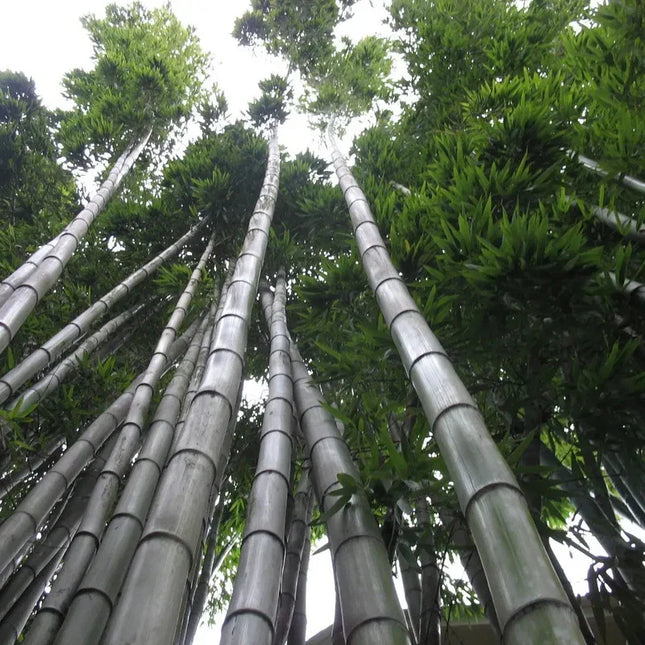
Shipped from Georgia, USA 60 Moso King Bamboo Seeds
Transform your garden into a lush, exotic paradise with Moso King Bamboo (Phyllostachys edulis) — the largest hardy bamboo species in the world! Known for its towering height, strong culms, and elegant form, this giant bamboo can reach up to 75 feet tall in ideal conditions. Its smooth green canes and dense foliage create a stunning natural privacy wall or windbreak while adding a touch of Asian serenity to your landscape. Moso Bamboo is prized not only for its ornamental beauty, but also for its strength, fast growth, and versatility. The wood-like culms are used in crafting, flooring, and construction, while its shoots are edible and highly nutritious. Whether you’re growing it as a majestic focal point or sustainable resource, Moso King Bamboo delivers strength, grace, and long-lasting impact. 🌱 Why Grow Moso King Bamboo (Phyllostachys edulis) Seeds? 🎋 World’s largest cold-hardy bamboo, reaching heights up to 75 ft. 🏡 Perfect for privacy screens, windbreaks, or ornamental landscapes. ⚡ Fast-growing, durable, and eco-friendly — one of nature’s strongest plants. 🌿 Produces edible bamboo shoots and beautiful canes used in crafts and furniture. ❄️ Hardy in Zones 6–10 and adapts well to most soil types. 🌿 Growing Tips Light: Full sun to partial shade. Soil: Well-drained, fertile, and slightly acidic soil. Water: Keep soil evenly moist but not soggy during early growth. Germination: Soak seeds 24 hours; sow ¼ inch deep in moist compost. Temperature: Maintain 70–85°F for best germination (10–25 days). Spacing: 8–10 ft apart for screening or clusters. Pro Tip: Once established, Moso Bamboo spreads through rhizomes — plant in a contained bed or use root barriers to control spread. ❓ Frequently Asked Questions (FAQ) How tall does Moso King Bamboo grow?In ideal conditions, it can reach 60–75 feet tall with thick, strong culms. Is it cold-hardy?Yes! It’s hardy to Zone 6, tolerating brief freezes once established. Can Moso Bamboo grow indoors?It’s best suited for outdoor landscapes, but young plants can be started indoors before transplanting. How long until it reaches maturity?Culms reach full height within one growing season, with maturity in 3–5 years. How do I prevent bamboo from spreading?Install rhizome barriers or plant in large containers to control its growth area. Where to Buy Moso King Bamboo Seeds for Sale? At Seeds World, we proudly offer fresh, high-quality Moso King Bamboo (Phyllostachys edulis) seeds with excellent germination rates. Whether you’re creating a lush privacy hedge or cultivating bamboo for its strength and beauty, our seeds ship fast across the U.S. so you can start growing your bamboo grove in no time!
$15.99 $14.99
-


Shipped from Spring Branch, Texas, USA 1500 Large Tasmanian White Poppy Seeds
Create a breathtaking garden display with Large Tasmanian White Poppy Seeds, a highly sought-after heirloom variety known for its elegant pure-white petals, tall stems, and show-stopping presence. These poppies bloom with large, silky flowers that sway gracefully in the breeze, bringing classic beauty to flower beds, wildflower meadows, and cottage-style landscapes. Tasmanian White Poppies thrive in full sun, grow quickly, and produce abundant blooms from late spring through summer. Their striking white flowers make them ideal for fresh-cut arrangements, dried bouquets, pollinator gardens, and ornamental borders. Easy to grow and suitable for beginners, these poppies reward gardeners with long-lasting, luminous blooms that brighten any outdoor space. At Seeds World, you receive fresh, high-quality seeds selected to ensure vigorous germination and strong, healthy plants. 🌱 Why Grow Tasmanian White Poppy Seeds? Stunning large white flowers that illuminate any garden Fast-growing and easy even for beginners Excellent for cut flowers and floral arrangements Loved by bees, butterflies, and beneficial pollinators Adds elegance to borders, meadows, pathways & cottage gardens 🌿 Growing Tips Sow: Sprinkle seeds on the soil surface; do not cover (they need light). Timing: Direct sow in early spring or fall for best results. Light: Full sun preferred. Soil: Well-draining, moderately fertile soil. Water: Keep evenly moist until established. Spacing: 8–12 inches apart. Bloom Time: Late spring to early summer. Poppies dislike transplanting—direct sowing gives the best germination. ❓ Frequently Asked Questions (FAQ) Are Tasmanian White Poppies hard to grow?No! They are easy to grow from seed and thrive in most sunny gardens. Can I start these indoors?You can, but direct sowing outdoors yields much better results. How tall do these poppies get?Plants typically grow 24–36 inches tall with large, elegant blooms. Are these annual or perennial?They are annuals, but often self-seed for natural returns. Are the flowers good for cutting?Yes! Their large white petals make them excellent for bouquets. Where to Buy Tasmanian White Poppy Seeds for Sale? At Seeds World, we offer fresh, high-quality Tasmanian White Poppy Seeds with fast U.S. shipping. Start your flower garden with seeds you can trust!
$16.99 $14.49
-


50 Hardy Fuchsia Seeds – Elegant, Cold-Tolerant Perennial Blooms
Add graceful beauty to shaded gardens with Hardy Fuchsia Seeds, a stunning perennial known for its delicate, pendulous blooms and exceptional cold tolerance. Unlike tropical fuchsias, hardy varieties can survive winter conditions and return year after year with vibrant flowers that attract hummingbirds and pollinators. These elegant plants produce eye-catching blooms in shades of pink, purple, and red, making them perfect for borders, woodland gardens, containers, and shaded landscapes. Once established, Hardy Fuchsia is low-maintenance, reliable, and a true standout in areas where many flowers struggle. Ideal for gardeners looking to add long-lasting color and movement to partial shade locations. 🌱 Why Grow Hardy Fuchsia Seeds? Cold-hardy perennial that returns each year Stunning, dangling flowers with exotic appeal Thrives in partial shade to filtered sun Excellent for borders, containers & woodland gardens Attracts hummingbirds and beneficial pollinators 🌿 Growing Tips Sowing: Start indoors 8–10 weeks before last frost Seed Prep: Lightly press seeds onto soil surface; do not bury Germination: 21–35 days; keep soil consistently moist Light: Partial shade to morning sun Soil: Well-drained, rich soil Water: Regular watering; avoid waterlogged soil Hardiness: Perennial in USDA Zones 6–9 (mulch in colder areas) 💡 Tip: Mulch heavily in winter for best cold protection. ❓ Frequently Asked Questions (FAQ) Are Hardy Fuchsia plants really cold-tolerant?Yes. Unlike tropical fuchsias, hardy varieties can survive winter temperatures and regrow in spring when properly mulched. Do Hardy Fuchsia seeds need light to germinate?Yes. Do not cover the seeds—light helps trigger germination. Can I grow Hardy Fuchsia in containers?Absolutely. Containers work well, especially in shaded patios or balconies. When will the plants bloom?Blooms typically appear in late spring through summer, sometimes into early fall. Are these seeds non-GMO?Yes, all Seeds World seeds are non-GMO and untreated. Where to Buy Hardy Fuchsia Seeds for Sale?At Seeds World, we offer fresh Hardy Fuchsia seeds, carefully packaged for quality and fast U.S. shipping, so you can grow with confidence and success.
$19.99 $16.95
-


Shipped from USA Maximilian Sunflower Seeds – Tall Perennial Wildflower for Pollinators
Bring height, color, and irresistible wildlife appeal to your garden with Maximilian Sunflower (Helianthus maximiliani) Seeds — a hardy North American perennial known for its towering 3–8 ft stems and bright yellow blooms. These long-lasting flowers attract bees, butterflies, and birds, while the plant’s nutrient-rich tubers once served as a food source for Native Americans. Easy to grow in nearly any soil — from sandy to clay — Maximilian Sunflowers thrive in full sun to partial shade and bloom late summer through fall. Their natural drought tolerance, low maintenance needs, and ability to multiply make them a favorite for prairie gardens, wildlife plots, and large naturalized landscapes. Whether you're creating a pollinator haven, restoring native habitat, or adding bold vertical color to the garden, this wild perennial delivers stunning results year after year. 🌱 Why Grow Maximilian Sunflower Seeds? Perennial beauty—returns every year with bright yellow 3" bloomsLoved by pollinators—attracts bees, butterflies & hummingbirdsWildlife friendly—birds enjoy the seeds; deer browse foliageDrought-tolerant & tough—thrives in poor soils and variable weatherPerfect for meadows, borders & mass plantingsNative plant—excellent for natural landscapes & habitat restoration 🌿 Growing Tips Cold stratify seeds for stronger germinationSoak overnight to soften the seed coatLight helps germination—press seeds into soil surface, do not buryKeep soil lightly moist until sprouts appearThrives in full sun, tolerates some shadeIdeal soil: sandy, loamy, clay, or well-drainedMature height: 3–8 ft ❓ Frequently Asked Questions (FAQ) Do Maximilian Sunflowers come back every year?Yes — they are true perennials and return bigger each year. Do the seeds need cold stratification?Yes, cold stratifying helps break dormancy and improves germination. How tall do Maximilian Sunflowers grow?Mature plants typically reach 3–8 ft tall. Are they good for pollinators?Absolutely! Bees, butterflies, and birds rely heavily on these blooms and seeds. Are they drought-tolerant?Yes — once established, they thrive in dry or average soil with minimal care. Can I grow them in containers?Due to their size and deep root system, they grow best in the ground. Where to Buy Maximilian Sunflower Seeds for Sale?At Seeds World, we provide fresh, high-quality Maximilian Sunflower Seeds with fast U.S. shipping so you can start growing your vibrant perennial sunflower garden with confidence.
$8.99 - $17.99
-


Shipped from Indiana, USA 35 Purple Dead-Nettle Seeds – Organic Lamium Purpureum
35 Purple Dead-Nettle Seeds – Organic Lamium Purpureum Looking for Purple Dead-Nettle seeds for sale? These organic Lamium Purpureum seeds grow into vibrant purple flowering plants that benefit pollinators and can be enjoyed as edible spring greens. A member of the mint family, this variety is not related to true nettles and does not sting. Why Grow Purple Dead-Nettle? 🟣 Attracts bees & pollinators – excellent early nectar source in spring 🥗 Edible young leaves – great for salads, stir-fries, and sauces 🌿 Fast-growing and easy to establish in most climates ☀️ Thrives outdoors – full sun to partial shade 📦 Sealed pack of 35 seeds – ships from the USA What’s in the Pack? Each pack includes 35 organic Purple Dead-Nettle seeds, carefully selected for viability. Ideal for backyard gardens, pollinator habitats, or permaculture projects. Planting Instructions Best Time to Plant: Early spring or fall Soil: Well-draining, slightly moist Light: Full sun to partial shade Depth: Lightly pressed into soil, do not bury deeply Watering: Keep soil moist during germination (7–14 days) FAQs Is Purple Dead-Nettle the same as stinging nettle? No, it is not related to stinging nettle. Purple Dead-Nettle is part of the mint family and does not sting. Is it edible? Yes! The young leaves and tops can be eaten raw in salads or cooked like spinach or kale. Is it good for bees? Absolutely. It’s one of the earliest food sources for bees in spring, especially in March and April. Where to buy Purple Dead-Nettle seeds for sale? At Seeds World, we offer fresh, organic Purple Dead-Nettle seeds with fast U.S. shipping and affordable pricing.
$14.99 $9.99
-


Ships from Kennett Square, Pennsylvania, USA Heritage Everbearing Raspberry Seeds
Grow your own delicious, juicy raspberries right at home with our Heritage Everbearing Raspberry Seeds—a classic, reliable, and disease-resistant variety loved by gardeners and growers across the USA. Heritage produces two abundant harvests per year: a light crop in early summer and a heavy, premium-quality fall crop packed with rich flavor. These vigorous plants grow well in containers, raised beds, or traditional garden rows. Heritage raspberries are known for their firm texture, deep red color, exceptional sweetness, and ability to thrive in a wide range of climates. Perfect for fresh eating, baking, preserving, smoothies, and freezing. Whether you're starting a berry patch or expanding your backyard orchard, Heritage Everbearing Raspberry Seeds deliver year-round satisfaction and high yields. 🌱 Why Grow Heritage Everbearing Raspberry Seeds? Long-season producer: summer + fall harvests Delicious, sweet, high-quality berries Thrives in zones 4–9 with great cold resistance Perfect for containers, small gardens, and homesteads Disease-resistant and easy to grow Ideal for fresh eating, jams, desserts, freezing, and more 🌿 Growing Tips Start seeds indoors 8–10 weeks before last frost Keep soil consistently moist—not soggy Transplant to full-sun location with rich, well-drained soil Space plants 2–3 ft apart Add mulch to conserve moisture and suppress weeds Prune canes annually to boost production Provide a trellis or support for best fruiting ❓ Frequently Asked Questions (FAQ) How long do raspberry seeds take to germinate?Germination can take 14–30 days with consistent warmth and moisture. When will the plants produce fruit?Typically in the second year, with everbearing varieties producing two crops annually. Can I grow raspberries in pots?Yes! Use a large container (5+ gallons) with good drainage. Do raspberries need full sun?Yes—at least 6 hours of direct sunlight daily for best yields. Are Heritage raspberries hardy?Very—suitable for USDA Zones 4–9. Where to Buy Heritage Raspberry Seeds for Sale?At Seeds World, we offer fresh, high-quality Heritage Everbearing Raspberry seeds with fast U.S. shipping so you can enjoy homegrown berries with ease.
$9.99 - $24.99
-


1 Tuberose Bulb The Pearl – Fragrant Polianthus
Few flowers can match the intoxicating fragrance of Tuberose 'The Pearl'. This premium double-petaled variety has been treasured for centuries — in gardens, bridal bouquets, and the world's finest perfumes. Plant one bulb and let it fill your outdoor space with its rich, sweet scent all summer long. With tall, elegant stems and clusters of pure white blooms that open in succession, it's as beautiful as it is unforgettable. What You Get ✅ 1 Tuberose bulb – 'The Pearl', size 12/14 CM (premium grade) Plant Highlights 🪷 Double-Petaled White Blooms — elegant clusters on tall, sturdy stems 🌸 Intensely Fragrant — one of the most scented flowering bulbs available ☀️ Bloom Time: Summer to early fall 📏 Height: 24–36 inches 🌿 USDA Zones: 8–11 (grow as annual in cooler climates) ✂️ Excellent Cut Flower — long-lasting in vases with exceptional fragrance indoors 🪨 Uses: Borders, flower beds, patio containers, cutting gardens Specifications Variety: Polianthes tuberosa ‘The Pearl’ Bulb Size: 12/14 CM (premium grade) Flower Color: White, double-petaled Light: Full sun Soil: Well-drained, moderately fertile Watering: Moderate — keep moist during active growth Planting Guide When to plant: Spring, after the last frost, when soil is warm (60°F+) Depth: Plant 2–3 inches deep with the pointed end facing up Spacing: 6–8 inches apart Location: Full sun, sheltered from strong winds In colder zones: Lift bulbs after the first frost and store in a cool, dry place over winter Frequently Asked Questions When will my Tuberose bulb bloom? Expect blooms in mid-to-late summer, continuing into early fall. Flowers open gradually in succession, extending the display over several weeks. Is Tuberose 'The Pearl' a perennial? Yes, in USDA Zones 8–11 it returns year after year. In colder climates, dig up the bulbs after the first frost and store them indoors over winter to replant in spring. How fragrant is it really? Tuberose is considered one of the most intensely fragrant flowering bulbs in the world. Its rich, sweet scent is a key ingredient in many luxury perfumes — even a single stem can fill a room. Can I grow Tuberose in a container? Yes! It grows beautifully in pots and containers. Use a deep pot (at least 12 inches), well-draining soil, and place in a sunny spot on your patio or balcony. What does the 12/14 CM bulb size mean? This refers to the circumference of the bulb. A 12/14 CM bulb is a premium, mature-grade bulb that is more likely to bloom in its first season compared to smaller sizes.
$37.99 $19.99
-


Shipped from Wilmington, California, USA Japanese Flowering Cherry Seeds (Prunus serrulata)
Japanese Flowering Cherry Seeds (Prunus serrulata)Start a distinctive landscape tree from seed. This page sets clear expectations about the packet, pretreatment, germination and the years required to reach mature form.Why Choose Japanese Flowering Cherry Seeds (Prunus serrulata)? A hands-on way to grow a long-lived landscape plant Clear seed-preparation and sowing guidance Transparent expectations about seedling variation and maturity What’s in the PackOne seed packet in the seed count selected above.Seed-grown expectations: Natural variation can occur, and seedlings are not guaranteed to reproduce an exact parent color, shape or growth rate.Growing Information Light: Full sun to partial shade, depending on species and climate Water: Keep evenly moist during germination and establishment Life cycle: Perennial woody plant Best sowing period: Spring after any required pretreatment Planting Instructions Woody seed may require soaking, scarification or moist cold stratification; requirements vary by species. Sow in a deep, free-draining container and protect the young root system from drying. Maintain steady moisture without waterlogging. Transplant after a strong root system develops and acclimate seedlings gradually. Frequently Asked QuestionsWhat is included with my order?One seed packet in the seed count selected above.Will the mature tree match the photos exactly?No. Photos show a mature or parent reference, while seed-grown foliage, color and form can vary.Does the seed need special preparation?Many tree seeds benefit from soaking, scarification or moist cold stratification; use species-appropriate treatment.How long does germination and maturity take?Germination may take weeks or months, and mature landscape form can take years.Can I start it in a container?Yes. Use a deep draining pot, then plan for permanent outdoor space as the tree matures.What light and water work best?Provide full sun to partial shade and steady moisture during germination and establishment.
$16.99 - $34.99
-


Shipped from USA 100 Mixed Succulent Seeds
100 Mixed Succulent SeedsGrow sculptural, drought-adapted plants from seed and enjoy the natural variation that makes each seedling distinct. The page is designed to answer the questions that matter before purchase: what is supplied, what preparation may be needed and what results are realistic.Why Choose 100 Mixed Succulent Seeds? A hands-on way to grow the plant from its earliest stage Clear preparation, sowing and care guidance Transparent expectations about germination, maturity and seedling variation What’s in the PackApproximately 100 seeds in one packet.Seed-grown expectations: Photos and parent or mix names are references; seed-grown color, form, flavor and growth can vary.Growing Information Light: Bright light with gentle morning sun for young seedlings Water: Keep lightly moist during germination, then allow more drying as plants establish Life cycle: Perennial succulent Best sowing period: Spring or summer indoors Planting Instructions No cold stratification is normally needed. Surface-sow on sterile, fine, fast-draining mix; cover for humidity while providing regular airflow. Maintain steady moisture without leaving the medium waterlogged. Provide strong, appropriate light after emergence and acclimate seedlings gradually before outdoor planting. Frequently Asked QuestionsWhat is included with my order?Approximately 100 seeds in one packet.Will the mature plant match the photos exactly?Photos and parent or mix names are references; seed-grown color, form, flavor and growth can vary.Does the seed need special preparation?No cold stratification is normally needed.How long does germination and maturity take?Germination often takes several weeks and mature form develops gradually over months.Can I grow it in a container?Well suited to shallow containers with drainage.What light and watering conditions work best?Bright light with gentle morning sun for young seedlings. Keep lightly moist during germination, then allow more drying as plants establish.
$15.99 $14.95
-


Shipped from USA Red Abyssinian Banana Seeds (Ensete ventricosum) – 5 Seeds
Grow Red Abyssinian Banana –Musa Ensete ventricosum Seeds for beds, borders, containers, and pollinator plantings where the species is appropriate. This listing gives you clear quantity, realistic seed-starting expectations, and the key decisions to make before sowing. Why Choose These Seeds Product identity and quantity are presented clearly Practical sowing guidance for a stronger start Realistic expectations about germination and seed-grown variation Useful for gardeners who want control over placement and growing conditions At a Glance Plant Red Abyssinian Banana –Musa Ensete ventricosum Seeds Order contents One order contains 5 seeds, as stated in the title. Best for beds, borders, containers, and pollinator plantings where the species is appropriate Success starts with Fresh mix, correct moisture, suitable temperature, and patience How to Start Use a clean, well-drained seed-starting mix and follow the species’ light or stratification needs. Sow at a depth appropriate to seed size; dust-like seed is usually surface sown. Keep the medium evenly moist, never saturated, and provide good air circulation. Harden seedlings off gradually before moving them to their permanent site. Set expectations: Seed-grown plants can vary in color, form, vigor, and bloom or harvest timing. Photos show a representative mature result, not the appearance of the seed packet or a guaranteed individual plant. Seed-grown plants can vary in color, form, and flowering time; photos show the mature type, not a guaranteed individual result. Frequently Asked Questions What exactly will I receive?One order contains 5 seeds, as stated in the title. Is Red Abyssinian Banana –Musa Ensete ventricosum Seeds a good fit for my garden?Confirm mature size, light, climate, and local restrictions before planting. Beds, borders, containers, and pollinator plantings where the species is appropriate are the intended use. Should I start the seeds indoors or direct sow?Either can work depending on the species and climate; indoor starting offers closer control, while direct sowing reduces transplant disturbance. How long will germination take?Timing varies by species, seed treatment, temperature, moisture, and seed dormancy. Do not discard a properly maintained tray simply because emergence is uneven. Will every plant look exactly like the photos?No. Seed-grown plants can vary in color, form, vigor, and bloom or harvest timing. Are there safety or local planting concerns?Seed-grown plants can vary in color, form, and flowering time; photos show the mature type, not a guaranteed individual result.
$21.99 $19.95
-


Shipped from Louisiana, USA 500 Forget-Me-Not Mix Seeds
500 Forget-Me-Not Mix SeedsAdd Forget-Me-Not Mix Seeds to beds, borders or containers with clear sowing guidance and honest seed-grown expectations. The page explains packet contents, preparation, light and watering so shoppers can decide confidently.Why Choose 500 Forget-Me-Not Mix Seeds? Suited to beds, borders or containers where appropriate Clear preparation, sowing and care guidance Seed-grown color and growth expectations stated before purchase What’s in the PackApproximately 500 seeds in one packet.Seed-grown expectations: Natural variation can occur, and germination depends on seed condition, preparation and the growing environment.Important: Named parent, type, color or mix descriptions identify the source presentation; seedlings may vary in color, form, vigor and fruit traits.Growing Information Light: Full sun to light shade according to local heat Water: Keep evenly moist during germination, then water according to the mature plant’s needs Life cycle: Perennial Best sowing period: Spring, or after any recommended dormancy treatment Planting Instructions Some perennial seed germinates more evenly after a cool, moist stratification period; use a clean, well-drained seed-starting mix. Sow in a clean, well-drained medium at a depth appropriate to seed size. Maintain steady moisture without leaving the medium waterlogged. Provide suitable light after emergence and acclimate seedlings gradually. Frequently Asked QuestionsWhat is included with my order?Approximately 500 seeds in one packet.Will the mature plant match the photos exactly?No. The listing identifies the source parent, type or mix, but seed-grown plants can vary in color, form, vigor and fruit traits.Does the seed need special preparation?Some perennial seed germinates more evenly after a cool, moist stratification period; use a clean, well-drained seed-starting mix.How long does germination take?Many seeds begin emerging within one to three weeks under suitable moisture and temperature, though natural variation is normal.Can I grow it in a container?Many seedlings can be started in containers. Long-lived trees, vines and large perennials may eventually require more root space, support or outdoor planting.Are there safety or local planting considerations?Named parent, type, color or mix descriptions identify the source presentation; seedlings may vary in color, form, vigor and fruit traits.
$14.99 $10.04
-


Shipped from Nebraska, USA 1000 Poppy Seeds - Hungarian Breadseed
Papaver Somniferum Seeds - Two-Tone Purple (Blue) Poppies Add a splash of color to your garden with our Two-Tone Purple Papaver Somniferum, also known as the Blue Poppy. These stunning blooms make a vibrant addition from early to mid-summer. Key Features: Height: 32 - 40 inches Spacing: 15 - 18 inches Bloom Time: Early - Mid Summer Planting: Sow outdoors after frost risk passes or indoors before the last frost. Ideal Conditions: Thrives in full sun to partial shade. Prefers average soil and moderate watering. Grow these eye-catching poppies for a mesmerizing display each year, thanks to their reseeding capability. Perfect for gardeners seeking both beauty and ease of maintenance.
$16.99 $15.97
-


Giant Oxheart Tomato Seeds – 30 Seeds
Grow Giant Oxheart Tomato Seeds for food gardens and containers with suitable space and growing conditions. This listing gives you clear quantity, realistic seed-starting expectations, and the key decisions to make before sowing. Why Choose These Seeds Product identity and quantity are presented clearly Practical sowing guidance for a stronger start Realistic expectations about germination and seed-grown variation Useful for gardeners who want control over placement and growing conditions At a Glance Plant Giant Oxheart Tomato Seeds Order contents Choose from the available options shown on the page (Color: Mix, 1, 2, 3, 4, 6, 7, 8, 9, 10). Best for food gardens and containers with suitable space and growing conditions Success starts with Fresh mix, correct moisture, suitable temperature, and patience How to Start Start in a clean seed-starting mix or direct sow when conditions suit the crop. Sow at a depth appropriate to seed size; very small seed needs only a light covering. Keep evenly moist, provide strong light after emergence, and thin crowded seedlings. Transplant after hardening off and when outdoor temperatures are appropriate for the crop. Set expectations: Seed-grown plants can vary in color, form, vigor, and bloom or harvest timing. Photos show a representative mature result, not the appearance of the seed packet or a guaranteed individual plant. Seeds are sold for planting. Confirm crop-specific food safety, harvest maturity, and preparation guidance before eating any plant part. Frequently Asked Questions What exactly will I receive?Choose from the available options shown on the page (Color: Mix, 1, 2, 3, 4, 6, 7, 8, 9, 10). Is Giant Oxheart Tomato Seeds a good fit for my garden?Confirm mature size, light, climate, and local restrictions before planting. Food gardens and containers with suitable space and growing conditions are the intended use. Should I start the seeds indoors or direct sow?Either can work depending on the species and climate; indoor starting offers closer control, while direct sowing reduces transplant disturbance. How long will germination take?Timing varies by species, seed treatment, temperature, moisture, and seed dormancy. Do not discard a properly maintained tray simply because emergence is uneven. Will every plant look exactly like the photos?No. Seed-grown plants can vary in color, form, vigor, and bloom or harvest timing. Are there safety or local planting concerns?Seeds are sold for planting. Confirm crop-specific food safety, harvest maturity, and preparation guidance before eating any plant part.
$12.99 - $16.19
-


Shipped from El Monte, California, USA 100 Strawberry Seeds – Selected Parent Types
100 Strawberry Seeds – Selected Parent Types Grow strawberries from seed while keeping expectations realistic: each option represents a selected supplier parent type, and seedlings can differ from the fruit or plant shown in the reference photos. Why Choose These Strawberry Seeds? Perennial fruiting plants for garden beds, raised beds, or containers Three clearly labeled parent-type selections Suitable for patient gardeners who enjoy growing plants from seed Honest labeling: fruit size, shape, yield, and flavor are not guaranteed from seed What’s in the Pack 100 strawberry seeds Your selected parent type Botanical group: Fragaria spp. Growing Information Light: Full sun; provide afternoon protection in very hot climates Soil: Fertile, well-draining soil kept evenly moist Life cycle: Perennial Hardiness: Varies by species and parent line; confirm local suitability before permanent outdoor planting Time to fruit: Seed-grown plants commonly need a full growing season or longer before meaningful harvests Planting Instructions For more even germination, cold-moist stratify the seeds for about 3–4 weeks. Press seeds onto moist seed-starting mix. Do not bury deeply; light helps germination. Keep the mix evenly moist, not waterlogged, in bright light at approximately 65–75°F. Transplant after seedlings have several true leaves and outdoor conditions are suitable. Harden seedlings off gradually before moving them into full sun. Frequently Asked Questions Will the plants produce giant strawberries? No specific fruit size can be guaranteed. Seedlings may differ from the parent plant in fruit size, shape, color, yield, and flavor. What does “Parent Type” mean? It identifies the supplier’s selected parent source. It is not a named cultivar and does not promise an exact clone of the photographed fruit. Do strawberry seeds need cold treatment? Many strawberry seeds germinate more evenly after a short cold-moist period, although requirements can vary by seed lot. Can I grow them in containers? Yes. Use a container with drainage and keep the soil evenly moist while providing strong light. Are these seeds certified organic or non-GMO? No certification is claimed for this seed lot.
$14.39 - $14.99
-


Ship from Springfield, Ohio, USA 2000 Dandelion - Taraxacum Officinale Seed
Grow one of nature’s most versatile and beneficial plants with Dandelion (Taraxacum officinale) seeds! Often seen as a humble weed, the dandelion is actually a nutrient-rich herb used for centuries in herbal medicine, cooking, and pollinator gardens. Every part of the plant — from roots to flowers — has value: leaves make a tasty salad green, roots can be roasted into a coffee substitute, and blossoms attract bees and butterflies. This perennial herb is easy to grow, cold hardy, and self-seeding — perfect for naturalized areas, herb gardens, or eco-friendly lawns. Dandelions thrive in full sun and poor soil, requiring little care once established. Whether you’re growing for health, wildlife, or sustainability, dandelions are a must-have in any garden. 🌱 Why Grow Dandelion Seeds? 🌼 Medicinal & Edible Uses – Leaves, roots, and flowers are all beneficial for health and cooking. 🐝 Pollinator Friendly – Provides early nectar for bees and butterflies. 🌿 Low Maintenance – Thrives in poor soil and full sun with minimal care. 🌱 Cold Hardy Perennial – Returns year after year with self-seeding growth. 💧 Detoxifying Herb – Traditionally used to support digestion and liver health. 🌿 Growing Tips When to Plant: Sow in early spring or fall when soil temperatures are above 50°F. Soil: Grows best in well-drained, average soil; tolerates poor soil. Light: Prefers full sun, though it will grow in partial shade. Depth: Sow seeds ¼ inch deep and keep soil moist until germination (7–14 days). Spacing: Space plants 6–8 inches apart for healthy leaf growth. Water: Moderate watering; avoid overwatering. Harvest: Harvest leaves when young for salads; dig roots in fall for tea or roasting. Zones: Hardy in USDA Zones 3–9. ❓ Frequently Asked Questions (FAQ) Are dandelions safe to eat?Yes! Dandelions are entirely edible — from their flowers to their roots — and packed with nutrients like vitamins A, C, and K. Can I grow dandelions indoors?Yes, they grow well in containers with plenty of sunlight, especially near a window or under a grow light. How long do dandelions take to germinate?Seeds usually germinate within 7–14 days in warm, moist soil. Do dandelions come back every year?Yes, they’re hardy perennials that will regrow from roots or self-seed naturally. What are dandelions used for medicinally?Dandelion roots and leaves are traditionally used to support liver function, digestion, and detoxification. Where to Buy Dandelion Seeds for Sale? At Seeds World, we offer fresh, non-GMO Dandelion (Taraxacum officinale) seeds with fast U.S. shipping. Perfect for herbal gardeners, homesteaders, and natural pollinator gardens — these seeds produce a resilient, multipurpose herb that’s as beautiful as it is beneficial.
$14.99 $12.95


