
Products
-


5 Bright Red Plumeria Seeds
Bright Red Plumeria Seeds Sensitive to Cold TemperaturesGrows in 60-65 DegreesSeeds Germinate 7-30 DaysFast GrowingFull SunWell Drained SoilFrangipani Seeds—Growing Instructions To grow your plumeria or frangipani from seeds, follow the tested and proven steps below:1. Moisten the Frangipani SeedsTo hasten the germination process, the seeds need to be plumped up with moisture.The easiest way is to place the seeds between moistened tissue papers. Leave them for 24 hours in a warm environment. You will notice that the thicker part of the seeds will swell. The seeds will now be ready for sowing.2. Prepare Potting MixMeanwhile, you can either prepare your own potting mix or buy it ready-made from a nursery. For this project, I used Baba brand 'Seedling Package'. It came with 0.88 lb. (400 gram) peat moss and ten numbers of cultivation pots that are 2 inches (5 cm) deep.If you don't use this cultivation pot often, you can save money by reusing or recycling 0.12 gallon (500 ml) empty mineral bottles. Cut off two-thirds of the bottle and use the bottom one third. Make holes at the base and, after cleaning, your cultivation pot is ready for use.3. Transplant the Swollen SeedsMoisten the peat moss (or potting mix) and make a small hole in the mix.Gently push the plumeria seed about 0.2 inches (5mm) into the mix. Make sure the swollen end is at the bottom and the seed wing is at the top. Allow part of this wing to stick out of the soil.Tenderly press the soil against the side of the plumeria seed.4. Create a Mini Greenhouse EffectPlace these pots in an empty plastic container and cover it to create a mini-greenhouse effect. Place it in a warm, lighted area, but not under full sunlight.Check daily to make sure the soil is not dry. If the topsoil looks dry, mist it with water.5. Wait for the Seeds to GerminateDepending on the freshness of the seeds, it will take from seven days to over a month for them to germinate.Most of the time, the leaf will emerge with the remains of the husk still attached. It will drop off as the leaves grow bigger.If any of the seedlings show signs of mold during the germination process, treat it immediately with a mild fungicide.6. Remove the Husk If It Sticks to the CotyledonsThe husk will usually fall off by itself, but occasionally this may not happen soon enough. If these husks are not removed from the cotyledons (i.e. the embryonic first leaves of the seedling), the seedlings might rot and die.You may have to assist by spraying it with a fine mist and gently removing these husks.7. Transplant the SeedlingsOnce you see a new set of leaves and the seedling is more than three inches tall, you can start to transplant it to a bigger pot.Gently remove the seedling from the cultivation pot and, together with the peat moss (or your potting soil), transplant it to the new and bigger pot.In my case, the plumeria plant will finally be planted in the ground. So, I reused an empty 2.5 gallon (9.5 liters) empty mineral bottle as the pot for transplanting. It is also lighter and easier to move around.Potting SoilI prepare my own potting soil using one part peat moss, two parts finely crushed clay bricks, and three parts garden topsoil. You can do similar 'recipe' or buy ready-made potting soil.Once you have it transplanted, water it every alternate day, but make sure the soil is not waterlogged.You can now introduce fertilizer that is high in phosphorus content to help your young plumeria grow strong and healthy. I use the organic fertilizer that is a mixture of cedars, cypress, pines, and plantains. I use it once a week.8. Move the Plants to Full Direct SunlightPlumeria or Frangipani loves direct sunlight, but this must be done gradually. A week is about just right for this 'moving transition period' from shaded to direct and stronger sunlight.You start by putting them in a shady and protected area. Leave them for a few hours. Increase the time for the next few days until it is a full day exposure but still under the shade. During this period, keep nudging the plants to be closer to the full sunlight. After a week of doing this, the plants will be ready to be exposed to full sunlight on a daily basis.
$15.99
-


5 Bulbs Leucojum Aestivum - Summer Snowflake
5 Bulbs Leucojum Aestivum - Summer Snowflake Perennial, Zones:3-9, Deer Resistant Leucojum(Summer Snowflake) is an uncommon spring bulb that's easy, reliable, and cold-hardy. The plants have strappy, shiny green leaves and delicate white flowers that are suspended from slender, 20 inches stems.The blossoms resemble Victorian lampshades trimmed with green dots. These adaptable naturalizing spring blooming bulbs are a great addition to the woodland garden and look great when planted under trees.They do best in medium to moist soil, and rich soil and once established require minimal care. These snowdrops are fragrant and showy! A long-lived, trouble-free perennial. Deer Resistant. Plant October thru January for Fantastic Blooms in the Spring. Bulbs size: 7-8CM (around)Planting depth 4-5" and 3-5" apart.• Snowdrops bulbs for sale: 6pc• Hardiness Zones 3-9• Mature Height 6-10 inches• Bloom Time: Late winter-very early spring• Light Requirements Full Sun, Half Sun / Half Shade
$39.99
-


5 Butterfly Magnolia Seeds
Latin Name Pronunciation: mag-nole'ee-uh An excellent specimen or landscape tree. Plant Magnolia in full sun or partial shade in moist, well-drained, slightly acid soil. Pruning requirements are minimal—remove dead or broken branches in late winter or early spring when the plant is dormant. Other pruning can be done as needed after bloom. In mid-spring, before its leaves appear, ‘Butterflies’ covers itself with glorious, 4-5” yellow flowers that sit upright on the branches. After 10 years, plants will reach about half their full size. Hardiness Zone: 5-8S/9W Exposure: Sun to Part ShadeBlooms In: MayHeight: 20-30' Spacing: 15-20'Deer Resistance: Yes
$15.99
-


5 Chilean Jasmine - White Star Seeds
Add a touch of elegance to your garden with Mandevilla laxa, also known as Chilean Jasmine or White Star. These seeds produce stunning, fragrant white flowers that bloom throughout the summer, making them perfect for creating a captivating and aromatic outdoor space. Specifications Botanical Name: Mandevilla laxa Common Names: Chilean Jasmine, White Star Flower Color: White Blooming Season: Late spring to early fall Growth Habit: Climbing vine Light Requirements: Full sun to partial shade Water Requirements: Moderate; drought tolerant once established Hardiness Zones: 9-11 Growing Instructions Sowing: Start seeds indoors 8-10 weeks before the last frost date. Sow seeds in well-draining seed-starting mix, lightly covering them with soil. Light: Place seedlings in a bright location with indirect sunlight. Watering: Keep the soil consistently moist but not waterlogged. Transplanting: Once seedlings are large enough to handle and the danger of frost has passed, transplant them outdoors to a sunny or partially shaded location. Support: Provide a trellis or support for the vines to climb as they grow. Maintenance: Water regularly and feed with a balanced fertilizer during the growing season.
$21.00
-


5 Convallaria Majalis 'Lily of the Valley' Bulbs
Enhance your garden with the delicate beauty and enchanting fragrance of Convallaria Majalis 'Lily of the Valley' bulbs. Known for their lovely bell-shaped flowers and sweet scent, these bulbs will bring a touch of classic elegance to your outdoor space. Season: Best planted in fall USDA Zones: 3–9 Height: 6–12 inches Bloom Season: Late spring to early summer Bloom Color: White Environment: Thrives in partial to full shade Soil Type: Prefers well-draining, fertile soil Deer Resistant: Yes Latin Name: Convallaria majalis Temperature: Tolerant of a range of temperatures, prefers cooler climates Average Germ Time: Bulbs typically sprout within a few weeks of planting Light Required: Partial to full shade Depth: Plant bulbs 1-2 inches deep Sowing Rate: Plant bulbs 4-6 inches apart Moisture: Keep soil consistently moist, especially during growing season Plant Spacing: Space bulbs 4-6 inches apart to allow for spreading Cultivation Instructions: Planting: Plant 'Lily of the Valley' bulbs in well-draining, fertile soil during the fall for best results. Place them in a shaded or partially shaded location to mimic their natural woodland habitat. Watering: Keep the soil consistently moist but not waterlogged. Once established, they require minimal watering, making them a low-maintenance option for your garden. Maintenance: Little maintenance is needed. Allow the foliage to die back naturally to nourish the bulbs for the next growing season. Divide every few years to prevent overcrowding and maintain vigor. Hardiness: Suitable for USDA Zones 3–9, 'Lily of the Valley' is cold-tolerant and thrives in a variety of climates, from chilly northern winters to warm southern springs. Propagation: easily propagated by division, making it simple to expand your garden or share with fellow gardening enthusiasts.
$42.00
-


5 Dark Pink Orange Plumeria Seeds
Dark Pink Orange Plumeria Seeds | Frangipani Grow vibrant Dark Pink Orange Plumeria with these easy-to-germinate seeds. Known for their exotic flowers and fast growth, Plumeria thrives in warm climates and full sun, adding tropical beauty to gardens or pots. Key Features: Temperature: 60–65°F Germination: 7–30 days Light: Full Sun | Soil: Well-drained Hardiness: Sensitive to cold Planting Instructions: Soak Seeds: Place seeds between moist tissue for 24 hours. Prepare Potting Mix: Use peat moss or a well-draining mix in small pots. Plant Seeds: Insert 0.2 inches into soil with the wing exposed. Greenhouse Effect: Cover pots and keep in a warm, lighted area. Transplant: Move seedlings to larger pots after 3 inches tall. Gradually introduce to full sunlight and fertilize weekly for strong growth. Perfect for tropical gardens or sunny indoor spaces!
$14.99
-

5 Dark Purple Chinese Wisteria Seeds
Transform your garden into a breathtaking, fragrant paradise with Dark Purple Chinese Wisteria (Wisteria sinensis) Seeds. Famous for its long, cascading purple flower clusters, this fast-growing ornamental vine brings unmatched elegance to arbors, pergolas, fences, decks, and garden walls. Chinese Wisteria is known for its lavender–deep purple blooms, powerful fragrance, and vigorous growth habit. When trained properly, it becomes a spectacular centerpiece that blooms each spring with waterfalls of color. Whether you're creating a romantic archway or a dramatic floral tunnel, these premium seeds offer the chance to grow a truly iconic landscape masterpiece from scratch. 🌟 Features & Benefits Produces long, stunning dark purple flower clusters Highly fragrant and attractive to bees & butterflies Fast-growing climbing vine (up to 25–40 ft) Perfect for arbors, fences, pergolas & trellises Long-lived perennial that grows more beautiful each year Hardy, low-maintenance, and drought-tolerant once established 🌱 Why Grow Dark Purple Chinese Wisteria Seeds? Grow a luxurious ornamental vine without expensive nursery prices Adds romance & sophistication to any landscape Highly fragrant—perfect for outdoor sitting areas Excellent natural shade provider over pergolas A long-lasting perennial that can live for decades Growing from seed builds a stronger, more resilient vine 🌿 Growing Tips Hardiness Zone: 5–9 Light: Full sun (best blooms) / Part shade Soil: Moist, well-drained soil Water: Moderate; drought-tolerant when mature Height/Spread: 25–40 ft vine Planting Depth: 1–2 inches Germination: 15–45 days (may vary) Planting Instructions Scarify seeds (lightly scratch shell) for better germination. Soak seeds in warm water for 24 hours. Plant in pots or directly outdoors 1–2" deep. Keep soil consistently moist until sprouts appear. Provide a strong support structure—this vine grows vigorously. Prune regularly to shape and encourage flowering. ❓ Frequently Asked Questions (FAQ) Do Chinese Wisteria seeds need scarification?Yes. Lightly scratching the seed coat improves germination. How long until Wisteria blooms?Seed-grown Wisteria can take 2–4 years to produce full flowering. Is Wisteria invasive?Chinese Wisteria is vigorous—prune regularly and provide structured support. Can it grow in pots?Yes, but it will need a large container and strong trellis support. Does it have a strong fragrance?Very! The blooms are highly scented and attract pollinators. Where to Buy Dark Purple Chinese Wisteria Seeds?At Seeds World, we offer fresh, premium Dark Purple Chinese Wisteria seeds with fast U.S. shipping—perfect for gardeners, landscapers, and flower lovers.
$12.99
-
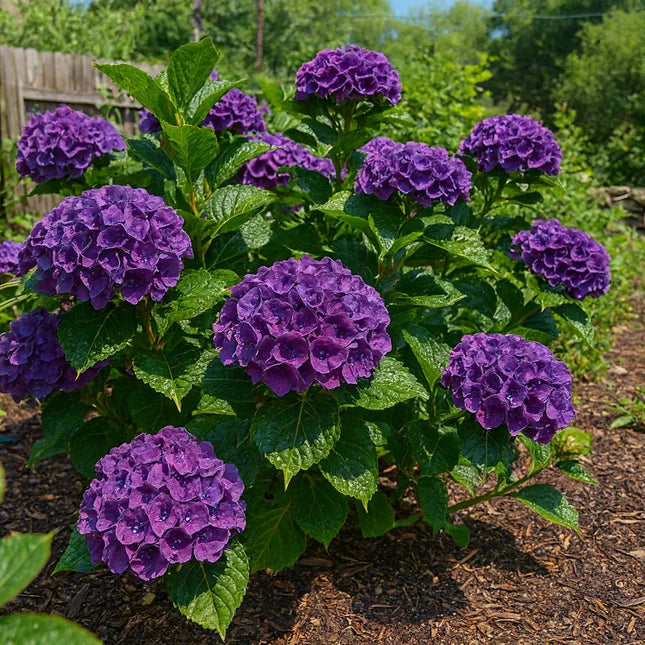

5 Dark Purple Hydrangea Seeds (Hydrangea macrophylla)
Looking for dark purple hydrangea seeds? Start bigleaf hydrangea (Hydrangea macrophylla) from seed and enjoy the process of raising shrubs from the very beginning. Please note: flower color and depth of purple depend on soil pH and aluminum availability, and seed-grown plants naturally vary from named cultivars. Expect 2–3 years to first blooms. Suitable for USDA Zones 6–9 (Zone 5 with winter protection). Why Choose Dark Purple Hydrangea from Seed? Classic bigleaf hydrangea with showy mophead blooms Good for borders or containers; prefers morning sun and afternoon shade Tolerates a range of soils when kept evenly moist Clean, untreated seed—ideal for hobby growers and collectors Transparent note: seed lots may produce a range of pink–violet–purple shades What’s in the Pack? Sealed packet with 5 Hydrangea macrophylla seeds, packed dry for freshness—enough for a small trial or breeding project. Planting Instructions When to sow: Late winter–spring indoors, or after last frost outdoors. Medium: Sterile, well-draining seed mix; pH around 6.0. Sowing: Surface-sow; press gently—light aids germination. Do not bury. Temperature: 68–75°F (20–24°C). Moisture: Keep evenly moist with a mist sprayer; use humidity cover for best results. Germination window: Typically 21–35 days, sometimes longer. Aftercare: Pot up at 2–3 true leaves; harden off gradually; provide partial shade in first summer. Color guidance: Deeper violet–purple tones are more likely in acidic soils with available aluminum (e.g., amend carefully with aluminum sulfate). Results vary by local water and soil. Growing zone: USDA 6–9; protect crowns/mulch in colder regions. FAQs Will the flowers definitely be dark purple? Not guaranteed. Seed-grown Hydrangea macrophylla shows natural variation, and bloom color depends on soil chemistry (pH and aluminum). Expect shades from pink to violet to purple. How long does it take to bloom from seed? Usually 2–3 years to first flowers, depending on climate and care. Where to buy Dark Purple Hydrangea seeds for sale? At Seeds World, we list fresh Hydrangea macrophylla seeds with clear growing guidance and fast U.S. shipping. Each product page explains variability so you know what to expect before you buy. Can I grow them in containers? Yes. Use a large container with rich, well-drained mix; keep evenly moist and provide morning sun with afternoon shade. Do these contain seeds or cuttings? Seeds. Hydrangeas are often propagated by cuttings, but this listing is for seeds only. Any tips for achieving deeper purple tones? Use an acidic mix (target pH ~5.5–6.0) and ensure some aluminum availability. Amend slowly and test soil—over-amending can harm plants.
$14.99 $11.99
-


5 Dark Purple Plumeria Seeds
Bring the tropics to your backyard with Dark Purple Plumeria (Frangipani) — an exotic, fragrant flowering plant known for its rich, velvety purple blooms and intoxicating fragrance. Native to warm, tropical regions, Plumeria produces clusters of star-shaped flowers that symbolize love, beauty, and new beginnings. Perfect for gardens, patios, and container planting, this tropical beauty thrives in warm, sunny climates and offers long-lasting color throughout the growing season. Its deep purple petals fade into lighter lavender or pink tones as they mature, creating a mesmerizing ombré effect. Whether you’re looking to add a tropical touch to your landscape or grow stunning blooms for leis and bouquets, Dark Purple Plumeria is the ideal choice. 🌱 Why Grow Dark Purple Plumeria Seeds? 🌺 Rare Tropical Beauty: Deep purple blooms with a rich, exotic fragrance. 🌤️ Sun-Loving & Heat-Tolerant: Thrives in warm, sunny climates. 🪴 Perfect for Pots or Gardens: Grows beautifully in containers or landscape beds. 🌸 Long Blooming Season: Produces flowers from spring through late fall. 🐝 Pollinator Friendly: Attracts butterflies and bees with its sweet aroma. 🌿 Growing Tips 🌞 Light: Full sun (6–8 hours daily) for best blooming. 🌡️ Soil: Well-drained sandy or loamy soil; avoid overwatering. 💧 Watering: Moderate; allow soil to dry slightly between waterings. 🌱 Temperature: Ideal for USDA Zones 9–11; grow indoors in cooler climates. 🌾 Planting Depth: Sow 1/4 inch deep in moist soil, keep warm (75–85°F). 🌸 Bloom Time: Late spring to fall. 💡 Pro Tip: For quicker blooms, start seeds indoors in biodegradable pots, then transplant once seedlings are strong. ❓ Frequently Asked Questions (FAQ) Are these true Dark Purple Plumeria seeds?Yes! We source authentic Dark Purple Plumeria seeds known for their rich color and sweet tropical scent. Can I grow Plumeria indoors?Absolutely. Use a sunny windowsill or grow light to mimic tropical conditions. How long does it take to bloom from seed?Typically 2–3 years from seed to first bloom under optimal conditions. Is Plumeria easy to care for?Yes, it’s a low-maintenance tropical plant, as long as it gets plenty of sunlight and good drainage. Can it survive winter?In colder zones, bring plants indoors or overwinter them in pots near a sunny window. Where to Buy Dark Purple Plumeria Seeds for Sale? At Seeds World, we offer fresh, high-quality Dark Purple Plumeria seeds — carefully sourced for strong germination and true color. Perfect for home gardeners, tropical enthusiasts, or collectors, these seeds ship fast across the U.S. so you can start growing your paradise today.
$14.99
-

5 Dark Strawberry Hydrangea Seeds Seeds
Dark Strawberry Hydrangea Seeds | Perennial Hardy Shrub Dark Strawberry Hydrangea is a hardy, easy-to-grow flowering shrub that adds vibrant color to any landscape. Blooming from summer through fall, it’s perfect as a specimen plant or for creating colorful shrub borders. Key Features: Zones: 4–9 Bloom Time: Summer–Fall Light: Sun to Part Shade Heat Tolerant: Yes Growing Instructions: Fill seed trays with vermiculite or perlite soil and water thoroughly. Sprinkle 4 seeds per section and cover with plastic wrap. Place in a bright, indirect light area; seeds germinate in 10–14 days. Transplant seedlings to 1-gallon pots when they develop 3–4 leaves. Move pots to a sunny spot and keep soil moist until ready to plant outdoors in late spring. Grow Dark Strawberry Hydrangeas for their stunning blooms and lasting garden appeal!
$12.99
-


5 Dill's Atlantic Giant Pumpkin Seeds
Grow the Biggest Pumpkin on the Block—or in the Country! Ready to make your garden the talk of the town? With Dill's Atlantic Giant Pumpkin Seeds, you're not just growing pumpkins—you're growing legends. Famous for breaking world records, this heirloom variety was first introduced in 1978 by Howard Dill of Nova Scotia and has since become the gold standard in giant pumpkin competitions. These pink-orange, heavily ribbed pumpkins can tip the scales at 200 pounds or more—some growers have even achieved over 1,000 pounds with expert care. Whether you're aiming for the county fair, a jaw-dropping fall display, or just a fun garden challenge, Dill’s Atlantic Giant delivers in size, impact, and bragging rights. 🎃 Key Features: 🏆 Record-Breaking Giant Pumpkins – Grown for exhibitions and competitions🌿 Heirloom & Non-GMO – Naturally open-pollinated for pure, reliable genetics☀️ Loves Full Sun – Thrives in warm-season gardens with plenty of sunlight🐝 Ideal for Fall Displays – Adds show-stopping flair to porches, events & festivals⏳ 120 Days to Maturity – Watch it grow rapidly with the right nutrients and space🧬 Botanical Name: Cucurbita maxima🌱 Life Cycle: Annual | Plant Type: Running Vine 📏 Growing Info: Fruit Size: Up to 200+ lbs Days to Maturity: 120 days Plant Spacing: 6–10 feet Planting Depth: 1 inch Sowing Method: Start Indoors or Direct Sow Light Requirement: Full Sun Cold Stratification: Not Required Hardiness Zones: 3–10 🌟 Tips for Giant Success: Feed heavily with compost and balanced fertilizer Provide plenty of room—vines can spread over 20 ft Water consistently, especially during fruit development Select the strongest fruit and remove others to direct energy into one giant pumpkin ✅ Frequently Asked Questions (FAQ): Q: How big can Dill’s Atlantic Giant Pumpkins get?A: With proper care, spacing, and nutrients, these pumpkins can easily reach 200 pounds or more—some have even topped 1,000 lbs in competitions! Q: Are these seeds safe to eat or use for cooking?A: While edible, these pumpkins are primarily grown for size and display. For cooking, smaller culinary varieties are recommended. Q: Do I need to start these seeds indoors?A: You can start them indoors or direct sow once the soil warms up. Starting indoors gives a head start in shorter growing seasons. Q: How much space do I need?A: These are running vines that need 6–10 feet of spacing—ideally more. Give them room to sprawl and thrive! Q: Are these seeds non-GMO?A: Yes! Dill’s Atlantic Giant is a non-GMO, open-pollinated heirloom variety.
$11.99
-


5 Dioscorea Elephantipes Seeds
Introduce a truly unique treasure to your collection with Dioscorea elephantipes, commonly known as the "Leg of Elephant" plant. This rare caudex plant is a natural marvel, prized for its striking appearance and hardy character. Its bulbous, textured caudex resembles the rough skin of an elephant's leg, making it a standout in any plant collection. Native to South Africa, this slow-growing gem thrives in bright, indirect light and well-drained soil, requiring minimal care—perfect for plant enthusiasts and collectors alike. Dioscorea elephantipes produces climbing vines with heart-shaped leaves during its growing season, adding a touch of greenery to its rugged base. Over time, its caudex develops intricate, geometric patterns, enhancing its visual appeal. Dioscorea Elephantipes Specifications: Season: Perennial USDA Zones: 9-11 Height: Up to 6 feet (vine length) Bloom Season: Spring Bloom Color: Greenish-yellow Environment: Partial shade Soil Type: Well-drained, sandy Latin Name: Dioscorea elephantipes Temperature: Prefers 50-75°F Average Germ Time: 4-6 weeks Light Required: Light shade Depth: Surface sow; light covering Moisture: Moderate, allow soil to dry between waterings Plant Spacing: 3-5 feet apart This rare plant not only captivates with its unique aesthetic but also serves as a conversation starter. Ideal for bonsai displays, xeriscapes, or indoor arrangements, Dioscorea elephantipes combines natural artistry with ease of maintenance. Bring home the "Leg of Elephant" and elevate your plant collection with this living sculpture.
$17.99
-


5 Elephant Foot Yam - Amorphophallus Paeoniifolius Seeds
Amorphophallus paeoniifolius / Dracontium polyphyllum / Amorphophallus sativusBotanical nomenclature: Amorphophallus paeoniifolius / Dracontium polyphyllum / Amorphophallus sativusCommon name: Elephant Foot Yam, Whitespot Giant Arum, Suran, Pongapong, ChenaFamily: AraceaeA giant aroid that grows an enormous, single pinnate leaf on a thick, fleshy stalk from a huge, bowl-shaped tuber, about 30 cm (1 ft.) in diameter. When the leaf wilts in Winter or the dry season and the plant goes into dormancy, the tuber can be dug up and stored dry. Before a new leaf is produced, mature plants can sprout a giant, maroon inflorescence that is truly a spectacular sight, but emits a rather unpleasant smell. This giant aroid has been cultivated for centuries in the Indopacific region for the edible tuber and its native origins are obscured today.
$24.95
-


5 Fancy Mix Caladium Bulbs
Fancy-Leaf Mix Caladium Bulbs~Mixed Colors Caladium need warm temperatures in order to grow. The soil should be 65°F-70°F before planting. If you live in a colder climate, you can start your bulbs inside. Caladium, a small tropical American genus, has given rise to numerous hybrids that are prized for their foliage and preference for shade. The leaves blend deep greens, intense reds, pinks, and white in patterns that range from elegant to energizing. To perform well, they need heat, ample moisture, and regular feeding.Please note that caladium bulbs will not sprout until temperatures are consistently above about 60 degrees, so depending on where you live that may not be until March, April, or later. Bulbs should be stored in an area that is dry but not too cool, these are tropical plants! Cultivating Difficulty: Easy Sunlight: Low Sun, Medium Sun Genus: caladiumPlant Form: Bulb Common Name: Caladium
$44.99 $39.99
-


5 Fatsia Japonica Hardy Japanese Aralia Seeds
Fatsia japonica HARDY JAPANESE ARALIA Seeds The Japanese Fatsi is an evergreen shrub native to Japan. It has huge glossy 12 - 16" wide tropical-looking leaves. Perched on top of upright stems, each leaf has 8 deep lobes. In old Japanese, fatsia meant eight, hence the name. These plants are very ornamental! On top of the wonderful foliage, they also have ringed trunks & lovely clusters of white flowers in round balls. Bees & butterflies enjoy the flowers, & birds love to eat the showy ornamental berries later in the season. The Fatsia doesn’t mind being pruned to a smaller size, so can be grown in containers & they make a wonderful houseplant or bonsai tree. Name: Japanese FatsiOther Common Names: Paper plant / Japanese AraliaScientific Name: Fatsia Japonica Syn. Aralia JaponicaColor: White Flowers & Black BerriesPlant Seeds: When Soil Temp Warms to 70fBloom Time: Flowers Late Summer - Mid WinterHarvest: Flowers Turn to Ornamental BerriesHardiness Zone: 7 - 11Plant Height: 8 - 16'Plant Spacing: 10 - 12'Light Requirements: Sun - Part ShadeSoil & Water Preferences: Average
$14.99
-


5 Flowering Pink Dogwood Tree Seeds
Dogwood Tree Cornus Capitata Angustata Kousa Seeds Attracts bees, birds, & butterflies. The birds really love to eat the red berries the tree produces after flowering. Name: Pink Dogwood TreeOther Common Names: Evergreen DogwoodScientific Name: Cornus Capitata Angustata Syn. Cornus Angustata / Cornus Kousa Angustata / Cornus ElipticaColor: White - Pink Flowers & Red BerriesPlant Seeds: Outdoors After Frost / Fall / Cold Stratify / Indoors Weeks Before Last FrostBloom Time: Late Spring - Early SummerHardiness Zone: 7 - 9Plant Height: 20 - 40'Plant Spacing: 20 - 30'Light Requirements: Sun - Part ShadeSoil & Water Preferences: Average Quantity: 5 Flowering Pink Dogwood Tree Seeds
$15.97
-


5 Forest Pansy Eastern Redbud Seeds
The Forest Pansy Eastern Redbud (Cercis canadensis 'Forest Pansy') is a small to medium-sized deciduous tree celebrated for its dramatic purple leaves and profuse early-spring blooms. Before leaves emerge, the branches burst with rich pink pea-like flowers, creating a striking floral display that attracts bees, butterflies, and early pollinators. Once flowering ends, the tree develops large heart-shaped purple leaves—shifting to shades of plum, bronze, and burgundy throughout the season. Reaching 20–30 feet tall with a graceful rounded canopy, this Redbud variety is ideal for home gardens, front yards, borders, or ornamental focal points. Cold-hardy, drought-tolerant once established, and easy to grow—Forest Pansy Redbud is one of the most rewarding ornamental trees for both beginners and experienced gardeners. 🌱 Why Grow Forest Pansy Eastern Redbud Seeds? Stunning purple foliage spring–fall Pink blossoms in early spring before leaves emerge Highly attractive to bees & pollinators Compact size fits almost any landscape Drought-tolerant & low-maintenance Grows into a beautiful focal point tree 🌿 Growing Tips Light: Full sun to partial shade (best color in full sun) Soil: Well-drained, loamy, moderately fertile Watering: Keep evenly moist during the first year; drought-tolerant later Planting Depth: Scarify and cold stratify seeds for best germination Height: 20–30 ft Spread: 20–25 ft Zones: 4–9 Germination: Redbud seeds require scarification + 8–12 weeks cold stratification ❓ Frequently Asked Questions (FAQ) Do Forest Pansy Redbud seeds need stratification?Yes—scarify the seeds and cold stratify for 8–12 weeks to ensure strong germination. How long does it take for Redbud trees to grow?Seedlings grow quickly and may begin flowering in 3–5 years. Will the purple foliage remain all season?Yes—leaves stay purple, burgundy, or bronze depending on sunlight and climate. Is this tree good for small yards?Absolutely. Forest Pansy typically stays under 30 ft and forms a manageable canopy. Are Forest Pansy Redbuds drought tolerant?Once established, they are very tolerant of heat and short drought periods. Where to Buy Forest Pansy Redbud Seeds?At Seeds World, we provide fresh, high-quality Forest Pansy Eastern Redbud seeds with fast U.S. shipping. Start growing this iconic ornamental tree with confidence—premium seeds for a premium garden.
$17.99 $14.99
-


Shipped from Elko, Nevada, USA 5 Fragrant Wintersweet Seeds
Chimonanthus Praecox / Fragrant Wintersweet Break the dreariness of winter with the fragrant flowers that don the wintersweet. Native to the woodlands in China, this slow-growing shrub with an upright but broad shape can begin to look a bit leggy and unkempt with old age. Chimonanthus praecox is a deciduous shrub, native to China that grows to 10 to 15 feet tall and to 8 to 10 feet wide. It has long been valued in the South for its very fragrant flowers which appear in mid-winter. The flowers appear along the bare wintertime branches and are yellowish-cupped stars with a reddish-purple eye about 3/4 - 1 inch wide. The flowering branches provide a delightful fragrance on warmer afternoons or when cut and brought indoors. In fall, the leaves turn a soft lemon color.Chimonanthus praecox adds a lot of fragrance and a little color to the winter garden. What else but yellow flowers to brighten a cloudy day in January? If you want more plants in bloom during the dead of winter, this large shrub is a must. Plant against a dark backdrop such as evergreen to bring out the yellow flowers.Other Names: Japanese Allspice, WintersweetZone: 7 to 9 (possibly 6)Growth Rate: SlowPlant Type: Deciduous Flowering ShrubFamily: CalycanthaceaeNative Range: ChinaHeight: 10 to 15 feetSpread: 8 to 12 feetShape: Upright spreading to irregular branching.Bloom Time: Mid Winter (January)Bloom Color: YellowFlower/Fruit: Flowers to 1" across with spicy fragrance followed by 1 1/2” elliptic seed pods.Sun: Full Sun to Part ShadeFall Color: YellowDrought Tolerance: Moderate to HighWater: MediumMaintenance: LowSite Requirements /Soil Tolerances: Easily grown in average, medium, well-drained soil in full sun to part shade. Grows somewhat taller in shade than in sun. Tolerant of a wide range of soils, but prefers rich loams.Culture: Can be severely pruned after flowering to rejuvenate.Uses: Specimen near the front door, patio, or other living areas where the fragrant flower aroma may be enjoyed. Shrub borders. Foundations. Native plant areas.
$13.99
-


Shipped from Massillon, OH, USA 5 Ginger | Katsumadai Ginger Seeds
Kat Ginger Pink and Yellow Shell Alpinia Katsumadai Hayata Flower Herb Seeds Kat Ginger has both fragrant wavy foliage & beautiful fragrant flowers. They can be grown as houseplants! The flowers of this Ginger are upright, blooming in huge showy clusters that will attract bees & butterflies. The plants are repeat bloomers that can bloom year-round! They also make a wonderful cut flower. Katsumadai Ginger is native to Asia, & has traditional Chinese medicinal uses. Name: Kat GingerOther common names: Ginger / Katsumadai gingerScientific name: Alpinia Katsumadai HayataColor: Pink and YellowPlant seeds: When soil temp warms to 70fBloom time: Year-round and a repeat bloomerHardiness zone: 7 - 11Plant height: 2 - 4'Plant spacing: 3 - 4'Light requirements: Sun - Part shadeSoil and water preferences: AverageQuantity: 5 Ginger | Katsumadai Ginger Seeds
$16.99
-


5 Hardy Trifoliate Orange Tree Seeds
Hardy Orange - Trifoliate Orange (Poncirus trifoliata) Seeds A Hardy Orange? Yes indeed! And no, this isn’t some newfangled creation – it’s an heirloom species native to parts of China & Korea that have been cultivated for thousands of years. They are valued both for their ornamental value as well as for their edible fruit, & they have traditional medicinal uses too. These deciduous plants are considered a shrub to a small trees – they take pruning well, so can be allowed to bush out or be trimmed into tree form. The Hardy Orange has glossy dark green leaves during the warmer months, & then provides great fall color in jazzy yellow shades as the weather cools. The fruit will remain on the tree throughout the winter if it is not harvested, providing additional interest through all the seasons. The leaves are fragrant, as are the lovely large 2” showy white spring flowers with pink stamens that will attract bees & butterflies. The Hardy Orange can grow in a wide variety of conditions. They tolerate heat & drought well, & are not picky about soil type. They are able to grow in heavy clay soils, sandy soil, & nutritionally poor soil ranging from very alkaline to acidic. Part shade is perfectly acceptable for growing these, although the plants will produce more fruit in full sun. Hardy Orange shrubs have thorns, making them deer & rabbit resistant, & also a great choice for a ‘security’ type hedgerow. Of course one of the main thrillers is the extreme cold tolerance of this bad boy! The Hardy Orange is commonly used as rootstock for other citrus plants to help increase their cold hardiness. I will caution you though, the plants are ‘borderline’ hardy in Zone 5. If you are in Zone 5, you will want to protect your shrubs with some extra mulch for the winter & grow them in a sheltered location if possible. Whether or not the Hardy Orange is technically citrus or is a citrus relative is debated, but after tasting the fruit, I am siding with the citrus camp. The fruit is somewhat bitter with a taste akin to that of a lemon or a grapefruit. You can enjoy it raw, made into juice or jelly, or in any number of recipes from a chutney to smother chicken or in deserts. The fruits start out green & ripen to a deep yellow color in the fall. Hardy Oranges measure 2 - 2 ½” in diameter, & their skin is covered in a light fuzz. They are high in Vitamin C. Each plant can produce as much as 30 pounds of fruit in a season! OTHER COMMON NAMES: Trifoliate Orange / Bitter OrangeSCIENTIFIC NAME: Citrus Trifoliata syn. Poncirus Trifoliata / Citrus Trifolia / Citrus TripteraCOLOR: White Flowers / Orange FruitPLANT SEEDS: Fall / Cold stratify / Outdoors after frost / Indoors weeks before last frostHARVEST: FallBLOOM TIME: Spring (Apr-May)HARDINESS ZONE: 5 - 9PLANT HEIGHT: 12 - 18'PLANT SPACING: 5 - 15'LIGHT REQUIREMENTS: Sun - Part ShadeSOIL & WATER PREFERENCES: Average
$16.99
-

5 Hosta Sagae Blue Gold Variegated Leaves Seeds
Hosta Sagae Blue Gold Variegated Leaves Seeds This great hosta gets blue and gold variegated foliage and this species gets light purple flowers. These plants are extremely beautiful, yet they are very cold and hardy. They are hardy to at least USDA zone 5 and possibly colder. As with seeds of many specific varieties, these may have variations in the outcome of the seedlings, as some plants may have foliage with different colors than the parent variety, the seedlings may also be larger or smaller, and may have other unique characteristics.This variation can also add a degree of excitement to growing these, as you may get some seedlings that have some very unique and desirable characteristics. These plants would make excellent additions to your rare plant collection, or just make a unique statement in your yard.
$14.99
-


5 Hyacinth Multi Color Mix Flower Bulbs
Mixed Hyacinths are richly colored and heavily fragrant perennials that make a magnificent addition to the landscape. This delightful mix of colorful varieties was specially selected as an ideal choice for beds or borders. Bulbs can also be forced to bloom indoors, bringing their bold colors and enticing perfume to the home. Space plants approximately 3 in. to 6 in. apart for best results Loosen the soil to about 10 in. and water well after planting Flowers bloom from February to May Reaches a standard mature height of 7 in. to 12 in. Includes twenty-five 14 cm to 15 cm bulbs Botanical name: Hyacinthus Grows and flowers best in full sun, partial shade SIZE: 15-16 cm Quantity: 5 Hyacinth Multicolor Mix Flower Bulbs
$32.00
-


5 Hydrangea Seeds – Garden-Ready Perennial Beauty
Paint your garden with spectacular clusters of pink, blue, purple, and white. This mixed-color Hydrangea seed pack delivers big, long-lasting blooms on a hardy perennial that returns every year with minimal care. Why Choose These Hydrangea Seeds? 🌸 Show-Stopping Color – multiple shades from a single mix 🌿 Hardy Perennial – cold-tolerant and long-lived 🏡 Versatile – ideal for beds, borders & cut-flower arrangements 🦋 Pollinator Friendly – attracts butterflies & beneficial insects 📦 Compact 5-Seed Pack – perfect for small gardens or trials Planting Instructions Best Time: Late winter to early spring indoors; transplant after last frost Soil: Moist, well-draining; pH 5.5–6.5 for blue, 6.5–7.0 for pink Light: Morning sun & afternoon shade for richest color Sowing Depth: Surface-sow; press gently, do not cover Watering: Keep evenly moist; germination 21–35 days FAQ How long until I see blooms? With proper care, plants typically flower in their second growing season, producing larger clusters each successive year. Do I need to stratify Hydrangea seeds? Yes. A 4-week cold stratification in the refrigerator improves germination rates significantly. Can I control bloom color? Yes. Acidic soil (pH ≤ 6) promotes blue tones, while alkaline soil (pH ≥ 6.5) encourages pink. Amend with sulfur or lime accordingly. Where to buy Hydrangea seeds for sale? At Seed World we stock fresh, laboratory-tested Hydrangea seeds and ship quickly across the U.S., so you receive viable seeds ready to sow.
$13.42 - $13.99
-


Shipped from Ravensdale, WA, USA 5 Hydrangea Seeds – Mixed Colors
5 Hydrangea Seeds – Mixed Color Shrubs Searching for hydrangea seeds for sale? This 5-seed packet lets you grow stunning shrubs in pink, blue, purple & white. Every seedling is genetically unique, giving your garden a one-of-a-kind look. Why Choose Our Hydrangea Seeds? 🌸 Germination Guarantee 85 % – we replace if they don’t sprout 🧊 Hardy Zones 4-9 ☀️ Thrive in sun or partial shade 🔥 High heat tolerance for summer gardens 📦 Sealed 5-pack ships from the USA What’s Inside? Five premium Hydrangea seeds – a random color mix so each plant surprises you at bloom. Planting Instructions When to Sow: Immediately on arrival, or keep cool & dry until spring Sowing Depth: Surface sow – press lightly, do not cover Light: Full sun ➜ partial shade Water: Keep evenly moist; avoid water-logging Germination: Sprouts usually within 14 days FAQ Do these seeds need cold stratification? No. Our cultivar line is pre-conditioned; just sow on moist soil and keep at 70 °F / 21 °C. Are the plants perennial? Yes – Hydrangeas are hardy perennials that bloom year after year in USDA zones 4-9. How do I influence flower color? Soil pH affects pigment: acidic (< 6.0) = blue, neutral to alkaline (> 7.0) = pink-purple. Where can I buy Hydrangea seeds online? Right here at Seeds World – we ship fresh Hydrangea seed packets fast across the U.S. and Canada and back every purchase with an 85 % germination guarantee.
$15.99


You have seen 1200 out of 1940 products