
Products
-


400 Molokhia Seeds (Egyptian Spinach) | Heat-Tolerant Nutrient-Rich Greens
Molokhia, also known as Egyptian Spinach, is a fast-growing, nutrient-dense leafy green treasured across the Middle East and North Africa. This powerhouse plant thrives where other greens struggle—intense heat, drought, and poor soil—making it an excellent choice for summer gardens. Growing up to 6 feet tall, Molokhia produces tender, flavorful leaves that can be harvested continuously. The leaves are delicious cooked or fresh and are commonly used in soups, stews, stir-fries, omelets, and sautés. With outstanding pest resistance and rapid regrowth, Molokhia is a reliable, high-yield green for gardeners of all skill levels. 🌱 Why Grow Molokhia (Egyptian Spinach) Seeds? 🌞 Thrives in extreme heat (90°F+) 💧 Highly drought tolerant ⚡ Super fast growing & high yielding 🌿 Continuous harvest all season 🥬 Packed with nutrients & fiber 🌍 Staple green in Middle Eastern & African cuisine 🌿 Growing Tips Plant Type: Warm-season leafy green Height: Up to 6 feet Light: Full sun Soil: Well-drained, average fertility Water: Moderate; drought tolerant once established Harvest: Pick young leaves regularly to encourage regrowth Planting Notes:Direct sow after frost or start indoors. Thin plants to allow airflow and full growth. Leaves regrow quickly after cutting. ❓ Frequently Asked Questions Is Molokhia eaten raw or cooked?Both! It’s commonly cooked in soups and stews but can also be eaten raw when young. How often can I harvest the leaves?You can harvest continuously throughout the growing season. Is Molokhia beginner-friendly?Yes—it's extremely forgiving, pest-resistant, and easy to grow. Does Molokhia grow well in hot climates?Absolutely. It thrives in high heat where other greens fail. Where to Buy Molokhia Seeds for Sale?At Seeds World, we offer fresh Molokhia (Egyptian Spinach) seeds with fast U.S. shipping. Each order is carefully packed to ensure quality, freshness, and strong germination.
$11.51
-

400 Plain Italian Parsley Seeds
Plain Italian Parsley Seeds | Flat-Leaf Herb | NON-GMO Genus/Species: Petroselinum crispum Variety: Italian Plain Leaf Days to Maturity: 60 Plant Size: 10-12" tall, 10-12" wide Light: Full Sun Moisture: Moist, well-drained soil Resistance: Heat Tolerant Uses: Culinary, beds, containers Key Features: Stronger flavor, preferred by chefs. Easy care, cut-and-come-again herb. Cold hardy; harvest even in winter with mulch. Growing Tips: Germination: Soak seeds for 24 hours; germinates in 28-42 days. Planting: Sow ¼" deep, 12-18" apart. Thin seedlings to 4-6". Harvest: Cut stems from the outer edges once plants are 3-4" tall. Perfect for fresh-from-garden flavor straight to the pan! 🌿
$8.99
-


400 Purple Rock Cress Seeds
Purple Rock Cress Seeds | Perennial Aubrieta Groundcover | Non-GMO Transform your garden with Purple Rock Cress (Aubrieta deltoidea), a hardy, drought-tolerant perennial perfect for rock gardens, retaining walls, and ground cover. Its dense evergreen foliage and vibrant purple blooms create cascades of color in spring and early summer, attracting butterflies and providing erosion control. Name: Aubrieta Seeds - Whitewell Gem Life Cycle: Perennial Light Requirements: Full Sun, Partial Sun Bloom Time: Spring to Early Summer Plant Height: 4-6 inches Spread: 6-8 inches Days to Maturity: 60-90 days Hardiness Zones: 3-10 Features: Easy to grow, ground cover, extended bloom time Add low-maintenance beauty and erosion control to your garden with these spectacular purple blooms!
$12.99
-


Shipped from Bothell, Washington, USA 400 Red Giant Mustard Seeds
Red Giant Mustard Seeds – A Vibrant and Flavorful Green The Red Giant Mustard is a standout variety known for its bold, purple leaves and zingy, unique flavor. These compact, cold-hardy plants are loaded with vitamins and minerals, making them as nutritious as they are beautiful. Perfect for salads, stir-fries, or traditional boiled greens, this versatile plant is a must-have for any garden. Key Features: Versatile Harvest: Grow as microgreens, baby greens, or mature greens. Nutrient-Rich: Packed with vitamins and minerals. Cold-Hardy & Slow to Bolt: Thrives even in cooler conditions. Fast Growing: Ready in as little as 40 days. Plant Details: Species: Juncea Height/Width: 12–16 inches Light: Full sun Soil: Moist, well-drained, loamy soil Uses: Salads, stir-fries, boiling greens Planting Tips: Direct sow seeds in full sun for best results. Keep soil moist and well-drained for optimal growth. Add a vibrant, flavorful touch to your garden with Red Giant Mustard Seeds. Order today and enjoy a harvest that’s as beautiful as it is delicious!
$11.99
-


400 Snow in Summer Seeds – Cerastium Biebersteinii
Create a glowing carpet of shimmering white with Snow in Summer (Cerastium Biebersteinii) Seeds—a fast-spreading, low-maintenance perennial groundcover prized for its silvery foliage and clouds of bright white blooms. Perfect for sunny slopes, rock gardens, borders, and hard-to-mow areas, this durable plant thrives where others struggle. Snow in Summer forms a dense, 6-inch-tall mat that spreads 12–24 inches wide, bursting into brilliant white flowers from late spring through summer. Once established, it is drought tolerant, heat resistant, and incredibly easy to grow, making it a gardener favorite for long-lasting beauty. Whether you're filling gaps between stepping stones, covering a steep bank, or creating a soft, snowy landscape, Snow in Summer delivers dependable charm with minimal care. 🌱 Why Grow Snow in Summer (Cerastium Biebersteinii) Seeds? Creates a beautiful white flowering carpet all season Thrives in full sun & dry conditions Excellent for rock gardens, slopes, borders, and pathways A hardy perennial that returns year after year Low-growing, creeping habit for easy landscape coverage Perfect for xeriscaping and drought-tolerant gardens 🌿 Growing Tips Planting Time: Spring when soil reaches 68°F+ How to Sow: Press seeds lightly into soil—do not cover Spacing: 3 seeds per spot, spaced 8" apart Water: Keep moist until germination (14–28 days). Light water once established Sunlight: Full sun; provide afternoon shade in very hot climates Height & Spread: 6" tall × 12–24" wide Soil: Well-draining soil; tolerates poor, rocky substrates Snow in Summer grows fast and forms a dense, silvery mat—perfect for filling in bare areas with ease. ❓ Frequently Asked Questions (FAQ) Is Snow in Summer a perennial?Yes! Snow in Summer is a hardy perennial that returns each year. Does it tolerate foot traffic?It tolerates light brushing but not regular foot traffic. Can it grow in poor or rocky soil?Absolutely—Snow in Summer thrives in sandy, rocky, and well-drained soils. How fast does it spread?It spreads quickly once established, making it ideal for slopes and groundcover. Will it survive drought?Yes—after establishment, it becomes beautifully drought tolerant. Where to Buy Snow in Summer Seeds?At Seeds World, we offer fresh, high-quality Cerastium Biebersteinii seeds with fast U.S. shipping. Whether you’re landscaping a slope or creating a cottage-style rock garden, these seeds deliver exceptional results.
$14.99
-


400 Verbascum Mix (Purple Mullein) Seeds
Bring a splash of color to your garden with Verbascum Mix (Purple Mullein) Seeds! Known for their tall, striking flower spikes and vibrant hues, Verbascum phoenicium is a versatile and hardy perennial that adds elegance and charm to any garden. Perfect for borders, cottage gardens, and wildflower meadows, this mix provides a delightful array of purple shades that will captivate and attract pollinators. Specifications for Verbascum Mix (Purple Mullein) Seeds: Season: Sow indoors 6-8 weeks before the last frost; transplant or direct sow after the last frost USDA Zones: 4-8 Height: 2-3 feet Bloom Season: Late spring to early summer Bloom Color: Various shades of purple Environment: Full sun to partial shade Soil Type: Well-draining, slightly alkaline to neutral pH Deer Resistant: Yes Latin Name: Verbascum phoenicium Temperature: Prefers 65-70°F (18-21°C) for germination Average Germ Time: 2-3 weeks Light Required: Full sun to partial shade Depth: Sow seeds lightly covered with soil Sowing Rate: Thinly scatter seeds; no specific rate needed Moisture: Keep soil consistently moist during germination; drought-tolerant once established Plant Spacing: Space plants 12-18 inches apart for optimal growth Cultivation Instructions: Planting: Sow seeds indoors 6-8 weeks before the last frost or directly in the garden after the danger of frost has passed. Use a well-draining seed-starting mix and cover seeds lightly with soil. Germination: Keep the soil moist and provide a warm environment (65-70°F) for germination, which typically takes 2-3 weeks. Transplanting: Once seedlings are established and all danger of frost has passed, transplant them to their final location in the garden, spacing plants 12-18 inches apart. Light: Verbascum thrives in full sun to partial shade. Ensure it receives at least 6 hours of direct sunlight per day for optimal growth and blooming. Soil Type: Plant in well-draining soil. Verbascum is adaptable to various soil types but prefers slightly alkaline to neutral pH. Watering: Water regularly during the establishment phase. Once established, Verbascum is drought-tolerant and requires minimal watering. Fertilization: Fertilize lightly in the spring with a balanced, all-purpose fertilizer to encourage healthy growth and abundant blooms. Pruning: Deadhead spent flowers to encourage continuous blooming and prevent self-seeding. Cut back the plant after flowering to maintain shape and vigor. Pest Control: Monitor for common garden pests and treat promptly if necessary.
$16.99
-


Shipped from Wichita, Kansas, USA 400 Vidalia Onion – Yellow Granex Seeds
Famous for their unmistakable sweetness, Vidalia Onions (Yellow Granex variety) are a garden favorite for cooks, canners, and backyard growers alike. These seeds produce flat, yellow bulbs with crisp white flesh and ultra-low acidity, ideal for slicing raw, caramelizing, or layering into sandwiches, salads, and sautés. What makes the Yellow Granex cultivar exceptional is its ability to develop that signature Vidalia sweetness even outside of Georgia’s sandy soil. With the right growing conditions (mild climate, rich soil, consistent moisture), you’ll harvest medium to large bulbs packed with flavor and character. Whether you’re planting in raised beds or row gardens, these short-day onions thrive in Southern zones and transition zones alike. Each seed pack offers a reliable path to a culinary staple that’s as mild as it is versatile. We’ve found that when grown with care and patience, these onions reward you with an unmistakable sweetness that’s hard to find at the store. 🌱 Why Grow Vidalia Onion – Yellow Granex Seeds Exceptionally sweet, low-acid flavor Perfect for raw use, grilling, caramelizing, or pickling Classic heirloom known for consistent performance Short-day onion ideal for Southern growers Excellent keeper when cured properly 🌿 Growing Tips Plant in late fall or early spring depending on zone Requires short-day conditions (best for USDA zones 7–10) Choose loose, well-draining soil with high organic content Space bulbs 4–6 inches apart in rows 12–18 inches apart Water consistently but avoid waterlogging Harvest when tops fall over and dry for long-term storage ❓ Frequently Asked Questions (FAQ) What is a short-day onion?Short-day onions begin forming bulbs when daylight hits 10–12 hours. They’re ideal for Southern states and warm-winter zones. Are these real Vidalia onions?Only onions grown in the Vidalia region of Georgia can be called "Vidalia." These are Yellow Granex seeds – the same cultivar – and they will produce that signature sweet flavor under the right growing conditions. How long until harvest?Expect mature bulbs in approximately 90 to 120 days from transplant. Can I grow these in containers?Yes, as long as you provide at least 6 inches of soil depth and adequate spacing. What’s the flavor like?Exceptionally sweet with minimal bite, making them perfect for raw use or gentle sautéing. How should I store harvested onions?Cure in a warm, dry, well-ventilated space until outer skins are papery. Store in a cool, dry location for several months.
$14.39
-


400 Winter Chervil Culinary Herb Heirloom Seeds
Winter Chervil Culinary Herb Seeds | Heirloom Chervil is an easy-to-grow herb that thrives in cool, moist conditions, making it ideal for early spring or fall planting. Its delicate, lacy foliage and mild, anise-like flavor make it a gourmet favorite for soups, salads, and sauces. Key Features: Growing Season: Early spring or late summer to fall Zones: 6 and north (spring planting), 7 and south (fall planting) Light Requirements: Partial shade to shield from midsummer heat Soil: Light, moisture-retaining, compost-rich Germination: 7-12 days Plant Spacing: Rows 14" apart; thin seedlings to 12" Frost Protection: Use row covers or plant in a cold frame for winter harvest Chervil is perfect for cool-season gardening and adds a delicate flavor to any dish. Plant it this season for a charming addition to your herb garden!
$9.99
-


4000 Genovese Basil Seeds – Large Leaf | Pesto | NON-GMO
Grow the gold standard of Italian basil right in your garden. Genovese Basil produces large, tender, aromatic leaves perfect for authentic pesto, caprese salads, sauces, and summer dishes. This heirloom variety is fast-growing, highly productive, and ideal for containers, raised beds, and indoor herb gardens. With continuous harvesting and proper pinching, Genovese Basil keeps producing lush foliage all season long. 🌱 Why Grow Genovese Basil Seeds? ✔ Pesto-perfect flavor – classic Italian large-leaf variety ✔ Strong, aromatic fragrance when brushed or pinched ✔ Fast repeat harvest – pinch and it regrows ✔ Excellent companion plant for tomatoes & peppers ✔ Container and patio friendly ✔ Indoor grow-light compatible ✔ NON-GMO heirloom seed ⚠️ Note: Basil is not an EPA-registered pesticide and we make no pest-control guarantees. While basil’s aromatic oils are often discussed in relation to insects, real-world results vary depending on plant size and environment. 🌿 Growing Tips – Quick Sow & Grow Guide Plant Type: Annual Herb Sunlight: Full Sun (6+ hours) Temperature: 65–75°F ideal Spacing: 10–12 inches apart How to Plant: Start indoors 4–6 weeks before last frost OR direct sow after warm nights arrive Pre-moisten seed-starting mix (damp, not soggy) Plant 1/8–1/4 inch deep Germination: 5–10 days Keep evenly moist during sprouting Harvest early and often to encourage bushy growth Remove flower buds to maintain best leaf flavor Basil thrives in warm conditions and rewards frequent harvesting with fresh new growth. 🍃 Culinary Uses Homemade pesto Caprese salads Tomato dishes & pizza Herb oils & sauces Summer drinks & cocktails A must-have for any kitchen garden. 🛒 Where to Buy Genovese Basil Seeds for Sale? At Seeds World, we offer fresh Genovese Basil seed with fast U.S. shipping. Our NON-GMO heirloom seeds are carefully stored for strong germination and reliable garden performance. ✔ Fresh seed stock ✔ High germination rates ✔ Secure packaging ✔ Fast U.S. shipping Grow confidently with Seeds World. ❓ Frequently Asked Questions Is Genovese basil the best basil for pesto?Yes! It’s the traditional Italian variety used for authentic pesto. Can I grow Genovese basil indoors?Absolutely. It thrives in a sunny window or under grow lights. How often can I harvest basil?You can begin harvesting once established. Regular pinching encourages continuous growth. How long does basil take to grow?Germination takes 5–10 days. Light harvesting can begin in about 30–45 days. Does basil repel mosquitoes?While basil has aromatic oils, we do not make pest-control guarantees.
$14.99
-


Shipped from Massillon, OH, USA 4000 Gloriosa Daisy Indian Summer Seeds
Gloriosa Daisy Indian Summer Rudbeckia Hirta Flower Seeds These daisies seem to be particularly hardy. I have had mine in big pots above the ground for years. They spend all winter exposed to all the elements and still come back bigger & better every year! The flowers are huge and lovely in their fall colors. Name: Gloriosa Daisy Indian SummerScientific Name: Rudbeckia Hirta - Gloriosa MixColor: Yellow With Red & Brown CentersPlant Seeds: Outdoors After Frost / Indoors Weeks Before Last FrostBloom Time: June - OctHardiness Zone: 4 - 9Plant Height: 24 - 36"Plant Spacing: 18 - 24"Light Requirements: Sun - Part ShadeSoil and Water Preferences: Average - Dry
$15.99
-


Shipped from Deltona, Florida, USA 4000 Italian Oregano Herb Seeds
Oregano will grow well indoors, but it is important that the plant receives adequate heat and sunshine in order to grow.Water: Don't overwater oregano. Water thoroughly, only when the soil is dry to the touch.Spacing: Plant Oregano eight to 10 inches apart in your garden.Season: PerennialUSDA Zones: 5 - 10Height: 18 inchesBloom Season: MidsummerBloom Color: PinkEnvironment: Full sunSoil Type: Moist, well-drained, pH 6.6 - 7.8Temperature: 60 - 70FAverage Germ Time: 7 - 14 daysLight Required: YesDepth: Press seed onto the surface of the soil, cover lightly with peat mossSowing Rate: 1 seed per 2 inches,Plant Spacing: Rows 18 - 24 inches apart; thin seedlings 8 - 12 inches
$9.99
-


Shipped from Montgomery, Alabama, USA 4000 Kenilworth Ivy Seeds
Kenilworth Ivy makes a wonderful ground cover plant. It performs well even in full shade, and it loves to cascade down a stone wall or spill over the sides of containers. This trailing vine takes very little maintenance except for regular waterings and being cut back and deadheaded before setting seeds. Sow Kenilworth Ivy seeds indoors 10 weeks before the last frost is expected. Use starter trays, sow the ground cover seeds on the surface of sterile soil, gently pressing the seed into the soil. Do not cover the Kenilworth Ivy seeds. They need light to germinate. After the danger of frost has passed, transplant the young ground cover plants into the garden. Groundcover Specifications Season: Perennial USDA Zones: 5 - 9 Height: 4 inches Bloom Season: Spring through fall Bloom Color: Lilac Growth Rate: Slow Environment: Partial shade to full shade Foot Traffic: Light Soil Type: Moist, rich, pH 5.5 - 7.2 Deer Resistant: Yes Planting Directions Temperature: 68F Average Germ Time: 14 - 21 days Light Required: Yes Depth: Do not cover the seed but press into the soil Sowing Rate: Approximately 2000 seeds covers 40 square feet Moisture: Keep seed moist until germination Plant Spacing: 12 inches
$17.99
-


4000 Moss Rose Grandiflora Seeds - Mix Groundcover
Moss Rose Double Mix Flower Seeds - Portulaca Grandiflora Moss Rose's (Portulaca Grandiflora) ground cover is hardy and makes a great addition to any hot landscape. It establishes nicely from Moss Rose seeds and produces rounded, double, fragrant flowers that are nestled above succulent foliage. It makes a wonderful contrast with its dark green leaves and bright red flowers. Moss Rose flowers form on the stem tips, and they open only during bright sunlight, closing at night and on cloudy days. Portulaca Moss Rose makes a wonderful ground cover plant growing well in poor, sandy, or gravelly soils. The soil must be very well-drained for this ground cover plant to flourish. Season: Annual Average Germ Time: 7 - 14 days USDA Zones: 4 - 11 Height: 6 inches Width: 14 - 16 inches Bloom Season: Early summer to late summer Growth Rate: Aggressive Environment: Full sun Moisture: Keep soil slightly moist, but not wet until germination Depth: Press gently into the soil but do not cover Deer Resistant: Yes Soil Type: Well-drained, dry, pH 6.1 - 7.5 Latin Name: Portulaca grandiflora
$12.99
-


4000 Mountain Wildflower Mix Seeds
Mountain Wildflower Mix Seeds, 19 Stunning and Beautiful Species This mountain wildflower mix is specifically targeted for regions in the US and southern Canada that have elevations 7000 feet and higher. There are 19 gorgeous and stunning wildflowers to beautify your garden, borders or meadows that will feel right at home with the altitude. Most flowers will reach a height of 36-48". This mix consists of the following:African Daisy, African Stick Daisy, Baby's Breath, Blanketflower, Black-Eyed Susan, Blue Cornflower, Blue Flax, California Poppy, Catchfly, Columbine Giant Mix, Dwarf Godetia, Fleabane Daisy, Plains Coreopsis, Rocky Mountian Penstemon, Rocket Larkspur, Shasta Daisy, Siberian Wallflower, Sweet William Pinks, Tall White Sweet Alyssum. Quantity: 4000 Mountain Wildflower Mix Seeds
$14.95
-


Shipped from Brimley, Michigan, USA 4000 Mullein Seeds – Verbascum Thapsus
Enhance your garden with a lush display of vibrant Verbascum Thapsus: our premium selection of 4000 mullein seeds delivers tall, velvety foliage and striking flower spikes—ideal for borders, wildflower meadows, and cottage gardens. Why Choose Our 4000 Mullein Seeds? 🌱 High germination rate – over 85% under optimal conditions 🌿 Drought tolerant foliage – thrives in dry, sunny spots 🏡 Versatile ornamental appeal – perfect for borders, meadows, and container gardens 📦 Fast shipping from the USA – securely packaged for freshness Planting Instructions Best Time to Plant: Early spring or fall, when temperatures are 60–75°F. Soil: Well-draining, pH 6.0–7.5 for optimal root development. Light: Full sun; tolerates partial shade. Depth: Scatter seeds on surface or cover lightly (1/16 inch). Spacing: 6 inches apart to allow mature rosettes to develop. Watering: Keep soil lightly moist until germination (14–21 days), then water sparingly. FAQs How much area does 4000 seeds cover? Approximately 50–100 sq ft, depending on sowing density and growing conditions. When is the best time to plant mullein seeds? Sow outdoors in early spring or fall when soil temperatures are between 60–75°F for optimal germination. Does mullein grow well in partial shade? While mullein prefers full sun, it tolerates light shade and will still produce robust foliage and flowers. Where to buy mullein seeds for sale? At Seeds World, you can purchase 4000 premium Verbascum Thapsus seeds with fast U.S. shipping, backed by our germination guarantee and expert support.
$11.99 $9.99
-


45 Begonia Mix Flower Seeds
Begonia (Begonia Tuberosa Double Mix) - Starting Begonia seeds is a wonderful way to grow these compact Begonia plants. Tuberous Begonias are known for their brilliant color display. The best thing about these plants is that they offer an all-season display of color in the shady areas of the landscape where many flowers will not perform. This Begonia seed mix has the colors red, white, yellow, orange, and pink. The blooms are fully double for an intense display of color. They give a wonderful performance!Begonia seeds are small and must be started indoors. Start the Begonia flower seed 12 weeks or more before the last frost. Many gardeners will start the seeds even as early as January for blooms in June. Press the Begonia seeds onto the sterile potting mixture, but do not cover the seeds. Water from underneath, and cover the flower seed tray with either glass or plastic wrap to help hold the moisture in. Once germination begins, remove the glass or plastic and place the tray under lights or in a bright window. Harden Begonia plants off for 10 - 14 days before planting outside. If plants become scraggly pinch the growing tips back to encourage bushy growth. Flower SpecificationsSeason: AnnualUSDA Zones: 3 - 10Height: 12 inchesBloom Season: Spring to fallBloom Color: MixEnvironment: Partial shade to full shadeSoil Type: Moist, well-drained, pH 5.5-6.2Deer Resistant: YesHouse Plant: YesLatin Name: Begonia Tuberosa DoublePlanting DirectionsTemperature: 73 - 75FAverage Germ Time: 14 - 28 daysLight Required: YesDepth: Sow seed on a fine media with good water holding capacity and good drainage. Do not cover seed as light is required to germinateSowing Rate: 2 - 4 seeds per plantMoisture: Keep seeds moist until germinationPlant Spacing: 10 inches
$14.99
-


450 Ox Eye Daisy Flower Seeds
Flower SpecificationsSeason: PerennialUSDA Zones: 3 - 9Height: 24 inchesBloom Season: Summer and fallBloom Color: WhiteEnvironment: Full sunSoil Type: Well-drained, pH 5.2 - 7.0Deer Resistant: Yes Planting DirectionsTemperature: 70FAverage Germ Time: 14 - 28 daysLight Required: YesDepth: Do not cover the seed but tightly press into the soilSowing Rate: 2 ounces per 1,000 square feet or 5 lbs per acre or 7 - 8 seeds per plantMoisture: Keep moist until germinationPlant Spacing: 18 inches Quantity: 450 Ox Eye Daisy Flower Seeds
$9.99
-


5 American Hazelnut Seeds
American Hazelnut Tree Seeds - Filbert Corylus Americana The American Hazelnut is a shrub or small tree native to the eastern US & Canada. They are grown for their edible nuts, their value to wildlife, & as ornamental. The Hazelnut has a medium to the fast growth rate. They tolerate soil that is dry or moist, as well as rocky, sandy & heavy clay soil. They can easily be pruned into your desired form. The plants have both male & female flowers that look different from one another. The male flowers are 2 - 3" long & showy, & the reddish female flowers turn into nuts. These edible Hazelnuts are sweet & are roasted or made into flour. The nuts are also loved by squirrels, deer, turkey, woodpeckers, pheasants, quail, grouse, & jays. In fall, the leaves turn lovely combinations of yellow, orange, rose, & purplish red. Name: American HazelnutOther Common Names: American FilbertScientific Name: Corylus AmericanaColor: Yellow - Brown / ReddishPlant Seeds: Fall Sow Seeds or Cold StratifyBloom Time: Flowers April - JuneHarvest: Nuts Sept-octHardiness Zone: 4 - 9Plant Height: 12 - 15'Plant Spacing: 6 - 8'Light Requirements: Sun - Part ShadeSoil & Water Preferences: Average
$16.95
-


Shipped from Massillon, Ohio, USA 5 American Plum Tree Seeds – Prunus Americana
Bring natural beauty and delicious fruit to your landscape with the American Plum (Prunus americana) — a hardy, native fruit tree cherished for its fragrant white spring blossoms and sweet, tangy plums that ripen to deep purplish-red in late summer. Also known as August Plum or Wild Plum, this adaptable tree offers both ornamental charm and edible rewards. Growing 10–15 feet tall, the American Plum is ideal as a small orchard tree, wildlife attractor, or decorative hedge. Its spring flowers attract pollinators like bees and butterflies, while its fruit is loved by people and birds alike — perfect for fresh eating, jams, or wine-making. With its resilience and adaptability, this heirloom native thrives in a variety of climates and soils across the U.S. 🌱 Why Grow American Plum (Prunus americana) Seeds? Produces sweet, tangy plums ideal for fresh eating or preserves Blooms with beautiful, fragrant white flowers each spring Attracts pollinators and wildlife for a thriving ecosystem Cold-hardy and drought-tolerant, perfect for USDA Zones 3–8 Great for home orchards, hedgerows, or landscape accents 🌿 Growing Tips: Cold Stratify: Refrigerate seeds for 60–90 days before planting. Planting: Sow in well-draining soil, 1 inch deep after the last frost. Light: Prefers full sun to partial shade. Water: Keep soil consistently moist but not soggy during germination. Harvest: Enjoy ripe plums between August and September. American Plum trees are self-pollinating but yield more fruit when planted in groups. They thrive in average, well-drained soil and provide decades of fruit and floral beauty. ❓ Frequently Asked Questions (FAQ) How tall does the American Plum tree grow?It typically reaches 10–15 feet tall, making it perfect for smaller landscapes or home gardens. How long until American Plum trees bear fruit?Expect fruit production in 3–5 years after planting. Is the fruit edible?Yes! The plums are sweet and tart, excellent for fresh eating, jams, and jellies. Does it need another tree for pollination?It’s partially self-fertile, but planting multiple trees increases yield. Is this tree hardy in cold climates?Absolutely — it thrives in USDA Zones 3–8 and tolerates harsh winters. Where to Buy American Plum Seeds for Sale? At Seeds World, we offer fresh American Plum (Prunus americana) seeds with fast U.S. shipping. Perfect for gardeners, homesteaders, and nature enthusiasts looking to grow native fruit trees from seed.
$14.99
-


Shipped from Allentown, Pennsylvania, USA 5 Ashe's Magnolia (Magnolia Ashei) Seeds
Ashe's Magnolia (Magnolia Ashei) Seeds This has to be one of our most intriguing native Magnolias which grows in only 6 counties of the Florida panhandle. It reminds me of a small M. macrophylla. It has leaves up to 24" long, shaped somewhat like a violin with silvery undersides. But without a doubt, its most incredible asset is its 10" fragrant white flowers on plants as small as 1 foot. It will usually flower in 3 to 4 years from seed, so one can count on flowers on very small plants. I would consider it a large multi-trunked shrub to a small tree, where it can reach up to 12-15' in our lifetime, but a mature plant can mature at 30' high with an equal spread. It is considered the rarest of our native Magnolias. The fall color is yellow. Give it good drainage and uniform moisture for the best growth. Sun to part shade. Name: Ashe's MagnoliaScientific Name: Magnolia asheiHardiness zone: 4 through 9Plant height: 20-25 feetLight requirements: full sun to part shadeSoil & water preferences grow well in well-drained loams. Growing Instructions: 1. Scarification: Soak in water for 24hrs2. stratification: cold stratify for 120days. Check every two weeks to make sure seeds are moist and that seeds are not molding. if there is a sign of mold, seeds should be soaked in 3:2 parts of water: bleach then rinsed with clean water and put back into cold stratification.3. germination: sow seeds 1/2" deep in moist soil
$19.99
-


5 Bamboo Palm - Chamaedorea Seifrizii Seeds
Bamboo Palm (Chamaedorea Seifrizii) – Elegant Indoor/Outdoor Palm The Bamboo Palm, also known as the Reed Palm or Seifriz's Chamaedorea, is a popular evergreen houseplant admired for its graceful foliage. Producing yellow flowers and ornamental black berries, this versatile palm thrives in part sun to full shade and adds tropical elegance to any space. Note: The berries are mildly toxic and should not be eaten. Details: Scientific Name: Chamaedorea Seifrizii Common Names: Reed Palm, Seifriz's Chamaedorea, Parlor Palm Color: Evergreen foliage, yellow flowers, black berries Bloom Time: Year-round (mainly summer) Hardiness Zone: 8–11 Height: 6–10' Spacing: 6–8' Light: Part Sun to Full Shade Soil & Water: Average Enhance your garden or indoor décor with the timeless beauty of the Bamboo Palm!
$14.99
-
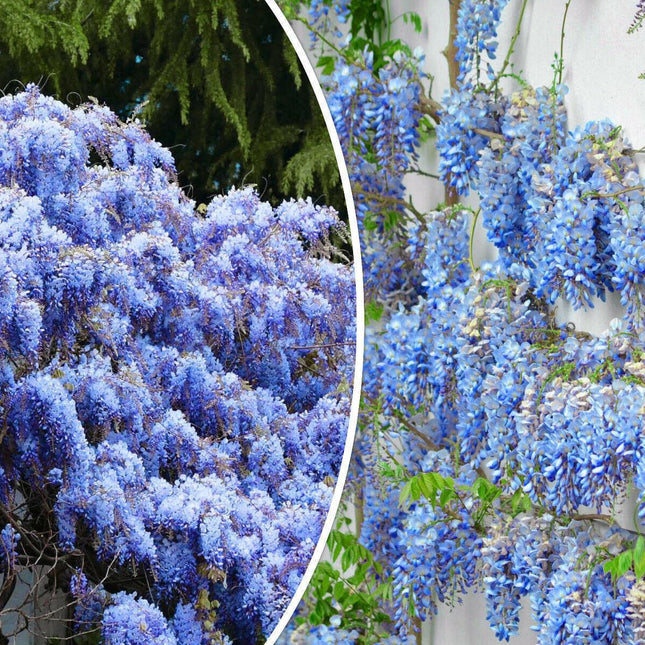

5 Blue Chinese Wisteria Seed
Blue Chinese Wisteria Seeds | Perennial Climbing Vine Transform your garden with the elegant Blue Chinese Wisteria, a fast-growing perennial vine that produces delicate, whimsical blue flowers starting in May/June. Perfect for trellises, fences, or any structure, it adds year-round charm to your landscape. Key Features: Zones: 4–9 (Partial shade recommended in hotter climates) Light: Shade to full sun Bloom Time: May–June Growth: Rapid, twining vines resembling a tree trunk with time Care Instructions: Tolerates various climates, including humid and subtropical regions Fertilize lightly in spring; prune in late winter for new growth Trim shoots every two weeks in summer for more blooms Germination Tips: Sow seeds on the soil surface, lightly cover, and keep moist Germinates in 1–6 months due to thick seed coating Bring timeless beauty to your garden with the captivating Blue Chinese Wisteria!
$13.95
-


5 Brahea Armata - Blue Hesper Palm Seeds
Brahea Armata - Blue Hesper Palm - Very Cold Hardy Seeds The Blue Hesper Palm Tree, scientific name (Brahea armata), is one of the most popular palm trees in Florida, because of its unique appearance and low maintenance. This stunning palm would be a great focal point for any landscape. Can also be grown indoors in a container. Brahea armata can tolerate cold temperatures down to 15F and can be grown in states like Alabama, Arizona, California, Georgia, Louisiana, Mississippi, Nevada, North Carolina, Oregon, Texas, and Virginia. The Blue Fan Palm is Grown for its Striking Bluish Green Foliage that is Extremely Resistant to Sun, Drought, & Strong Winds. Very Cold Hardy it can Survive Short Periods at 18 F. One of the Most Popular Palms for Landscaping, the Mexican Blue Palm was the Recipient of the Prestigious "Award of Garden Merit" of the Royal Horticultural Society. A Truly Striking Edition to any Landscaping or Container Planting. This beautiful tree offers much versatility as a landscape Palm or as a Container Plant which can be brought Indoors in areas with a Colder winter. The Attractive Eye Catching Bluish Grey foliage makes a nice contrast with desert vegetation. Cultural Requirements: Mexican Blue Palm tolerates extremes of heat, cold, drought, wind, and a wide range of growing conditions. The Blue Hesper Palm has a single gray trunk which is topped with beautiful silvery-blue fan-shaped fronds. Lightly swollen at the base trunk is ringed with scars from old leaf bases. The trunk can get up to 1.5ft in diameter. It requires some maintenance, if the dead leaves are not trimmed or dropped off they form a brown skirt. Brahea armata has one of the bluest fronds in the world. It has 25-20 palmate, or fan-shaped, fronds with 40 to 60 leaflets which can range from pastel bluish-white or silver-blue to aquamarine in color. The Blue Hesper Palm has waxy stems that are covered with dark curved thorns. During the summer months, Blue Hesper Palm produces beautiful white fragrant flowers that grow in clusters up to 3ft long. They hang down from the leaves extending much farther than the leaves’ length. Flowers are bisexual, and male and female flowers are on the same inflorescence. The Blue Hesper Palm flowers are considered to be one of the most beautiful palm flowers. As flowers mature they are followed by reddish-brown editable fruits. These berry-like fruits are about ¾ inch in diameter and have a single round seed inside. This palm can get up to 40 ft tall and 15 ft wide.
$21.99
-


Shipped from Ravensdale, Washington, USA 5 Bright Green Willow Seeds
5 Bright Green Willow Seeds Tree Weeping Flower Giant Full Landscape Seed Native to China, the weeping willow tree (Salix babylonica) is easily identified by its weeping, pendulous branches that sweep the ground and its rounded form. A deciduous tree, the weeping willow grows to 50 feet in height with a 20- to 40-foot spread and does best within U.S. Department of Agriculture plant hardiness zones 6 through 8, although some nurseries claim a broader range – 4 through 9. Germination The seeds of many trees have a dormancy period that must be broken before they will germinate. Weeping willow tree seeds have no dormancy period and do not require any special pre germination treatment. In fact, in nature, weeping willow seeds germinate within 12 to 24 hours if they fall to moist soil. To germinate in the home or greenhouse, sow the seed immediately after collection into a moist media, such as sand or a mixture of peat moss and sand. Keep the medium slightly moist during germination.Seed Care When the weeping willow tree seeds sprout, keep the seedlings in a lightly shaded area and continue to keep the germination medium slightly moist. When the seedling reaches 6 inches in height, transplant it into a 1-gallon container filled with commercial potting soil and increase the amount of sunlight it receives, gradually, until it is in full sun. The ideal time to plant it outside is in early spring after the danger of frost has passed. Weeping willow trees grow quickly – 8 to 10 feet per year – once they are planted in the landscape.How to Care for Dogwood Trees Most dogwoods require supplemental water during summer and fall, especially during hot, dry spells. For care of flowering dogwood trees, regular watering once a week to a depth of 6 inches should suffice. However, adding a generous layer of mulch will help retain moisture, minimizing watering chores. Most established trees do not require fertilizer. However, if you do choose to fertilize young dogwoods, use only a small amount of slow-release fertilizer. Dogwood trees seldom need pruning; however, it may be necessary to remove dead or injured branches, suckers, and diseased or insect-infested parts on occasion. Shaping trees may also help keep them more attractive looking. Flowering dogwood trees are considered “bleeders,” which means they bleed sap if pruned during late winter. Summer is an ideal time to take care of any pruning tasks that may be needed since these plants do not bleed sap during this time. Once established in the landscape, caring for dogwood trees is relatively easy. As long as they have been planted in the proper conditions and location, the overall care of flowering dogwoods is minimal.
$17.99


You have seen 1176 out of 1940 products