
Products
-


30 Jimmy Nardello Pepper Seeds
Jimmy Nardello's Pepper Seeds | Sweet Heirloom Jimmy Nardello's Pepper is a sweet, heirloom variety known for its rich flavor and versatility. Perfect for fresh eating, frying, or preserving, this open-pollinated pepper thrives in gardens or 5-gallon containers. Key Features: Type: Heirloom, open-pollinated Sowing Depth: 1/4 inch Spacing: 18–24 inches Light: Full sun (6+ hours daily) Planting Tips: Start seeds indoors in early spring or sow directly in mid/late spring to early/mid-summer. Ensure well-draining soil and consistent moisture for best growth. Grow Jimmy Nardello's Peppers for a sweet, flavorful harvest in your garden or containers!
$9.99 $8.99
-


30 Kashmir Cypress Seeds – Cupressus cashmeriana
Bring rare Himalayan beauty to your landscape with Kashmir Cypress (Cupressus cashmeriana) Seeds, a highly sought-after conifer known for its long, graceful weeping branches and stunning bluish-silver foliage. This sacred tree of Bhutan and the Himalayas creates a dramatic vertical accent, perfect for gardens, bonsai culture, and ornamental plantings. Hardy, fast-growing, and naturally elegant—this tree is a showpiece from seedling to maturity. The Kashmir Cypress, also known as the Himalayan Cypress or Weeping Cypress, is admired worldwide for its ethereal, cascading form and soft, feathery needles. Native to the cool, high-altitude forests of the eastern Himalayas, this rare conifer thrives in well-drained soil and full sun, growing into a tall, statuesque evergreen reaching 50–80 ft in ideal conditions. Gardeners love it for: Its unique pendulous foliage (rare in conifers) Beautiful silvery-blue needles Fast, upright growth habit Excellent use as a specimen tree, screen, or bonsai subject These seeds are fresh, high quality, and ready for propagation—perfect for collectors, landscapers, and anyone seeking a stunning ornamental tree. 🌱 Why Grow Kashmir Cypress (Cupressus cashmeriana) Seeds? Growing this rare cypress from seed allows you to enjoy: A striking, graceful ornamental tree Silvery-blue foliage that turns heads year-round Fast growth and strong adaptability A premium tree species rarely found in nurseries Ideal for meditation gardens, zen landscapes & large yards Excellent bonsai potential This is a tree that instantly elevates any landscape with its soft, cascading beauty. 🌿 Growing Tips Germination: Cold stratify for 30–45 days for best results. Soil: Well-drained, sandy or loamy soil. Avoid heavy clay. Light: Full sun to partial shade. Watering: Keep moist but never soggy during early growth. Temperature: Prefers cool to mild climates; protect young seedlings from extreme heat. Transplanting: Move outdoors after frost danger has passed. ❓ Frequently Asked Questions (FAQ) Is the Kashmir Cypress easy to grow from seed?Yes—when stratified properly. They germinate reliably with cool, moist pre-treatment and well-drained soil. Can it be grown as a bonsai?Absolutely. Its weeping growth habit and fine foliage make it an exceptional bonsai specimen. What climate does it grow best in?Zones 7–10 are ideal. Young plants may need winter protection in colder zones. How fast does it grow?Kashmir Cypress grows moderately fast, especially in full sun with regular watering during establishment. Does the foliage stay blue year-round?Yes—the tree maintains its soft silver-blue color throughout all seasons. Where to Buy Kashmir Cypress Seeds?At Seeds World, you’ll find fresh, high-quality Kashmir Cypress seeds with fast U.S. shipping and carefully protected packaging. Grow one of the world’s most visually stunning conifers right at home!
$11.99
-


30 Lantana Camara Seeds
Lantana Camara Seeds - Fragrant Verbena Shrub Flowering A small perennial evergreen shrub that can grow to around 3-4 feet tall and form dense thickets in a variety of environments including drought, different soil types, heat, humidity, and salt. It will begin flowering in midsummer and continues to bloom through late fall.Flowers come in many different colors including red, yellow, white, pink, and orange which differ depending on location in inflorescence, age, and maturity and will continue to change color after pollination occurs. The flowers do have a tutti frutti smell with a pepper undertone and attract butterflies!Plant stalks have been used in the construction of furniture, such as chairs and tables. However, the main uses have historically been medicinal and ornamental.Plant in an area that receives six to eight hours of sun daily. Use well-drained soil amended with 2 inches of compost, or grow in a planter in a full sun location. USDA zone 9-11, although the plant may die back to its roots each winter. It also grows well as an annual in cooler climates or overwintered indoors as a houseplant.
$16.99 $15.97
-


Shipped from Miami, FL, USA 30 Lithops Optica Rubra Rare Seeds
Lithops Optica RUBRA rare mesembs Exotic Succulent Living Stones Cactus Seeds Lithops is a genus of succulent plants native to southern Africa. "Lithos" means "stone" and "-ops" means "face" in Ancient Greek; therefore "Lithops" means "stone-like". This is a very good description of these plants, which avoid being eaten by blending in with surrounding rocks. They are often known as pebble plants or living stones. The formation of the name from the greek "-ops" means that even a single plant is called a Lithops. Individual Lithops plants consist of one or more pairs of bulbous, almost fused leaves opposite to each other and hardly any stem. The slit between the leaves contains the meristem and produces flowers and new leaves. The leaves of Lithops are mostly buried below the surface of the soil, with a partially or completely translucent top surface or window allowing light to enter the interior of the leaves for photosynthesis. Lithops are obligate outcrosses and require pollination from a separate plant. Like most resembles, Lithops fruit is a dry capsule that opens when it becomes wet; some seeds may be ejected by falling raindrops, and the capsule re-closes when it dries out. Capsules may also sometimes detach and be distributed intact or may disintegrate after several years. The most startling adaptation of Lithops is the coloring of the leaves. The leaves are not green as in almost all higher plants, but various shades of cream, grey, and brown, patterned with darker windowed areas, dots, and red lines. The markings on the top surface disguise the plant in its surroundings.
$17.99
-


30 Mammillaria Mix Seeds
Mammillaria Mix, Exotic Cacti Rare Cactus Seeds Special for beginners, Mammillarias are one of the easiest to reproduce cactus from seeds. Package of 100 seeds of different varieties of mammillarias, all these plants are some of my seeds producer and are part of my private collection, the picture is only to give an idea of the plants used to collect seeds but I have a lot more not showing in this picture,This is a mix and will ship as a mix not independently labeled by species, the seeds were taken this season.
$17.27
-


30 Marvelous Marble Seeds
Marvelous Marble Heuchera / Ground Cover Deer Resistant This perennial heuchera, known as marvelous marvel coral bells, has beautiful purple marbled foliage that is offset with pure white flowers that bloom early spring thru summer. Will grow 18-24 inches tall. Perennial zones 4-8. Full sun or partial shade. Beautiful foliage grows in lush profusion on mounding plants. Deer-resistant beauty that can be started indoors in winter to be transplanted outdoors in spring...Or can be sown directly into the ground in spring, summer, or fall Flower SpecificationsSeason: PerennialUSDA Zones: 4 - 9Height: 18 inchesBloom Color: WhiteFoliage Color: GreenEnvironment: Full sun to partial shadeSoil Type: Moist, well-drained, pH 5.5 - 6.8Deer Resistant: Yes Planting DirectionsTemperature: 65 - 70FAverage Germ Time: 21 - 28 daysLight Required: YesDepth: Do not cover the seed but press it into the soilSowing Rate: 7 - 8 seeds per plantMoisture: Keep seed moist until germinationPlant Spacing: 20 inches Quantity: 30 Marvelous Marble Seeds
$14.99
-


30 Mimosa Silk Tree Seeds
Add a touch of exotic beauty to your garden with Mimosa Silk Tree Seeds! Known for its fast growth, hardiness, and fragrant, fluffy blooms, the Mimosa Silk Tree (Albizia julibrissin) is a stunning ornamental tree that provides a tropical flair to any landscape. Its unique, fern-like foliage and captivating pink flowers make it a favorite among gardeners looking to create a lush, vibrant outdoor space. Specifications for Mimosa Silk Tree Seeds: Season: Sow indoors in early spring; transplant or direct sow after the last frost USDA Zones: 6-9 Height: 20-40 feet at maturity Bloom Season: Late spring to midsummer Bloom Color: Pink, fluffy, and fragrant Environment: Full sun Soil Type: Well-draining, slightly acidic to neutral pH Deer Resistant: Yes Latin Name: Albizia julibrissin Temperature: Prefers 70-75°F (21-24°C) for germination Average Germ Time: 2-4 weeks Light Required: Full sun Depth: Sow seeds lightly covered with soil Sowing Rate: Thinly scatter seeds; no specific rate needed Moisture: Keep soil consistently moist during germination; drought-tolerant once established Plant Spacing: Space trees 15-20 feet apart for optimal growth Cultivation Instructions: Planting: Soak seeds in warm water for 24 hours before planting to enhance germination. Sow seeds indoors in early spring or directly in the garden after the last frost. Use well-draining soil and cover seeds lightly with soil. Germination: Keep the soil moist and provide a warm environment (70-75°F) for germination, which typically takes 2-4 weeks. Transplanting: Once seedlings are established and all danger of frost has passed, transplant them to their final location in the garden, spacing trees 15-20 feet apart. Light: Mimosa Silk Trees thrive in full sun. Ensure they receive at least 6 hours of direct sunlight per day for optimal growth and blooming. Soil Type: Plant in well-draining soil. The tree is adaptable to various soil types but prefers slightly acidic to neutral pH. Watering: Water regularly during the establishment phase. Once established, Mimosa Silk Trees are drought-tolerant and require minimal watering. Fertilization: Fertilize in early spring with a balanced, slow-release fertilizer to encourage healthy growth and abundant blooms. Pruning: Prune in late winter to maintain shape and remove any dead or damaged branches. Avoid heavy pruning, as it can stress the tree. Pest Control: Monitor for common pests such as webworms and treat promptly with insecticidal soap or neem oil if necessary.
$19.99
-


30 Mix of Capensis Sundew - Carnivorous Plant Seeds
Grow Your Own Carnivorous Garden—Naturally Beautiful & Bug-Catching Explore the fascinating world of carnivorous plants with this mix of Capensis Sundew Seeds — a tropical trio of Drosera Capensis, 'Alba,' and 'Wide Leaf.' These sticky, dew-covered wonders attract and digest flying pests like gnats and fruit flies. They're ideal for kitchen windowsills, terrariums, or as unique gifts for nature lovers. 🌿 Easy to grow. No dormancy required. Perfect for beginners and hobbyists! 🌟 Why You'll Love It Beginner-Friendly Carnivorous Plants—Easy from seed and perfect for terrariums 3 Stunning Varieties—Includes Capensis, Alba (white), and Wide Leaf forms Year-Round Growth—Sub-tropical sundews with no cold stratification needed Eco-Friendly Pest Control—Feeds on gnats and small insects naturally 📦 What’s Included30 high-quality Capensis sundew seeds: 10 Drosera Capensis 10 D. Capensis ‘Alba’ 10 D. Capensis ‘Wide Leaf’ Resealable pack for freshness Basic growing instructions included 🧠 Note: Seeds are tiny — handle gently like dust! 🌱 How to Plant Sow seeds on the surface of moist, acidic soil (peat moss + perlite mix) Do not bury—surface sow only Maintain high humidity andamp; bright light (indirect sunlight or grow light) Keep soil moist with distilled or rainwater Germinate in 2–6 weeks at 70–85°F FAQs" How small are the seeds?Extremely tiny — similar to dust particles. Handle carefully and open over a tray or container. Do I need to refrigerate the seeds or simulate winter?No! These are subtropical varieties that do not require dormancy or cold stratification. How long does it take to germinate?Expect germination in 2 to 6 weeks, depending on light, temperature, and moisture conditions. Can I grow these indoors year-round?Absolutely! As long as they get plenty of light and distilled water, these sundews make excellent indoor carnivorous houseplants.
$24.99
-


30 Moonflower Seeds
Moonflower Seeds | Huge Tropical White Night Blooming Flower The tropical white morning glory or "moonflower" or "moon vine," is a species of night-blooming morning glory, native to tropical and subtropical regions of North and South America. The name moonflower derives from their blooming in the evening and their round full-moon-like shape. Though it is grown as an annual, it can survive as a perennial in Zones 10 and 11.Species: Moonflower (Ipomoea alba)Days to Bloom: 84Bloom Diameter: 3-5 inchesPlant Height: 8-10 feet vinesLifespan: AnnualPerennial in Zones 10 and 11Sunlight: Full Sun, Partial Shade
$11.99
-


30 Morning Glory - Orange Noah Seeds
Hummingbird Magnet | Drought Tolerant | Native Beauty Add a burst of fiery color to your garden with Orange Noah Morning Glory, a stunning native vine also known as Hummingbird Vine or Red Star. With vibrant red-orange trumpet-shaped blooms and a golden center, this fast-growing annual puts on a spectacular show from summer until frost, attracting hummingbirds, butterflies, and pollinators in droves. 🌿 Why You'll Love It:• Striking red blooms with orange/gold centers• Non-stop flowering from summer through fall• Loved by hummingbirds & butterflies• Drought & poor soil tolerant – thrives with minimal care• Vigorous climber – scrambles over fences, bushes & trees• Native alternative to tropical scarlet creeper (Ipomoea hederifolia) 🌱 Planting Instructions:Sow in spring at a depth of 3x the seed's thickness. Full sun preferred for best blooming performance. Perfect for trellises, wild gardens, or adding vertical color—Orange Noah is a native garden treasure that’s as tough as it is beautiful.
$12.99
-


30 Norway Spruce Picea Abies Seeds
Picea abies, commonly called Norway spruce, is a large pyramidal evergreen conifer that is native to the mountains of northern and central Europe east to the Urals. It is the classic Christmas tree. In its native European habitat, it typically matures to 100-150' (occasionally to 200') tall. It has been widely planted in cool and temperate regions of North America where it typically matures to a much shorter 40-60' (less frequently to 100') tall. It is noted for its rapid growth. Primary branches are slightly upturned but secondary branches become pendulous as the tree matures. Branches are clad with spirally-arranged, four-sided, needle-like, deep green leaves which are attached at their bases to tiny pegs. Cylindrical seed-bearing cones (to 9" long) are pendulous. In excess of 150 cultivars (mostly dwarf) have been named over the years.Easily grown in average, acidic, evenly moist, well-drained soils in full sun. Performs well in rich sandy soils. Prefers cool summer climates. Established plants have some tolerance for dryish soils. Evergreen trees for large lawns, parks, or woodland areas. Effective screen or windbreak in cold northern climates. Hardiness zones 2-7. Quantity: 30 Norway Spruce Picea Abies Seeds
$15.99
-


Shipped from Staten Island, New York, USA 30 Orange Yellow Hibiscus Seeds
Grow breathtaking tropical beauty right at home! These Rare Orange Yellow Hibiscus Seeds produce vigorous, fast-growing plants with large, radiant blooms that brighten your outdoor or indoor spaces all season long. Known for their dramatic color fusion, these hibiscus flowers thrive in warm conditions and make unforgettable ornamental centerpieces. Whether planted in containers, garden beds, or used as landscape accents, this hibiscus variety attracts hummingbirds, butterflies, and admiring eyes. Easy to grow and stunning in bloom, they offer continuous flowers from late spring through fall. 🌱 Why Grow Rare Orange Yellow Hibiscus Seeds? Produces vibrant, bi-colored orange-yellow blooms A standout tropical ornamental for balconies, patios, and gardens Attracts butterflies, bees & hummingbirds Perfect for home gardeners, collectors & enthusiasts Hardy, fast-growing, and ideal for warm climates or indoor pots 🌿 Growing Tips Light: Full sun for best color Soil: Well-draining, rich potting mix Water: Keep consistently moist, but never waterlogged Temperature: Prefers warm weather; protect from frost Germination: Soak seeds 12–24 hours before planting; keep warm and lightly moist ❓ Frequently Asked Questions (FAQ) Are these hibiscus seeds easy to grow?Yes! With warmth, sunlight, and consistent moisture, they germinate and grow into strong, blooming plants. How long until the hibiscus blooms?Most hibiscus plants grown from seed bloom in 6–9 months, depending on climate and care. Can I grow hibiscus indoors?Absolutely—hibiscus thrives in bright, sunny windows and warm indoor environments. Are the colors exactly like the photos?Color variations may occur, but this variety generally produces orange-to-yellow blended petals. Are these seeds non-GMO?Yes, all seeds from Seeds World are 100% non-GMO and sourced for quality. Where to Buy Rare Orange Yellow Hibiscus Seeds?At Seeds World, we offer fresh, high-quality hibiscus seeds with fast U.S. shipping. Your garden deserves the best—and we make it easy to grow something extraordinary.
$14.99 $12.95
-


30 Organic Bleeding Heart Flower Seeds
Organic Bleeding Heart Flower Seed Flower Perennial Flowers Bloom: Summer-Fall Plant Height 10"-12" Light: Part Shade Attracts Butterfly's Long Bloomer Growing Bleeding Hearts from SeedBleeding heart plants can be propagated from seed and these are some tips to help your seeds have the best possible chance to turn into beautiful flowers.• Moisten a mixture of half coarse sand and half milled peat in a small (46") pot with water.• You will only need to sow 3-4 seeds in each pot, poking a one-half-inch deep hole for each of the seeds. Place only one seed in a hole, then cover with loose peat that has been slightly moistened. Press the peat to make it slightly firm.• Grab some plastic wrap from the kitchen and completely wrap however many posts you have made, then place them all in the freezer for about six weeks.• Once you remove the pots from your freezer, I would recommend that you place them on a propagation mat at about 60-65 degrees close to a window that allows a lot of sunshine in.• When the soil feels just barely moist at the very top, you can water the plant. Don't ever let it dry completely out, but don't keep it soggy (seeds can mildew if they get soggy).• Once more, be patient, as it could take from two to six months for your bleeding heart plant to sprout. Once you do see some growth, thin out the weakest ones and leave only one plant in each pot.• Don't move the plants outside until after the last frost.• Once your plants have some mature leaves, they are ready to be transplanted into larger pots filled with potting soil, and grown in light shade for their first year.• Continue to water whenever the soil feels barely moist at the top, then transplant them into a larger container, or a shady garden bed in early autumn (too much heat or sunshine will cause your flowers to be short-lived (ephemeral), and although they don't die, they do become dormant, but the roots are still fine. You should be able to count on having some gorgeous bleeding hearts if you follow all of these suggestions, and I wish you the best of luck with these gorgeous, shade-loving plants. QUANTITY: 30 Organic Bleeding Heart Flower Seeds
$11.99
-


30 Oriental Arborviate (Platycladus orientalis) Seeds
Oriental Arborviate (Platycladus orientalis) Name: Oriental Arborviate Scientific Name: Platycladus orientalis Hardiness zone: 6 through 9 Plant height: 18-25 feet Light requirements: full sun to part shade Soil & water preferences grow well in well-drained soil. Growing Instructions: 1. Scarification: Soak in water for 24hrs 2. stratification: cold stratify for 60 days. Check every two weeks to make sure seeds are moist and that seeds are not molding. if there is a sign of mold, seeds should be soaked in 3:2 parts of water: bleach then rinsed with clean water and put back into cold stratification. 3. germination: sow seeds 1/8" deep in the soil, tamp the soil & mulch the seedbed.
$11.99
-


30 Oval Leaf Huckleberry | Vaccinium Ovalifolium Seeds
Discover the beauty and flavor of Oval-Leaf Huckleberry, a rare native blueberry relative. With sweet, dark-blue berries rich in antioxidants and vitamin A & C, this shrub is perfect for edible landscapes, woodland gardens, or native plant enthusiasts. Why Grow Oval Leaf Huckleberry? 🫐 Delicious sweet berries – great for jams, pies, and fresh snacking 🌿 Hardy and low maintenance – thrives in cooler zones (USDA 2–7) 🦋 Attracts pollinators – supports bees and native insects 🌳 Grows well in part shade or woodland edges 🇺🇸 Shipped from the USA – 30 seeds per pack What’s in the Pack? You’ll receive a sealed pack containing approximately 30 Vaccinium ovalifolium seeds. Perfect for woodland gardens, native restoration, or edible permaculture landscapes. Planting Instructions Best Time to Sow: Fall or stratified indoors before spring Soil: Acidic, well-draining, moist soil (pH 4.5–6.5) Light: Part shade to dappled sunlight Depth: Surface-sown or barely covered Watering: Keep consistently moist during germination FAQs Is this a type of true blueberry? It is a close relative of the blueberry, part of the Vaccinium genus, with similarly edible and antioxidant-rich berries. Does Oval-Leaf Huckleberry require cold stratification? Yes, for successful germination, seeds benefit from 60–90 days of moist cold stratification to simulate winter dormancy. How big does the plant grow? It typically reaches 3 to 10 ft (1–3 m) and forms a bushy shrub suitable for partial-shade gardens. Where to buy Oval Leaf Huckleberry seeds for sale? At Seeds World, you can buy fresh Oval-Leaf Huckleberry seeds online with fast shipping across the U.S. – perfect for native plant lovers and edible gardeners.
$14.99 $11.99
-


30 Papaya Fruit Tree | Carica Papaya Seeds
Papaya Fruit Tree | Carica Papaya Seeds Papayas are very yummy and fragrant. They attract bees, birds, butterflies, and the very unique hummingbird moth whom you can see in the photos above. The papaya tree is very fast growing and will bear lots of fruit. Name: Papaya TreeOther Common Names: Melon TreeScientific Name: Carica PapayaColor: WhitePlant Seeds: Outdoors After Frost / Indoors Weeks Before Last FrostBloom Time: Repeatedly Blooms Year RoundHardiness Zone: 9 - 11Plant height: 20 - 30 FeetPlant Spacing: 8 - 10 FeetLight Requirements: SunSoil & Water Preferences: Average
$17.99
-


Shipped from Montgomery, Alabama, USA 30 Papaya Seeds
Hovey Papaya Tree Seeds – Compact & High-Yielding Grow sweet, delicious papayas with this dwarf, high-yielding Hovey Papaya Tree. Perfect for containers or small gardens, it thrives in warm, sunny climates and produces nutrient-rich fruit quickly. Why Grow Hovey Papaya? ✔ Compact & Container-Friendly – Great for small spaces.✔ Sweet, Flavorful Fruit – Packed with vitamins.✔ Fast-Growing & High-Yielding – Produces quickly.✔ Easy to Grow – Thrives in full sun and well-drained soil. Planting Tips: Light: Full sun. Soil: Well-drained, nutrient-rich. Water: Keep moist, avoid overwatering. Depth: Sow ½ inch deep. Enjoy fresh, homegrown papayas—order Hovey Papaya Seeds today! 🌱🥭
$21.99
-


30 Persian Cucumber Seeds
Persian Cucumbers The Persian cucumber (Cucumis sativus "Persian") is a variety of burpless cucumber, meaning its consumption is less likely to cause gastrointestinal upset than other types. This cucumber is also small, sweet, and essentially seedless. It's also known as Beit Alpha cucumber, a name that indicates the community in northern Israel where the fruit was originally developed.In contrast to the thick, bumpy skin of the common garden cucumber (Cucumis sativus), the Persian cucumber features smooth, thin skin that doesn't require peeling. Its flesh is largely free of bitter-tasting seeds and is firm instead of watery, attributes that lend crunch and a mild sweetness.
$8.99
-


30 Pingwu Bamboo Seeds
Growing Bamboo from SeedsPlace the bamboo seeds in a strainer and rinse them with cool water to remove any dust or debris that may be clinging to the seeds.Pour the seeds into a bowl. Make a 10 percent salt solution and pour it over the seeds. Let the seeds soak in this solution for five minutes.Pour the seeds back into the strainer and rinse off the salt solution. Soak the seeds in clear water for 15 minutes, and drain them to dry.Make a half-and-half mixture of perlite and peat moss. Moisten the mixture until you can grab a handful and just barely squeeze out a drop. Place the soil mixture in a flat planter box with a lid. A plastic sweater box with holes poked in the bottom is the ideal size and shape for this project.Draw rows in the soil mix about 1 inch deep and plant a sprinkling of seeds along each row. Alternately, dig a round hole 2 inches across and 1 inch deep. Sprinkle about 10 seeds in the bottom of the hole. Cover the surface of the mix with these holes. Cover the seeds with a very fine soil mix. Place the lid on the box and move the box to a spot where it won't be disturbed.Remove the lid every three days to give the plants fresh air. Moisten the soil mix during this time if it has begun to dry out. Replace the lid after you have watered the mix. Remove the lid permanently after the seedlings reach the lid inside. The first seedlings will sprout after two to three weeks, and the seeds will continue to sprout until they have all emerged. Mix an all-purpose houseplant fertilizer according to the package directions. Pour the fertilizer into a clean spray bottle and mist the plants once they are four weeks old.Transplant the seedlings into individual pots after they have been growing for a month. Use the same soilless mix for growing the seedlings indoors.
$16.99
-


30 Pink Lily Flower Seeds
Brighten up your garden or indoor pots with the classic elegance of pink lilies. These stunning flowers feature trumpet-shaped blooms in vivid shades of pink, making them perfect for borders, patios, or container arrangements. Ideal for gardeners who appreciate fragrant, eye-catching blossoms. Why Grow Pink Lily Flowers? 🌸 Beautiful, trumpet-shaped blooms – adds charm and color to any space 🌿 Easy to grow from seed – suitable for pots, beds, or garden borders 🌞 Thrives in full sun to partial shade 📦 30 fresh seeds per pack – enough for a colorful cluster What’s in the Pack? You receive a pack of 30 pink lily flower seeds. These seeds are suitable for home gardeners and flower enthusiasts looking to grow vibrant lilies from scratch. Planting Instructions Best Time to Plant: Late winter to early spring indoors, or after last frost outdoors Soil: Loose, fertile, well-drained soil with organic matter Light: Full sun or partial shade Depth: 1/4 inch deep Watering: Keep soil lightly moist during germination (14–28 days) FAQs Do pink lily seeds grow true to color? Yes, these seeds are selected for their vibrant pink coloration. However, slight natural variation may occur depending on growing conditions. How tall do the flowers grow? Pink lilies typically reach 24–36 inches in height when grown in optimal conditions. Are these suitable for indoor pots? Absolutely. Many gardeners enjoy starting these lilies in containers for patio or balcony displays. Where to buy pink lily flower seeds for sale? You can buy high-quality pink lily flower seeds right here at Seeds World. We offer fast U.S. shipping and carefully sourced seeds to ensure strong germination and stunning blooms.
$14.09 - $14.99
-


30 Purple Locoweed Seeds
This Purple Locoweed is a stunning color you really must see! May be harmful to livestock if ingested. NAME: Purple LocoweedSCIENTIFIC NAME: Oxytropsis LambertiiOTHER COMMON NAMES: CrazyweedCOLOR: PurplePLANT SEEDS: Outdoors after frost / Indoors weeks before last frostBLOOM TIME: Early SpringHARDINESS ZONE: 3 - 6PLANT HEIGHT: 6 - 12”PLANT SPACING: 9 - 12"LIGHT REQUIREMENTS: SunSOIL & WATER PREFERENCES: DryQUANTITY: 30 Purple Locoweed Seeds
$14.99
-


30 Purple Smoke Tree SeedS
Purple Smoke Tree or Smoke Bush | Cotinus Coggygria Purpureus Seeds Make a big impact on your landscape from spring to fall with the colorful foliage of the smoke tree. Grown as a large shrub or small tree, the plant offers oval leaves in shades of rich purple, gold, or green throughout the gardening season.A smoke tree gets its common name from the frothy, fluffy buff-pink summertime bloom clusters. It's a reliable performer in the garden, holding up well in hot, dry conditions once the plant is established. The smoke tree holds true to its name, in late spring it has small pink flowers that have elongated filaments covered in purple hairs, creating the look of big puffs of purple smoke that cover the whole tree. It provides a very long display from late June thru July to the middle of august. On top of all this fantastic smoke, it has oval-shaped, dark purple leaves that turn magenta in fall. PerennialZone: 4-9Sun: Full SunWater: Regular Soil: Rich, Well Draining Soil.Height: 10' to 15' Tall and Wide.Bloom Time: Late Spring Thru the Middle of August.Difficulty: EasySowing Instruction Indoors: sowing all year long.Seeds must be stratified at 3 - 5°C (37-41°F) for 4 months. Sow the seeds at 1/2" depth.Full sun position required.When they are large enough to handle, prick the seedlings out into individual pots.
$17.99
-


30 Queen Red Lime Zinnia Seeds
Zinnia Seeds Queen Red Lime Zinnia Seeds - Open Pollinated Queen Red Lime Zinnia Seeds' unique colors offer something different. Features good vase life with high-quality double flowers. 60-75cm. When well grown, gradually acclimatize young plants to outdoor conditions for a few weeks before planting out after all risk of frost 23-30cm (9-12") apart, taking care not to damage the root system. Best planted in well-drained soil in full sun. Sow seeds into individual pots or module trays of moist seed compost and cover with a very fine sprinkling of compost or vermiculite. Place in a propagator or a warm place at a temperature of between 20-23°C (68-75°F). Do not exclude light as this helps germination which usually takes 7-14 days. Later sowings can be made outdoors once the soil has warmed up 3mm (1/8") deep in drills 30cm (12") apart, in well-cultivated weed-free soil. When large enough to handle, thin out seedlings to 30cm (12") apart. When to Sow: March to May Flowers: July to October
$16.99 $9.99
-
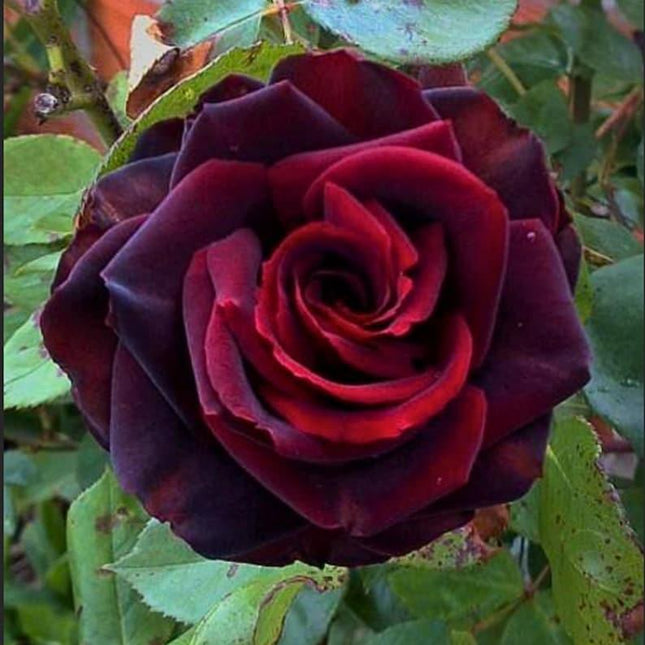

30 Rare Black Magic Rose Seeds
Looking for Black Magic rose seeds for sale? This small seed pack is ideal for growers who enjoy raising roses from seed and selecting unique seedlings. Expect a range of rich red to very dark, velvety blooms and strong, upright stems—colors and form may vary from plant to plant. Transparency note: Roses grown from seed do not stay identical to the named cultivar. Color and flower form are not guaranteed (photos are illustrative). Sowing roses from seed requires patience and cold stratification, and not all seeds will germinate. Why Choose Black Magic (from Seed)? Selected for dark, velvety red tones and classic long stems (seedlings show natural variation) Suitable for cutting gardens and breeding projects Grows well in full sun with regular feeding and pruning Container-friendly when started in pots; transplant once established Planting Instructions Best Time to Start: Late winter–spring after cold stratification; or sow outdoors in autumn in cold climates. Pre-Treatment: Cold stratify 8–12 weeks in a moist medium at 1–5 °C (34–41 °F). Soil: Sterile, well-draining mix; keep evenly moist, not waterlogged. Light & Temp (after stratification): Bright light; 18–21 °C (65–70 °F) for germination. Depth: Barely cover (about 3–6 mm / ⅛–¼ in). Germination Window: 30–120+ days; maintain steady moisture. Transplant: Pot up seedlings with several true leaves; space mature plants 45–90 cm (18–36 in). Growing Zone (hybrid tea, typical): USDA 5–9; provide winter protection in colder regions. FAQs Will these grow true to ‘Black Magic’? Not necessarily. Rose seeds are usually open-pollinated, so seedlings can differ in color, fragrance, and form. Many will be deep red—some very dark—but exact “black/dark red” shades are not guaranteed. Photos are illustrative, and part of the appeal is selecting your favorite seedlings. Do rose seeds need cold stratification? Yes. Most rose seeds benefit from 8–12 weeks of cold stratification (moist medium at refrigerator temperatures). Afterward, sow shallowly in a sterile mix at 18–21 °C and keep evenly moist until germination. Will all the seeds germinate? No seed lot delivers 100% germination—especially roses. Expect variable results depending on stratification quality, temperature, and moisture. Patience and consistent care significantly improve success rates. What light and care do they need? Full sun (6+ hours) and regular feeding during the growing season. Keep soil consistently moist but well-drained. Prune young plants to encourage branching. Can I grow them in containers? Yes. Start in small pots or trays; move to larger containers or the garden once plants are strong. Use a rich, well-draining potting mix. Where to buy Black Magic rose seeds for sale? At Seeds World, we list fresh rose seeds from multiple vendors with practical, step-by-step guidance. Order online with straightforward U.S. shipping and compare similar varieties to find the best fit for your garden.
$12.99


You have seen 1056 out of 1940 products