
Sale
-


Shipped from Lincolnton, North Carolina, USA Nanking Cherry Seeds (Prunus tomentosa)
Grow Nanking Cherry Seeds for patient growers planning a long-term tree or shrub project. This listing gives you clear quantity, realistic seed-starting expectations, and the key decisions to make before sowing. Why Choose These Seeds Product identity and quantity are presented clearly Practical sowing guidance for a stronger start Realistic expectations about germination and seed-grown variation Useful for gardeners who want control over placement and growing conditions At a Glance Plant Nanking Cherry Seeds Order contents Choose from the available options shown on the page (Quantity: 10 (Most Popular), 30, 60). Best for patient growers planning a long-term tree or shrub project Success starts with Fresh mix, correct moisture, suitable temperature, and patience How to Start Review whether the species needs scarification or cold-moist stratification before sowing. Use a clean, free-draining seed-starting mix and containers deep enough for young roots. Keep moisture steady without waterlogging; woody seeds may emerge unevenly over an extended period. Move seedlings gradually into brighter light and transplant only after they are established. Set expectations: Woody seed can germinate slowly and unevenly; seed-grown plants also vary naturally. Photos show a representative mature result, not the appearance of the seed packet or a guaranteed individual plant. Woody seeds often have natural dormancy and may require scarification, cold stratification, or extended germination time. Check local suitability before planting. Frequently Asked Questions What exactly will I receive?Choose from the available options shown on the page (Quantity: 10 (Most Popular), 30, 60). Is Nanking Cherry Seeds a good fit for my garden?Confirm mature size, light, climate, and local restrictions before planting. Patient growers planning a long-term tree or shrub project are the intended use. Should I start the seeds indoors or direct sow?Either can work depending on the species and climate; indoor starting offers closer control, while direct sowing reduces transplant disturbance. How long will germination take?Timing varies by species, seed treatment, temperature, moisture, and seed dormancy. Woody seeds may require pretreatment and an extended wait. Will every plant look exactly like the photos?No. Woody seed can germinate slowly and unevenly; seed-grown plants also vary naturally. Are there safety or local planting concerns?Woody seeds often have natural dormancy and may require scarification, cold stratification, or extended germination time. Check local suitability before planting.
$17.95 - $27.95
-


Shipped from Lynnwood, Washington, United States 100 Blue Veronica Longifolia Seeds – Tall Speedwell Flower
Add elegant vertical color and pollinator-friendly beauty to your garden with Blue Veronica Longifolia Seeds (Veronica longifolia). This stunning perennial produces tall spikes covered with numerous small blue flowers, creating a beautiful display throughout the summer months. Also known as Garden Speedwell, Veronica Longifolia is admired for its upright flower spikes, long blooming season, and ability to attract bees and butterflies. Its graceful form makes it an excellent choice for borders, cottage gardens, meadow plantings, and cut flower arrangements. Easy to combine with other perennials, this hardy flower adds height, texture, and vibrant blue tones to garden landscapes. 🌿 Plant Details Botanical Name: Veronica longifolia Common Name: Blue Veronica, Garden Speedwell, Longleaf Speedwell Plant Type: Perennial Flower Bloom Color: Blue to Violet-Blue Flower Form: Tall Spikes of Small Star-Shaped Flowers Growth Habit: Upright Clumping Plant Plant Height: 24–36 inches Light Requirements: Full Sun to Partial Shade Soil: Moist, fertile, well-draining soil Bloom Season: Summer Uses: Borders, cottage gardens, pollinator gardens, cut flowers, perennial beds 💙 Why Grow Blue Veronica Longifolia Seeds? 🌸 Beautiful Blue Flower Spikes: Creates a striking vertical display in garden beds. 🦋 Pollinator Favorite: Attracts butterflies, bees, and beneficial insects. 🌿 Hardy Perennial: Returns year after year with proper care. 💐 Great Cut Flower: Tall stems add beauty to fresh floral arrangements. 🌱 Easy Landscape Plant: Works beautifully in mixed perennial borders. 🌱 Growing Tips Sow seeds indoors or outdoors in fall or early spring. Seeds may benefit from cold stratification to improve germination. Press seeds lightly into the soil surface; avoid burying deeply. Keep soil evenly moist during germination and early growth. Transplant seedlings into a sunny location with fertile, well-draining soil. Remove spent flower spikes to encourage additional blooms. Germination: Approximately 14–30 days after proper preparation.Days to Bloom: Usually 1–2 years from seed. ❓ Frequently Asked Questions (FAQ) What is Veronica Longifolia?Veronica Longifolia, also called Garden Speedwell, is a perennial flower known for its tall spikes of blue blooms. Is Blue Veronica a perennial?Yes. Veronica longifolia is a hardy perennial that returns each year in suitable growing conditions. Does Veronica attract pollinators?Yes. Its nectar-rich flowers attract bees, butterflies, and other beneficial insects. Can Veronica Longifolia grow in containers?Yes. Young plants can grow well in large containers with proper drainage. Where to Buy Blue Veronica Longifolia Seeds for Sale?At Seed World, we offer fresh Blue Veronica Longifolia Seeds (Veronica longifolia) with fast U.S. shipping. Grow beautiful blue perennial flowers perfect for borders, cottage gardens, pollinator spaces, and cut flower gardens.
$14.99 $11.99
-


300 Crackerjack African Marigold Mix Seeds
300 Crackerjack African Marigold Mix SeedsAdd Crackerjack African Marigold Mix Seeds to beds, borders or containers with clear sowing guidance and honest seed-grown expectations. The page explains packet contents, preparation, light and watering so shoppers can decide confidently.Why Choose 300 Crackerjack African Marigold Mix Seeds? Suited to beds, borders or containers where appropriate Clear preparation, sowing and care guidance Seed-grown color and growth expectations stated before purchase What’s in the PackApproximately 300 seeds in one packet.Seed-grown expectations: Natural variation can occur, and germination depends on seed condition, preparation and the growing environment.Important: Named parent, type, color or mix descriptions identify the source presentation; seedlings may vary in color, form, vigor and fruit traits.Growing Information Light: Full sun to light shade according to local heat Water: Keep evenly moist during germination, then water according to the mature plant’s needs Life cycle: Annual Best sowing period: Spring, or after any recommended dormancy treatment Planting Instructions Sow at the depth recommended for the seed size, keeping fine seed near the surface and evenly moist. Sow in a clean, well-drained medium at a depth appropriate to seed size. Maintain steady moisture without leaving the medium waterlogged. Provide suitable light after emergence and acclimate seedlings gradually. Frequently Asked QuestionsWhat is included with my order?Approximately 300 seeds in one packet.Will the mature plant match the photos exactly?No. The listing identifies the source parent, type or mix, but seed-grown plants can vary in color, form, vigor and fruit traits.Does the seed need special preparation?Sow at the depth recommended for the seed size, keeping fine seed near the surface and evenly moist.How long does germination take?Many seeds begin emerging within one to three weeks under suitable moisture and temperature, though natural variation is normal.Can I grow it in a container?Many seedlings can be started in containers. Long-lived trees, vines and large perennials may eventually require more root space, support or outdoor planting.Are there safety or local planting considerations?Named parent, type, color or mix descriptions identify the source presentation; seedlings may vary in color, form, vigor and fruit traits.
$11.99 $10.99
-


Shipped from Spring City, Tennessee, United States 25 Antonovka Apple Seeds | Hardy Russian Heirloom Apple Tree
Grow a historic and cold-hardy apple tree with Antonovka Apple Seeds (Malus domestica). This beloved heirloom apple variety has been cultivated for generations in Eastern Europe and is prized for its exceptional hardiness, fragrant blossoms, and versatile tart apples. Antonovka produces medium to large greenish-yellow apples with a crisp texture and refreshing sweet-tart flavor. Traditionally valued for cooking, cider, preserves, and fresh eating, this resilient apple tree is especially appreciated by gardeners in cooler climates. With beautiful spring blossoms, attractive foliage, and delicious fruit potential, Antonovka Apple Trees make a wonderful addition to orchards, homesteads, and backyard landscapes. Note: Apple trees grown from seed may not produce fruit identical to the parent tree and can show natural variation. 🌿 Antonovka Apple Seeds Details Botanical Name: Malus domestica Common Name: Antonovka Apple, Russian Antonovka Apple Plant Type: Deciduous Fruit Tree Fruit Color: Greenish Yellow Fruit Flavor: Tart, Aromatic, Sweet-Tart Growth Habit: Upright Fruit Tree Mature Height: 15–30 feet (depending on rootstock and care) Light Requirements: Full Sun Soil: Fertile, well-draining soil Bloom Season: Spring Harvest Season: Late Summer to Fall Uses: Fresh eating, baking, cider, preserves, orchard planting 🍏 Why Grow Antonovka Apple Seeds? ❄️ Exceptional Cold Hardiness: One of the most resilient traditional apple varieties. 🌸 Beautiful Spring Blooms: Produces attractive flowers that enhance landscapes. 🍎 Versatile Fruit: Excellent for cooking, baking, cider, and fresh use. 🌳 Heirloom Variety: A historic apple treasured by growers worldwide. 🏡 Great for Orchards & Homesteads: Ideal for gardeners growing unique fruit trees. 🌱 Growing Tips Apple seeds require cold stratification before planting to break dormancy. Mix seeds with moist growing medium and refrigerate for several weeks before sowing. Plant seeds in a well-draining soil mix and keep evenly moist. Provide bright light once seedlings emerge. Transplant young trees outdoors in a sunny location with adequate spacing. Apple trees may require several years before reaching fruit-bearing maturity. Germination: Several weeks to months depending on preparation.Days to Fruit: Typically 5–10 years from seed (varies). ❓ Frequently Asked Questions (FAQ) What is Antonovka Apple?Antonovka is a historic Russian heirloom apple variety known for its cold tolerance, aromatic fruit, and excellent cooking qualities. Can Antonovka apples grow from seeds?Yes. Apple trees can be grown from seed, but seedlings may vary from the parent tree and may not produce identical fruit. How long does an apple tree grown from seed take to fruit?Apple trees grown from seed usually take several years to mature before producing fruit. Are Antonovka apples good for cooking?Yes. Their tart flavor makes them excellent for pies, sauces, cider, and preserves. Where to Buy Antonovka Apple Seeds for Sale?At Seed World, we offer fresh Antonovka Apple Seeds (Malus domestica) with fast U.S. shipping. Grow a cold-hardy heirloom apple tree perfect for orchards, homesteads, and unique fruit tree collections.
$17.99 $14.40
-


Ships from Enterprise, Alabama, USA 200 Italian Cypress Seeds (Cupressus sempervirens)
200 Italian Cypress Seeds (Cupressus sempervirens)Start a distinctive landscape tree from seed. This page sets clear expectations about the packet, pretreatment, germination and the years required to reach mature form.Why Choose 200 Italian Cypress Seeds (Cupressus sempervirens)? A hands-on way to grow a long-lived landscape plant Clear seed-preparation and sowing guidance Transparent expectations about seedling variation and maturity What’s in the PackApproximately 200 seeds in one packet.Seed-grown expectations: Natural variation can occur, and seedlings are not guaranteed to reproduce an exact parent color, shape or growth rate.Growing Information Light: Full sun to partial shade, depending on species and climate Water: Keep evenly moist during germination and establishment Life cycle: Perennial woody plant Best sowing period: Spring after any required pretreatment Planting Instructions Woody seed may require soaking, scarification or moist cold stratification; requirements vary by species. Sow in a deep, free-draining container and protect the young root system from drying. Maintain steady moisture without waterlogging. Transplant after a strong root system develops and acclimate seedlings gradually. Frequently Asked QuestionsWhat is included with my order?Approximately 200 seeds in one packet.Will the mature tree match the photos exactly?No. Photos show a mature or parent reference, while seed-grown foliage, color and form can vary.Does the seed need special preparation?Many tree seeds benefit from soaking, scarification or moist cold stratification; use species-appropriate treatment.How long does germination and maturity take?Germination may take weeks or months, and mature landscape form can take years.Can I start it in a container?Yes. Use a deep draining pot, then plan for permanent outdoor space as the tree matures.What light and water work best?Provide full sun to partial shade and steady moisture during germination and establishment.
$11.99
-


Shipped from USA 50 Raspberry Seeds – Black, Red or Golden Types
Grow Black, Red or Golden Raspberry Types Choose the raspberry type that appeals to you and start a productive berry patch from seed. Each option contains 50 seeds and offers the satisfaction of raising perennial fruiting canes from the earliest stage. Important seedling expectation: Raspberries do not reliably reproduce named parent traits from seed. Berry color, flavor, vigor, thorniness and fruiting habit may vary. Why Gardeners Choose These Raspberry Seeds Choice of supplier-labeled black, red or golden raspberry type Edible perennial canes for fresh fruit, preserves and baking Useful for garden rows, edible landscapes and large containers A rewarding project for gardeners comfortable with stratification and patient establishment What’s in the Pack You will receive 50 seeds of the selected supplier-labeled berry type. The seed lot is not presented as certified organic or as a guaranteed named cultivar. Growing Information Light: Full sun for the strongest flowering and fruiting Soil: Well-drained, fertile soil with consistent moisture Support: Most raspberry canes benefit from trellising Space: Allow room for mature canes and possible suckering Planting Instructions Cold-moist stratify the seeds before sowing; germination may be slow and uneven. Sow shallowly in sterile seed-starting mix and keep evenly moist. Provide bright light and good airflow after germination. Move established seedlings outdoors gradually after frost danger passes. Train canes to a support and adjust pruning once their fruiting habit becomes clear. Frequently Asked Questions Will the berries match the selected color exactly? The option identifies the supplier’s parent type, but seedlings can vary and exact fruit color is not guaranteed. Are these certified organic seeds? No organic certification has been supplied, so the listing does not make that claim. Do raspberry seeds need cold stratification? Yes. A cold, moist treatment is normally used before sowing, and some seeds may take longer than others to germinate. How soon can seed-grown raspberries fruit? Allow several growing seasons for germination, cane establishment and fruiting. Climate and seedling genetics affect timing. Can I grow raspberries in containers? Yes, especially while young. Choose a large container with drainage, regular moisture and support for the canes. Will the plants need a trellis? Most raspberry types benefit from support because it keeps canes upright, improves access and helps protect fruit from the ground.
$10.79 - $15.25
-


Shipped from Ohio, USA 50 Evergreen Huckleberry Seeds - Vaccinium Ovatum | Native Berry Shrub
Grow your own flavorful and versatile Evergreen Huckleberry with Vaccinium Ovatum seeds. This native North American shrub produces dark blue, sweet-tart berries that are perfect for jams, pies, or fresh snacking. Evergreen Huckleberry is a slow-growing, dense shrub that thrives in well-draining soil and partial sun to shade, making it ideal for naturalizing your garden or creating wildlife-friendly hedges. Its glossy evergreen leaves add year-round beauty, while the blossoms attract pollinators like bees and butterflies. Perfect for gardeners seeking a low-maintenance, high-value berry plant. 🌱 Why Grow Evergreen Huckleberry Seeds Native to the Pacific Northwest, supports local pollinators Produces edible berries high in antioxidants Evergreen foliage provides year-round garden structure Ideal for hedges, borders, and wildlife gardens 🌿 Growing Tips Sowing: Start seeds indoors 6–8 weeks before the last frost or outdoors after frost danger passes Stratification: Cold stratify seeds for 60–90 days for improved germination Depth: Sow 1/8” deep in well-draining, acidic soil Light: Prefers partial shade to full sun Spacing: Thin seedlings to 3–4 feet apart Watering: Keep soil moist until established, then moderate watering ❓ Frequently Asked Questions (FAQ) How long does it take for seeds to germinate?Expect 4–8 weeks with proper cold stratification. What USDA zones are suitable for Evergreen Huckleberry?Zones 7–10 are ideal. Can I grow these in containers?Yes, but ensure deep, acidic, well-draining soil for root development. Where to Buy Evergreen Huckleberry Seeds for Sale?At Seed World, we offer fresh Vaccinium Ovatum seeds with fast U.S. shipping for your home garden.
$14.99 $13.19
-


Shipped from Michigan, USA 1200+ Lavender Vera Seeds
Lavender English (Lavandula Angustifolia - Vera) The richest in essential oils, this is one of the most aromatic Lavender plants of them all. Reaching 24 to 36 inches high, it boasts 2 1/2 inch, linear, downy leaves on strong stems. The leaves first open white, then turn a pale gray-blue-green color. Stalks of tiny purple flowers grow up to 14 inches tall. Herb SpecificationsSeason: PerennialUSDA Zones: 6 - 9Height: 12 - 18 inchesBloom Season: Early summer to late summerBloom Color: LavenderEnvironment: Full sunSoil Type: Gritty, well-drained and slightly alkaline soils preferred, pH 6.5 - 7.5House Plant: YesDeer Resistant: YesLatin Name: Lavandula Angustifolia Planting DirectionsTemperature: 72 - 75FAverage Germ Time: 14 - 21 daysLight Required: Yes, but avoid direct sunlight by shading seeds after sowingDepth: Cover seed lightly with soil after sowingSowing Rate: 5 seeds per plantMoisture: Keep moist until germinationPlant Spacing: 20 inches
$14.99 $9.99
-


Maximilian Sunflower Seeds – Helianthus maximiliani
Bring life, color, and biodiversity to your garden with Maximilian Sunflower (Helianthus maximiliani) — a tall, hardy perennial sunflower native to North America. Growing between 3 to 8 feet tall, this late-blooming beauty features bright yellow flowers up to 3 inches wide that provide stunning color from August through October. A favorite among gardeners, pollinators, and wildlife, Maximilian Sunflower attracts bees, butterflies, and birds — while also serving as an important food source for deer and seed-eating birds. Historically, its edible tubers were used by Native Americans as a nutritious staple. Hardy and drought-tolerant, this sunflower thrives in full sun, poor or rocky soils, and variable moisture, making it a must-have for wildflower meadows, borders, or naturalized landscapes. 🌱 Why Grow Maximilian Sunflower Seeds? 🌻 Vibrant Fall Blooms – Produces striking golden-yellow flowers from late summer into fall. 🦋 Pollinator Powerhouse – Attracts bees, butterflies, and seed-loving birds. 🌾 Low Maintenance & Drought-Tolerant – Thrives in tough soils and full sun. 🌿 Native & Perennial – Returns year after year, spreading naturally by rhizomes. 🦌 Wildlife Friendly – Provides forage for deer and food for birds. 🌼 Great for Natural Landscaping – Ideal for wildflower gardens, borders, and restoration areas. 🌿 Growing Tips When to Plant:Fall: Direct sow outdoors ½" deep in late fall.Spring: Mix seeds with moist sand and refrigerate for 30 days before planting. Indoors: Start 6–8 weeks before the last frost in peat pots or flats at 65–70°F. Soil: Adapts to clay, rocky, or sandy soil with good drainage. Light: Requires full sun for optimal growth. Water: Tolerates drought once established; water moderately during dry spells. Height: Grows 5–8 feet tall; may need staking in moist or shaded areas. Spacing: 18–30 inches apart to allow air circulation and root spread. Zones: Hardy in USDA Zones 3–9. ❓ Frequently Asked Questions (FAQ) Are Maximilian Sunflowers perennial?Yes! They’re perennial wildflowers that return every year, spreading naturally by rhizomes. How tall do Maximilian Sunflowers grow?They typically reach 5–8 feet tall with strong vertical growth and long-lasting blooms. Do they need rich soil?No — they thrive even in poor, rocky, or sandy soils, as long as it’s well-drained. When do Maximilian Sunflowers bloom?They bloom from late August through October, adding brilliant fall color. Are these sunflowers good for pollinators?Absolutely — they’re magnets for bees, butterflies, and seed-eating birds. Where to Buy Maximilian Sunflower Seeds for Sale? At Seeds World, we offer fresh, non-GMO Maximilian Sunflower (Helianthus maximiliani) seeds with fast U.S. shipping. Perfect for pollinator gardens, natural meadows, or wildlife habitats, these sunflowers bring beauty, resilience, and ecological value to your outdoor space year after year.
$8.99 - $14.95
-


Shipped from Florida, USA 150 Common Milkweed Seeds (Asclepias syriaca)
150 Common Milkweed Seeds (Asclepias syriaca)Add Common Milkweed Seeds (Asclepias syriaca) to beds, borders or containers with clear sowing guidance and honest seed-grown expectations. The page explains packet contents, preparation, light and watering so shoppers can decide confidently.Why Choose 150 Common Milkweed Seeds (Asclepias syriaca)? Suited to beds, borders or containers where appropriate Clear preparation, sowing and care guidance Seed-grown color and growth expectations stated before purchase What’s in the PackApproximately 150 seeds in one packet.Seed-grown expectations: Natural variation can occur, and germination depends on seed condition, preparation and the growing environment.Important: This plant can be toxic or irritating if ingested; use ornamental handling precautions and keep seed and plant material away from children and pets.Growing Information Light: Full sun to light shade according to local heat Water: Keep evenly moist during germination, then water according to the mature plant’s needs Life cycle: Perennial Best sowing period: Spring, or after any recommended dormancy treatment Planting Instructions Some perennial seed germinates more evenly after a cool, moist stratification period; use a clean, well-drained seed-starting mix. Sow in a clean, well-drained medium at a depth appropriate to seed size. Maintain steady moisture without leaving the medium waterlogged. Provide suitable light after emergence and acclimate seedlings gradually. Frequently Asked QuestionsWhat is included with my order?Approximately 150 seeds in one packet.Will the mature plant match the photos exactly?Natural variation is possible in any seed-grown plant, and mature appearance depends on genetics and growing conditions.Does the seed need special preparation?Some perennial seed germinates more evenly after a cool, moist stratification period; use a clean, well-drained seed-starting mix.How long does germination take?Many seeds begin emerging within one to three weeks under suitable moisture and temperature, though natural variation is normal.Can I grow it in a container?Many seedlings can be started in containers. Long-lived trees, vines and large perennials may eventually require more root space, support or outdoor planting.Are there safety or local planting considerations?This plant can be toxic or irritating if ingested; use ornamental handling precautions and keep seed and plant material away from children and pets.
$10.99 $9.99
-


50 Blue Elderberry Seeds (Sambucus cerulea)
50 Blue Elderberry Seeds (Sambucus cerulea)Start Blue Elderberry Seeds (Sambucus cerulea) from seed as a rewarding long-term growing project. Clear preparation guidance and honest seedling-variation expectations help customers understand the time, climate and patience involved before purchase.Why Choose 50 Blue Elderberry Seeds (Sambucus cerulea)? A hands-on way to raise a long-lived plant from seed Practical dormancy or warm-germination guidance Honest expectations about maturity and seedling variation What’s in the PackApproximately 50 seeds in one packet.Seed-grown expectations: Natural variation can occur, and germination depends on seed condition, preparation and the growing environment.Growing Information Light: Full sun to partial shade, depending on the species and climate Water: Keep seedlings evenly moist during establishment Life cycle: Perennial Best sowing period: Spring, or after any recommended dormancy treatment Planting Instructions Temperate woody seed often benefits from species-appropriate scarification and moist-cold stratification before spring sowing. Sow in a clean, well-drained medium at a depth appropriate to seed size. Maintain steady moisture without leaving the medium waterlogged. Provide suitable light after emergence and acclimate seedlings gradually. Frequently Asked QuestionsWhat is included with my order?Approximately 50 seeds in one packet.Will the mature plant match the photos exactly?Natural variation is possible in any seed-grown plant, and mature appearance depends on genetics and growing conditions.Does the seed need special preparation?Temperate woody seed often benefits from species-appropriate scarification and moist-cold stratification before spring sowing.How long does germination take?Emergence may take several weeks to several months after the appropriate dormancy treatment.Can I grow it in a container?Many seedlings can be started in containers. Long-lived trees, vines and large perennials may eventually require more root space, support or outdoor planting.What light and watering conditions work best?Full sun to partial shade, depending on the species and climate. Keep seedlings evenly moist during establishment.
$16.95 $14.95
-


Shipped from USA 100 Alpine Strawberry Seeds (Fragaria vesca)
100 Alpine Strawberry Seeds (Fragaria vesca)Start Alpine Strawberry Seeds (Fragaria vesca) from seed as a rewarding long-term growing project. Clear preparation guidance and honest seedling-variation expectations help customers understand the time, climate and patience involved before purchase.Why Choose 100 Alpine Strawberry Seeds (Fragaria vesca)? A hands-on way to raise a long-lived plant from seed Practical dormancy or warm-germination guidance Honest expectations about maturity and seedling variation What’s in the PackApproximately 100 seeds in one packet.Seed-grown expectations: Natural variation can occur, and germination depends on seed condition, preparation and the growing environment.Growing Information Light: Full sun to partial shade, depending on the species and climate Water: Keep seedlings evenly moist during establishment Life cycle: Perennial Best sowing period: Spring, or after any recommended dormancy treatment Planting Instructions Temperate woody seed often benefits from species-appropriate scarification and moist-cold stratification before spring sowing. Sow in a clean, well-drained medium at a depth appropriate to seed size. Maintain steady moisture without leaving the medium waterlogged. Provide suitable light after emergence and acclimate seedlings gradually. Frequently Asked QuestionsWhat is included with my order?Approximately 100 seeds in one packet.Will the mature plant match the photos exactly?No. The listing identifies the source parent, type or mix, but seed-grown plants can vary in color, form, vigor and fruit traits.Does the seed need special preparation?Temperate woody seed often benefits from species-appropriate scarification and moist-cold stratification before spring sowing.How long does germination take?Emergence may take several weeks to several months after the appropriate dormancy treatment.Can I grow it in a container?Many seedlings can be started in containers. Long-lived trees, vines and large perennials may eventually require more root space, support or outdoor planting.What light and watering conditions work best?Full sun to partial shade, depending on the species and climate. Keep seedlings evenly moist during establishment.
$16.99 $15.97
-


25 Honey Locust Seeds (Gleditsia triacanthos)
25 Honey Locust Seeds (Gleditsia triacanthos)Start Honey Locust Seeds (Gleditsia triacanthos) from seed for a distinctive landscape or container-growing project. The page pairs practical sowing guidance with realistic expectations about dormancy, climate and the time required for woody plants to mature.Why Choose 25 Honey Locust Seeds (Gleditsia triacanthos)? A hands-on way to raise a long-lived plant from seed Practical dormancy or warm-germination guidance Honest expectations about maturity and seedling variation What’s in the PackApproximately 25 seeds in one packet.Seed-grown expectations: Natural variation can occur, and germination depends on seed condition, preparation and the growing environment.Growing Information Light: Full sun to partial shade, depending on the species and climate Water: Keep seedlings evenly moist during establishment Life cycle: Perennial Best sowing period: Spring, or after any recommended dormancy treatment Planting Instructions Scarify the hard coat lightly, soak 12–24 hours and sow in a warm, moist medium. Sow in a clean, well-drained medium at a depth appropriate to seed size. Maintain steady moisture without leaving the medium waterlogged. Provide suitable light after emergence and acclimate seedlings gradually. Frequently Asked QuestionsWhat is included with my order?Approximately 25 seeds in one packet.Will the mature plant match the photos exactly?Natural variation is possible in any seed-grown plant, and mature appearance depends on genetics and growing conditions.Does the seed need special preparation?Scarify the hard coat lightly, soak 12–24 hours and sow in a warm, moist medium.How long does germination take?Emergence may take several weeks to several months after the appropriate dormancy treatment.Can I grow it in a container?Many seedlings can be started in containers. Long-lived trees, vines and large perennials may eventually require more root space, support or outdoor planting.What light and watering conditions work best?Full sun to partial shade, depending on the species and climate. Keep seedlings evenly moist during establishment.
$11.99 $11.03
-


Shipped from Saint Augustine, Florida, USA 25 Nasturtium Mix Seeds
25 Nasturtium Mix SeedsCreate seasonal color from seed for beds, borders, cutting gardens or containers. The page is designed to answer the questions that matter before purchase: what is supplied, what preparation may be needed and what results are realistic.Why Choose 25 Nasturtium Mix Seeds? A hands-on way to grow the plant from its earliest stage Clear preparation, sowing and care guidance Transparent expectations about germination, maturity and seedling variation What’s in the PackApproximately 25 seeds in one packet.Seed-grown expectations: Photos and parent or mix names are references; seed-grown color, form, flavor and growth can vary.Growing Information Light: Full sun to partial shade, depending on species Water: Keep evenly moist during germination, then water when the upper soil begins to dry Life cycle: Annual or tender perennial commonly grown as an annual Best sowing period: Spring after frost risk, or indoors several weeks earlier Planting Instructions Most annual flower seed needs no cold stratification. Sow in fine mix at the depth recommended for the seed size and provide good airflow after emergence. Maintain steady moisture without leaving the medium waterlogged. Provide strong, appropriate light after emergence and acclimate seedlings gradually before outdoor planting. Frequently Asked QuestionsWhat is included with my order?Approximately 25 seeds in one packet.Will the mature plant match the photos exactly?Photos and parent or mix names are references; seed-grown color, form, flavor and growth can vary.Does the seed need special preparation?Most annual flower seed needs no cold stratification.How long does germination and maturity take?Many annuals germinate within one to three weeks and flower during the growing season.Can I grow it in a container?Suitable for containers when spacing and mature height are considered.What light and watering conditions work best?Full sun to partial shade, depending on species. Keep evenly moist during germination, then water when the upper soil begins to dry.
$9.99 $8.99
-


50 European Fly Honeysuckle Seeds
50 European Fly Honeysuckle SeedsStart a distinctive landscape tree, shrub or vine from seed with realistic expectations about maturity and variation. The page is designed to answer the questions that matter before purchase: what is supplied, what preparation may be needed and what results are realistic.Why Choose 50 European Fly Honeysuckle Seeds? A hands-on way to grow the plant from its earliest stage Clear preparation, sowing and care guidance Transparent expectations about germination, maturity and seedling variation What’s in the PackApproximately 50 seeds in one packet.Seed-grown expectations: Natural variation can occur in any seed-grown plant, and results depend on seed freshness and growing conditions.Growing Information Light: Full sun to partial shade, depending on species Water: Keep evenly moist during germination and establishment Life cycle: Perennial woody plant Best sowing period: Spring after any required pretreatment Planting Instructions Woody seed often benefits from soaking, scarification or moist cold stratification; requirements vary by species. Use a deep, draining container and transplant only after a strong root system develops. Maintain steady moisture without leaving the medium waterlogged. Provide strong, appropriate light after emergence and acclimate seedlings gradually before outdoor planting. Frequently Asked QuestionsWhat is included with my order?Approximately 50 seeds in one packet.Will the mature plant match the photos exactly?Natural variation can occur in any seed-grown plant, and results depend on seed freshness and growing conditions.Does the seed need special preparation?Woody seed often benefits from soaking, scarification or moist cold stratification; requirements vary by species.How long does germination and maturity take?Germination can take several weeks to several months; flowering or mature form can take years.Can I grow it in a container?Suitable for starting in pots; mature plants may require permanent outdoor space.What light and watering conditions work best?Full sun to partial shade, depending on species. Keep evenly moist during germination and establishment.
$21.95 $19.95
-


200 Golden Carpet Stonecrop Seeds (Sedum acre)
200 Golden Carpet Stonecrop Seeds (Sedum acre)Grow sculptural, drought-adapted plants from seed and enjoy the natural variation that makes each seedling distinct. The page is designed to answer the questions that matter before purchase: what is supplied, what preparation may be needed and what results are realistic.Why Choose 200 Golden Carpet Stonecrop Seeds (Sedum acre)? A hands-on way to grow the plant from its earliest stage Clear preparation, sowing and care guidance Transparent expectations about germination, maturity and seedling variation What’s in the PackApproximately 200 seeds in one packet.Seed-grown expectations: Natural variation can occur in any seed-grown plant, and results depend on seed freshness and growing conditions.Growing Information Light: Bright light with gentle morning sun for young seedlings Water: Keep lightly moist during germination, then allow more drying as plants establish Life cycle: Perennial succulent Best sowing period: Spring or summer indoors Planting Instructions No cold stratification is normally needed. Surface-sow on sterile, fine, fast-draining mix; cover for humidity while providing regular airflow. Maintain steady moisture without leaving the medium waterlogged. Provide strong, appropriate light after emergence and acclimate seedlings gradually before outdoor planting. Frequently Asked QuestionsWhat is included with my order?Approximately 200 seeds in one packet.Will the mature plant match the photos exactly?Natural variation can occur in any seed-grown plant, and results depend on seed freshness and growing conditions.Does the seed need special preparation?No cold stratification is normally needed.How long does germination and maturity take?Germination often takes several weeks and mature form develops gradually over months.Can I grow it in a container?Well suited to shallow containers with drainage.What light and watering conditions work best?Bright light with gentle morning sun for young seedlings. Keep lightly moist during germination, then allow more drying as plants establish.
$22.99 $18.99
-


Shipped from Florida, USA 25 Allsweet Watermelon Seeds
Allsweet Watermelon Seeds Allsweet is a warm-season watermelon (Citrullus lanatus) grown for elongated fruit with red flesh. Fruit size, sweetness and harvest timing vary with heat, pollination, soil fertility and water, so use the variety description as a target rather than a guarantee. Why Choose Allsweet Watermelon Named watermelon variety for full-sun gardens Long vines and full-size fruit Suitable for direct sowing or careful transplanting Warm-season annual What's in the Pack One packet contains 25 seeds. Planting Instructions Growing zone: Grow as an annual wherever the frost-free season is long and warm enough. When to sow: Sow after frost when soil has warmed to about 70°F, or start indoors shortly before transplanting. Depth: Sow 1/2–1 inch deep. Light: Full sun. Spacing: Allow approximately 3–6 feet between plants and 6–12 feet between rows, depending on training and garden conditions. Soil: Fertile, well-drained soil. Water: Water deeply and consistently, especially during flowering and early fruit development. Harvest Notes Watermelons do not continue ripening after harvest. Common signs include a dry tendril nearest the fruit and a yellowing ground spot. Frequently Asked Questions How long does Allsweet watermelon take to mature?It is a long-season crop. Exact timing varies with temperature, soil, sunlight and transplant stress. Can the seeds be direct sown?Yes. Direct sow after frost once the soil is thoroughly warm. Can watermelon be grown in a container?Only in a very large container with strong support and ample space for vines; in-ground growing is usually easier. Do the flowers need pollinators?Yes. Good insect activity is important for fruit set and shape. How can ripeness be checked?Watch for a drying tendril near the fruit, a creamy-yellow ground spot and a duller rind surface. Will every fruit reach the same size?No. Fruit size varies naturally with pollination, vine health, weather and crop load.
$11.99 $9.99
-


20 Dahlia Seeds – Mixed and Selected Parent Types
Grow dahlias from seed for summer-to-fall flowers in beds, borders, large containers and cutting gardens. Choose the mixed option or one of the numbered parent selections. Because dahlias are genetically variable, seedlings may differ from the photographed parent in color, petal form, height and bloom size.Key Features Approximately 20 seeds per packet Mixed option and numbered parent selections Suitable for sunny beds, borders and large containers Flowers typically appear from summer until frost What's in the PackOne packet containing approximately 20 dahlia seeds in the selected option. Seeds only; plants, tubers and exact pictured flowers are not included.Planting InstructionsWhen to SowStart indoors 6–8 weeks before the average last frost, or direct sow after frost danger has passed and the soil has warmed.Sowing and GerminationSow about 1/4 inch deep in a sterile seed-starting mix. Keep at approximately 65–75°F and evenly moist, not saturated. Germination commonly takes 7–21 days.Spacing and CareTransplant after frost danger has passed. Provide full sun, fertile well-drained soil and about 12–24 inches between plants, depending on mature habit. Water deeply when the upper soil begins to dry. Taller plants may need support.Growing Information Botanical group Dahlia spp. Life cycle Tender perennial; commonly grown as an annual Sun Full sun; light afternoon shade in very hot climates Typical germination 7–21 days Bloom period Summer through frost Hardiness Tubers may overwinter outdoors in mild climates; protect from freezing elsewhere Seed-Grown VariationThe option number identifies the supplier's photographed parent selection; it is not a cultivar certification. Exact color, markings and flower form cannot be guaranteed from seed. Select Mix for the widest range of possible results.Frequently Asked QuestionsWill seedlings match the photo?Not necessarily. Seed-grown dahlias naturally segregate and may produce new combinations of color and form.Can dahlias grow in containers?Yes. Use a large container with drainage and choose final spacing according to plant vigor.Will they return next year?They may overwinter in frost-free areas. In cold climates, lift and store mature tubers after frost if you want to preserve a particular plant.Please note: Seed counts are approximate. Germination, plant size and flowering time vary with seed age, temperature, light and care.
$14.99 - $29.99
-


20 Giant Hibiscus Seeds – Choose a Parent Flower
Grow a Dramatic Hibiscus from a Parent-Flower Selection Choose the supplier-labeled parent flower that catches your eye and grow a hibiscus seedling with its own character. Large hibiscus blooms create a bold focal point in sunny beds and roomy patio containers. Important seedling expectation: The option names and photos describe parent-flower references, not guaranteed seedling colors or named cultivars. Flower color, form and size can vary. Why Choose Giant Hibiscus Seeds? Twenty seeds per selected parent-flower option Large, showy flowers with strong garden impact Suitable for sunny borders and large containers A rewarding choice for gardeners who enjoy unique seed-grown plants What’s in the Pack You will receive 20 hibiscus seeds associated with the selected supplier parent-flower label. Exact species and cultivar documentation has not been provided. Growing Information Light: Full sun; light afternoon shade can help in very hot climates Warmth: Start with warm soil and protect young plants from frost Water: Keep evenly moist while establishing, with good drainage Blooming: Timing, mature size and winter hardiness depend on the seedling and climate Planting Instructions Lightly nick or abrade the seed coat, then soak seeds in warm water for 12–24 hours. Sow approximately 1/4 inch deep in moist seed-starting mix. Keep warm, bright and evenly moist without saturating the mix. Pot seedlings individually after they develop true leaves. Move outdoors gradually after frost danger has passed. Frequently Asked Questions Will the flowers match the selected photo exactly? No. The selection is a parent-flower reference. Seedlings can differ in color, markings, petal form and bloom size. Are these hardy or tropical hibiscus seeds? The exact species is not documented, so winter hardiness cannot be guaranteed. Protect seedlings from frost until their identity and performance are clear. How large will the flowers become? Hibiscus can produce very large blooms, but an exact 8–10 inch size is not guaranteed for every seedling. Can I grow hibiscus in a container? Yes. Use a roomy container with drainage, full sun and consistent watering, and provide winter protection where necessary. Are hibiscus seeds easy to germinate? The hard seed coat benefits from scarification and soaking. Warmth and even moisture improve the process, but germination can still vary. What does the Parent Flower option mean? It identifies the supplier’s reference flower for that seed selection. It is not a promise that every plant will reproduce the same color or form.
$15.11 - $21.49
-


2000 Sweet Alyssum White Flower Seeds
Add a touch of elegance and fragrance to your garden with Sweet Alyssum Flower Seeds. Perfect for creating beautiful, aromatic displays in any garden setting! Sweet Alyssum (Lobularia maritima) is a delightful annual known for its charming, fragrant clusters of tiny white flowers. Ideal for garden beds, borders, hanging baskets, and container gardens, Sweet Alyssum creates a lush, ground-covering effect with its delicate blooms. It thrives in full sun to partial shade and well-draining soil, blooming profusely from spring through fall. This low-maintenance plant is also loved by pollinators, attracting bees and butterflies with its sweet scent. Growing Information: Season: Best sown in early spring after the last frost or in late summer for fall blooms. USDA Zones: 3-10 (grown as an annual) Height: 4-6 inches Bloom Season: Spring through fall Bloom Color: White Environment: Prefers full sun to partial shade. Soil Type: Well-drained soil; tolerates poor soil conditions. Temperature: Performs best in cooler weather; thrives in mild temperatures. Average Germ Time: 7-14 days Light Required: Full sun to partial shade Depth: Sow seeds on the surface and lightly press into the soil; do not cover. Sowing Rate: Scatter seeds evenly; thin to 6-8 inches apart. Moisture: Keep soil consistently moist during germination; water regularly but avoid overwatering. Plant Spacing: 6-8 inches apart for a lush, full display
$14.99 $11.99
-


Blue Daisy-Type Flower Seeds – 20 Seeds
Grow Blue Daisy-Type Flower Seeds for beds, borders, containers, and pollinator plantings where the species is appropriate. This listing gives you clear quantity, realistic seed-starting expectations, and the key decisions to make before sowing. Why Choose These Seeds Product identity and quantity are presented clearly Practical sowing guidance for a stronger start Realistic expectations about germination and seed-grown variation Useful for gardeners who want control over placement and growing conditions At a Glance Plant Blue Daisy-Type Flower Seeds Order contents One order contains 20 seeds, as stated in the title. Best for beds, borders, containers, and pollinator plantings where the species is appropriate Success starts with Fresh mix, correct moisture, suitable temperature, and patience How to Start Use a clean, well-drained seed-starting mix and follow the species’ light or stratification needs. Sow at a depth appropriate to seed size; dust-like seed is usually surface sown. Keep the medium evenly moist, never saturated, and provide good air circulation. Harden seedlings off gradually before moving them to their permanent site. Set expectations: Seed-grown plants can vary in color, form, vigor, and bloom or harvest timing. Photos show a representative mature result, not the appearance of the seed packet or a guaranteed individual plant. Seed-grown plants can vary in color, form, and flowering time; photos show the mature type, not a guaranteed individual result. Frequently Asked Questions What exactly will I receive?One order contains 20 seeds, as stated in the title. Is Blue Daisy-Type Flower Seeds a good fit for my garden?Confirm mature size, light, climate, and local restrictions before planting. Beds, borders, containers, and pollinator plantings where the species is appropriate are the intended use. Should I start the seeds indoors or direct sow?Either can work depending on the species and climate; indoor starting offers closer control, while direct sowing reduces transplant disturbance. How long will germination take?Timing varies by species, seed treatment, temperature, moisture, and seed dormancy. Do not discard a properly maintained tray simply because emergence is uneven. Will every plant look exactly like the photos?No. Seed-grown plants can vary in color, form, vigor, and bloom or harvest timing. Are there safety or local planting concerns?Seed-grown plants can vary in color, form, and flowering time; photos show the mature type, not a guaranteed individual result.
$17.99 $16.91
-


25 Roseroot Stonecrop Seeds
Roseroot Stonecrop Golden Rose Root Sedum Rhodiola Rosea Yellow Flower Seeds Roseroot Stonecrop is a very cold hardy succulent plant that hails from the Arctic regions of Europe, Britain, Asia, & North America. The plants are able to tolerate a variety of soils including heavy clay, sandy, or rocky, & are also tolerant of drought & coastal conditions. This Stonecrop can be used as a groundcover, an alpine & rock garden plant, as a border, or in a container. Whichever you choose, you will want to plant it somewhere you will get to see it with beautiful rosettes & lovely flower clusters that attract bees & butterflies. Aside from being grown as a nice ornamental plant, Roseroot is also grown for its root’s medicinal properties. Its yellow roots are rose-scented, hence the name, & have long been used in traditional medicine. From Wikipedia: “About 140 chemical compounds are in the subterranean portions of R. Rosea. Rhodiola roots contain phenols, rosavin, rosin, rosavin, organic acids, terpenoids, phenol carbonic acids and their derivatives, flavonoids, anthraquinones, alkaloids, tyrosol, and salidroside." Name: Roseroot StonecropOther Common Names: Rose Root / Golden Root / Aaron's Rod / Arctic Root / King's CrownScientific Name: Rhodiola Rosea / Sedum Rhodiola / Rhodiola Roanensis / Sedum Roanense / Sedum RoseaColor: YellowPlant Seeds: Fall Sow / Cold StratifyBloom Time: May - AugHardiness Zone: 1 - 9Plant Height: 12 - 15"Plant Spacing: 12 - 18"Light Requirements: SunSoil & Water Preferences: Average - Dry
$16.99 $15.97
-


Shipped from Canton, Ohio, USA 1000 Epazote - Chenopodium Ambrosoides Herb Seeds
Epazote - Chenopodium Ambrosoides Herb Seeds Epazote is a Mayan herb. It is an important ingredient in Mexican dishes such as refried beans & chili sauces. It helps to prevent gas and has several medicinal uses. It is used for the treatment of skin diseases, ulcers, & healing wounds. The flower & seed oil are toxic and is used to kill parasites & worms in humans & livestock. Name: EpazoteScientific Name: Chenopodium AmbrosoidesColor: GreenPlant Seeds: Outdoors After Frost / Indoors Weeks Before Last FrostHarvest: 55 DaysHardiness Zone: 8 - 9 (& Reseeds Itself Easily)Plant Height: 12 - 36"Plant Spacing: 24 - 36"Light Requirements: SunSoil & Water Preferences: Average - Dry
$14.99 $12.99
-
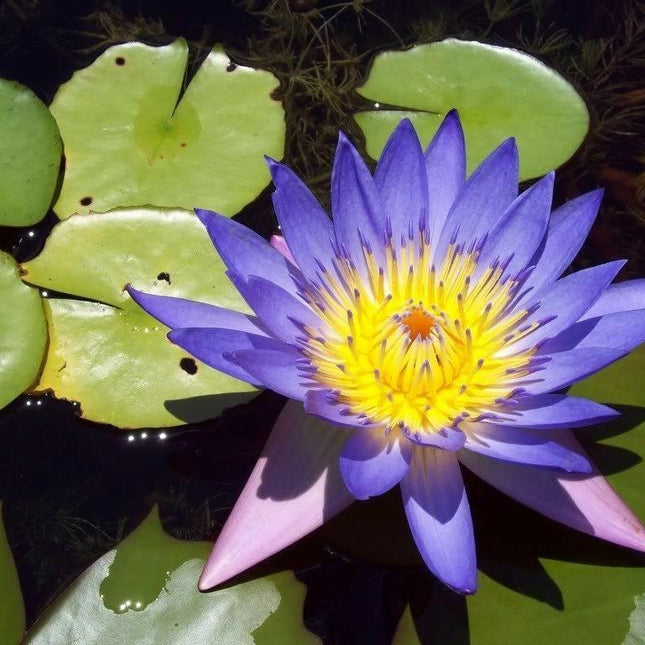

Shipped from USA 10 Blue Egyptian Water Lily Seeds (Nymphaea caerulea)
10 Blue Egyptian Water Lily Seeds (Nymphaea caerulea)Add Blue Egyptian Water Lily Seeds (Nymphaea caerulea) to beds, borders or containers with clear sowing guidance and honest seed-grown expectations. The page explains packet contents, preparation, light and watering so shoppers can decide confidently.Why Choose 10 Blue Egyptian Water Lily Seeds (Nymphaea caerulea)? Suited to beds, borders or containers where appropriate Clear preparation, sowing and care guidance Seed-grown color and growth expectations stated before purchase What’s in the PackApproximately 10 seeds in one packet.Seed-grown expectations: Natural variation can occur, and germination depends on seed condition, preparation and the growing environment.Important: This species can spread aggressively or be regulated in some regions; check state and local guidance before planting and prevent escape into natural areas.Growing Information Light: Full sun to light shade according to local heat Water: Keep evenly moist during germination, then water according to the mature plant’s needs Life cycle: Perennial Best sowing period: Spring, or after any recommended dormancy treatment Planting Instructions Lightly nick the hard seed coat without damaging the embryo, then soak and sow in an aquatic-plant container. Sow in a clean, well-drained medium at a depth appropriate to seed size. Maintain steady moisture without leaving the medium waterlogged. Provide suitable light after emergence and acclimate seedlings gradually. Frequently Asked QuestionsWhat is included with my order?Approximately 10 seeds in one packet.Will the mature plant match the photos exactly?Natural variation is possible in any seed-grown plant, and mature appearance depends on genetics and growing conditions.Does the seed need special preparation?Lightly nick the hard seed coat without damaging the embryo, then soak and sow in an aquatic-plant container.How long does germination take?Many seeds begin emerging within one to three weeks under suitable moisture and temperature, though natural variation is normal.Can I grow it in a container?Many seedlings can be started in containers. Long-lived trees, vines and large perennials may eventually require more root space, support or outdoor planting.Are there safety or local planting considerations?This species can spread aggressively or be regulated in some regions; check state and local guidance before planting and prevent escape into natural areas.
$18.99


