Fruits Seeds

148 products

  • 50 Organic Raspberry Seeds - Seed World 50 Organic Raspberry Seeds - Seed World

    50 Organic Raspberry Seeds

    1 review

    Enjoy three seasons of color, flavor, and garden satisfaction with this Raspberry Seed Collection, featuring Black Raspberry (Rubus occidentalis), Red Raspberry (Rubus idaeus), and Golden Raspberry seeds. This curated trio brings you a variety of taste profiles, colors, and textures—perfect for fresh eating, baking, jam-making, or freezing. Each variety is selected for its adaptability, productivity, and heirloom-quality flavor. Whether you're creating a berry patch in your backyard, building a food forest, or lining a fence with edible beauty, this mix gives you everything you need to grow a colorful raspberry harvest from seed. 🌟 Product Highlights: ✅ Includes 3 varieties: Black, Red, and Golden Raspberries ✅ Excellent for USDA Zones 4–8 ✅ High in antioxidants, vitamins, and fiber ✅ Perfect for small gardens, raised beds, or edible hedges ✅ Long-lived perennials with seasonal harvests ✅ Pollinator-friendly and naturally deer-resistant once mature 🌱 Why Grow Raspberry Seeds? 🍇 Grow three unique colors and flavors from one pack🫐 Long-lived perennials—fruit for years🍓 High-yield plants for jam, fresh eating, and more🪻 Attracts pollinators and adds edible landscape value🌿 Cost-effective alternative to nursery plants💪 Packed with antioxidants and garden satisfaction 🌿 Growing Tips: Seed Prep: Cold stratify seeds for 4–6 weeks in moist medium in the fridge Sowing: After stratification, sow in seed trays or direct sow after frost Light: Full sun for best fruiting; tolerates partial shade Soil: Rich, well-draining soil with compost for root strength Spacing: Plant 2–3 ft apart with support for vertical growth Watering: Keep soil evenly moist during establishment Pruning: Trim back floricanes after fruiting to encourage new growth Harvest: Expect berries in 2nd or 3rd year depending on growing conditions ❓ FAQ – Raspberry Seed Collection How long until I get fruit from seed-grown raspberries?Most raspberry plants fruit in the second or third year after germination and establishment. Can I grow these in containers?Yes, with deep pots (at least 12 inches) and proper support, they grow well in containers. Do I need to cold-stratify the seeds?Yes. All raspberry seeds benefit from 4–6 weeks of cold, moist stratification before planting. Will they spread?Yes, raspberries spread by root suckers. This can be controlled by pruning or container planting. What’s the difference in flavor?Black raspberries are rich and earthy, red raspberries are classic and bright, and golden raspberries are sweet and mild with a tropical hint.

    $10.79 - $15.25

  • Sale -12% 50 Evergreen Huckleberry - Vaccinium Ovatum Seeds - Seed World 50 Evergreen Huckleberry - Vaccinium Ovatum Seeds - Seed World

    50 Evergreen Huckleberry Seeds - Vaccinium Ovatum | Native Berry Shrub

    Grow your own flavorful and versatile Evergreen Huckleberry with Vaccinium Ovatum seeds. This native North American shrub produces dark blue, sweet-tart berries that are perfect for jams, pies, or fresh snacking. Evergreen Huckleberry is a slow-growing, dense shrub that thrives in well-draining soil and partial sun to shade, making it ideal for naturalizing your garden or creating wildlife-friendly hedges. Its glossy evergreen leaves add year-round beauty, while the blossoms attract pollinators like bees and butterflies. Perfect for gardeners seeking a low-maintenance, high-value berry plant. 🌱 Why Grow Evergreen Huckleberry Seeds Native to the Pacific Northwest, supports local pollinators Produces edible berries high in antioxidants Evergreen foliage provides year-round garden structure Ideal for hedges, borders, and wildlife gardens 🌿 Growing Tips Sowing: Start seeds indoors 6–8 weeks before the last frost or outdoors after frost danger passes Stratification: Cold stratify seeds for 60–90 days for improved germination Depth: Sow 1/8” deep in well-draining, acidic soil Light: Prefers partial shade to full sun Spacing: Thin seedlings to 3–4 feet apart Watering: Keep soil moist until established, then moderate watering ❓ Frequently Asked Questions (FAQ) How long does it take for seeds to germinate?Expect 4–8 weeks with proper cold stratification. What USDA zones are suitable for Evergreen Huckleberry?Zones 7–10 are ideal. Can I grow these in containers?Yes, but ensure deep, acidic, well-draining soil for root development. Where to Buy Evergreen Huckleberry Seeds for Sale?At Seed World, we offer fresh Vaccinium Ovatum seeds with fast U.S. shipping for your home garden.

    $14.99 $13.19

  • Sale -12% 50 Blue Elderberry Seeds (Sambucus caerulea) 50 Blue Elderberry Seeds (Sambucus caerulea)

    50 Blue Elderberry Seeds (Sambucus caerulea)

    Grow your own native superfood with Blue Elderberry Seeds (Sambucus caerulea)—a hardy, fast-growing shrub prized for its nutrient-rich blue berries, fragrant white flower clusters, and wildlife value. Native to western North America, Blue Elderberry is both ornamental and productive, making it an excellent choice for edible landscapes, permaculture gardens, and naturalized hedgerows. In late spring to early summer, plants burst into large, creamy-white flower umbels, followed by blue-black berries beloved by birds and commonly harvested for syrups, teas, and preserves (when properly prepared). Exceptionally adaptable, Blue Elderberry tolerates drought once established and thrives across a wide range of soils 🌱 Why Grow Blue Elderberry Seeds? 🍇 Edible & Medicinal Uses: Berries commonly used in syrups, jams, and herbal preparations 🌼 Beautiful Blooms: Large white flower clusters attract pollinators 🐦 Wildlife Friendly: Birds love the berries 🌎 Native & Resilient: Ideal for restoration, permaculture, and low-input gardens 🌿 Multi-Purpose Shrub: Great for hedges, privacy screens, and edible landscapes 🌿 Growing Tips Stratification: Cold stratify seeds for 60–90 days before planting Sowing: Start indoors or sow outdoors in fall Light: Full sun to part shade Soil: Well-drained soil; adaptable to clay, loam, and sandy soils Water: Moderate; drought tolerant once established Growth Habit: Large shrub or small tree (10–20 ft) 🌱 Tip: Plant more than one for better pollination and berry production. ❓ Frequently Asked Questions (FAQ) Are Blue Elderberries edible?Yes, the berries are widely used in syrups and preserves when cooked properly. Raw berries are not recommended. Do these seeds require stratification?Yes. Cold stratification for 2–3 months greatly improves germination rates. How big does Blue Elderberry grow?Typically 10–20 feet tall and wide, depending on conditions and pruning. Is this plant drought tolerant?Once established, Blue Elderberry is moderately drought tolerant. Is Sambucus caerulea native to the U.S.?Yes. It is native to western North America and well-suited to native plant gardens.  Where to Buy Blue Elderberry Seeds for Sale?At Seeds World, we offer fresh Blue Elderberry seeds sourced for quality and viability—packed carefully and shipped fast across the U.S. Start growing this native, multi-use shrub with confidence.

    $16.95 $14.95

  • Sale -6% 100 Alpine Strawberry Seeds - Seed World 100 Alpine Strawberry Seeds

    Shipped from Massillon, OH, USA 100 Alpine Strawberry Seeds

    Grow old-world flavor right at home with Alpine Strawberry (Fragaria vesca) Seeds. These heirloom strawberries are prized for their intense sweetness, rich aroma, and delicate texture, far superior to most store-bought varieties. Unlike modern strawberries, Alpine strawberries are small, flavorful, and often everbearing, producing fruit throughout the growing season. Perfect for containers, raised beds, edging, and woodland gardens, Alpine strawberries form neat, compact plants with attractive foliage and charming white flowers. They’re easy to grow, low maintenance, and ideal for gardeners who want continuous harvests of gourmet-quality berries. 🌱 Why Grow Alpine Strawberry Seeds? Exceptionally sweet, aromatic heirloom berries Compact plants ideal for containers & small spaces Everbearing varieties produce all season Cold hardy and adaptable Beautiful edible ground cover Great for fresh eating, desserts, and garnishes 🌿 Growing Tips Light: Full sun to partial shade Sowing: Start indoors 8–10 weeks before last frost Seed Depth: Surface sow; press lightly—do not cover Germination: 14–30 days Spacing: 10–12 inches Water: Keep soil consistently moist, not soggy Mulch plants to retain moisture and protect shallow roots. ❓Frequently Asked Questions (FAQ) Are Alpine strawberries different from regular strawberries?Yes. Alpine strawberries are smaller, more aromatic, and much sweeter than commercial varieties. Do Alpine strawberries send out runners?Most Alpine varieties do not produce runners, making them easy to manage. Can these be grown in containers?Absolutely. They’re perfect for pots, window boxes, and raised beds. How long until fruiting?Plants typically produce fruit within 4–6 months from seed. Are these perennial plants?Yes. Alpine strawberries are perennial in many growing zones. Where to Buy Alpine Strawberry Seeds for Sale?At Seed World, we offer fresh Alpine Strawberry (Fragaria vesca) seeds selected for strong germination and true heirloom flavor. All orders ship fast within the U.S., so you can start growing delicious berries with confidence.

    $16.99 $15.97

  • 500 Goji Berry Seeds - Seed World 500 Goji Berry Seeds - Seed World

    500 Goji Berry Seeds

    Goji Berry (Lycium Barbarum) Goji Berry plants, also called Wolfberry, are drought tolerant and prefer well-draining soil. They do best in USDA zones 5 - 9, tolerating temps down to -10 F, and will flourish well in the dry west or humid east. If you're outside of zones 5 - 9, you can still grow these very popular berries by planting them in containers and bringing them inside when the temperatures drop. Goji berry plants will grow in the sun or partial shade, but your harvest will be greater with more sun. When planting outside in your garden, place your Gojis every 4 ft. They grow into vine bushes to the point some gardeners will even plant them on trellises. A mature wolfberry plant will produce almost 7 lbs of berries under good conditions. Plant Specifications:Season: PerennialUSDA Zones: 5 - 9Height: 96 - 120 inchesBloom Season: Midsummer to early fallBloom Color: RedEnvironment: Partial shade to full shadeSoil Type: Fertile, well-drained, pH 6.5 - 7.5Deer Resistant: YesLatin Name: Lycium BarbarumPlanting Directions:Temperature: 64 - 70FAverage Germ Time: 10 - 14 daysLight Required: NoDepth: 1/4 inch deepSowing Rate: 2 - 3 seeds per plantMoisture: Keep seeds moist until germinationPlant Spacing: 3 - 5 feet

  • 5 Beach Plum (Prunus Maritima) Seeds - Seed World 5 Beach Plum (Prunus Maritima) Seeds - Seed World

    10 Beach Plum (Prunus Maritima) Seeds

    Perfect for patios, gardens, or sandy coastal areas, Beach Plum shrubs are salt-resistant and hardy, growing 4–10 ft. tall without pruning. Known for their fragrant pink and white spring blooms, they produce delicious plums in summer, with vibrant fall foliage to follow. Zones: 3–7 Height: 4–10 ft. Light: Full sun to partial shade Soil: Tolerates sandy, saline, or regular soil Uses: Fresh fruit, jams, jellies, pies Germination Instructions: Apply cold stratification: wrap seeds in a moist paper towel, place in a ziplock bag, and refrigerate for 2–3 months. Sow seeds in moist sand, peat moss, or loam and allow 2–3 months for germination. Enjoy this hardy east coast native for its beauty, fruit, and low-maintenance versatility!

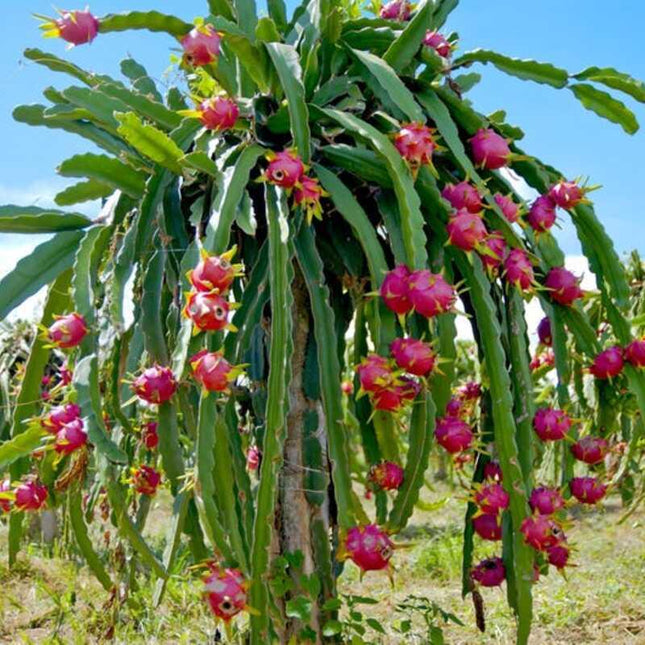
  • 50 Dragon Fruit Seeds - (Hylocereus Undatus Cactus) - Seed World 50 Dragon Fruit Seeds - (Hylocereus Undatus Cactus) - Seed World

    50 Dragon Fruit Seeds - (Hylocereus Undatus Cactus)

    Dragon Fruit Seeds (Hylocereus Undatus Cactus) Grow your own tropical Dragon Fruit with these easy-to-plant seeds! This vibrant cactus thrives in sunny spots and prefers well-draining, moisture-retaining soil. How to Grow: Location: Choose a sunny spot that gets at least 6 hours of sunlight a day, whether indoors or outdoors. Soil: Opt for well-draining potting soil rich in organic matter (avoid cactus-specific soil). Planting: Sprinkle seeds on the soil surface and lightly cover with a thin layer of soil. Watering: Keep the soil evenly moist. To retain moisture and encourage germination, cover with plastic wrap. Thinning & Transplanting: As seedlings grow, thin them out and transplant into larger pots as needed. Support: Once the plant reaches 12 inches, set up a trellis or stake to support its climbing growth. As the plant matures, it will need a large pot (at least 20 gallons) for optimal health and fruit production. Grow your own delicious Dragon Fruit with minimal effort!

  • Sale -13% 25 Kiwi Fruit Seeds – Actinidia deliciosa - Seed World 25 Kiwi Fruit Seeds – Actinidia deliciosa - Seed World

    Shipped from Copperas Cove, Texas, USA 25 Kiwi Fruit Seeds – Actinidia deliciosa

    Grow your own kiwi vine from seed. Actinidia deliciosa is a vigorous climber that can be trained on a trellis for full-size growth or kept compact in containers with regular pruning. Suitable for warm climates outdoors, and for cooler regions it can be grown in pots and overwintered in a protected space. Note on “bonsai”: bonsai is a training style, not a different seed; with pruning and container culture you can maintain a small, bonsai-like kiwi plant. Why Choose Kiwi Fruit Seeds? Vigorous, productive vine with sweet–tart fruit potential Flexible training—trellis outdoors or keep compact in containers Best in full sun; tolerates light partial shade Works for warm zones outdoors; in cooler zones grow in pots and protect from frost Clean listing, ad-compliant copy, and practical planting guidance Planting Instructions Best Time: Spring after last frost (or late winter indoors under lights) Soil: Well-draining medium, slightly acidic to neutral (pH ~6.0–6.8) Pre-treatment: Optional cold stratification 2–4 weeks can improve uniformity Depth: Surface-sow to 3 mm (light cover); maintain even moisture Germination: Typically 14–30+ days at 20–24°C Light: Strong light once seedlings emerge; avoid damping-off by good airflow Training: Provide a small stake/trellis; prune to keep compact if container-grown Pollination: Seedlings vary; plant several for best chances of compatible flowering Growing Zone: Outdoors generally suited to Zones ~7–10; in cooler zones use containers and winter protection FAQs Is this a “bonsai” seed? No. “Bonsai” refers to a training method. These are standard Actinidia deliciosa seeds. With pruning, a small pot, and controlled growth, you can maintain a compact, bonsai-style kiwi plant. Do I need both male and female plants? Kiwi vines from seed can produce male or female plants, and you typically need compatible flowering to set fruit. Start multiple seedlings for best pollination options; keep the strongest plants as they mature. How long until fruit? Seed-grown kiwi usually takes multiple seasons to reach flowering maturity—often 3–5+ years in suitable conditions with proper training and nutrition. Can I grow kiwi in containers? Yes. Use a large container with sturdy support and prune regularly to manage size. In cold climates, move containers to a protected spot for winter. What climates and zones are suitable? Generally best outdoors in Zones ~7–10. In cooler zones, treat as a container plant and protect from hard freezes. Where to buy kiwi fruit seeds for sale? At Seeds World, we list fresh kiwi fruit seeds with practical planting guidance and fast U.S. shipping options. Compare sellers, check recent reviews, and choose the pack that suits your project—trellis training or compact container growing.

    $12.99 - $14.99

  • 20 Common Bilberry Seeds - Seed World 20 Common Bilberry Seeds - Seed World

    20 Common Bilberry Seeds – European Blueberry (Vaccinium myrtillus)

    The Common Bilberry (Vaccinium myrtillus) is a treasured European berry plant prized for its deep blue-purple pulp, rich flavor, and soft, juicy texture. Often compared to blueberries, bilberries are uniquely darker inside and offer a more intense taste—perfect for fresh eating, jams, desserts, and traditional baking. This low-growing shrub produces delicate pink flowers in spring followed by dark blue berries in mid to late summer. Beyond their culinary appeal, bilberry plants are excellent for wildlife gardens, attracting birds, squirrels, and beneficial pollinators. Bilberries thrive in cooler climates and acidic soils, making them a fantastic choice for woodland gardens, natural landscapes, and edible forest gardens. 🌱 Why Grow Common Bilberry Seeds? 🫐 Deep blue/purple pulp (unlike blueberries) 🍰 Ideal for jams, pies, muffins & fresh eating 🌸 Beautiful spring blooms & summer fruit 🐦 Supports birds & wildlife habitats ❄️ Cold-hardy perennial (Zones 2–7) 🌿 Compact size—great for small gardens 🌿 Growing Tips Botanical Name: Vaccinium myrtillus Common Names: Bilberry, European Blueberry, Blue Whortleberry Plant Type: Perennial Shrub Hardiness Zones: 2–7 Light: Full Sun to Part Shade Plant Height: 6–18 inches Spacing: 12–18 inches Flower Color: Pink Fruit Color: Dark Blue Bloom Time: April–June Harvest: July–September Seed Starting:  - Cold stratify before planting  - Sow outdoors in fall or after frost  - Can also start indoors weeks before last frost  - Prefers acidic, well-drained soil ❓ Frequently Asked Questions (FAQ) How are bilberries different from blueberries?Bilberries have blue/purple pulp throughout, while blueberries have white pulp. Bilberries are also softer and more intensely flavored. Are bilberries edible raw?Yes! They can be eaten fresh, dried, or used in jams, pies, muffins, and desserts. Do bilberries attract wildlife?Absolutely. Birds, squirrels, and other small animals love the berries. Are bilberries easy to grow?They are easy in the right conditions—cool climates, acidic soil, and proper stratification. Can bilberries grow in partial shade?Yes, they grow well in sun to part shade, especially in woodland-style gardens. Where to Buy Common Bilberry Seeds for Sale?At Seeds World, we offer fresh, high-quality Common Bilberry seeds with fast U.S. shipping—perfect for gardeners seeking authentic European berries.

  • Top Hat Blueberry Seeds - 100 Dwarf Blueberry Seeds - Seed World Top Hat Blueberry Seeds - 100 Dwarf Blueberry Seeds - Seed World

    Shipped from Florida, USA Top Hat Blueberry Seeds - 100 Dwarf Blueberry Seeds

    Top Hat Blueberry Seeds - 100 Dwarf Blueberry Seeds  | Low Bush Variety - Sweet Edible Fruits The Top Hat Blueberry is a dwarf narrow-leaved blueberry fruiting shrub that features white flowers (with subtle pink coloring) that form in clusters in the spring. During summertime, the flowers are replaced with nice full-sized blueberry fruits.This low-bush blueberry variety can be potted and placed indoors by a sunny window or outdoors. It is very cold-resistant and cold-hardy. Grows 6-18 inches tall and equally as wide. The small plants continuously deliver an abundance of blueberry fruit until the leaves drop in late fall. Grows best in loamy or sandy soils in full sun to partial shade. Prefers acidic soil ph.Germination Procedure: Cold stratify seeds for 60-90 days in the freezer if not planted in the fall for overwintering to break dormancy. Next, surface sows the seeds as they germinate best with sunlight hitting them. Gently press seeds into the top of the soil, taking care not to fully cover them from the light.Grow Zones: 2,3,4,5,6,7 (8,9,10,11 if indoors)Other Names: Vaccinium angustifolium, Lowbush BlueberryTop Hat Blueberry Seeds Size: Very Tiny

  • Black Goji Berry Seeds (Lycium ruthenicum) – Himalayan Black Wolfberry - Seed World Black Goji Berry Seeds (Lycium ruthenicum) – Himalayan Black Wolfberry - Seed World

    Shipped from Kennett Square, Pennsylvania, USA Black Goji Berry Seeds (Lycium ruthenicum) – Himalayan Black Wolfberry

    Looking for black goji berry seeds for sale? Grow the Himalayan black wolfberry (Lycium ruthenicum) — a hardy, drought-tolerant shrub that produces striking dark-purple berries and delicate blossoms. Ideal for edible landscapes, hedgerows, and container growing. Why Choose Black Goji Berry? Rare, dark-purple fruit with high ornamental value Cold-hardy and resilient once established; tolerates heat and drought Versatile growth habit — in-ground or large containers Fast U.S. shipping from trusted sellers What’s in the Pack? Fresh, untreated Black Goji Berry seeds in a sealed packet, packed in the USA. Suitable for starting in trays or direct sowing once conditions are warm. Planting Instructions Best Time to Plant: Early–mid spring after frost; or start indoors 6–8 weeks before the last frost Soil: Well-drained loam or sandy mix, pH 6.0–7.5 Light: Full sun (6–8+ hours) Depth: Sow about 1/8 inch (light cover) Spacing: 3–5 ft (90–150 cm) between plants; allow room to prune Watering: Keep evenly moist through germination; avoid waterlogging Germination: ~10–21 days at 68–77°F (20–25°C) USDA Growing Zones: 6–9 (in colder zones, grow in containers and overwinter in a protected spot) FAQs Is Black Goji different from the common (red) goji? Yes. Black goji (Lycium ruthenicum) is a related species with dark-purple fruit and a slightly different growth habit. Care and cultivation are similar. Does it need cold stratification? Not required, but 1–2 weeks of cool, moist stratification can improve uniformity if your conditions are very warm and dry. How large does the plant get? Typically 6–10 ft (1.8–3 m). Prune to maintain size, shape, and fruiting wood. Can I grow it in containers? Yes. Use a 5–10+ gallon pot with a free-draining mix and full sun. Up-pot as roots fill the container. When should I expect fruit? Plants generally fruit in the second growing season under good sun and care. Where to buy Black Goji Berry seeds for sale? At Seeds World, we list fresh Black Goji Berry seeds from trusted U.S. sellers with fast shipping and clear growing guidance, so you can compare and buy confidently.

    $9.99 - $14.99

  • 2 Avocado Seed - Seed World 2 Avocado Seed - Seed World

    2 Hass Avocado Seed | Organic Non-GMO

    Grow your own Hass Avocado tree from seed and experience the satisfaction of cultivating the most popular avocado variety in the world. Known for its pebbly skin that ripens from green to deep purple-black, the Hass avocado is prized for its creamy, buttery texture and rich, nutty flavor with a slightly sweet finish. This organic, non-GMO Hass avocado seed is perfect for gardeners, plant lovers, and anyone who wants to grow a beautiful tropical fruit tree indoors or outdoors (in warm climates). While avocado trees grown from seed are often cherished as ornamental or learning projects, with time and care they can mature into productive trees under the right conditions. Whether you’re growing for fruit, foliage, or fun, the Hass avocado is a rewarding long-term grow. 🌱 Why Grow Hass Avocado Seeds? 🥑 World’s most popular avocado variety 🌿 Organic & NON-GMO seed 🌳 Beautiful evergreen tree with glossy green leaves 🧈 Creamy, high-oil fruit with rich flavor 🏡 Perfect for patios, containers, or warm-climate gardens 🌱 Fun and educational grow for all skill levels 🌿 Growing Tips Botanical Name: Persea americana ‘Hass’ Seed Type: Organic, Non-GMO Germination Method: Water method or soil planting Germination Time: 2–8 weeks Light: Bright indirect light to full sun Soil: Well-draining, rich soil Water: Keep soil moist but not soggy Climate: Best in USDA Zones 9–11 (can be grown indoors elsewhere) 💡Tip: Avocado trees grown from seed may take several years to fruit and may differ slightly from parent fruit—but they make stunning houseplants and landscape trees. ❓Frequently Asked Questions (FAQ) Will this seed grow a true Hass avocado?Seeds may produce trees with similar traits, but fruit quality can vary. Many people grow them as ornamental or learning plants. Can I grow this indoors?Yes! Hass avocado trees grow well indoors with bright light and proper care. How long until it produces fruit?Trees grown from seed can take 5–10 years to fruit, depending on conditions. Is this seed organic and non-GMO?Yes, this is an organic, non-GMO Hass avocado seed. Do I need two trees for pollination?Avocado trees are self-fertile, but multiple trees can improve fruiting in outdoor settings. Where to Buy Hass Avocado Seeds for Sale?At Seeds World, we offer fresh Hass Avocado seeds that are organic, non-GMO, and carefully selected—with fast U.S. shipping so you can start growing right away.

  • 50 Fig Tree - Sweet Fruit Shrub Seeds - Seed World 50 Fig Tree - Sweet Fruit Shrub Seeds - Seed World

    50 Fig Tree - Sweet Fruit Shrub Seeds

    Start your own fig tree from seed. This adaptable fruit shrub offers classic sweet figs and handsome foliage, suitable for warm climates and for container growing in cooler regions. Why Choose Fig Tree Seeds? Attractive, fruiting shrub/tree suitable for home gardens and patios Heat and drought tolerant once established Good for containers or in-ground training (fan, espalier, or shrub form) Thrives in full sun and tolerates partial shade USDA Growing Zones: 7–10 outdoors; container growing recommended in cooler zones What’s in the Pack? Sealed pack of 50 fig tree seeds from verified sellers. Ideal for starting multiple seedlings for selection, container specimens, or bonsai experiments. Planting Instructions Best Time to Start: Late winter to early spring indoors; transplant or set outside after the last frost. Soil: Well-draining mix (loamy/sandy), pH 6.0–7.5. Light: Full sun; provide bright light for seedlings. Depth: Surface-sow or cover very lightly (about 1/8"). Temperature: 70–75°F (21–24°C) for germination. Watering: Keep evenly moist but never waterlogged. Germination Window: Typically 30–90 days; provide steady warmth and be patient. ❓ Frequently Asked Questions (FAQ) Is this fig seed or cuttings? This product contains seeds. Seed-grown figs can vary from the parent plant; select the best seedlings as they mature. When will seedlings fruit? Under warm conditions and good care, seed-grown fig trees commonly begin fruiting in 2–3 years. Can I grow figs in containers? Yes. Start in 5–10 gallon pots and upsize gradually. Prune annually to keep a compact shape and move to a protected spot for winter in cooler climates. What are the growing zones? USDA Zones 7–10 outdoors. In colder zones, grow in containers and overwinter indoors or in a sheltered location. How much area will 50 seeds cover? Germination rates vary. A 50-seed pack is enough for several seed trays. For in-ground planting, mature trees are typically spaced 10–15 ft apart (closer if trained as shrubs). Where to buy fig tree seeds for sale? At Seeds World, we list fresh fig seeds from verified sellers with fast U.S. shipping. Check the product page for current stock, sowing tips, and seller ratings so you can choose confidently.

  • Sale -14% 50 Thimbleberry Seeds (Rubus parviflorus) – Thornless Native Raspberry 100 Thimbleberry Seeds (Rubus Parviflorus) Seeds - Seed World

    50 Thimbleberry Seeds (Rubus parviflorus) – Thornless Native Raspberry

    Thimbleberry (Rubus parviflorus) is a stunning native raspberry shrub prized for its thornless canes, large white flowers, and sweet, vitamin-rich red berries. This erect, hedge-forming perennial grows quickly and can reach 6–10 feet tall, making it both a productive fruit plant and an attractive landscape feature. Unlike traditional raspberries, thimbleberry spreads through underground shoots without thorns, making harvesting easy and family-friendly. By the second year, plants produce soft, flavorful berries perfect for fresh eating, jams, jellies, pies, and preserves. Beyond fruit, thimbleberry leaves and roots have a long history of traditional use in herbal teas, valued for soothing stomach upsets and supporting overall wellness. 🌱 Why Grow Thimbleberry Seeds? 🍓 Sweet, soft raspberries rich in vitamin C 🌿 Thornless canes for easy harvesting 🌸 Large, showy white flowers with natural beauty 🌳 Native perennial shrub for wildlife gardens ☕ Traditional medicinal uses (leaves & roots) 🌎 Hardy in zones 3–10 🏡 Ideal for hedges, woodland gardens & edible landscapes 🌿 Growing Tips Scarification: Soak seeds in water for 24 hours Stratification: Cold/moist stratify for 2 months Sowing: Surface sow, gently press into soil (~1/16") Planting Time: Fall or spring Light: Sun to shade Soil: Moist, well-draining Spacing: 3–4 feet Pruning: Cut canes to 6" starting year two (after harvest) Feeding: Compost or high-nitrogen fertilizer once yearly ❓ Frequently Asked Questions (FAQ) How long until thimbleberry plants produce fruit?Most plants begin producing edible berries by their second year. Are thimbleberries thornless?Yes! Thimbleberry canes are naturally thorn-free. Can thimbleberry grow in shade?Yes, it tolerates full sun to shade, making it very versatile. Is thimbleberry native to North America?Yes, it is a native shrub valued for wildlife and ecological gardens. Do thimbleberries spread?They spread via underground shoots and are excellent for hedges or naturalized areas. Where to Buy Thimbleberry Seeds for Sale?At Seeds World, we offer fresh, high-quality thimbleberry seeds with fast U.S. shipping—perfect for gardeners, foragers, and native plant enthusiasts

    $20.99 $17.95

  • Sale -12% 10 Loquat Tree Seeds - Seed World 10 Loquat Tree Seeds - Seed World

    10 Loquat Tree Seeds

    Loquat Tree Seeds | Fast Growing | Japanese Edible Sweet Fruit Loquat trees are bushy and dense in appearance. They are easily spotted and easy to pick and can be eaten fresh off of the tree and can be used to make detoxifying yellow loquat juice. As an added bonus, the leaves are gorgeous year-round and the showy white flowers lend curb appeal to these bountiful trees. It's not a wonder why they are so popular in landscapes and front/backyards! Start yours with fresh seeds this year. Subtropical and exotic Loquat trees grow rapidly. On average, a whopping 3 feet of growth per year! Fruits from spring to summer. These self-pollinating winners produce a huge amount of fruits that appear February-March and start falling from the trees in April. While only one tree is needed to set fruit, it is best to plant two if you can..for even more fruit (like in the picture). Other Names: Eriobotrya japonica Grow Zones: 7,8,9,10 How to Care for Loquat Trees These trees can withstand a freeze to 10 degrees however the flowers and fruits cannot withstand an under 30-degree freeze without a cotton sheet or some plastic cover over them. Be sure to protect young trees from temperature lows. Grows in both acidic and alkaline soils. Fertilize loquat trees 3 times per year (general-purpose lawn fertilizer works fine). Germination Procedure: Soak seeds for 48 hours in a glass of water. Sow seeds 1/2 an inch into moist soil. Keep seeds and soil moist throughout the germination phase. Seeds germinate in temperatures over 70 degrees. Germination time: 30 days.

    $19.99 $17.59

  • Large green banana plant in a garden with a wooden fence and pool area. Large green leaves of a banana plant in a natural setting

    Dwarf Cavendish Banana Tree Seeds – Musa acuminata

    Bring a lush, tropical look to your home or garden with Dwarf Cavendish Banana Tree Seeds (Musa acuminata)—the world’s most popular dwarf banana variety. Known for its compact growth, broad glossy leaves, and sweet edible bananas, this plant is perfect for container gardening, patios, sunrooms, and tropical landscapes. The Dwarf Cavendish thrives in warm climates but also makes an excellent indoor fruiting plant, producing vibrant green foliage and beautiful clusters of bananas. It matures quickly, is easy to care for, and tolerates occasional neglect—making it beginner-friendly and highly rewarding. 🌱 Why Grow Dwarf Cavendish Banana Seeds? 🍌 Produces sweet, edible bananas 🌿 Compact size—great for containers or small gardens 🌞 Loves heat, sun & humidity 🍃 Stunning tropical foliage 🪴 Ideal indoor or patio plant 🌍 Hardy, fast-growing & easy for beginners 🌿 Growing Tips Soak seeds 24–48 hours to improve germination. Use warm, moist soil (75–85°F). Provide full sun or bright light indoors. Keep soil evenly moist but never waterlogged. Fertilize monthly during active growth. Ideal for USDA Zones 9–11; grow indoors in cooler regions. ❓ Frequently Asked Questions (FAQ) Do Dwarf Cavendish bananas really grow from seed?Yes—seed-grown plants produce true Dwarf Cavendish fruiting trees, though fruiting may take longer than tissue-cultured plants. How tall does it grow?Typically 6–9 ft—much smaller than full-size banana trees. Can I grow it indoors?Absolutely! It thrives in bright, warm indoor environments. How long does germination take?3–8 weeks, depending on temperature and moisture. Is it beginner-friendly?Yes—it's one of the easiest banana varieties to grow. Where to Buy Dwarf Cavendish Banana Seeds?At Seeds World, we offer fresh Musa acuminata seeds with fast U.S. shipping. Perfect for tropical plant collectors, gardeners, and anyone wanting their own homegrown bananas!

    $17.99 - $27.99

  • 15 Olive Tree - Olea Europaea Seeds - Seed World 15 Olive Tree - Olea Europaea Seeds - Seed World

    Shipped from Allentown, Pennsylvania, USA 15 Olive Tree - Olea Europaea Seeds

    European Olive Tree Seeds | Olea europaea Bring a touch of the Mediterranean to your garden or home with European Olive Trees (Olea europaea). These slow-growing evergreen trees are perfect for creating a Mediterranean or Greek-style aesthetic. Ideal for warm climates or as a potted houseplant in cooler regions, olive trees are valued for their fruits, oil, and ornamental beauty. Key Features: Hardiness Zones: 8–10 Height: 15–30 ft (4.6–9 m) outdoors, up to 8 ft (2.5 m) indoors Exposure: Full Sun Soil Type: Well-drained, loam, or sandy soil (pH 6–7) Watering: Abundant but infrequent; avoid drying out Growth Rate: Slow Uses: Edible fruits, olive oil, ornamental, bonsai, or shade Plant Care: Fertilize in early spring and midsummer with universal plant fertilizer. Water deeply but infrequently, ensuring the soil does not dry out completely. Add timeless charm and practical value to your space with these long-living, iconic trees!

  • Close-up of frozen blueberries with a dark background Container filled with blueberries

    200 Highbush Blueberry Seeds – Large Berry Yield | Cold-Hardy & Disease-Resistant

    1 review

    Grow your own delicious, antioxidant-rich blueberries right at home with our Highbush Blueberry Seeds—perfect for gardeners in Zones 3–9. These seeds come from true highbush blueberry cultivars, known for their superior disease resistance, cold hardiness, and large, flavorful berries. Highbush blueberries are self-fertile, easy to grow, and thrive in home gardens, containers, and small orchards. Once established, the shrubs produce heavy yields of plump berries ideal for fresh eating, desserts, jams, smoothies, and freezing. Expect beautiful spring flowers, lush green summer foliage, and brilliant red-orange fall color—making this plant as ornamental as it is productive. Our seeds are properly cold-stratified for strong germination and come from blended highbush varieties, giving you vigorous, adaptable plants with excellent fruit quality. 🌱 Why Grow Highbush Blueberry Seeds? 🫐 Large, juicy blueberries packed with antioxidants ❄️ Exceptionally cold-hardy (Zones 3–9) 🛡️ Naturally disease-resistant—perfect for organic gardens 🌸 Beautiful ornamental shrub with seasonal color 🍇 Self-fertile but produces even bigger yields when multiple bushes grow together 💸 Budget-friendly way to grow your own berry patch 🌿 Growing Tips Sow seeds in acidic soil (pH 4.5–5.5), moist but well-draining. Keep soil consistently moist—blueberries love water. Provide full sun for maximum berry production. Cold stratification is already completed—ready to plant. Transplant seedlings when they reach 3–4 inches tall. Mulch with pine needles or peat moss to maintain soil acidity. ❓ Frequently Asked Questions (FAQ) Are highbush blueberries self-fertile?Yes! They are self-fertile, but planting multiple bushes increases yield. How long does it take to get fruit?Typically 2–3 years from seed with proper care. What climate zones can they grow in?These seeds are suited for USDA Zones 3–9. Do the seeds need cold stratification?They have already been stratified and are ready to plant. How big will the shrubs grow?Highbush blueberries typically reach 5–8 feet tall when mature. Can they be grown in pots?Absolutely—blueberries thrive in containers with acidic soil. Where to Buy Highbush Blueberry Seeds for Sale?At Seeds World, we offer fresh, fully stratified Highbush Blueberry Seeds with fast U.S. shipping—perfect for gardeners who want healthy, productive berry plants from the very start.

  • Sale -10% 15 Cucamelon Seeds - Seed World Cucamelon

    Shipped from Buffalo, NY, USA Cucamelon Seeds (cucamelon mexican gherkin)

    Cucamelon Seeds - Melothria scabra (Mexican Sour Gherkin) Add a whimsical touch to your garden with Cucamelon Seeds, also known as Mouse Melon or Mexican Sour Gherkin. This delightful vine produces tiny fruits that resemble miniature watermelons but taste like tangy cucumbers with a hint of lemon. Perfect for salads, pickling, or snacking right off the vine, Cucamelons are not only delicious but also charming and easy to grow. Specifications for Cucamelon Seeds - Melothria scabra (Mexican Sour Gherkin): Season: Annual USDA Zones: 4-11 Height: Vines up to 10 feet Bloom Season: Mid-summer Bloom Color: Yellow Environment: Full sun Soil Type: Well-drained, fertile Deer Resistant: Moderate Latin Name: Melothria scabra Temperature: Thrives above 65°F Germ Time: 7-14 days Light Required: Full sun Depth: Sow 1/2 inch deep Moisture: Regular initially, moderate once established Plant Spacing: 6 inches apart, trellis recommended for vertical growth Planting Instructions: Sun Exposure: Prefers full sun. Soil Type: Grows best in well-drained, fertile soil. Watering Needs: Water regularly until established; then water moderately. Plant Spacing: Space plants about 6 inches apart in rows, or plant several in a large container. Cucamelons can be trained up trellises or allowed to cascade beautifully in hanging baskets, making them a versatile addition to any garden space. Their resistance to common cucumber pests and ability to withstand drought make them a fantastic choice for gardeners looking for an unusual yet robust plant. Enjoy the novelty and flavor of this delightful vine in your garden this season!

    $8.99 - $14.99

  • Sale -16% Dragon fruit plant with pink flowers against a blue sky Dragon fruit with a cut open one showing its interior on a wooden plate.

    Shipped from Copperas Cove, Texas, USA 50 White Dragon Fruit (Cactus) Seeds – Pitaya Exotic Edible Cactus

    Grow your own exotic White Dragon Fruit cactus! This stunning tropical fruit plant produces sweet, white-fleshed fruits with a kiwi-like texture and impressive appearance. Whether you're a cactus enthusiast or an edible garden lover, this Pitaya variety brings beauty and flavor to your space. Why Grow White Dragon Fruit? 🌵 Unique cactus appearance – thick stems and sprawling arms 🍈 Sweet and mild flavor – like a blend of kiwi and pear 🌸 Gorgeous night-blooming flowers – large and fragrant ☀️ Grows well in warm, sunny climates or indoors with enough light 📦 Includes 20 premium seeds – hand-selected and packed in the USA What’s Included? Each pack contains 20 fresh White Dragon Fruit cactus seeds (Hylocereus undatus), suitable for edible landscaping or ornamental cactus gardening. Planting Instructions Best Time to Plant: Spring to early summer Soil: Well-draining cactus mix or sandy soil Light: Full sun or bright indoor light Depth: Sow lightly on surface or just below (do not bury deep) Watering: Mist lightly to keep soil moist, not wet. Germination in 10–30 days. ❓ Frequently Asked Questions (FAQ) Is White Dragon Fruit easy to grow from seed? Yes, with proper warmth and light, germination is relatively easy. A heat mat and grow light can speed up the process indoors. How long until it bears fruit? Typically 1–2 years when grown in ideal conditions or grafted. In containers or cooler zones, flowering may take longer. Can I grow it in pots? Absolutely. Dragon Fruit thrives in large pots with good drainage and support for climbing stems. What pollination does it need? White Dragon Fruit is self-fertile but benefits from hand pollination to increase yield. Where to buy White Dragon Fruit seeds for sale? You can find fresh, high-quality White Dragon Fruit seeds right here at Seeds World. We offer fast shipping and expert-curated selections for your edible garden.

    $11.95 $9.99

  • 5 Paw Paw Fruit Tree Seeds - Seed World 5 Paw Paw Fruit Tree Seeds - Seed World

    5 Paw Paw Fruit Tree Seeds

    PAW PAW FRUIT TREE Indian Banana Asimina Triloba Flower Seeds The delicious fruit of the Paw Paw tree grows to the size of a sweet potato and tastes like a cross between an apple & a banana. I had never eaten a Paw Paw fruit until a few years ago, and it quickly moved to the top of my favorite fruit list! They are very juicy and refreshing and have a great texture. If you have never tried these before, I recommend you immediately drop everything you are doing and rush to the store to get one! NAME: Paw Paw OTHER COMMON NAMES: Indian Banana SCIENTIFIC NAME: Asimina Triloba COLOR: Purple Flowers PLANT SEEDS: Outdoors after frost / Fall / Cold Stratify / Indoors weeks before last frost BLOOM TIME: Flowers in Spring / Fruit Late Summer - Fall HARDINESS ZONE: 5 - 9 PLANT HEIGHT: 15 - 20’ PLANT SPACING: 15 - 20’ LIGHT REQUIREMENTS: Sun SOIL & WATER PREFERENCES: Average

  • 10 Musa Velutina Pink Banana Seeds - Seed World 10 Musa Velutina Pink Banana Seeds - Seed World

    10 Musa Velutina Pink Banana Seeds

    Musa Velutina Hairy Pink Ornamental Banana Fruits Seeds from this and very easy to grow tropical Musa Velvutina or Pink Velvet Banana. Hardy in zones 7 to 11 and can be planted outside with lots of mulch and frost protection where it needs to be fertilized with slow-release fertilizer and kept in full sun. This fast grower does not grow much taller than 5 feet. I have had mine for five years and none have grown more than five feet. It has pest-free foliage and a burgundy midrib running down the leaf. The flowers are hot pink and the bananas that follow are bright pink also. When the edible fruit totally opens it appears to be a large group of lilies when the banana peels fold back, it's quite a sight. This is also a very good house plant in containers and one of the few bananas that will blossom inside. The seeds need to be soaked for 24 hrs and then sown 1 inch deep and kept at 68 to 77 degrees with light. These can take anywhere from 2 to 4 months to germinate.

  • 100 Black Elderberry Seeds - Seed World 100 Black Elderberry Seeds - Seed World

    Shipped from Bois D Arc, Missouri, USA 100 Black Elderberry Seeds

    1 review

    Elderberry Plant Seeds - Black Elderberry Plant Seeds The oppositely arranged leaves are pinnate with 5-9 leaflets (rarely 3 or 11). Each leaf is 5-30 cm (2.0-11.8 in) long, and the leaflets have serrated margins. They bear large clusters of small white or cream-colored flowers in late spring; these are followed by clusters of small black, blue-black, or red berries (rarely yellow or white).Elderberry Bush Plant Fruit Seeds, Fresh Plant Black Elderberry, Shade Trees Fast Growing, Supports Butterfly and Bird Species

  • 20 Paradise Apple Seeds - Seed World 20 Paradise Apple Seeds - Seed World

    40 Paradise Apple Seeds

    1 review

    Paradise Apple Seeds (Malus Domestica) | Edible Fruit Tree The tree is a beautiful pink flowering, red fruit bearing tree boasting high yields and disease resistance. Heights range from 6-30 ft tall and feature spreads from 6-15 ft wide. Red pumilla apples grow in a variety of soil types including chalk clay, loam and sand.Expect pink flower blooms begin in April and the fruits set in September and can be continually harvested through December.Grow Zones: 3,4,5,6,7,8,9Other Names: Malus Pumilla (Red), Orchard Apple, Malus Communis, Common Red AppleParadise Apple: full-sized apple, features crispy skin and and a sweet flavor. Uses: all applicationsHow to Care for Malus Domestica Paradise Apple TreesPrune annually after winter harvest is complete to encourage fresh buds in spring/summer. Apply 10-10-10 general fertilizer to the root base once every couple of years in spring. Mulch around the base of the tree to discourage weed growth. Studies show that mulched apple trees grow faster versus un-mulched trees. If potted, water frequently to avoid soil from drying out. Typically, un-potted trees do not require heavy watering.These seeds came direct from a professional apple orchard grower and seed handler. They are impeccably clean and fresh. Whether you are wishing to grow a couple of apple trees in your yard or planning for an orchard of trees these Malus Red apple tree seeds are a great choice.Germination Procedure:Scarify the seeds by soaking in water for 24hrs. Next, cold stratify for 2 months in the freezer. Finally, sow the seeds a quarter inch deep into moist, 75 degree temperature soil. Germination time from this point will occur with 2-3 weeks.


You have seen 48 out of 148 products

At Seed World, we’re passionate about bringing the joy of growing fresh, delicious fruits right to your home garden. Our carefully curated selection of unique and healthy fruit tree seeds for planting cater to a variety of climates and garden sizes. Whether you’re looking to cultivate tropical fruits, temperate fruits, subtropical fruits, or a vibrant mix of berries and small fruits, we have the perfect seeds for you.

For those with a taste for the extraordinary, our collection also features exotic fruits that are expertly suited to thrive in your environment, helping you create a lush, fruitful garden that flourishes season after season.

Discover your perfect fruit tree seeds for sale, and let your garden blossom!

Our Fruit Seeds Categories

1. Tropical Fruits

At Seed World, we offer an amazing assortment of tropical fruit seeds for sale perfect for growing in warm and humid places. These seeds ensure rapid growth and an abundance of year-round harvests. With many tropical fruits being self-pollinating, they are easy to cultivate and perfect for any garden. You can buy fruit seeds from us, all grown in ideal tropical conditions to ensure top quality:

  • Banana
  • Mango
  • Papaya
  • Coffee
  • Edible Banana

2. Temperate Fruits

Temperate fruits are an excellent choice for your garden, offering a delightful variety of flavors and textures. They have a single harvest season and are adaptable to different climates, including frost. These are hardy and resilient, making them easier to cultivate and maintain. You can enjoy a fresh, organic harvest right from your garden, free from harmful chemicals, with our fruit tree seeds for sale:

  • Apples
  • Peaches
  • Persimmon

3. Subtropical Fruits

Among the subtropical fruit tree seeds we offer are lemon seeds, which thrive well in sandy or loamy soils and are drought-tolerant. Subtropical seeds have a longer growing season and multiple harvests per year. In addition, these fruit trees' fragrant flowers attract pollinators, improving your garden's general health.

4. Berries and Small Fruits

Get tasty flavors and health benefits from our diverse selection of berry seeds. Our berry seeds are easy to grow and thrive in limited spaces, making them ideal for small gardens or containers. We offer these berry and small fruit seeds for planting in our collection:

  • Blackberry
  • Blueberry
  • Strawberry
  • Elderberry
  • Climbing Strawberry
  • Summer Plant (Strawberry White)

5. Exotic Fruits

Our exotic fruit seeds for sale collection features unique varieties that are often easier to grow than you might think. These extraordinary fruits and vegetables are not commonly found in the average grocery store, allowing you to cultivate unique produce right in your own yard. We sell the following exotic seeds:

  • Medlar
  • Monkeyball
  • Passion Fruit
  • Snowy

How to Cultivate Fruit Seeds for Optimal Germination Success

Here’s a detailed guide to help you maximize germination rates and grow healthy plants post buying fruit tree seeds for sale:

1. Seed Preparation

Start with high-quality, fresh seeds that match your growing conditions. Then, enhance germination by scarifying hard-coated seeds, stratifying those that need cold treatment, or soaking seeds in water for 24 hours to soften their coats. These methods can significantly improve your chances of successful growth.

2. Choose the Right Growing Medium

Next, select a well-draining seed-starting mix. It should retain moisture without becoming waterlogged. The ideal pH for most fruit tree seeds ranges from 6.0 to 7.0, so test and adjust your soil accordingly.

3. Planting Seeds

When it’s time to plant, follow the recommended depth for each seed type—typically two to three times the seed’s diameter. Space the fruit seeds for planting adequately to allow for healthy root development.

4. Maintain Optimal Conditions

Most fruit seeds germinate best at temperatures between 65°F and 75°F (18°C to 24°C). Keep the soil consistently moist and cover containers with plastic wrap to retain humidity until germination occurs.

5. Provide Adequate Light

Once seeds germinate, ensure they receive 12 to 16 hours of light daily, using grow lights if necessary.

6. Transplant Your Seedlings

As your seedlings develop true leaves and the threat of frost diminishes, it’s time to transplant them outdoors. Before doing so, adjust them to outdoor conditions gradually over the course of a week.

7. Care for Your Plants

Once planted, continue to care for your fruit plants by watering them regularly and ensuring the soil stays moist. Consider using a balanced fertilizer to support their growth, and keep an eye out for any pests or diseases that may arise.

Why Choose Our Fruit Tree Seeds?

1. 9+ Years of Trusted Quality

Since 2015, we’ve built a strong reputation for excellence and customer satisfaction with a 4.7-star rating, making us a trusted leader in the industry, so you can buy fruit seeds from us without stressing about quality.

2. Competitive Pricing and Bulk Discounts

Our seeds are affordably priced, with options to fit any budget. Enjoy 5% to 15% discounts on bulk purchases to make your gardening journey even more economical.

3. Made in America

Rest assured, our fruit seeds for planting are “Made in America,” meeting strict agricultural standards and promoting quality and sustainability tailored to local climates.

4. Easy Returns & Refunds

We prioritize your satisfaction with a 7-day return/exchange window for damaged plants, ensuring a hassle-free shopping experience.

And remember, while we charge only for fast shipping options, we offer free shipping across the US! Choose fruit seeds for sale at Seed World, and watch your garden thrive! If you are a cacti or tree lover, check out our collection of cactus and tree seeds.

FAQs

What types of fruit tree seeds do you offer?

We offer a wide variety of fruit tree seeds, including Climbing Strawberry, Peach, Lemon, Blueberry, Passion Fruit, and many more.

Can I choose specific varieties of fruit tree seeds when making a purchase?

Yes, at Seed World you can buy fruit seeds from our wide variety of unique and healthy fruit tree seeds, according to your preferences.

What is the average germination time for the fruit tree seeds?

The germination time for fruit tree seeds may vary depending on the type of seed but typically ranges from a few days to a few weeks.

How long does shipping take for fruit tree seeds?

Shipping time for fruit tree seeds can range from 2 to 14 days on average, with a maximum of up to 21 days, depending on your location and the shipping option chosen. Seed World offers free shipping to US customers for orders over $6.99.

Can I grow these fruit trees indoors, or do they require outdoor planting?

Some fruit tree varieties can be grown successfully indoors with proper care and conditions, while others may be better suited for outdoor planting. The seed packets include information on the preferred growing conditions for each type of fruit tree.

Login

Forgot your password?

Don't have an account yet?
Create account

>