Flower Seeds

805 products

  • Sale -33% 10 Yellow Geranium Seeds - Seed World 10 Yellow Geranium Seeds - Seed World

    10 Yellow Geranium Seeds

    2 reviews

    These plants require little care once they are established, and they are so versatile. The flowers will bloom all summer, and they can successfully be wintered in a greenhouse or indoors. Geraniums are a popular bedding and container plant that offer an exceptional color display all spring and summer. Flower Specifications Season: Annual USDA Zones: 3 - 8 Height: 12 - 14 inches Bloom Season: Summer and fall Bloom Color: Yellow Environment: Full sun Soil Type: Evenly moist, loamy, pH 6.1 - 7.0 Planting Directions Temperature: 75F Average Germ Time: 5 - 7 days Light Required: No Depth: 1/8th inch Sowing Rate: 2 - 3 seeds per plant Moisture: Keep seed moist until germination Plant Spacing: 8 - 12 inches Quantity: 10 Yellow Geranium Seeds

    $27.00 $17.99

  • Multicolored rose with green leaves against a blurred background

    Rare Stifling Remorse Rose Seeds

    Transform your garden into a breathtaking display of color with the Stifling Remorse Rose Seeds, a rare and mesmerizing rose variety admired for its vibrant blue-to-purple gradient petals and soft pink undertones. Each bloom is a living work of art — a symbol of mystery, creativity, and deep emotion. This unique rose variety produces large, velvety blossoms that shift in color with sunlight, creating a magical, iridescent effect. Perfect for borders, garden beds, and containers, the Stifling Remorse Rose thrives in full sun and rewards you with continuous blooms and a delicate fragrance all season long. Ideal for gardeners who want something truly extraordinary, this rose adds elegance and allure to any landscape or floral arrangement. 🌱 Why Grow Stifling Remorse Rose Seeds? Produces rare blue and purple-toned roses with pink highlights Symbolizes mystery, imagination, and renewal Fragrant blooms perfect for bouquets and romantic gardens Excellent for cut flowers, borders, or decorative planters A collector’s favorite for its uncommon and striking beauty 🌿 Growing Tips: Sowing: Soak seeds in warm water for 24 hours before planting. Start indoors 6–8 weeks before the last frost. Soil: Use well-draining, nutrient-rich soil with organic compost. Light: Requires full sun (6+ hours daily). Water: Keep soil moist but not soggy; avoid overwatering. Care: Prune faded flowers and shape stems to encourage new growth. Ideal for USDA Zones 5–9, these roses grow up to 3–4 feet tall and produce breathtaking blooms from late spring through fall. ❓ Frequently Asked Questions (FAQ) What color are the Stifling Remorse Roses?They feature a blend of blue, purple, and soft pink hues, creating a stunning multicolor effect. Are these roses fragrant?Yes, they have a light, pleasant fragrance ideal for bouquets and garden paths. How tall do they grow?Mature plants reach up to 3–4 feet in height. Can I grow them indoors?Yes — they can be started indoors and later transplanted to sunny outdoor spots or grown in large pots. How long until they bloom?Roses typically bloom within 2–3 years from seed, rewarding you with stunning, one-of-a-kind flowers. Where to Buy Stifling Remorse Rose Seeds for Sale? At Seeds World, we offer fresh, high-quality Stifling Remorse Rose Seeds with fast U.S. shipping. Perfect for collectors and gardeners who desire a rare rose that captivates with every bloom.

    $8.75 - $13.79

  • Bouquet of colorful flowers including pink, purple, and red. Colorful mix of white, pink, and purple flowers with green leaves.

    Ships from Elma, Washington, USA 50 Stock Matthiola Incana Ten Week Mix Seeds

    Add vibrant color and delightful fragrance to your garden with Stock Ten Week Mix (Matthiola incana) — a charming, sweet-scented annual that’s a favorite among gardeners and pollinators alike. Blooming in a beautiful blend of pink, white, lavender, and purple hues, these flowers emit a sweet, spicy aroma that perfumes your garden from spring to summer. Growing up to 14 inches tall, Stock plants make stunning additions to flower beds, borders, and cutting gardens. They attract butterflies and hummingbirds, thrive in full sun, and can even act as perennials in frost-free climates. Perfect for gardeners who love fragrance, color, and effortless charm. 🌱 Why Grow Stock (Matthiola incana) Seeds? 🌸 Sweet, Spicy Fragrance – Fills your garden with a delightful scent day and night. 🦋 Pollinator Favorite – Attracts butterflies, bees, and hummingbirds naturally. 🌿 Fast-Growing & Long-Lasting Blooms – Flowers in just 10 weeks from sowing. 🌞 Versatile & Easy to Grow – Annual in cold zones, perennial in frost-free areas. 💐 Perfect for Cut Flowers – Long stems and rich colors make for stunning bouquets. 🌿 Growing Tips When to Plant: Start indoors 6–8 weeks before the last frost or sow outdoors after frost danger passes. Soil: Prefers well-draining, rich soil with a neutral pH. Light: Full sun for the best flowering. Sowing Depth: Sow seeds about ¼ inch deep; lightly cover with soil. Watering: Keep soil evenly moist, but avoid overwatering. Temperature: Germinates best at 65–70°F within 7–14 days. Spacing: Space plants 10–12 inches apart for healthy growth. Zones: Grown as an annual in most regions, perennial in USDA Zones 9–11. ❓ Frequently Asked Questions (FAQ) How long does it take Stock Ten Week Mix to bloom?As the name suggests, Stock blooms in just 10 weeks from planting, providing fast color and fragrance. Can Stock grow as a perennial?Yes — in warm, frost-free regions (Zones 9–11), it can act as a short-lived perennial. How tall do Stock plants grow?Mature plants reach about 12–14 inches tall, perfect for borders and floral arrangements. Does Stock attract pollinators?Absolutely! Stock’s fragrant flowers are irresistible to butterflies, bees, and hummingbirds. Is Stock suitable for containers?Yes, it grows beautifully in pots, window boxes, and raised beds with proper sunlight and drainage. Where to Buy Stock (Matthiola incana) Seeds for Sale? At Seeds World, we offer fresh, high-quality Stock Ten Week Mix Seeds with fast U.S. shipping. Perfect for gardeners who love colorful blooms and sweet aromas, this variety will transform your flower beds into a fragrant paradise that attracts pollinators and brightens your space all season long.

  • 4000 Mountain Wildflower Mix Seeds - Seed World 4000 Mountain Wildflower Mix Seeds - Seed World

    Mountain Wildflower Mix Seeds – 19 Stunning Native & Garden Flowers

      Bring a vibrant burst of color and life to your garden, meadow, or landscape with our Mountain Wildflower Mix Seeds. This premium seed collection includes 19 stunning species carefully selected to attract pollinators like bees and butterflies while providing year-round visual appeal. Perfect for naturalizing, borders, and wildflower meadows. Included Species: African Daisy African Stick Daisy Baby's Breath Blanketflower Black-Eyed Susan Blue Cornflower Blue Flax California Poppy Catchfly Columbine Giant Mix Dwarf Godetia Fleabane Daisy Plains Coreopsis Rocky Mountain Penstemon Rocket Larkspur Shasta Daisy Siberian Wallflower Sweet William Pinks Tall White Sweet Alyssum Why Grow Our Wildflower Mix? Pollinator-Friendly: Attracts bees, butterflies, and other beneficial insects. Diverse Colors & Textures: Mix of annuals and perennials for lasting impact. Easy to Grow: Ideal for both beginner and experienced gardeners. Environmental Benefits: Helps support biodiversity and soil health. Growing Tips Sow Outdoors: Scatter seeds over well-drained soil in full sun to part shade. Planting Depth: Lightly press seeds into the soil without covering. Watering: Keep soil moist until germination, then water as needed. Germination: Most species sprout in 7–21 days, depending on conditions. Maintenance: Once established, minimal maintenance; wildflowers naturalize themselves. ❓ Frequently Asked Questions (FAQ) Can I grow this mix in containers?Yes! Use a deep container with well-draining soil and full sun exposure. When is the best time to plant these wildflowers?Early spring or fall is ideal to ensure optimal germination. How tall do these flowers grow?Heights vary by species from 6 inches to 3 feet, creating a layered garden effect. Where to Buy Mountain Wildflower Mix Seeds?Purchase directly from Seed World for fresh, high-quality seeds with fast U.S. shipping. Perfect for your garden, meadow, or landscaping project!

    $9.99 - $27.99

  • Fresh green female hop cones (Humulus lupulus) Female hop cones hanging from a leafy bine

    100 Common Hops Seeds (Humulus lupulus)

    Common hops (Humulus lupulus) is a vigorous perennial climbing bine that dies back to the crown in winter and regrows each spring. This listing includes approximately 100 seeds. Important brewing notice: hops plants are usually male or female, and seed-grown plants cannot be sexed in advance. Only female plants produce the cone-like flowers used in brewing. Seedlings are genetically variable, so cone aroma, bitterness, yield, and brewing quality are not guaranteed. For predictable brewing traits, growers normally start with a named female rhizome or plant. Plant Profile Botanical name: Humulus lupulus Plant type: Herbaceous perennial bine Light: Full sun to partial shade Support: Requires a tall, strong trellis or other climbing structure Water: Moderate and consistent during active growth Winter habit: Top growth dies back; established crowns resprout in spring Seed Preparation and Sowing Mix seeds with a barely moist, clean medium and refrigerate for approximately one to three months. Do not freeze. After chilling, sow shallowly in a well-draining seed-starting mix. Keep warm and evenly moist. Germination may be slow, uneven, or require additional warm-cold cycling. Move seedlings into bright light and pot individually once established. Harden off before planting outdoors and provide climbing support early. Allow ample space and check local guidance before planting, as hops can spread vigorously by underground rhizomes. The seeds are sold for growing and are not intended as a food or brewing ingredient.

  • Sale -6% Lantana camara Seeds – product image 1 Lantana camara Seeds – product image 2

    Shipped from Venice, Florida, United States Lantana camara Seeds – 30 Seeds

    Grow Lantana Camara Seeds –Colorful Tropical Flower –Butterfly Garden Plant for beds, borders, containers, and pollinator plantings where the species is appropriate. Why Choose These Seeds Practical sowing guidance for a stronger start Realistic expectations about germination and seed-grown variation Useful for gardeners who want control over placement and growing conditions At a Glance Plant Lantana Camara Seeds –Colorful Tropical Flower –Butterfly Garden Plant Order contents One order contains 30 seeds, as stated in the title. Best for beds, borders, containers, and pollinator plantings where the species is appropriate Success starts with Fresh mix, correct moisture, suitable temperature, and patience How to Start Use a clean, well-drained seed-starting mix and follow the species’ light or stratification needs. Sow at a depth appropriate to seed size; dust-like seed is usually surface sown. Keep the medium evenly moist, never saturated, and provide good air circulation. Harden seedlings off gradually before moving them to their permanent site. Set expectations: Seed-grown plants can vary in color, form, vigor, and bloom or harvest timing. Photos show a representative mature result, not the appearance of the seed packet or a guaranteed individual plant. Lantana can be toxic if ingested and may be invasive in warm climates. Check local guidance and keep away from children and pets. Frequently Asked Questions What exactly will I receive?One order contains 30 seeds, as stated in the title. Is Lantana Camara Seeds –Colorful Tropical Flower –Butterfly Garden Plant a good fit for my garden?Confirm mature size, light, climate, and local restrictions before planting. Beds, borders, containers, and pollinator plantings where the species is appropriate are the intended use. Should I start the seeds indoors or direct sow?Either can work depending on the species and climate; indoor starting offers closer control, while direct sowing reduces transplant disturbance. How long will germination take?Timing varies by species, seed treatment, temperature, moisture, and seed dormancy. Do not discard a properly maintained tray simply because emergence is uneven. Will every plant look exactly like the photos?No. Seed-grown plants can vary in color, form, vigor, and bloom or harvest timing. Are there safety or local planting concerns?Lantana can be toxic if ingested and may be invasive in warm climates. Check local guidance and keep away from children and pets.

    $16.99 $15.97

  • Balloon Flower Seeds – product image 1 Balloon Flower Seeds – product image 2

    Balloon Flower Seeds (Toraji)

    Grow Balloon Flower Seeds for beds, borders, containers, and pollinator plantings where the species is appropriate. Why Choose These Seeds Practical sowing guidance for a stronger start Realistic expectations about germination and seed-grown variation Useful for gardeners who want control over placement and growing conditions At a Glance Plant Balloon Flower Seeds Order contents Choose from the available options shown on the page (Seeds Quantity: 100, 200, 500). Best for beds, borders, containers, and pollinator plantings where the species is appropriate Success starts with Fresh mix, correct moisture, suitable temperature, and patience How to Start Use a clean, well-drained seed-starting mix and follow the species’ light or stratification needs. Sow at a depth appropriate to seed size; dust-like seed is usually surface sown. Keep the medium evenly moist, never saturated, and provide good air circulation. Harden seedlings off gradually before moving them to their permanent site. Set expectations: Seed-grown plants can vary in color, form, vigor, and bloom or harvest timing. Photos show a representative mature result, not the appearance of the seed packet or a guaranteed individual plant. Seed-grown plants can vary in color, form, and flowering time; photos show the mature type, not a guaranteed individual result. Frequently Asked Questions What exactly will I receive?Choose from the available options shown on the page (Seeds Quantity: 100, 200, 500). Is Balloon Flower Seeds a good fit for my garden?Confirm mature size, light, climate, and local restrictions before planting. Beds, borders, containers, and pollinator plantings where the species is appropriate are the intended use. Should I start the seeds indoors or direct sow?Either can work depending on the species and climate; indoor starting offers closer control, while direct sowing reduces transplant disturbance. How long will germination take?Timing varies by species, seed treatment, temperature, moisture, and seed dormancy. Do not discard a properly maintained tray simply because emergence is uneven. Will every plant look exactly like the photos?No. Seed-grown plants can vary in color, form, vigor, and bloom or harvest timing. Are there safety or local planting concerns?Seed-grown plants can vary in color, form, and flowering time; photos show the mature type, not a guaranteed individual result.

    $10.95 - $17.95

  • Sale -12% 25 Charles White-Type Hollyhock Seeds – visual reference 1; seed-grown results may vary 25 Charles White-Type Hollyhock Seeds – visual reference 2; seed-grown results may vary

    25 Charles White-Type Hollyhock Seeds

    25 Charles White-Type Hollyhock SeedsAdd Charles White-Type Hollyhock Seeds to beds, borders or containers with clear sowing guidance and honest seed-grown expectations. The page explains packet contents, preparation, light and watering so shoppers can decide confidently.Why Choose 25 Charles White-Type Hollyhock Seeds? Suited to beds, borders or containers where appropriate Clear preparation, sowing and care guidance Seed-grown color and growth expectations stated before purchase What’s in the PackApproximately 25 seeds in one packet.Seed-grown expectations: Natural variation can occur, and germination depends on seed condition, preparation and the growing environment.Important: Named parent, type, color or mix descriptions identify the source presentation; seedlings may vary in color, form, vigor and fruit traits.Growing Information Light: Full sun to light shade according to local heat Water: Keep evenly moist during germination, then water according to the mature plant’s needs Life cycle: Perennial Best sowing period: Spring, or after any recommended dormancy treatment Planting Instructions Some perennial seed germinates more evenly after a cool, moist stratification period; use a clean, well-drained seed-starting mix. Sow in a clean, well-drained medium at a depth appropriate to seed size. Maintain steady moisture without leaving the medium waterlogged. Provide suitable light after emergence and acclimate seedlings gradually. Frequently Asked QuestionsWhat is included with my order?Approximately 25 seeds in one packet.Will the mature plant match the photos exactly?No. The listing identifies the source parent, type or mix, but seed-grown plants can vary in color, form, vigor and fruit traits.Does the seed need special preparation?Some perennial seed germinates more evenly after a cool, moist stratification period; use a clean, well-drained seed-starting mix.How long does germination take?Many seeds begin emerging within one to three weeks under suitable moisture and temperature, though natural variation is normal.Can I grow it in a container?Many seedlings can be started in containers. Long-lived trees, vines and large perennials may eventually require more root space, support or outdoor planting.Are there safety or local planting considerations?Named parent, type, color or mix descriptions identify the source presentation; seedlings may vary in color, form, vigor and fruit traits.

    $15.99 $14.07

  • 250 Daisy Wildflower Mix Seeds – visual reference 1; seed-grown results may vary

    Shipped from Deltona, Florida, USA 250 Daisy Wildflower Mix Seeds

    250 Daisy Wildflower Mix SeedsAdd Daisy Wildflower Mix Seeds to beds, borders or containers with clear sowing guidance and honest seed-grown expectations. The page explains packet contents, preparation, light and watering so shoppers can decide confidently.Why Choose 250 Daisy Wildflower Mix Seeds? Suited to beds, borders or containers where appropriate Clear preparation, sowing and care guidance Seed-grown color and growth expectations stated before purchase What’s in the PackApproximately 250 seeds in one packet.Seed-grown expectations: Natural variation can occur, and germination depends on seed condition, preparation and the growing environment.Important: Named parent, type, color or mix descriptions identify the source presentation; seedlings may vary in color, form, vigor and fruit traits.Growing Information Light: Full sun to light shade according to local heat Water: Keep evenly moist during germination, then water according to the mature plant’s needs Life cycle: Perennial Best sowing period: Spring, or after any recommended dormancy treatment Planting Instructions Some perennial seed germinates more evenly after a cool, moist stratification period; use a clean, well-drained seed-starting mix. Sow in a clean, well-drained medium at a depth appropriate to seed size. Maintain steady moisture without leaving the medium waterlogged. Provide suitable light after emergence and acclimate seedlings gradually. Frequently Asked QuestionsWhat is included with my order?Approximately 250 seeds in one packet.Will the mature plant match the photos exactly?No. The listing identifies the source parent, type or mix, but seed-grown plants can vary in color, form, vigor and fruit traits.Does the seed need special preparation?Some perennial seed germinates more evenly after a cool, moist stratification period; use a clean, well-drained seed-starting mix.How long does germination take?Many seeds begin emerging within one to three weeks under suitable moisture and temperature, though natural variation is normal.Can I grow it in a container?Many seedlings can be started in containers. Long-lived trees, vines and large perennials may eventually require more root space, support or outdoor planting.Are there safety or local planting considerations?Named parent, type, color or mix descriptions identify the source presentation; seedlings may vary in color, form, vigor and fruit traits.

  • 400 Danish Flag Poppy Seeds – visual reference 1; seed-grown results may vary 400 Danish Flag Poppy Seeds – visual reference 2; seed-grown results may vary

    Shipped from USA 400 Danish Flag Poppy Seeds

    400 Danish Flag Poppy SeedsAdd Danish Flag Poppy Seeds to beds, borders or containers with clear sowing guidance and honest seed-grown expectations. The page explains packet contents, preparation, light and watering so shoppers can decide confidently.Why Choose 400 Danish Flag Poppy Seeds? Suited to beds, borders or containers where appropriate Clear preparation, sowing and care guidance Seed-grown color and growth expectations stated before purchase What’s in the PackApproximately 400 seeds in one packet.Seed-grown expectations: Natural variation can occur, and germination depends on seed condition, preparation and the growing environment.Important: Named parent, type, color or mix descriptions identify the source presentation; seedlings may vary in color, form, vigor and fruit traits.Growing Information Light: Full sun to light shade according to local heat Water: Keep evenly moist during germination, then water according to the mature plant’s needs Life cycle: Annual Best sowing period: Spring, or after any recommended dormancy treatment Planting Instructions Sow at the depth recommended for the seed size, keeping fine seed near the surface and evenly moist. Sow in a clean, well-drained medium at a depth appropriate to seed size. Maintain steady moisture without leaving the medium waterlogged. Provide suitable light after emergence and acclimate seedlings gradually. Frequently Asked QuestionsWhat is included with my order?Approximately 400 seeds in one packet.Will the mature plant match the photos exactly?Natural variation is possible in any seed-grown plant, and mature appearance depends on genetics and growing conditions.Does the seed need special preparation?Sow at the depth recommended for the seed size, keeping fine seed near the surface and evenly moist.How long does germination take?Many seeds begin emerging within one to three weeks under suitable moisture and temperature, though natural variation is normal.Can I grow it in a container?Many seedlings can be started in containers. Long-lived trees, vines and large perennials may eventually require more root space, support or outdoor planting.Are there safety or local planting considerations?Named parent, type, color or mix descriptions identify the source presentation; seedlings may vary in color, form, vigor and fruit traits.

  • 20 Pink-Parent Climbing Rose Seeds – visual reference 1; seed-grown results may vary 20 Pink-Parent Climbing Rose Seeds – visual reference 2; seed-grown results may vary

    20 Pink-Parent Climbing Rose Seeds

    Start a rose-growing project with 20 Pink-Parent Climbing Rose Seeds. This small packet is for gardeners who enjoy raising seedlings and discovering how each plant develops over time.What to expect: The pink climbing-rose description refers to the supplied parent type. Flower color, fragrance, vigor and climbing habit can vary in seedlings; these are not rooted cuttings of a named cultivar.🌱 Why Grow Rose Seeds? Approximately 20 seeds for a small propagation project The chance to select seedlings for their individual flowers and growth Can be started in pots before choosing a permanent garden position 🌿 Growing Tips Allow for dormancy: Rose seeds commonly need a moist chilling period lasting several months. Some types also need a warm period first; follow any instructions supplied for the seed lot. Use clean media: Keep seeds in a lightly moist seed-starting mix during treatment, with no standing water. Check regularly: Watch for germination and move emerging seedlings into individual pots. Grow on: Provide good light, drainage and consistent moisture. Acclimate seedlings gradually before outdoor planting. Plan the site: Established roses generally prefer sun and fertile, well-drained soil. Add a support if a seedling develops long climbing canes. ❓ Frequently Asked Questions (FAQ)Will every seedling have pink flowers?No. Color and other traits can differ from the parent reference.Will the seeds germinate in 1–3 weeks?Do not expect that timeline. Dormancy treatment and germination can take months, and some seeds need more than one seasonal cycle.Will I receive a live climbing rose?No. Your order contains seeds. A mature flowering plant requires time and care.

  • Jewelweed Seeds – product image 1 Jewelweed Seeds – product image 2

    Shipped from USA Jewelweed Seeds (Impatiens capensis) – 20 Seeds

    Grow Jewelweed – Impatiens Capensis Seeds for beds, borders, containers, and pollinator plantings where the species is appropriate. This listing gives you clear quantity, realistic seed-starting expectations, and the key decisions to make before sowing. Why Choose These Seeds Product identity and quantity are presented clearly Practical sowing guidance for a stronger start Realistic expectations about germination and seed-grown variation Useful for gardeners who want control over placement and growing conditions At a Glance Plant Jewelweed – Impatiens Capensis Seeds Order contents One order contains 20 seeds, as stated in the title. Best for beds, borders, containers, and pollinator plantings where the species is appropriate Success starts with Fresh mix, correct moisture, suitable temperature, and patience How to Start Use a clean, well-drained seed-starting mix and follow the species’ light or stratification needs. Sow at a depth appropriate to seed size; dust-like seed is usually surface sown. Keep the medium evenly moist, never saturated, and provide good air circulation. Harden seedlings off gradually before moving them to their permanent site. Set expectations: Seed-grown plants can vary in color, form, vigor, and bloom or harvest timing. Photos show a representative mature result, not the appearance of the seed packet or a guaranteed individual plant. Seed-grown plants can vary in color, form, and flowering time; photos show the mature type, not a guaranteed individual result. Frequently Asked Questions What exactly will I receive?One order contains 20 seeds, as stated in the title. Is Jewelweed – Impatiens Capensis Seeds a good fit for my garden?Confirm mature size, light, climate, and local restrictions before planting. Beds, borders, containers, and pollinator plantings where the species is appropriate are the intended use. Should I start the seeds indoors or direct sow?Either can work depending on the species and climate; indoor starting offers closer control, while direct sowing reduces transplant disturbance. How long will germination take?Timing varies by species, seed treatment, temperature, moisture, and seed dormancy. Do not discard a properly maintained tray simply because emergence is uneven. Will every plant look exactly like the photos?No. Seed-grown plants can vary in color, form, vigor, and bloom or harvest timing. Are there safety or local planting concerns?Seed-grown plants can vary in color, form, and flowering time; photos show the mature type, not a guaranteed individual result.

  • Sale -10% 250 Basket-of-Gold Alyssum Seeds – product image 1 250 Basket-of-Gold Alyssum Seeds – product image 2

    250 Basket-of-Gold Alyssum Seeds

    250 Basket-of-Gold Alyssum SeedsCreate seasonal color from seed for beds, borders, cutting gardens or containers. The page is designed to answer the questions that matter before purchase: what is supplied, what preparation may be needed and what results are realistic.Why Choose 250 Basket-of-Gold Alyssum Seeds? A hands-on way to grow the plant from its earliest stage Clear preparation, sowing and care guidance Transparent expectations about germination, maturity and seedling variation What’s in the PackApproximately 250 seeds in one packet.Seed-grown expectations: Natural variation can occur in any seed-grown plant, and results depend on seed freshness and growing conditions.Growing Information Light: Full sun to partial shade, depending on species Water: Keep evenly moist during germination, then water when the upper soil begins to dry Life cycle: Annual or tender perennial commonly grown as an annual Best sowing period: Spring after frost risk, or indoors several weeks earlier Planting Instructions Most annual flower seed needs no cold stratification. Sow in fine mix at the depth recommended for the seed size and provide good airflow after emergence. Maintain steady moisture without leaving the medium waterlogged. Provide strong, appropriate light after emergence and acclimate seedlings gradually before outdoor planting. Frequently Asked QuestionsWhat is included with my order?Approximately 250 seeds in one packet.Will the mature plant match the photos exactly?Natural variation can occur in any seed-grown plant, and results depend on seed freshness and growing conditions.Does the seed need special preparation?Most annual flower seed needs no cold stratification.How long does germination and maturity take?Many annuals germinate within one to three weeks and flower during the growing season.Can I grow it in a container?Suitable for containers when spacing and mature height are considered.What light and watering conditions work best?Full sun to partial shade, depending on species. Keep evenly moist during germination, then water when the upper soil begins to dry.

    $11.99 $10.79

  • Love-in-a-Mist Seeds – product image 1 Love-in-a-Mist Seeds – product image 2

    Love-in-a-Mist Seeds

    Love-in-a-Mist SeedsCreate seasonal color from seed for beds, borders, cutting gardens or containers. The page is designed to answer the questions that matter before purchase: what is supplied, what preparation may be needed and what results are realistic.Why Choose Love-in-a-Mist Seeds? A hands-on way to grow the plant from its earliest stage Clear preparation, sowing and care guidance Transparent expectations about germination, maturity and seedling variation What’s in the PackOne seed packet in the seed count selected above.Seed-grown expectations: Natural variation can occur in any seed-grown plant, and results depend on seed freshness and growing conditions.Growing Information Light: Full sun to partial shade, depending on species Water: Keep evenly moist during germination, then water when the upper soil begins to dry Life cycle: Annual or tender perennial commonly grown as an annual Best sowing period: Spring after frost risk, or indoors several weeks earlier Planting Instructions Most annual flower seed needs no cold stratification. Sow in fine mix at the depth recommended for the seed size and provide good airflow after emergence. Maintain steady moisture without leaving the medium waterlogged. Provide strong, appropriate light after emergence and acclimate seedlings gradually before outdoor planting. Frequently Asked QuestionsWhat is included with my order?One seed packet in the seed count selected above.Will the mature plant match the photos exactly?Natural variation can occur in any seed-grown plant, and results depend on seed freshness and growing conditions.Does the seed need special preparation?Most annual flower seed needs no cold stratification.How long does germination and maturity take?Many annuals germinate within one to three weeks and flower during the growing season.Can I grow it in a container?Suitable for containers when spacing and mature height are considered.What light and watering conditions work best?Full sun to partial shade, depending on species. Keep evenly moist during germination, then water when the upper soil begins to dry.

    $9.59 - $13.19

  • Chilean Jasmine White Star flowers 5 Chilean Jasmine - White Star Seeds - Seed World

    5 Chilean Jasmine - White Star Seeds

    Add a touch of elegance to your garden with Mandevilla laxa, also known as Chilean Jasmine or White Star. These seeds produce stunning, fragrant white flowers that bloom throughout the summer, making them perfect for creating a captivating and aromatic outdoor space. Specifications Botanical Name: Mandevilla laxa Common Names: Chilean Jasmine, White Star Flower Color: White Blooming Season: Late spring to early fall Growth Habit: Climbing vine Light Requirements: Full sun to partial shade Water Requirements: Moderate; drought tolerant once established Hardiness Zones: 9-11 Growing Instructions Sowing: Start seeds indoors 8-10 weeks before the last frost date. Sow seeds in well-draining seed-starting mix, lightly covering them with soil. Light: Place seedlings in a bright location with indirect sunlight. Watering: Keep the soil consistently moist but not waterlogged. Transplanting: Once seedlings are large enough to handle and the danger of frost has passed, transplant them outdoors to a sunny or partially shaded location. Support: Provide a trellis or support for the vines to climb as they grow. Maintenance: Water regularly and feed with a balanced fertilizer during the growing season.

  • Sale -20% 5 Dark Purple-Parent Hydrangea Seeds – parent or mature plant reference; seed-grown results may vary 1 5 Dark Purple-Parent Hydrangea Seeds – parent or mature plant reference; seed-grown results may vary 2

    5 Dark Purple-Parent Hydrangea Seeds

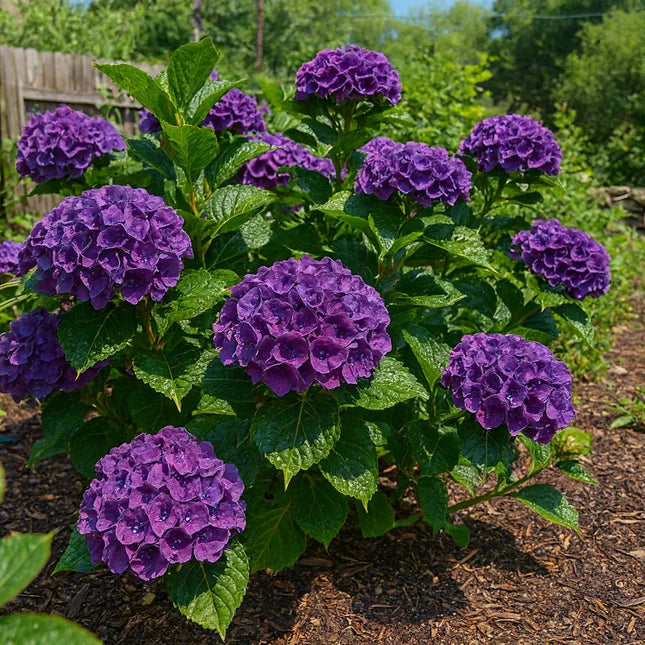
    5 Dark Purple-Parent Hydrangea SeedsStart a distinctive landscape tree, shrub or vine from seed with realistic expectations about maturity and variation. The page is designed to answer the questions that matter before purchase: what is supplied, what preparation may be needed and what results are realistic.Why Choose 5 Dark Purple-Parent Hydrangea Seeds? A hands-on way to grow the plant from its earliest stage Clear preparation, sowing and care guidance Transparent expectations about germination, maturity and seedling variation What’s in the PackApproximately 5 seeds in one packet.Seed-grown expectations: Photos and parent or mix names are references; seed-grown color, form, flavor and growth can vary.Growing Information Light: Full sun to partial shade, depending on species Water: Keep evenly moist during germination and establishment Life cycle: Perennial woody plant Best sowing period: Spring after any required pretreatment Planting Instructions Woody seed often benefits from soaking, scarification or moist cold stratification; requirements vary by species. Use a deep, draining container and transplant only after a strong root system develops. Maintain steady moisture without leaving the medium waterlogged. Provide strong, appropriate light after emergence and acclimate seedlings gradually before outdoor planting. Frequently Asked QuestionsWhat is included with my order?Approximately 5 seeds in one packet.Will the mature plant match the photos exactly?Photos and parent or mix names are references; seed-grown color, form, flavor and growth can vary.Does the seed need special preparation?Woody seed often benefits from soaking, scarification or moist cold stratification; requirements vary by species.How long does germination and maturity take?Germination can take several weeks to several months; flowering or mature form can take years.Can I grow it in a container?Suitable for starting in pots; mature plants may require permanent outdoor space.What light and watering conditions work best?Full sun to partial shade, depending on species. Keep evenly moist during germination and establishment.

    $14.99 $11.99

  • Dahlia-Flowered Zinnia Mix Seeds – parent or mature plant reference; seed-grown results may vary 3 Dahlia-Flowered Zinnia Mix Seeds – parent or mature plant reference; seed-grown results may vary 2

    Dahlia-Flowered Zinnia Mix Seeds

    Dahlia-Flowered Zinnia Mix SeedsCreate seasonal color from seed for beds, borders, cutting gardens or containers. The page is designed to answer the questions that matter before purchase: what is supplied, what preparation may be needed and what results are realistic.Why Choose Dahlia-Flowered Zinnia Mix Seeds? A hands-on way to grow the plant from its earliest stage Clear preparation, sowing and care guidance Transparent expectations about germination, maturity and seedling variation What’s in the PackOne seed packet in the seed count selected above.Seed-grown expectations: Photos and parent or mix names are references; seed-grown color, form, flavor and growth can vary.Growing Information Light: Full sun to partial shade, depending on species Water: Keep evenly moist during germination, then water when the upper soil begins to dry Life cycle: Annual or tender perennial commonly grown as an annual Best sowing period: Spring after frost risk, or indoors several weeks earlier Planting Instructions Most annual flower seed needs no cold stratification. Sow in fine mix at the depth recommended for the seed size and provide good airflow after emergence. Maintain steady moisture without leaving the medium waterlogged. Provide strong, appropriate light after emergence and acclimate seedlings gradually before outdoor planting. Frequently Asked QuestionsWhat is included with my order?One seed packet in the seed count selected above.Will the mature plant match the photos exactly?Photos and parent or mix names are references; seed-grown color, form, flavor and growth can vary.Does the seed need special preparation?Most annual flower seed needs no cold stratification.How long does germination and maturity take?Many annuals germinate within one to three weeks and flower during the growing season.Can I grow it in a container?Suitable for containers when spacing and mature height are considered.What light and watering conditions work best?Full sun to partial shade, depending on species. Keep evenly moist during germination, then water when the upper soil begins to dry.

    $14.99 - $21.00

  • Blue Star Columbine flowers from Aquilegia coerulea seed Blue Star Columbine perennial flowers

    Blue Star Columbine Seeds (Aquilegia coerulea)

    Blue Star Columbine is a graceful perennial with nodding blue-and-white flowers and delicate foliage. It rewards patience: seed germination can be slow, and many seedlings flower in their second season.Key Features Choose 50, 100 or 250 seeds Perennial flower for borders and woodland edges Cold stratification improves germination Attracts pollinators What's in the PackOne packet containing the selected approximate seed count. Seeds only; plants and blooms are not included.Planting InstructionsWhen to SowSow outdoors in fall or cold-stratify seed for 3–4 weeks before spring sowing.Sowing and GerminationSurface sow or cover very lightly, as light helps germination. Keep evenly moist at 60–70°F; seedlings may take 21–30 days or longer.Spacing and CareSet plants 12–18 inches apart in well-drained soil. Give morning sun or partial shade, especially in warm regions.Growing Information Botanical name Aquilegia coerulea Life cycle Perennial Sun Full sun to partial shade Typical germination 21–30 days or longer Bloom timing Often the second year from seed Growing zones Commonly USDA zones 3–8 Bloom and CareDeadhead after bloom if self-seeding is not wanted. Plants may be short-lived but can naturalize where conditions suit them.Frequently Asked QuestionsIs cold stratification required?It is strongly recommended for more even germination.Will it bloom the first year?Some may, but many seed-grown plants bloom in the second season.Will every flower be identical?Flower shade and form can vary among seedlings.Please note: Seed counts, germination, bloom timing and flower appearance are approximate; no exact color guarantee is made.

    $8.86 - $24.95

  • 50 Astilbe Seeds – Mixed Parent Colors – mature plant mix reference 1 50 Astilbe Seeds – Mixed Parent Colors – mature plant mix reference 2

    50 Astilbe Seeds – Mixed Parent Colors

    50 Astilbe Seeds – Mixed Parent ColorsBuild long-lasting garden color from seed. Photos show mature or parent references; seed-grown results depend on genetics and growing conditions.Why Choose 50 Astilbe Seeds – Mixed Parent Colors? A hands-on way to grow the plant from its earliest stage Clear sowing and care guidance for realistic planning Suitable for gardeners who value natural seedling variation What’s in the Pack50 seeds or units, as stated in the product title.Seed-grown variation: The selected label or photo describes the supplier’s parent or mix reference. Seed-grown plants can vary in color, form, vigor and other traits.Growing Information Light: Full sun to partial shade, depending on species. Water: Moderate moisture with good drainage. Life cycle: Perennial Best sowing period: Fall or spring, depending on pre-treatment needs Planting Instructions Many perennial flower seeds benefit from a cold, moist period; requirements vary by species and seed lot. Sow in a fine seed-starting mix after any species-appropriate soaking or moist chilling. Keep the medium evenly moist during germination without leaving it waterlogged. Provide strong, appropriate light after emergence and acclimate seedlings gradually before outdoor planting. Frequently Asked QuestionsWill the plants match the photos or selected type?The selected label or photo describes the supplier’s parent or mix reference. Seed-grown plants can vary in color, form, vigor and other traits.Does the seed need special preparation?Many perennial flower seeds benefit from a cold, moist period; requirements vary by species and seed lot.How should I sow it?Sow in a fine seed-starting mix after any species-appropriate soaking or moist chilling.What light and water does it need?Full sun to partial shade, depending on species. Moderate moisture with good drainage.How long will it take?Germination may be uneven, and flowering may begin in a later season rather than the first year.Can it grow in a container?Young plants can be container-grown; mature suitability depends on species size and hardiness.

  • 250 Polka Dot Bachelor Button Mix Seeds – mature plant mix reference 1 250 Polka Dot Bachelor Button Mix Seeds – mature plant mix reference 2

    Shipped from Berwyn, Illinois, United States 250 Polka Dot Bachelor Button Mix Seeds

    250 Polka Dot Bachelor Button Mix SeedsAdd first-season color to beds, borders and containers. Photos show mature or parent references; seed-grown results depend on genetics and growing conditions.Why Choose 250 Polka Dot Bachelor Button Mix Seeds? A hands-on way to grow the plant from its earliest stage Clear sowing and care guidance for realistic planning Suitable for gardeners who value natural seedling variation What’s in the Pack250 seeds or units, as stated in the product title.Seed-grown variation: The selected label or photo describes the supplier’s parent or mix reference. Seed-grown plants can vary in color, form, vigor and other traits.Growing Information Light: Full sun; light afternoon shade can help in very hot climates. Water: Moderate, even moisture during establishment. Life cycle: Annual Best sowing period: Spring through summer Planting Instructions Cold stratification is not generally required. Avoid burying small seed too deeply. Sow at a shallow depth in prepared soil or start indoors several weeks before the last frost. Keep the medium evenly moist during germination without leaving it waterlogged. Provide strong, appropriate light after emergence and acclimate seedlings gradually before outdoor planting. Frequently Asked QuestionsWill the plants match the photos or selected type?The selected label or photo describes the supplier’s parent or mix reference. Seed-grown plants can vary in color, form, vigor and other traits.Does the seed need special preparation?Cold stratification is not generally required. Avoid burying small seed too deeply.How should I sow it?Sow at a shallow depth in prepared soil or start indoors several weeks before the last frost.What light and water does it need?Full sun; light afternoon shade can help in very hot climates. Moderate, even moisture during establishment.How long will it take?Most annual flowers germinate within 1–3 weeks and bloom during their first growing season.Can it grow in a container?Suitable for containers when spacing, light and drainage are adequate.

  • California Giants Zinnia Mix Seeds – 1 Gram – mature plant mix reference 1 California Giants Zinnia Mix Seeds – 1 Gram – mature plant mix reference 2

    California Giants Zinnia Mix Seeds – 1 Gram

    California Giants Zinnia Mix Seeds – 1 GramAdd first-season color to beds, borders and containers. Photos show mature or parent references; seed-grown results depend on genetics and growing conditions.Why Choose California Giants Zinnia Mix Seeds – 1 Gram? A hands-on way to grow the plant from its earliest stage Clear sowing and care guidance for realistic planning Suitable for gardeners who value natural seedling variation What’s in the PackOne packet or item as described in the selected listing option.Seed-grown variation: The selected label or photo describes the supplier’s parent or mix reference. Seed-grown plants can vary in color, form, vigor and other traits.Growing Information Light: Full sun; light afternoon shade can help in very hot climates. Water: Moderate, even moisture during establishment. Life cycle: Annual Best sowing period: Spring through summer Planting Instructions Cold stratification is not generally required. Avoid burying small seed too deeply. Sow at a shallow depth in prepared soil or start indoors several weeks before the last frost. Keep the medium evenly moist during germination without leaving it waterlogged. Provide strong, appropriate light after emergence and acclimate seedlings gradually before outdoor planting. Frequently Asked QuestionsWill the plants match the photos or selected type?The selected label or photo describes the supplier’s parent or mix reference. Seed-grown plants can vary in color, form, vigor and other traits.Does the seed need special preparation?Cold stratification is not generally required. Avoid burying small seed too deeply.How should I sow it?Sow at a shallow depth in prepared soil or start indoors several weeks before the last frost.What light and water does it need?Full sun; light afternoon shade can help in very hot climates. Moderate, even moisture during establishment.How long will it take?Most annual flowers germinate within 1–3 weeks and bloom during their first growing season.Can it grow in a container?Suitable for containers when spacing, light and drainage are adequate.

  • Coleus Seeds – Choose a Parent Plant – parent plant reference; seed-grown results may vary 3 Coleus Seeds – Choose a Parent Plant – parent plant reference; seed-grown results may vary 2

    Coleus Seeds – Choose a Parent Plant

    1 review

    Coleus Seeds – Choose a Parent PlantGrow colorful foliage for containers and mixed plantings. This listing is written to set clear expectations before purchase: photos show mature or parent references, while seed-grown results depend on genetics and growing conditions.Why Choose Coleus Seeds – Choose a Parent Plant? A hands-on way to grow the plant from its earliest stage Clear sowing and care guidance for realistic planning Suitable for gardeners who value natural seedling variation What’s in the PackOne seed packet in the selected parent/type or style option; use the option label for the exact selection.Seed-grown variation: Seedlings can show a range of foliage colors and patterns; named parent colors are not guaranteed in every plant.Growing Information Light: Bright indirect light or partial shade; avoid scorching young foliage. Water: Moderate, even moisture with good drainage. Life cycle: Tender perennial often grown as an annual Best sowing period: Spring through summer or year-round indoors Planting Instructions No cold stratification. Light, warmth and consistent surface moisture support germination. Surface-sow the small seed, press gently into moist mix and provide warmth and light. Keep the medium evenly moist during germination without leaving it waterlogged. Provide strong, appropriate light after emergence and acclimate seedlings gradually before outdoor planting. Frequently Asked QuestionsWill the plants match the photos or selected type?Seedlings can show a range of foliage colors and patterns; named parent colors are not guaranteed in every plant.Does the seed need special preparation?No cold stratification. Light, warmth and consistent surface moisture support germination.How should I sow it?Surface-sow the small seed, press gently into moist mix and provide warmth and light.What light and water does it need?Bright indirect light or partial shade; avoid scorching young foliage. Moderate, even moisture with good drainage.How long will it take?Germination is often within 1–3 weeks, with foliage color developing as seedlings mature.Can it grow in a container?Excellent for containers, shaded patios and indoor bright-light displays.

    $12.59 - $15.99

  • 10 Dark Burgundy Geranium Seeds - Seed World

    10 Dark Burgundy Geranium Seeds

    2 reviews

    The tiny leaves have the characteristic rounded shape, with contrasting bands of maroon. Aw, shucks they're cute! But the power — the thing that tells you spring is coming and gives you hope — is in the smell, that one-of-a-kind geranium fragrance. Even in the dead of winter, those tiny leaves smell like summer on the porch.Many gardeners know about starting geraniums from cuttings. It's a great way to share treasured plants, and it feels thrifty. And gardeners love things that are thrifty. But if you start plants from seed, you get to choose from a range of colors: bright red, scarlet, bicolors, orange-salmon, coral, pink, white and lavender. And instead of feeling thrifty, you feel clever.What You Need:Seeds:There is a wide selection available at garden centers and online. The key is to start early: You'll need 12 to 16 weeks to get flowering plants. Some varieties come in to bloom faster than others, so check the seed packets.Pots and soil:Although you can start seeds in any container with good drainage and sterile "potting soil," it's a good idea to start with a multi-cell tray that's designed for seed starting. "We use the GrowEase system and have had almost 100 percent germination," Valerie says. "Of 200 seeds, only two failed to germinate. For potting soil, use a sterile mix, such as Seed Starting Mix.Light:Your seedlings will need light — lots of it. You can get pretty good results in a south-facing window, but it's easier to ensure ideal growing conditions by growing the seedlings under lights.Fertilizer:Choose a water-soluble plant food, such as Plant Health Care for Seedlings/Houseplants.1. Fill your pots or planting cells with moistened potting soil. The ideal size is about 2-3". Eventually, you will have to "pot up" your seedlings. In other words, you will transplant them to a larger pot once they have about three sets of leaves and the roots have filled the starter pot. Although it might seem wise to start with a larger pot, it's not. Seedlings seem to do better in close quarters.2. Place one tiny seed in each pot and cover with a thin layer of moistened soil, just enough to cover the seed. Cover the pots with a piece of plastic wrap or — if you're using a seed-starter — put the clear cover on top.3. Place the whole setup in a place that's warm, with bright, indirect light. Geranium seeds germinate best at 75 degrees F., so consider putting them on top of a refrigerator or using a Heat Mat. If the soil surface gets dry, use a mister to moisten it with water.4. Watch for germination, which can take as few as three days or as long as four weeks. As soon as you see the first shoots of green, remove the covering and moisten the soil if it looks dry.5. Move the tiny plants to a place that gets bright light, with temperatures in the 70s during the day and no lower than 60 degrees F. at night. Although you can grow them on a sunny, south-facing window, grow lights are best. Keep the bulbs no more than 6" above the plants, adjusting as they grow. Leave the lights on for 12 to 16 hours a day.6. Begin fertilization at this stage: once a week with liquid fertilizer that's mixed at half strength.7. When the plants have three sets of leaves, transplant them to a 3-1/2" to 4" pot. Self-watering Pop Out Pots work well, but you can use anything that's about 4"."This gives the roots more room to grow," Valerie says. "Plus, you get more space between the plants, so air can circulate. Crowded plants are more susceptible to disease." Don't get thrifty by reusing old soil, which can harbor pests and disease. Use fresh potting soil, such as our Transplant Mix, which is sterile and drains freely. Continue fertilizing the seedlings, but mix it at full strength and apply it at the rate recommended on the package. "I like our Plant Health Care fertilizer," Valerie says.8. When frost-free weather arrives, it's time to "harden off" the seedlings. Hardening off is simply acclimating plants to outdoor conditions. Seedlings grown indoors have been coddled — you've been giving them just the right amount of light, moisture and nutrients. Outdoor conditions are more challenging, with fluctuating temperatures and light levels, more variable soil moisture and wind. About a week before you plan to set the seedlings into the garden, start hardening them off. Place them in a protected spot outdoors (partly shaded, out of the wind) for a few hours, bringing them in at night. Gradually, over the course of a week to 10 days, expose them to more and more sunshine and wind.

  • Hydrangea Seeds – Choose a Parent Flower – parent plant reference; seed-grown results may vary 1 Hydrangea Seeds – Choose a Parent Flower – parent plant reference; seed-grown results may vary 2

    Shipped from Ravensdale, WA, USA Hydrangea Seeds – Choose a Parent Flower

    2 reviews

    Hydrangea Seeds – Choose a Parent FlowerStart a lasting ornamental tree or shrub for structure, screening or seasonal interest. This listing is written to set clear expectations before purchase: photos show mature or parent references, while seed-grown results depend on genetics and growing conditions.Why Choose Hydrangea Seeds – Choose a Parent Flower? A hands-on way to grow the plant from its earliest stage Clear sowing and care guidance for realistic planning Suitable for gardeners who value natural seedling variation What’s in the PackOne seed packet in the selected parent/type or style option; use the option label for the exact selection.Seed-grown variation: Parent-flower labels are references only. Seedlings may differ in color and form, and panicle/climbing types do not respond to soil pH like bigleaf hydrangeas.Growing Information Light: Full sun to partial shade, depending on species and climate. Water: Moderate moisture in well-draining media while seedlings establish. Life cycle: Perennial Best sowing period: Begin preparation in winter for spring sowing when chilling is required Planting Instructions Surface-sow the tiny seed and provide light, humidity and airflow; do not bury deeply. Sow in a fine, well-draining seed-starting mix after completing any species-appropriate pre-treatment. Keep the medium evenly moist during germination without leaving it waterlogged. Provide strong, appropriate light after emergence and acclimate seedlings gradually before outdoor planting. Frequently Asked QuestionsWill the plants match the photos or selected type?Parent-flower labels are references only. Seedlings may differ in color and form, and panicle/climbing types do not respond to soil pH like bigleaf hydrangeas.Does the seed need special preparation?Surface-sow the tiny seed and provide light, humidity and airflow; do not bury deeply.How should I sow it?Sow in a fine, well-draining seed-starting mix after completing any species-appropriate pre-treatment.What light and water does it need?Full sun to partial shade, depending on species and climate. Moderate moisture in well-draining media while seedlings establish.How long will it take?Germination can be gradual, and mature flowers or form may take several seasons.Can it grow in a container?Useful for nursery-stage growth; mature trees and shrubs need space appropriate to the species.

    $15.99 - $17.99

Find flower seeds for garden beds, borders, trellises, containers and indoor growing. Seed World brings together annuals, perennials, flowering vines and shrubs so you can choose by the space you want to plant. Check the botanical name, growing zone, light requirements and packet quantity for each selection.

Shop flower seeds by growing space

  • Flowering shrubs: Browse hydrangea seeds for a longer-term garden project. Parent-flower selections can produce seedlings with different colors and forms.
  • Trellises and fences: Explore honeysuckle vine seeds. Check the species, mature size and suitability for your location before choosing a vigorous climber.
  • Indoor flowers: African violet seeds are an option for growers who can provide bright indirect light and carefully managed sowing conditions indoors.
  • Water gardens: bowl lotus seeds need an aquatic growing setup. Choose them for a suitable water container rather than a conventional flower bed.
  • Seasonal planning: Browse flower seeds to plant in spring and plan around your local last frost date.

Choose flowers that fit your garden

Start with the space available. Compare mature height and spread for borders, allow climbing plants room and support, and match container size to the mature plant. For outdoor perennials, check the USDA growing zone as well as summer light and moisture needs.

If you want blooms sooner, compare the life cycle and flowering guidance in each listing. Annuals, perennial flowers and woody plants do not all flower on the same schedule. Seed-grown plants may also differ from a photographed parent, particularly when a listing offers parent-flower selections.

Frequently asked questions

What should I check before buying flower seeds?

Check the plant identity, number of seeds in the selected option, mature size, growing zone and sowing requirements. Some species need surface sowing or a period of cold, moist treatment before germination.

Can I grow flower seeds indoors?

Some plants are suited to indoor growing, while others are started indoors and later transplanted outside. For a flowering houseplant project, see the African violet growing guide and seed options.

Do all flower seeds need the same planting method?

No. Seed depth, light, temperature and any pretreatment depend on the species. Follow the selected product and packet instructions rather than using one method for every flower.

© 2026 Seed World, Powered by Shopify

    • PayPal

    Login

    Forgot your password?

    Don't have an account yet?
    Create account