
Products
-


Shipped from USA True Wild Lettuce Seeds – Lactuca Virosa
Discover the power of True Wild Lettuce (Lactuca virosa) – an ancient medicinal herb and heirloom green valued for centuries for its calming properties and versatile uses. Unlike regular lettuce, wild lettuce produces tall, leafy greens with a slightly bitter taste, often used in herbal remedies, teas, and extracts. A hardy biennial plant, Lactuca virosa thrives in a wide range of climates and is easy to grow in gardens, pots, or wildflower beds. Its tall stalks and yellow blossoms make it not only functional but also visually striking in the garden. 🌟 Key Features: Medicinal Herb – Traditionally valued for its calming and relaxing properties. Heirloom Variety – Pure, non-GMO wild lettuce seeds. Hardy & Easy to Grow – Thrives in sun to partial shade and adapts well to different soils. Dual Purpose – Beautiful garden addition and herbal remedy source. Fast Growing – Germinates quickly with minimal care. 🌱 Why Grow True Wild Lettuce Seeds? Add a unique medicinal herb to your garden collection Enjoy heirloom, non-GMO seeds trusted for centuries Grow your own natural herbal remedies at home 🌿 Growing Tips Soil: Prefers well-draining, fertile soil Sunlight: Full sun to partial shade Sowing Depth: 1/8 inch, lightly press seeds into soil Watering: Keep soil evenly moist until established Harvest: Leaves can be picked once plants mature; harvest before flowering for best potency ❓ Frequently Asked Questions (FAQ) Is this the same as regular lettuce?No, True Wild Lettuce (Lactuca virosa) is a medicinal herb with a slightly bitter flavor, different from common garden lettuce. Can I grow wild lettuce indoors?Yes! It grows well in pots or containers with good sunlight and proper soil. How long does it take to germinate?Seeds usually germinate within 10–14 days under ideal conditions. Is this variety non-GMO?Yes, all our seeds are heirloom and non-GMO. Where to Buy True Wild Lettuce Seeds for Sale?At Seeds World, we offer fresh, high-quality Lactuca virosa seeds with fast U.S. shipping, so you can start growing this rare medicinal herb today.
$16.95 - $29.99
-


Tulip Bulbs – Triumph Mix (Multi-Color Spring Blend)
Triumph Mix Tulip Bulbs – A Spectacular Spring Color ShowImagine stepping outside on a crisp spring morning to a garden ablaze with bold, saturated tulip blooms in every shade imaginable. That's exactly what Triumph Mix Tulip Bulbs deliver. This carefully curated blend of classic Triumph-type tulips brings together a rich palette of reds, pinks, purples, yellows, and whites — all in one stunning, harmonious display.Triumph tulips are among the most popular in the world for good reason: they're sturdy, wind-resistant, and produce large, perfectly shaped blooms on strong stems. Whether you're lining a garden path, filling a border, or creating a dramatic focal point, this mix does the heavy lifting for you.Product Highlights Type: Triumph Tulip (mid-season bloomer) Colors: Mixed — reds, pinks, purples, yellows, whites Bloom Time: Mid-Spring (April–May) Stem Height: 18–22 inches Planting Depth: 6–8 inches Spacing: 4–6 inches apart Hardiness Zone: 3–8 Light: Full Sun to Partial Shade Planting Season: Fall (October–November) Planting Tips Plant bulbs in fall, pointed side up, 6–8 inches deep Choose well-drained soil — tulips dislike waterlogged roots Water once after planting, then let winter rains do the work For a natural look, scatter bulbs and plant where they land After blooming, allow foliage to die back naturally to feed next year's bulb Available Pack Sizes 5 Bulbs — Perfect for pots, containers, or a small accent patch 10 Bulbs (Most Popular) — Ideal for borders and garden beds 25 Bulbs — Create a full, sweeping display of color Frequently Asked QuestionsWhen should I plant Triumph Mix Tulip Bulbs?Plant in fall (October–November) when soil temperatures drop below 50°F (10°C). This cold period is essential for triggering spring blooms.How many bulbs do I need for a good display?For a full, lush look, we recommend at least 10 bulbs per square foot. Our 25-bulb pack is perfect for creating a dramatic garden bed or border.Will these tulips come back every year?Triumph tulips can rebloom for several years in zones 3–8 with proper care. Allow the foliage to die back naturally after blooming to replenish the bulb for next season.Can I grow these tulips in pots or containers?Yes! Tulip bulbs grow beautifully in deep containers (at least 12 inches). Plant in fall, store in a cool spot over winter, and bring out in early spring to enjoy the blooms.What colors are included in the Triumph Mix?The mix includes a vibrant assortment of reds, pinks, purples, yellows, and whites. Since it's a mix, exact color ratios vary per pack — that's part of the surprise and charm!
$25.00 - $60.00
-

Turf Builder Bermuda Grass Seed – 1 lb
Grow Turf Builder Bermuda Grass Seed for lawns, groundcovers, forage, or cover-crop projects that match the mix. This listing gives you clear quantity, realistic seed-starting expectations, and the key decisions to make before sowing. Why Choose These Seeds Product identity and quantity are presented clearly Practical sowing guidance for a stronger start Realistic expectations about germination and seed-grown variation Useful for gardeners who want control over placement and growing conditions At a Glance Plant Turf Builder Bermuda Grass Seed Order contents The planting material and quantity stated in the product title. Best for lawns, groundcovers, forage, or cover-crop projects that match the mix Success starts with Fresh mix, correct moisture, suitable temperature, and patience How to Start Prepare firm, weed-free soil and calculate the area before opening the package. Distribute seed evenly at the rate appropriate for the lawn, forage, or cover-crop use. Press seed into the soil for good contact and keep the surface consistently moist during establishment. Delay heavy traffic and mowing until seedlings are rooted and growing actively. Set expectations: Coverage and establishment vary with preparation, sowing rate, weather, irrigation, and site pressure. Photos show a representative mature result, not the appearance of the seed packet or a guaranteed individual plant. Use only as directed for the stated gardening purpose and keep planting material away from children and pets. Frequently Asked Questions What exactly will I receive?The planting material and quantity stated in the product title. Is Turf Builder Bermuda Grass Seed a good fit for my garden?Confirm mature size, light, climate, and local restrictions before planting. Lawns, groundcovers, forage, or cover-crop projects that match the mix are the intended use. Should I start the seeds indoors or direct sow?Sow into a prepared outdoor site. How long will germination take?Timing varies by species, seed treatment, temperature, moisture, and seed dormancy. Do not discard a properly maintained tray simply because emergence is uneven. Will every plant look exactly like the photos?No. Coverage and establishment vary with preparation, sowing rate, weather, irrigation, and site pressure. Are there safety or local planting concerns?Use only as directed for the stated gardening purpose and keep planting material away from children and pets.
$44.99
-


Twin Rose Seeds (Rosa spp.) – Mixed-Genetics Rose Seeds (20 Seeds)
Grow roses from seed for a unique, one-of-a-kind garden experience. “Twin Rose” is a descriptive name for mixed-genetics rose seeds (Rosa spp.) that may produce blooms with interesting color patterns over time. Because roses grown from seed are genetically variable, flower color, pattern, fragrance, plant size, and bloom timing can differ from plant to plant. Why Choose These Rose Seeds? Fun to grow: Seed-grown roses can surprise you with unique traits and blooms. Great for gardeners who enjoy experimentation: Expect natural variation rather than an identical match to photos. Outdoor or container-friendly: Can be started indoors and later moved outside after frost risk passes. Best for sunny gardens: Roses generally perform best with full sun and well-drained soil. Important note on expectations: Seed-grown roses are not “true to type.” Photos show examples of possible outcomes, not a guaranteed result. What's in the Pack? Quantity: 20 rose seeds (Rosa spp.) Plant type: Perennial shrub (performance and final size vary by genetics and conditions) Growing zone guidance: Many roses grow well in USDA Zones 5–9. In colder zones, consider containers and winter protection. Results vary. Planting Instructions Cold stratify first (recommended): Place seeds in a moist medium (damp paper towel or damp peat/vermiculite inside a sealed bag). Refrigerate at about 35–40°F (2–4°C) for 6–10 weeks. Keep the medium lightly moist, not wet. Sow: After stratification, sow seeds about 1/4 inch deep in a sterile seed-starting mix. Warmth & light: Keep at 65–75°F (18–24°C) with bright light. Maintain evenly moist soil. Germination timing: Germination can be uneven. Some seeds sprout within a few weeks after stratification; others may take longer. Transplant: When seedlings have several true leaves, transplant to individual pots. Harden off before moving outdoors. Patience: Seed-grown roses often take 1+ years to flower, sometimes longer depending on conditions. FAQs Will my roses look exactly like the photos? No. Roses grown from seed are genetically variable, so color and pattern can differ. Photos show examples of possible blooms, not a guaranteed outcome. If you need an exact, named rose variety, it is best to buy a live plant or cutting. Do rose seeds need cold stratification? Most rose seeds germinate more reliably after a period of cold, moist stratification. A typical home method is refrigerating the seeds in a lightly moist medium for 6–10 weeks before sowing. How long does germination take? After stratification and sowing, germination can take a few weeks to several weeks, and it may happen in waves rather than all at once. Temperature, moisture, and seed genetics all affect timing. How long until the plant blooms? Seed-grown roses usually need time to mature. Some may bloom after a year, while others can take longer depending on growing conditions and genetics. What growing zones are best? Many garden roses perform well in USDA Zones 5–9. In colder zones, start in containers and provide winter protection. Because these are mixed-genetics seeds, hardiness can vary. Can I grow these in containers? Yes. Start seeds in small pots or trays, then pot up as the plant grows. Use a well-draining mix and ensure at least 6 hours of sun (or strong grow lights indoors for seedlings). Where to buy rose seeds for sale? If you want to start roses from seed and understand that results can vary, Seed World offers rose seeds from marketplace sellers with convenient ordering and shipping options across the U.S. For exact, named rose varieties, consider purchasing a live plant instead of seed.
$15.99
-


Umbrella Plant Seeds (Cyperus) – 100 Seeds
Grow Umbrella Plant Seeds for beds, borders, containers, and pollinator plantings where the species is appropriate. This listing gives you clear quantity, realistic seed-starting expectations, and the key decisions to make before sowing. Why Choose These Seeds Product identity and quantity are presented clearly Practical sowing guidance for a stronger start Realistic expectations about germination and seed-grown variation Useful for gardeners who want control over placement and growing conditions At a Glance Plant Umbrella Plant Seeds Order contents One order contains 100 seeds, as stated in the title. Best for beds, borders, containers, and pollinator plantings where the species is appropriate Success starts with Fresh mix, correct moisture, suitable temperature, and patience How to Start Use a clean, well-drained seed-starting mix and follow the species’ light or stratification needs. Sow at a depth appropriate to seed size; dust-like seed is usually surface sown. Keep the medium evenly moist, never saturated, and provide good air circulation. Harden seedlings off gradually before moving them to their permanent site. Set expectations: Seed-grown plants can vary in color, form, vigor, and bloom or harvest timing. Photos show a representative mature result, not the appearance of the seed packet or a guaranteed individual plant. Seed-grown plants can vary in color, form, and flowering time; photos show the mature type, not a guaranteed individual result. Frequently Asked Questions What exactly will I receive?One order contains 100 seeds, as stated in the title. Is Umbrella Plant Seeds a good fit for my garden?Confirm mature size, light, climate, and local restrictions before planting. Beds, borders, containers, and pollinator plantings where the species is appropriate are the intended use. Should I start the seeds indoors or direct sow?Either can work depending on the species and climate; indoor starting offers closer control, while direct sowing reduces transplant disturbance. How long will germination take?Timing varies by species, seed treatment, temperature, moisture, and seed dormancy. Do not discard a properly maintained tray simply because emergence is uneven. Will every plant look exactly like the photos?No. Seed-grown plants can vary in color, form, vigor, and bloom or harvest timing. Are there safety or local planting concerns?Seed-grown plants can vary in color, form, and flowering time; photos show the mature type, not a guaranteed individual result.
$10.65
-


Shipped from Rockville, MD, USA Venus Flytrap Seeds (Dionaea muscipula)
Venus Flytrap Seeds (Dionaea muscipula) Grow the famous Venus flytrap from seed and watch each plant develop its own rosette of snap traps. This temperate carnivorous plant is native to the coastal plain of North and South Carolina and requires mineral-free water, nutrient-poor soil, strong light, and patience. Why Grow Venus Flytraps from Seed? Distinctive carnivorous foliage: Mature leaves form active traps that capture small insects. Seed-grown variation: Each seedling can develop slightly different growth and coloration. Three seed counts: Choose 20, 50, or 100 seeds. Long-term growing project: Observe development from tiny seedlings to mature plants. Temperate species: Established plants benefit from a cool winter dormancy. What’s in the Pack? Select a pack of 20, 50, or 100 Venus flytrap seeds. Planting Instructions Growing Medium: Use unfertilized sphagnum peat mixed with perlite or silica sand. Do not use ordinary potting soil or fertilizer. Planting Depth: Surface sow and press gently into the moist medium; do not bury deeply. Water: Use rainwater, distilled water, or reverse-osmosis water. Avoid mineral-rich tap water. Temperature: Maintain approximately 70–85°F (21–29°C) during germination. Light: Provide bright light, introducing young seedlings gradually to stronger sun. Moisture: Keep the medium consistently damp, with ventilation to reduce mold. Germination: Fresh seed often sprouts in 2–8 weeks, but timing varies. FAQs Are Venus Flytraps easy to grow from seed? They require more specialized care than common houseplants. Correct water, soil, light, and patience are essential. Do the seeds need cold stratification? Fresh Venus flytrap seed generally does not require cold stratification before sowing. Can I use tap water? Only if it is very low in dissolved minerals. Rainwater, distilled water, or reverse-osmosis water is the safer choice. When do Venus Flytraps need dormancy? Established plants benefit from a cool winter dormancy. Very young seedlings can be kept growing through their first winter.
$15.99 - $23.99
-
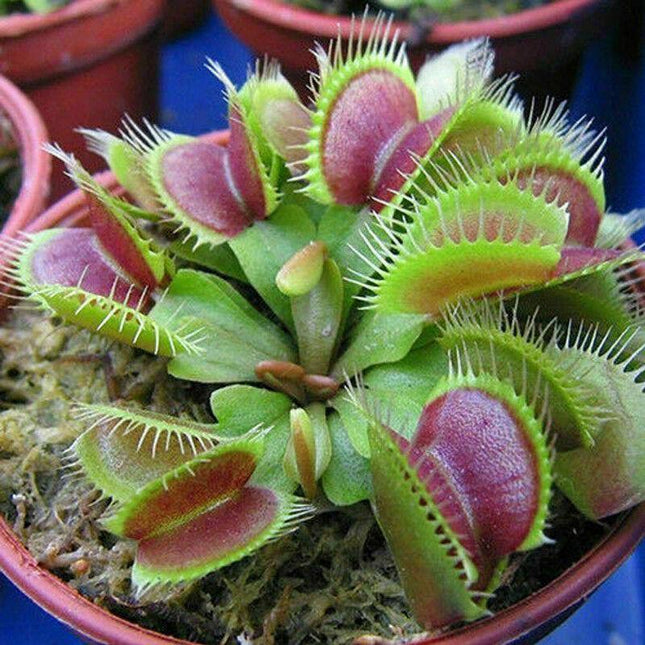
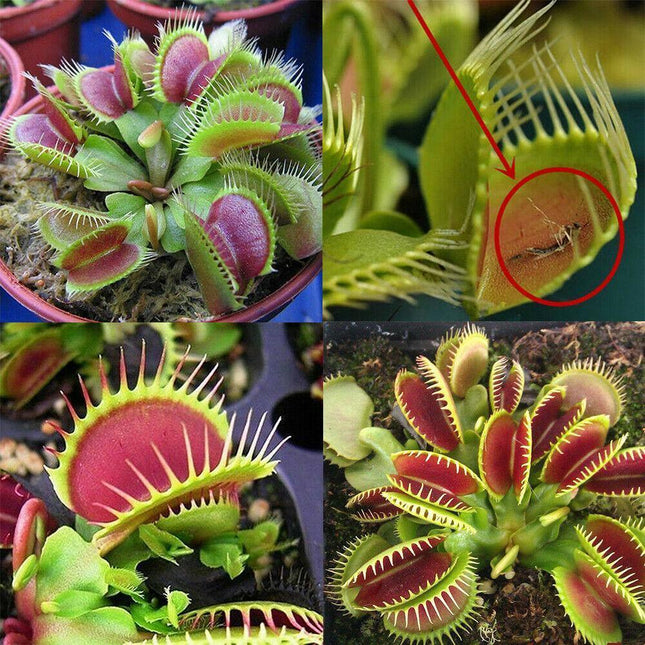
Venus Flytrap Seeds (Dionaea muscipula)
Venus Flytrap Seeds (Dionaea muscipula)Grow a fascinating carnivorous plant from seed using the mineral-free water and low-nutrient conditions it requires. The page is designed to answer the questions that matter before purchase: what is supplied, what preparation may be needed and what results are realistic.Why Choose Venus Flytrap Seeds (Dionaea muscipula)? A hands-on way to grow the plant from its earliest stage Clear preparation, sowing and care guidance Transparent expectations about germination, maturity and seedling variation What’s in the PackOne seed packet in the seed count selected above.Seed-grown expectations: Natural variation can occur in any seed-grown plant, and results depend on seed freshness and growing conditions.Important: Do not use tap water, fertilizer or standard potting soil unless their mineral content is known to be suitable.Growing Information Light: Bright light or several hours of direct sun after gradual acclimation Water: Use rain, distilled or reverse-osmosis water; keep the medium consistently moist Life cycle: Perennial carnivorous plant Best sowing period: Spring or year-round under controlled indoor conditions Planting Instructions Fresh tropical sundew and Venus flytrap seed is generally sown without routine cold stratification. Surface-sow on unfertilized acidic carnivorous-plant medium and do not bury. Maintain steady moisture without leaving the medium waterlogged. Provide strong, appropriate light after emergence and acclimate seedlings gradually before outdoor planting. Frequently Asked QuestionsWhat is included with my order?One seed packet in the seed count selected above.Will the mature plant match the photos exactly?Natural variation can occur in any seed-grown plant, and results depend on seed freshness and growing conditions.Does the seed need special preparation?Fresh tropical sundew and Venus flytrap seed is generally sown without routine cold stratification.How long does germination and maturity take?Germination may take several weeks; plants need time to reach mature size.Can I grow it in a container?Best in plastic pots with drainage standing in a shallow tray of mineral-free water.What light and watering conditions work best?Bright light or several hours of direct sun after gradual acclimation. Use rain, distilled or reverse-osmosis water; keep the medium consistently moist.
$17.99 - $29.99
-


Ships from Saint Augustine, Florida, United States Verbena Hybrids - Nana Compacta Rose Seeds - 40 Seeds
Grow Verbena Nana Compacta Rose, a compact flowering verbena known for its clusters of bright rose-pink blooms and low, spreading habit. It is an excellent choice for borders, containers, edging, window boxes, and pollinator-friendly gardens where long-lasting summer color is desired. Why Choose These Seeds Produces clusters of vivid rose-pink flowers Compact, low-growing habit ideal for small spaces Excellent for borders, containers, edging, and window boxes Attracts butterflies and other pollinators Long blooming season under suitable growing conditions At a Glance Plant Verbena Nana Compacta Rose Order contents 40 seeds Plant type Flowering annual / tender perennial Best for Borders, containers, edging, window boxes, pollinator gardens Light Full sun Mature height Approximately 6–12 inches Flower color Rose pink Success starts with Warmth, bright light, good drainage, and steady moisture How to Start Fill seed trays or small pots with a clean, well-draining seed-starting mix. Sow the seeds shallowly and cover them lightly with a thin layer of growing medium. Keep the soil consistently moist but not waterlogged. Maintain temperatures around 65–75°F (18–24°C) during germination. Germination commonly takes around 2–4 weeks, although some seeds may take longer. Once seedlings are established, provide plenty of bright light. Transplant outdoors after the danger of frost has passed, spacing plants to allow good airflow. Set expectations: Verbena germination can sometimes be uneven, so allow extra time before discarding unsprouted seeds. Growth and flowering depend on temperature, light, moisture, soil conditions, and overall care. Plants grown from seed may show slight natural variation in flower shade and growth habit. Frequently Asked Questions What exactly will I receive?One order contains 40 Verbena Nana Compacta Rose seeds. How long do Verbena seeds take to germinate?Germination typically takes around 2–4 weeks under suitable conditions, although some seeds may germinate later. Do Verbena seeds need cold stratification?Cold stratification is generally not required, but germination may improve when seeds experience consistent moisture and moderate temperatures. Is Nana Compacta Rose good for containers?Yes. Its naturally compact growth habit makes it an excellent choice for pots, window boxes, hanging displays, and small garden spaces. Does Verbena attract pollinators?Yes. Verbena flowers are attractive to butterflies and other beneficial pollinating insects.
$14.99 $12.82
-


Ships from Sherwood, Oregon, United States Viola Arkwright Ruby Seeds – 50 Deep Red Flower Seeds
Grow Viola ‘Arkwright Ruby’, a striking ornamental viola known for its rich ruby-red to deep crimson flowers, often accented by darker markings and a warm golden center. Its compact habit makes it a beautiful choice for borders, containers, window boxes, and cool-season flower displays. Why Choose These Seeds Rich ruby-red to deep crimson flowers Compact growth habit ideal for small spaces Excellent for borders, pots, window boxes, and edging Performs especially well in cool-season gardens Adds bold color to spring and autumn displays At a Glance Plant Viola ‘Arkwright Ruby’ Order contents 50 seeds Plant type Flowering perennial, often grown as an annual or biennial Best for Borders, containers, window boxes, edging Light Full sun to partial shade Mature height Approximately 6–10 inches Flower color Ruby red to deep crimson Success starts with Cool temperatures, steady moisture, and well-drained soil How to Start Fill seed trays or small pots with a clean, well-draining seed-starting mix. Sow seeds about 1/8 inch deep and cover lightly with growing medium. Keep the soil evenly moist but not waterlogged. Maintain cool to moderate temperatures, ideally around 60–70°F (16–21°C). Germination commonly occurs in approximately 1–3 weeks under suitable conditions. Once seedlings are large enough to handle, transplant them carefully into individual pots or garden beds. For best flowering, grow in cool conditions with good light and regular moisture. Set expectations: Germination and flowering may vary depending on temperature, moisture, seed freshness, and local climate. Plants grown from seed may also show slight natural variation in flower shade, markings, and growth habit. Frequently Asked Questions What exactly will I receive?One order contains 50 Viola ‘Arkwright Ruby’ seeds. How long do Viola Arkwright Ruby seeds take to germinate?Seeds typically germinate in around 1–3 weeks when kept consistently moist and at cool to moderate temperatures. Do Viola seeds need cold stratification?Cold stratification is generally not essential, but cool growing conditions can help support strong germination and seedling development. Can Viola Arkwright Ruby be grown in containers?Yes. Its compact habit makes it an excellent choice for pots, window boxes, patio containers, and small garden spaces. Does Viola Arkwright Ruby prefer cool weather?Yes. Violas generally perform best during cool spring and autumn weather and may slow down during periods of intense summer heat.
$12.99
-


Shipped from Florida, USA Virginia Jumbo Peanut Seeds – NON-GMO High-Yield Heirloom Variety
Grow your own delicious, jumbo-sized peanuts right at home with Virginia Jumbo Peanut Seeds (NON-GMO)—the most popular variety for roasting, boiling, snacking, and home gardening. Known for producing extra-large pods, excellent flavor, and dependable yields, Virginia Jumbo peanuts are a top choice for gardeners across warm U.S. climates. These peanuts thrive in loose, sandy soil and warm weather, producing sprawling plants that enrich your soil naturally by fixing nitrogen. Easy to grow and incredibly rewarding, Virginia Jumbo peanuts make a fun crop for families, homesteaders, and anyone wanting fresh, home-grown nuts straight from the garden. 🌱 Why Grow Virginia Jumbo Peanut Seeds? Produces large, premium peanuts ideal for roasting or boiling NON-GMO, untreated, heirloom seed Easy to grow in warm climates Naturally enriches the soil with nitrogen Fun, educational crop for kids and beginners High yield per plant for maximum harvest 🌿 Growing Tips Planting Time: After last frost; soil must be warm (65°F–70°F+) Soil: Loose, sandy, well-drained soil is ideal Spacing: Plant seeds 1–2" deep, 6–8" apart Sunlight: Full sun (6–8+ hours daily) Watering: Keep moist but not waterlogged; reduce water near harvest Days to Harvest: 120–140 days Harvest Tip: Pull plants when leaves yellow and pods mature beneath the soil 📝 Peanut plants flower above ground, then send “pegs” into the soil where the peanuts form—so loosened soil is essential. ❓ Frequently Asked Questions (FAQ) Are these peanuts safe to eat once grown?Yes! These are NON-GMO Virginia Jumbo edible peanuts perfect for roasting or boiling. What climate is best for growing peanuts?Warm climates with long growing seasons—zones 7–11 are ideal. How long do peanuts take to mature?Typically 120–140 days from planting to harvest. Do peanut plants really grow underground?Yes—flowers form above ground, but peanuts develop underground after “pegs” enter the soil. Can they grow in containers?Yes, but use a deep, wide container with loose sandy soil for best results. Where to Buy Virginia Jumbo Peanut Seeds for Sale?At Seeds World, we offer fresh, NON-GMO Virginia Jumbo Peanut seeds with fast U.S. shipping, ensuring you receive high-quality seeds ready for strong germination and a bountiful harvest.
$16.99 - $24.99
-

Wax Gourd Seeds (Winter Melon, Ash Gourd) – Benincasa hispida
Grow Wax Gourd Seeds (Winter Melon, Ash Gourd) – Benincasa hispida for food gardens and containers with suitable space and growing conditions. This listing gives you clear quantity, realistic seed-starting expectations, and the key decisions to make before sowing. Why Choose These Seeds Product identity and quantity are presented clearly Practical sowing guidance for a stronger start Realistic expectations about germination and seed-grown variation Useful for gardeners who want control over placement and growing conditions At a Glance Plant Wax Gourd Seeds (Winter Melon, Ash Gourd) – Benincasa hispida Order contents Choose from the available options shown on the page (number of seeds: 10, 20). Best for food gardens and containers with suitable space and growing conditions Success starts with Fresh mix, correct moisture, suitable temperature, and patience How to Start Start in a clean seed-starting mix or direct sow when conditions suit the crop. Sow at a depth appropriate to seed size; very small seed needs only a light covering. Keep evenly moist, provide strong light after emergence, and thin crowded seedlings. Transplant after hardening off and when outdoor temperatures are appropriate for the crop. Set expectations: Seed-grown plants can vary in color, form, vigor, and bloom or harvest timing. Photos show a representative mature result, not the appearance of the seed packet or a guaranteed individual plant. Seeds are sold for planting. Confirm crop-specific food safety, harvest maturity, and preparation guidance before eating any plant part. Frequently Asked Questions What exactly will I receive?Choose from the available options shown on the page (number of seeds: 10, 20). Is Wax Gourd Seeds (Winter Melon, Ash Gourd) – Benincasa hispida a good fit for my garden?Confirm mature size, light, climate, and local restrictions before planting. Food gardens and containers with suitable space and growing conditions are the intended use. Should I start the seeds indoors or direct sow?Either can work depending on the species and climate; indoor starting offers closer control, while direct sowing reduces transplant disturbance. How long will germination take?Timing varies by species, seed treatment, temperature, moisture, and seed dormancy. Do not discard a properly maintained tray simply because emergence is uneven. Will every plant look exactly like the photos?No. Seed-grown plants can vary in color, form, vigor, and bloom or harvest timing. Are there safety or local planting concerns?Seeds are sold for planting. Confirm crop-specific food safety, harvest maturity, and preparation guidance before eating any plant part.
$9.99 - $13.23
-


Western White Pine Seeds (Pinus monticola)
Grow Western White Pine Seeds for patient growers planning a long-term tree or shrub project. This listing gives you clear quantity, realistic seed-starting expectations, and the key decisions to make before sowing. Why Choose These Seeds Product identity and quantity are presented clearly Practical sowing guidance for a stronger start Realistic expectations about germination and seed-grown variation Useful for gardeners who want control over placement and growing conditions At a Glance Plant Western White Pine Seeds Order contents Choose from the available options shown on the page (Seeds Quantity: 20, 60, 120). Best for patient growers planning a long-term tree or shrub project Success starts with Fresh mix, correct moisture, suitable temperature, and patience How to Start Review whether the species needs scarification or cold-moist stratification before sowing. Use a clean, free-draining seed-starting mix and containers deep enough for young roots. Keep moisture steady without waterlogging; woody seeds may emerge unevenly over an extended period. Move seedlings gradually into brighter light and transplant only after they are established. Set expectations: Woody seed can germinate slowly and unevenly; seed-grown plants also vary naturally. Photos show a representative mature result, not the appearance of the seed packet or a guaranteed individual plant. Woody seeds often have natural dormancy and may require scarification, cold stratification, or extended germination time. Check local suitability before planting. Frequently Asked Questions What exactly will I receive?Choose from the available options shown on the page (Seeds Quantity: 20, 60, 120). Is Western White Pine Seeds a good fit for my garden?Confirm mature size, light, climate, and local restrictions before planting. Patient growers planning a long-term tree or shrub project are the intended use. Should I start the seeds indoors or direct sow?Either can work depending on the species and climate; indoor starting offers closer control, while direct sowing reduces transplant disturbance. How long will germination take?Timing varies by species, seed treatment, temperature, moisture, and seed dormancy. Woody seeds may require pretreatment and an extended wait. Will every plant look exactly like the photos?No. Woody seed can germinate slowly and unevenly; seed-grown plants also vary naturally. Are there safety or local planting concerns?Woody seeds often have natural dormancy and may require scarification, cold stratification, or extended germination time. Check local suitability before planting.
$14.99 - $27.99
-


White Adriatic Fig Tree Cuttings – 10 Cuttings
Bring an established White Adriatic Fig Tree Cuttings into your collection without waiting for seed germination. This live plant is intended for growers who want a head start and are prepared to acclimate it after shipping. Why Choose This White Adriatic Fig Tree Cuttings Live, rooted planting material for faster establishment Clear arrival and acclimation expectations Suitable for a container or garden placement that matches its climate needs Existing gallery retained so you can review the plant type before ordering What to Expect Plant format Live plant Order contents One order contains 10 cuttings, as stated in the title. First priority Unpack promptly and acclimate gradually Best for Growers able to provide species-appropriate light, warmth, and drainage Arrival and Care Unpack promptly and inspect the plant after transit. Place it in bright, indirect light for the first few days unless the species requires shade. Water only when the growing medium indicates it is needed; avoid leaving roots waterlogged. Wait until the plant has recovered from shipping before repotting, fertilizing, or moving it into intense sun. Important: Leaves or stems may show temporary shipping stress. New growth after acclimation is a better measure of establishment than appearance on arrival. Use only as directed for the stated gardening purpose and keep planting material away from children and pets. Frequently Asked Questions What exactly will I receive?One order contains 10 cuttings, as stated in the title. Will the plant look exactly like the photos?Photos show the plant type at a representative stage. Size, branching, leaf count, and seasonal appearance naturally vary. What should I do when it arrives?Unpack it promptly, check moisture, and acclimate it in protected light before changing pots or exposure. Can I plant it outdoors immediately?Only when local temperatures suit the species. Harden it off gradually and protect it from abrupt sun, wind, or cold. How often should I water it?Water according to the plant and potting mix, not a fixed schedule. Let drainage and the moisture level guide you. Is there a safety or climate concern?Use only as directed for the stated gardening purpose and keep planting material away from children and pets.
$50.00
-

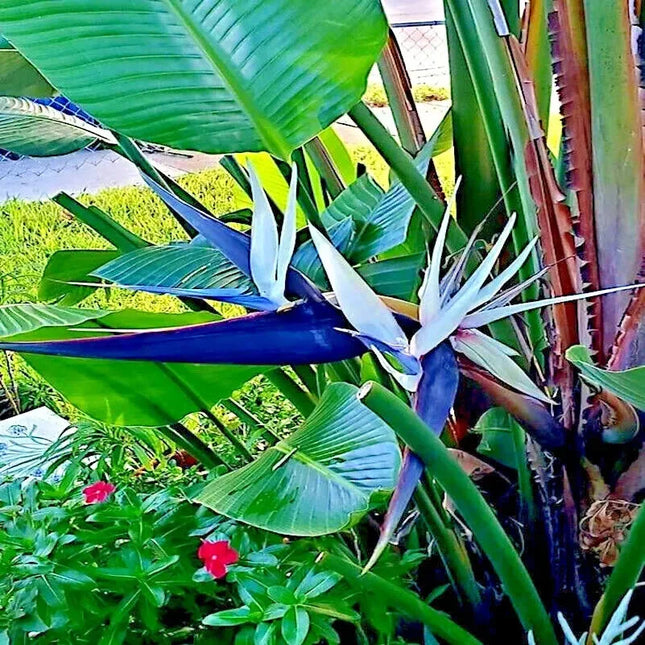
White Bird of Paradise Seeds – 10 Seeds
Grow White Bird of Paradise Seeds for beds, borders, containers, and pollinator plantings where the species is appropriate. This listing gives you clear quantity, realistic seed-starting expectations, and the key decisions to make before sowing. Why Choose These Seeds Product identity and quantity are presented clearly Practical sowing guidance for a stronger start Realistic expectations about germination and seed-grown variation Useful for gardeners who want control over placement and growing conditions At a Glance Plant White Bird of Paradise Seeds Order contents One order contains 10 seeds, as stated in the title. Best for beds, borders, containers, and pollinator plantings where the species is appropriate Success starts with Fresh mix, correct moisture, suitable temperature, and patience How to Start Use a clean, well-drained seed-starting mix and follow the species’ light or stratification needs. Sow at a depth appropriate to seed size; dust-like seed is usually surface sown. Keep the medium evenly moist, never saturated, and provide good air circulation. Harden seedlings off gradually before moving them to their permanent site. Set expectations: Seed-grown plants can vary in color, form, vigor, and bloom or harvest timing. Photos show a representative mature result, not the appearance of the seed packet or a guaranteed individual plant. Seed-grown plants can vary in color, form, and flowering time; photos show the mature type, not a guaranteed individual result. Frequently Asked Questions What exactly will I receive?One order contains 10 seeds, as stated in the title. Is White Bird of Paradise Seeds a good fit for my garden?Confirm mature size, light, climate, and local restrictions before planting. Beds, borders, containers, and pollinator plantings where the species is appropriate are the intended use. Should I start the seeds indoors or direct sow?Either can work depending on the species and climate; indoor starting offers closer control, while direct sowing reduces transplant disturbance. How long will germination take?Timing varies by species, seed treatment, temperature, moisture, and seed dormancy. Do not discard a properly maintained tray simply because emergence is uneven. Will every plant look exactly like the photos?No. Seed-grown plants can vary in color, form, vigor, and bloom or harvest timing. Are there safety or local planting concerns?Seed-grown plants can vary in color, form, and flowering time; photos show the mature type, not a guaranteed individual result.
$17.99
-

Shipped from Bensalem, Pennsylvania, USA White Mammoth Jerusalem Artichoke Tubers
Start White Mammoth Jerusalem Artichoke Tubers from substantial planting material for a more direct path to establishment than seed. This listing is designed for gardeners who want clear expectations about planting, dormancy, and seasonal growth. Why Choose This Planting Material Bulbs or tubers selected for planting Quantity and format are clearly stated before purchase Useful for beds, borders, or containers where the species is suitable Honest seasonal expectations—dormant material may arrive without active top growth At a Glance Format Bulb or tuber Order contents Choose from the available options shown on the page (Item Weight: 24 ounces, 40 ounces). Planting medium Well-drained soil appropriate to the species Key decision Confirm planting season and local hardiness before ordering Planting Guide Plant promptly or store briefly in a cool, dry place according to the species’ dormancy needs. Place the growing point upward and roots or basal plate downward. Use well-drained soil and avoid standing water around dormant material. Mark the planting area and allow time for seasonal emergence. Important: Dormant bulbs and tubers may look dry or inactive on arrival. That is not the same as active top growth. Jerusalem artichoke spreads vigorously by tubers. Plant where expansion can be managed and harvest thoroughly. Frequently Asked Questions What exactly will I receive?Choose from the available options shown on the page (Item Weight: 24 ounces, 40 ounces). Will it arrive with leaves or shoots?Not necessarily. Dormant planting material may arrive without visible top growth, depending on season. When should I plant it?Plant when soil and temperatures suit the species and your climate; avoid frozen or waterlogged ground. How deep should it be planted?Depth depends on the specific bulb or tuber. Keep the growing point oriented upward and follow species guidance. Can I grow it in a container?Often yes, provided the pot has drainage, enough root room, and suitable winter protection. Is there a safety or spreading concern?Jerusalem artichoke spreads vigorously by tubers. Plant where expansion can be managed and harvest thoroughly.
$69.00 - $93.00
-


White Veronica Seeds – 100 Seeds
Grow White Veronica Seeds –Speedwell Royal Candle Perennial Flower Seeds for beds, borders, containers, and pollinator plantings where the species is appropriate. This listing gives you clear quantity, realistic seed-starting expectations, and the key decisions to make before sowing. Why Choose These Seeds Product identity and quantity are presented clearly Practical sowing guidance for a stronger start Realistic expectations about germination and seed-grown variation Useful for gardeners who want control over placement and growing conditions At a Glance Plant White Veronica Seeds –Speedwell Royal Candle Perennial Flower Seeds Order contents One order contains 100 seeds, as stated in the title. Best for beds, borders, containers, and pollinator plantings where the species is appropriate Success starts with Fresh mix, correct moisture, suitable temperature, and patience How to Start Use a clean, well-drained seed-starting mix and follow the species’ light or stratification needs. Sow at a depth appropriate to seed size; dust-like seed is usually surface sown. Keep the medium evenly moist, never saturated, and provide good air circulation. Harden seedlings off gradually before moving them to their permanent site. Set expectations: Seed-grown plants can vary in color, form, vigor, and bloom or harvest timing. Photos show a representative mature result, not the appearance of the seed packet or a guaranteed individual plant. Seed-grown plants can vary in color, form, and flowering time; photos show the mature type, not a guaranteed individual result. Frequently Asked Questions What exactly will I receive?One order contains 100 seeds, as stated in the title. Is White Veronica Seeds –Speedwell Royal Candle Perennial Flower Seeds a good fit for my garden?Confirm mature size, light, climate, and local restrictions before planting. Beds, borders, containers, and pollinator plantings where the species is appropriate are the intended use. Should I start the seeds indoors or direct sow?Either can work depending on the species and climate; indoor starting offers closer control, while direct sowing reduces transplant disturbance. How long will germination take?Timing varies by species, seed treatment, temperature, moisture, and seed dormancy. Do not discard a properly maintained tray simply because emergence is uneven. Will every plant look exactly like the photos?No. Seed-grown plants can vary in color, form, vigor, and bloom or harvest timing. Are there safety or local planting concerns?Seed-grown plants can vary in color, form, and flowering time; photos show the mature type, not a guaranteed individual result.
$14.99
-


Wild Blue Iris Seeds (Iris missouriensis) – 50
Wild Blue Iris is a perennial iris grown from seed for naturalistic beds and gardens with suitable moisture. Germination is slow and benefits from a long cold-moist treatment.Key Features Approximately 50 seeds Perennial iris for naturalistic plantings Cold-moist stratification recommended A patient, long-term garden project What's in the PackOne packet containing approximately 50 Wild Blue Iris seeds. Seeds only; rhizomes and live plants are not included.Planting InstructionsWhen to SowSow outdoors in fall or provide 8–12 weeks of cold-moist stratification before spring sowing.Sowing and GerminationSow shallowly in a moist, well-drained medium. Germination may be irregular and can take several weeks after the cold period.Spacing and CareTransplant seedlings 12–18 inches apart into sun to partial shade and soil that does not dry completely during establishment.Growing Information Botanical name Iris missouriensis Life cycle Perennial Sun Full sun to partial shade Pretreatment 8–12 weeks cold-moist stratification Germination Slow and variable Growing zones Commonly USDA zones 3–8 EstablishmentKeep young plants evenly moist while roots establish. Flowering from seed may take more than one growing season.Frequently Asked QuestionsWhy have the seeds not germinated?Iris seed often needs cold moisture and can germinate slowly.Does this packet contain rhizomes?No. This listing is for seeds only.When will plants flower?Timing varies; seed-grown perennials often need more than one season.Please note: Germination, plant size, flower timing and color intensity vary with conditions and individual seedlings.
$12.21
-


Wine Cap Mushroom Grain Spawn (Stropharia rugosoannulata) – 1 lb
Make inoculating a properly prepared mushroom-growing substrate easier with a clearly identified product and straightforward use expectations. Review the size, quantity, and intended application before ordering so it fits your project. Why Choose This Product Purpose and format are stated clearly Designed for practical home or garden use Simple preparation guidance reduces avoidable setup errors No unsupported performance or certification claims At a Glance Product Wine Cap Mushroom Grain Spawn Order contents One order contains 1 lb, as stated in the title. Best for inoculating a properly prepared mushroom-growing substrate Before ordering Confirm size, coverage, compatibility, and storage needs How to Use Read the selected size or quantity before checkout. Prepare a clean work area and the compatible container, soil, substrate, or planting site. Apply or use the product evenly and only for the purpose stated. Store unused material dry, sealed, and away from children and pets unless the label directs otherwise. Important: Results depend on correct application, compatible materials, and environmental conditions. Use only as directed for the stated gardening purpose and keep planting material away from children and pets. Frequently Asked Questions What exactly will I receive?One order contains 1 lb, as stated in the title. What is this product intended for?It is intended for inoculating a properly prepared mushroom-growing substrate. How much do I need?Measure the project area or container volume first, then compare it with the selected package size and any manufacturer directions. Can it be used indoors and outdoors?Use depends on the product and project. Protect indoor surfaces and provide ventilation when appropriate. How should unused material be stored?Keep it sealed, dry, and protected from heat, moisture, children, and pets. What affects the result?Preparation, application rate, temperature, moisture, cleanliness, and material compatibility all matter.
$55.00
-


Wonderberry Seeds – Supplier-Labeled Solanum burbankii
Wonderberry Seeds – Supplier-Labeled Solanum burbankiiGrow a compact, warm-season nightshade-family plant from seed. This seed lot is supplied under the name Wonderberry and labeled Solanum burbankii. Choose 50, 100 or 250 seeds from the options on this page.Identity and food-use note: “Wonderberry” has been used for more than one closely related Solanum type in horticultural trade. Because the supplier identity has not been independently verified here, growers intending culinary use should confirm plant identity with a trusted horticultural or food-safety source before eating any fruit. Do not consume foliage, stems or green/unripe berries.Why Grow Wonderberry Compact fruiting plant suitable for beds, raised gardens and containers Warm-season annual habit in most climates Clusters of small dark berries develop as plants mature Interesting choice for gardeners who enjoy uncommon edible-plant projects What You’ll Receive Product Wonderberry seeds Supplier label Solanum burbankii Quantity 50, 100 or 250 seeds depending on selected option Light Full sun Growth habit Warm-season annual in most regions Planting & Growing Start warm: Sow indoors before local frost danger has passed or sow outdoors after conditions are reliably warm. Cover lightly: Sow in a fine seed-starting mix and keep the medium evenly moist, not saturated. Provide strong light: Give seedlings bright light once they emerge to encourage compact growth. Transplant after frost: Move established seedlings outdoors only after cold conditions have passed. Use fertile drainage: Grow in reasonably fertile, well-drained soil and maintain even moisture while plants are actively growing. Harvest cautiously: If identity has been independently confirmed for food use, only fully ripe fruit should be considered; never use foliage or green/unripe fruit as food. Frequently Asked QuestionsHow many seeds are included?Select 50, 100 or 250 seeds before adding the product to your cart.Is the botanical identity guaranteed as Solanum burbankii?No independent verification is provided on this page. The seed is sold under the supplier’s Wonderberry / Solanum burbankii label.Are Wonderberries edible?Culinary use should only be considered after the plant’s identity is confidently confirmed by a reliable horticultural or food-safety source. Do not eat foliage, stems or green/unripe fruit.Can Wonderberry grow in a container?Yes. Use a container with drainage, full sun and enough root volume for a small fruiting plant.Should I start the seeds indoors?Starting indoors before the last frost can give seedlings a head start in cooler regions. Transplant only after outdoor conditions are warm.Will every plant and berry look identical?No. Seed-grown plants can vary in vigor, fruit size, color at maturity and productivity, especially when the supplier line has not been independently characterized.
$14.95 - $21.00
-


Worm Castings Soil Amendment
Make the gardening use stated in the title easier with a clearly identified product and straightforward use expectations. Review the size, quantity, and intended application before ordering so it fits your project. Why Choose This Product Purpose and format are stated clearly Designed for practical home or garden use Simple preparation guidance reduces avoidable setup errors No unsupported performance or certification claims At a Glance Product Worm Castings Soil Amendment Order contents Choose from the available options shown on the page (Weight: 1/2 lb, 1 lb, 2 lbs, 5 lbs). Best for the gardening use stated in the title Before ordering Confirm size, coverage, compatibility, and storage needs How to Use Read the selected size or quantity before checkout. Prepare a clean work area and the compatible container, soil, substrate, or planting site. Apply or use the product evenly and only for the purpose stated. Store unused material dry, sealed, and away from children and pets unless the label directs otherwise. Important: Results depend on correct application, compatible materials, and environmental conditions. Use only as directed for the stated gardening purpose and keep planting material away from children and pets. Frequently Asked Questions What exactly will I receive?Choose from the available options shown on the page (Weight: 1/2 lb, 1 lb, 2 lbs, 5 lbs). What is this product intended for?It is intended for the gardening use stated in the title. How much do I need?Measure the project area or container volume first, then compare it with the selected package size and any manufacturer directions. Can it be used indoors and outdoors?Use depends on the product and project. Protect indoor surfaces and provide ventilation when appropriate. How should unused material be stored?Keep it sealed, dry, and protected from heat, moisture, children, and pets. What affects the result?Preparation, application rate, temperature, moisture, cleanliness, and material compatibility all matter.
$18.95 - $46.95
-

Yard Long Cowpea Bean Seeds 50+ | Heirloom Non-GMO Variety
50 Yard Long Cowpea Bean Seeds | Heirloom Non-GMO Variety Tested on 1-16-2023, 89% Germ. Hardy Zones: 5, 6, 7, 8, 9, 10 (heat & drought tolerant)Yard Long Bean Variety: Red RipperThe yard-long bean is a Non-GMO heirloom variety of cowpea that has been a dependable American staple for many years. These yard long beans vary from green to reddish in color and are prized in the hot-weathered southern states of America however they grow just fine in temperate climates as well. They cannot withstand a frost however will grow in low-nutrient soil.There are many varieties of the yard long bean. This variety is a favorite among expert vegetable producers because of it's ability to contend with common pests and diseases and it's superior nitrogen-fixing output in soils. The beans are a delicious nutty flavor as well. Each pod produces about 18 delicious nutty-flavored beans!To germinate, sow the seeds 1/2 an inch deep into the soil. Keep the seeds and the soil moist and the beans will germinate quickly (usually within 10 days). Once germinated transplant the beans along with the sprouts into their permanent residence (if you didn't start them there already). As long as the bean plants are regularly watered and are receiving proper sun, you will be rewarded with a very hardy harvest with minimal effort and nitrogen-rich soil wherever they were planted.
$14.99
-


Yellow Clematis Seeds (Clematis tangutica) – 10 Seeds
Grow Yellow Clematis Seeds for beds, borders, containers, and pollinator plantings where the species is appropriate. This listing gives you clear quantity, realistic seed-starting expectations, and the key decisions to make before sowing. Why Choose These Seeds Product identity and quantity are presented clearly Practical sowing guidance for a stronger start Realistic expectations about germination and seed-grown variation Useful for gardeners who want control over placement and growing conditions At a Glance Plant Yellow Clematis Seeds Order contents One order contains 10 seeds, as stated in the title. Best for beds, borders, containers, and pollinator plantings where the species is appropriate Success starts with Fresh mix, correct moisture, suitable temperature, and patience How to Start Use a clean, well-drained seed-starting mix and follow the species’ light or stratification needs. Sow at a depth appropriate to seed size; dust-like seed is usually surface sown. Keep the medium evenly moist, never saturated, and provide good air circulation. Harden seedlings off gradually before moving them to their permanent site. Set expectations: Seed-grown plants can vary in color, form, vigor, and bloom or harvest timing. Photos show a representative mature result, not the appearance of the seed packet or a guaranteed individual plant. Seed-grown plants can vary in color, form, and flowering time; photos show the mature type, not a guaranteed individual result. Frequently Asked Questions What exactly will I receive?One order contains 10 seeds, as stated in the title. Is Yellow Clematis Seeds a good fit for my garden?Confirm mature size, light, climate, and local restrictions before planting. Beds, borders, containers, and pollinator plantings where the species is appropriate are the intended use. Should I start the seeds indoors or direct sow?Either can work depending on the species and climate; indoor starting offers closer control, while direct sowing reduces transplant disturbance. How long will germination take?Timing varies by species, seed treatment, temperature, moisture, and seed dormancy. Do not discard a properly maintained tray simply because emergence is uneven. Will every plant look exactly like the photos?No. Seed-grown plants can vary in color, form, vigor, and bloom or harvest timing. Are there safety or local planting concerns?Seed-grown plants can vary in color, form, and flowering time; photos show the mature type, not a guaranteed individual result.
$14.95
-


Shipped from Miami, Florida, United States Yellow Coconut Palm (Cocos nucifera) – Live Plant
Bring an established Yellow Coconut Palm into your collection without waiting for seed germination. This live plant is intended for growers who want a head start and are prepared to acclimate it after shipping. Why Choose This Yellow Coconut Palm Live, rooted planting material for faster establishment Clear arrival and acclimation expectations Suitable for a container or garden placement that matches its climate needs Existing gallery retained so you can review the plant type before ordering What to Expect Plant format Live plant Order contents One live plant or the live-plant quantity stated in the title. First priority Unpack promptly and acclimate gradually Best for Growers able to provide species-appropriate light, warmth, and drainage Arrival and Care Unpack promptly and inspect the plant after transit. Place it in bright, indirect light for the first few days unless the species requires shade. Water only when the growing medium indicates it is needed; avoid leaving roots waterlogged. Wait until the plant has recovered from shipping before repotting, fertilizing, or moving it into intense sun. Important: Leaves or stems may show temporary shipping stress. New growth after acclimation is a better measure of establishment than appearance on arrival. Use only as directed for the stated gardening purpose and keep planting material away from children and pets. Frequently Asked Questions What exactly will I receive?One live plant or the live-plant quantity stated in the title. Will the plant look exactly like the photos?Photos show the plant type at a representative stage. Size, branching, leaf count, and seasonal appearance naturally vary. What should I do when it arrives?Unpack it promptly, check moisture, and acclimate it in protected light before changing pots or exposure. Can I plant it outdoors immediately?Only when local temperatures suit the species. Harden it off gradually and protect it from abrupt sun, wind, or cold. How often should I water it?Water according to the plant and potting mix, not a fixed schedule. Let drainage and the moisture level guide you. Is there a safety or climate concern?Use only as directed for the stated gardening purpose and keep planting material away from children and pets.
$34.99
-

Shipped from Spring City, Tennessee, United States Yellow Coneflower Echinacea Daisy Seeds – 200 Seeds
Grow Yellow Coneflower Echinacea Daisy, a cheerful perennial wildflower known for its bright yellow daisy-like blooms and prominent central cones. It is an excellent choice for pollinator gardens, cottage borders, wildflower meadows, and sunny perennial beds. Why Choose These Seeds Produces bright yellow coneflower-style blooms Attracts bees, butterflies, and other pollinators Excellent for wildflower gardens and perennial borders Suitable for mass planting and naturalized areas Hardy perennial with strong summer garden appeal At a Glance Plant Yellow Coneflower Echinacea Daisy Order contents 200 seeds Plant type Flowering perennial Best for Pollinator gardens, borders, meadows, cottage gardens Light Full sun Mature height Approximately 2–4 ft Flower color Yellow Success starts with Cold stratification, full sun, and well-drained soil How to Start For best results, cold-stratify the seeds in a slightly moist medium for approximately 4–8 weeks. After stratification, sow seeds about 1/8–1/4 inch deep in a clean, well-draining seed-starting mix. Keep the soil evenly moist but not waterlogged. Maintain temperatures around 65–75°F (18–24°C). Germination commonly occurs in approximately 2–4 weeks after stratification. Once seedlings are established, transplant them into a sunny garden location. Allow good spacing and airflow as the plants mature. Set expectations: Germination and flowering may vary depending on seed freshness, stratification, temperature, moisture, and local growing conditions. Seed-grown plants may also show natural variation in flower shade, height, and growth habit. Frequently Asked Questions What exactly will I receive?One order contains 200 Yellow Coneflower Echinacea Daisy seeds. How long do the seeds take to germinate?After proper stratification, germination commonly takes around 2–4 weeks under suitable warm and moist conditions. Do Yellow Coneflower seeds need cold stratification?Yes. A cold, moist stratification period of approximately 4–8 weeks can help improve germination. Does Yellow Coneflower attract pollinators?Yes. The flowers are attractive to bees, butterflies, and other beneficial pollinating insects. Where should I plant Yellow Coneflower?Plant in full sun with well-drained soil. It works especially well in pollinator gardens, perennial borders, meadows, and naturalized plantings.
$28.99 $26.67


