




Explore the Seed World Marketplace online catalog - our complete, curated selection of flower, herb, grass, tree, and specialty seeds. Discover reliable growers, non-GMO Seeds, and seasonal bestsellers. Filter by plant type, plant characteristics, and more to find seeds that fit your garden and goals, with fast U.S. shipping and clear, practical guidance.
Seed World Catalog
-


Shipped from Douglasville, Georgia, USA 500 Violet Moss Verbena Seeds
Moss Verbena Seeds, Violet, Perennial Groundcover Seeds, Heirloom Moss Verbena comes from South America, and it performs well in hot, sunny locations with sandy and infertile soils. It is very easy to establish from Verbena seeds, and it provides nectar for honeybees and butterflies. The small flowers have a rich violet to a purple hue, clustered together forming a small bouquet. An excellent drought-tolerant variety for arid regions. Prefers light to heavy soils in full sun. A valuable asset for summer color. Groundcover Specifications Season: Annual USDA Zones: 3 - 10 Height: 6 - 12 inches Width: 24 inches Bloom Season: Summer and fall Bloom Color: Violet Environment: Full sun Soil Type: Well-drained, pH 5.8 - 7.2 Deer Resistant: Yes Planting Directions Temperature: 65 - 70F Average Germ Time: 20 - 40 days Light Required: No Depth: 1/16 inch Sowing Rate: 6 pounds per acre Moisture: Keep seeds moist until germination Plant Spacing: 24 inches
$16.99
-


100 Pink Pampas Grass Seeds
Pampas Grass (Cortaderia selloana) These elegant ornamental grasses have "feather duster" plumes from late summer and throughout the fall! Cortaderia selloana Pampas Grass is a low-maintenance plant. There is no need to spray for insects or any other bothersome garden pests. It will grow in most soils and responds favorably to frequent fertilization. To obtain good growth and plume production, pampas grass should be fertilized with a complete fertilizer (6-6-6, 8-8-8, or 10-10-10) at a rate of two pounds per 100 square feet four times each year. Ornamental grass care also includes cutting out the brown, dead foliage in the late winter. Or, if significant frost damage occurs, the entire plant can be cut back to 2 feet from the ground. The grass blades are sharp, so care must be taken when pruning. Grass SpecificationsSeason: PerennialUSDA Zones: 7 - 10Height: 80 inchesWidth: 48 inchesFoliage Color: GreenFlower Color: PinkGrowth Rate: ModerateFall Color: No changeSoil Requirement: Well-drained soils, pH 5.5 - 7.2Environment: Full sunDeer Resistant: YesLatin Name: Cortaderia selloanaPlanting DirectionsTemperature: 72FAverage Germ Time: 14 - 21 daysLight Required: YesDepth: These are very tiny seeds that should be mixed with the finest sand or talcum for an even sowing. Do not cover with compost, only press them in gentlySowing Rate: 5 seeds per plantMoisture: Keep seeds moist until germinationPlant Spacing: 80 inches
$12.95
-


350 Purple Shiso Seeds - Perilla frutescens | Heirloom Non-GMO
Discover the aromatic and flavorful Purple Shiso (Perilla frutescens), a versatile herb beloved in Japanese, Korean, and Southeast Asian cuisines. This hardy, fast-growing annual produces vibrant purple-green foliage that is perfect for salads, sushi, garnishes, pickling, teas, and herbal infusions. Beyond its culinary uses, Purple Shiso is a natural ornamental for your garden, attracting pollinators and adding beautiful color contrast. Easy to grow in full sun to partial shade, these seeds are ideal for herb gardens, containers, or raised beds. Enjoy a continuous harvest by snipping leaves regularly, and watch your garden thrive with this nutrient-rich herb. Key Features: Botanical Name: Perilla frutescens Plant Type: Annual herb Plant Height: 12–18" Sunlight: Full sun to partial shade Soil & Water: Well-drained, moderate moisture Germination: 7–14 days, start indoors or direct sow outdoors Uses: Culinary, ornamental, teas, pickling, garnishing Seed Type: Heirloom, Non-GMO 🌱 Why Grow Purple Shiso SeedsPurple Shiso is prized for its unique flavor, rich in antioxidants, and its ability to thrive in small spaces. Perfect for home gardeners who want a multi-use, easy-to-grow herb with beautiful foliage. 🌿 Growing Tips Sow: Indoors 4–6 weeks before last frost or direct sow after frost danger passes. Depth: 1/8–1/4 inch in seed-starting medium. Spacing: 10–12 inches apart once transplanted. Care: Keep soil moist but not waterlogged; harvest leaves regularly for bushy growth. ❓ Frequently Asked Questions (FAQ's) How do I grow Purple Shiso from seeds?Start seeds indoors 4–6 weeks before the last frost. Sow shallowly (1/8–1/4 inch), keep soil moist, and transplant outdoors after frost risk. What are the sunlight and soil requirements?Purple Shiso prefers full sun to partial shade and well-draining soil with average fertility. Can I harvest leaves year-round?Yes, pinch tops regularly to encourage bushy growth and continuous harvest during the growing season. Where to Buy Purple Shiso Seeds for Sale?At Seed World, we offer fresh, premium Purple Shiso seeds with fast U.S. shipping. Perfect for gardens, containers, or culinary use.
$9.99
-


Shipped from Phoenix, Arizona, USA 10 Orange Bird of Paradise Seeds – Strelitzia Reginae
Orange Bird of Paradise Seeds – Strelitzia Reginae Exotic Tropical Flowers Orange Bird of Paradise (Strelitzia Reginae) is one of the most iconic flowering plants you can grow. Known for its dramatic, crane-like blooms in fiery orange and blue, it delivers an unmistakable tropical touch to gardens, patios, and indoor collections. Each flower resembles a soaring bird, making it a true statement plant wherever it’s grown. We’ve found Bird of Paradise to be a rewarding choice for both beginners and experienced gardeners. From seed, it grows into a strong, evergreen plant with lush, banana-like foliage. In the right conditions—bright light, warmth, and patience—it produces long-lasting flowers that elevate any space into a tropical oasis. These seeds give you the opportunity to cultivate a plant that’s as enduring as it is stunning. Bird of Paradise is long-lived, drought-tolerant once established, and perfect as both an outdoor feature and an indoor showpiece. With a little care and time, your garden or home will enjoy one of the most recognizable flowers in the world. 🌿 Why You’ll Love It: Seeds of the exotic Orange Bird of Paradise (Strelitzia Reginae) Produces brilliant orange and blue tropical blooms Long-lived evergreen plant with lush foliage Thrives in full sun or bright indoor light Drought-tolerant once established Suitable for containers, patios, or landscape focal points 📦 Specifications: Seed Type: Orange Bird of Paradise (Strelitzia Reginae) Plant Type: Evergreen perennial Flower Color: Bright orange and blue Bloom Time: Late winter through summer (in mature plants) Height: 3–5 feet tall Light: Full sun outdoors, bright indirect light indoors Zones: USDA 9–11 (can be grown indoors in cooler climates) ❓ FAQ – Orange Bird of Paradise Seeds – Strelitzia Reginae How long does it take Bird of Paradise to flower from seed?Bird of Paradise grown from seed typically takes 3–5 years to mature and begin flowering, rewarding patience with extraordinary blooms. Can Bird of Paradise grow indoors?Yes, it thrives in bright indirect light and makes an excellent houseplant with bold foliage and, in time, vibrant flowers. How tall will Bird of Paradise grow?Mature plants reach 3–5 feet tall, with striking flowers held above lush evergreen leaves. Is Bird of Paradise drought-tolerant?Yes, once established, Bird of Paradise tolerates dry periods, though it thrives with regular watering. What climates are best for Bird of Paradise?It grows best in USDA Zones 9–11 outdoors. In cooler regions, it can be grown in containers and overwintered indoors.
$14.99
-


30 Giant Sequoia (Sequoiadendron Giganteum) Seeds
Giant Sequoia (Sequoiadendron giganteum) Name: Giant SequoiaScientific Name: Sequoiadendron giganteum Zone: 6-8Plant height: 60-275 feetLight requirements: full sunSoil & water preferences grow well in well-drained sandy loams.Growing Instructions:1. Scarification: soak in water for 24 hours2. stratification: Cold Stratify for 30 days3. germination: sow seed 1/8" deep Quantity: 30 Giant Sequoia (Sequoiadendron Giganteum) Seeds
$20.99
-


50 Blue Elderberry Seeds (Sambucus caerulea)
Grow your own native superfood with Blue Elderberry Seeds (Sambucus caerulea)—a hardy, fast-growing shrub prized for its nutrient-rich blue berries, fragrant white flower clusters, and wildlife value. Native to western North America, Blue Elderberry is both ornamental and productive, making it an excellent choice for edible landscapes, permaculture gardens, and naturalized hedgerows. In late spring to early summer, plants burst into large, creamy-white flower umbels, followed by blue-black berries beloved by birds and commonly harvested for syrups, teas, and preserves (when properly prepared). Exceptionally adaptable, Blue Elderberry tolerates drought once established and thrives across a wide range of soils 🌱 Why Grow Blue Elderberry Seeds? 🍇 Edible & Medicinal Uses: Berries commonly used in syrups, jams, and herbal preparations 🌼 Beautiful Blooms: Large white flower clusters attract pollinators 🐦 Wildlife Friendly: Birds love the berries 🌎 Native & Resilient: Ideal for restoration, permaculture, and low-input gardens 🌿 Multi-Purpose Shrub: Great for hedges, privacy screens, and edible landscapes 🌿 Growing Tips Stratification: Cold stratify seeds for 60–90 days before planting Sowing: Start indoors or sow outdoors in fall Light: Full sun to part shade Soil: Well-drained soil; adaptable to clay, loam, and sandy soils Water: Moderate; drought tolerant once established Growth Habit: Large shrub or small tree (10–20 ft) 🌱 Tip: Plant more than one for better pollination and berry production. ❓ Frequently Asked Questions (FAQ) Are Blue Elderberries edible?Yes, the berries are widely used in syrups and preserves when cooked properly. Raw berries are not recommended. Do these seeds require stratification?Yes. Cold stratification for 2–3 months greatly improves germination rates. How big does Blue Elderberry grow?Typically 10–20 feet tall and wide, depending on conditions and pruning. Is this plant drought tolerant?Once established, Blue Elderberry is moderately drought tolerant. Is Sambucus caerulea native to the U.S.?Yes. It is native to western North America and well-suited to native plant gardens. Where to Buy Blue Elderberry Seeds for Sale?At Seeds World, we offer fresh Blue Elderberry seeds sourced for quality and viability—packed carefully and shipped fast across the U.S. Start growing this native, multi-use shrub with confidence.
$16.95 $14.95
-


60 Trumpet Vine - Campsis Radicans Seeds
Transform your garden into a vibrant oasis with the Perennial Trumpet Creeper A fast-growing, flowering vine known for its spectacular display of large, trumpet-shaped flowers. These seeds grow into vigorous vines that can climb up trellises, walls, and fences, offering a lush, green backdrop punctuated by brilliant orange to red blooms that are sure to attract hummingbirds and other pollinators. Specifications for Perennial Trumpet Creeper (Campsis radicans) Seeds: Season: Perennial USDA Zones: 4-9 Height: Climbs 25-40 feet Bloom Season: Mid-summer to early fall Bloom Color: Orange to red Environment: Full sun to partial shade Soil Type: Adapts to a variety of soils; prefers well-draining soil Deer Resistant: Yes Latin Name: Campsis radicans Temperature: Hardy in temperatures typical of USDA zones 4-9 Average Germ Time: 30-60 days Light Required: Full sun for best flowering, tolerates partial shade Depth: Plant seeds 1/4 inch deep in soil Sowing Rate: Space seeds or seedlings about 10 feet apart to accommodate vigorous growth Moisture: Moderate; water regularly until established, then tolerates some drought Plant Spacing: 10 feet apart to ensure room for growth and airflow Whether you are looking to cover a trellis, create a living wall, or just enjoy a cascade of colorful blooms, the Perennial Trumpet Creeper is an excellent choice for any gardener looking to make a bold statement with minimal effort.
$14.39
-


100 Colorado Blue Spruce Seeds
The Colorado Blue Spruce (Picea pungens glauca) is a cold-hardy, slow-growing evergreen native to the Rocky Mountains. Its unique icy-blue foliage, dense branching, and symmetrical form make it one of the most popular ornamental trees in the world. Reaching 30–60 ft tall, this spruce thrives in cold climates, tolerates drought, and withstands harsh winds—making it ideal for long-term landscaping, windbreaks, and Christmas tree growers. Suitable for USDA Zones 2–8, it’s a resilient tree that performs beautifully in a wide range of environments. Spruce seeds are easy to germinate with simple stratification steps, perfect for beginners and experienced growers alike. 🌱 Why Grow Colorado Blue Spruce Seeds? Stunning blue-silver needles year-round Excellent for windbreaks, borders & privacy Cold-hardy to –40°F and drought-resistant Long-lived, iconic ornamental landscape tree Easy to grow from seed with high germination rates 🌿 Growing Tips Light: Full sun for best blue color Soil: Well-drained; tolerates sandy or rocky soil Water: Keep moist while young; drought-tolerant when established Germination: Cold stratify for 30–60 days Planting: Sow ⅛–¼ inch deep; keep evenly moist Mature Height: 30–60 ft Zones: 2–8 Growth Rate: Slow to medium ❓ Frequently Asked Questions (FAQ) Do Colorado Blue Spruce seeds need cold stratification?Yes—30 to 60 days of cold stratification is recommended for best germination. How long does it take for seedlings to grow?Spruces grow slowly, about 12–24 inches per year once established. Can Blue Spruce be grown in warm climates?They thrive best in cooler climates (Zones 2–8). Heat and humidity may reduce color intensity. Will the seedlings develop blue needles right away?Young seedlings start green and turn blue as they mature. Are they good for privacy screens?Yes—when planted in rows, they provide dense year-round coverage. Where to Buy Colorado Blue Spruce Seeds?At Seeds World, we offer fresh, premium Colorado Blue Spruce seeds with fast U.S. shipping so you can grow the legendary blue-needled evergreen with confidence.
$16.95
-


Shipped from Deltona, FL, USA 500 Spearmint Herb Seeds – Fresh, Non-GMO, Culinary & Medicinal
Grow your own aromatic Spearmint at home! These fresh, non-GMO seeds are perfect for indoor containers, herb gardens, or outdoor beds. Known for its sweet, refreshing flavor, spearmint is ideal for teas, desserts, sauces, and cocktails. Its fast-growing, hardy leaves also attract pollinators and can be harvested multiple times throughout the season. Easy to grow and highly versatile, spearmint adds vibrant greenery and a delightful aroma to your garden. Plant Info: Scientific Name: Mentha spicata Plant Height: 12–24 inches Light Requirement: Full Sun to Partial Shade Soil Preference: Well-drained, fertile soil Watering: Keep soil evenly moist Harvest: Snip leaves as needed for fresh use 🌱 Why Grow Spearmint Seeds:Spearmint is perfect for culinary creations, herbal remedies, and natural pest deterrence. Easy to cultivate and continuously harvestable, it’s a must-have for herb enthusiasts. 🌿 Growing Tips:Start seeds indoors 6–8 weeks before the last frost or direct sow outdoors after frost risk. Space seedlings 12–18 inches apart. Pinch tips to encourage bushy growth and prevent flowering for best leaf flavor. ❓Frequently Asked Questions (FAQ) How long to germinate?Seeds typically sprout in 10–15 days under optimal conditions. Can spearmint grow in pots?Yes, it thrives in containers with regular watering and adequate sunlight. Are these seeds Non-GMO?Yes, 100% fresh, non-GMO seeds. Where to Buy Spearmint Seeds for Sale?Purchase fresh, non-GMO Spearmint Herb Seeds from Seeds World with fast U.S. shipping and grow your own aromatic garden today!
$11.99 $9.99
-


Shipped from Tarpon Springs, Florida, USA 250 Cumin Seeds | Non-GMO | Herb Seeds
Cumin Seeds | Non-GMO | Herb Seeds A common component in Asian, Mexican, Indian, and Middle Eastern cuisine, cumin seeds have a nutty, spicy flavor. The rectangular, longitudinally ridged, and yellow-brown seeds of cumin are in form. Both their whole and ground forms are employed. Cumin seeds, which are abundant in iron, potassium, and zinc, are frequently regarded as having health-improving qualities. Since cumin seeds have a unique flavor and scent, they are utilized as a spice. Cumin seeds are a common ingredient in many stews and soups as well as seasoned gravies like curry and chili because they give food an earthy and warming flavor. Cuminum cyminum is its scientific name. Cycle of Life: Annual Full Sun is required for lighting Spring is the time to plant Features: Easy to Grow & Maintain, Heirloom, Culinary, Indoor, Outdoor, Container Garden Height of Plant: 12 to 20 inches 8 to 10 inches between plants. 95 days till maturity 1/4-inch planting depth Start your seeds indoors and direct sow. Lack of cold stratification Zones of Hardiness: 3, 4, 5, 6, 7, 8, 9.
$11.99
-


25 Double White Pink Clematis Seeds
Clematis plants are among the most popular and attractive flowering vines grown in the home landscape. These plants include woody, deciduous vines as well as herbaceous andevergreen varieties. They also vary greatly among species, with different flowering forms, colors, and blooming seasons, though most bloom sometime between early spring and fall. Botanical Name: ClematisHeight: 6.5 – 8 feetSpacing: 24 – 36 inchesSpread: 24 – 36 inchesZone: 4-9Bloom: Summer-FallLight: Full SunWater: Moist, Well DrainedHabit: Vine, ClimbingAttracts: Butterfly and HummingbirdsLight Requirements: Full Sun, Partial ShadeFoliage Type: Opposite, pinnate, leaflets ovate slightly pubescent beneath.Bloom Time: Early summer to fallSoil Requirements: Well-drained, and should be mulched.Growth Rate: Medium Pruning: Small-flowered clematis does not need to be pruned regularly. Only when they grow too large for their space should they be cut back. Though their growth habit makes them difficult to prune. It can be done in late winter or early spring. All shoots can be cut back to the previous year’s wood,Winter Care: Mulch to protect roots. Quantity: 25 Double White Pink Clematis Seeds
$14.99
-

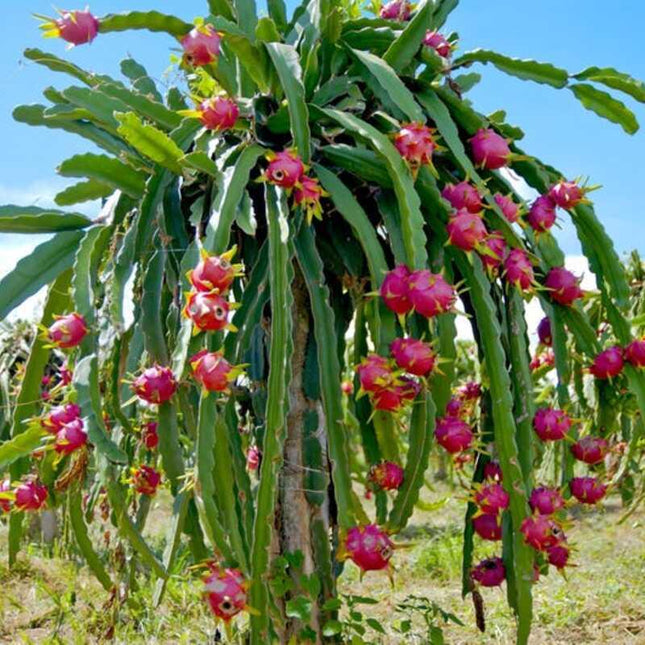
Shipped from Copperas Cove, Texas, USA 50 White Dragon Fruit (Cactus) Seeds – Pitaya Exotic Edible Cactus
Grow your own exotic White Dragon Fruit cactus! This stunning tropical fruit plant produces sweet, white-fleshed fruits with a kiwi-like texture and impressive appearance. Whether you're a cactus enthusiast or an edible garden lover, this Pitaya variety brings beauty and flavor to your space. Why Grow White Dragon Fruit? 🌵 Unique cactus appearance – thick stems and sprawling arms 🍈 Sweet and mild flavor – like a blend of kiwi and pear 🌸 Gorgeous night-blooming flowers – large and fragrant ☀️ Grows well in warm, sunny climates or indoors with enough light 📦 Includes 20 premium seeds – hand-selected and packed in the USA What’s Included? Each pack contains 20 fresh White Dragon Fruit cactus seeds (Hylocereus undatus), suitable for edible landscaping or ornamental cactus gardening. Planting Instructions Best Time to Plant: Spring to early summer Soil: Well-draining cactus mix or sandy soil Light: Full sun or bright indoor light Depth: Sow lightly on surface or just below (do not bury deep) Watering: Mist lightly to keep soil moist, not wet. Germination in 10–30 days. ❓ Frequently Asked Questions (FAQ) Is White Dragon Fruit easy to grow from seed? Yes, with proper warmth and light, germination is relatively easy. A heat mat and grow light can speed up the process indoors. How long until it bears fruit? Typically 1–2 years when grown in ideal conditions or grafted. In containers or cooler zones, flowering may take longer. Can I grow it in pots? Absolutely. Dragon Fruit thrives in large pots with good drainage and support for climbing stems. What pollination does it need? White Dragon Fruit is self-fertile but benefits from hand pollination to increase yield. Where to buy White Dragon Fruit seeds for sale? You can find fresh, high-quality White Dragon Fruit seeds right here at Seeds World. We offer fast shipping and expert-curated selections for your edible garden.
$11.95 $9.99
-


35 Mammoth Sandwich Island Salsify Seeds – Heirloom | Non-GMO
Grow your own tender, long-rooted salsify with Mammoth Sandwich Island Salsify Seeds! This heirloom vegetable, sometimes called “oyster plant” for its subtle oyster-like flavor, produces robust, creamy roots that are perfect for roasting, mashing, or soups. Easy to grow in well-drained soil, this cold-tolerant biennial thrives in full sun and produces edible roots the first year, leaving leafy greens above for garden interest. Ideal for heirloom gardens, specialty crops, and adventurous cooks, these non-GMO seeds offer high germination and exceptional flavor for fresh or preserved dishes. Plant Info: Botanical Name: Tragopogon porrifolius Plant Type: Biennial root vegetable Sun Requirements: Full Sun Soil Preference: Well-drained, fertile Plant Height: 18–24 inches Days to Germinate: 14–21 Days to Harvest: 120–150 Why Grow Mammoth Sandwich Island Salsify Seeds? Unique heirloom flavor and texture, like mild oyster taste Non-GMO, high-quality seeds with strong germination Cold-tolerant and easy to grow in home gardens Excellent for soups, roasting, or specialty culinary use Leaves can be used fresh in salads or sautéed Growing Tips: Sow seeds directly outdoors 1/4–1/2 inch deep after frost risk. Space plants 4–6 inches apart in rows 12–18 inches apart. Keep soil evenly moist until germination, thin seedlings if needed. Harvest roots in late fall or after first frost for optimal flavor. Mulch lightly to protect roots over winter if desired. ❓Frequently Asked Questions (FAQ) Can Mammoth Sandwich Island Salsify be grown in containers?Yes, but choose a deep container (12–18 inches) to accommodate long roots. Are these seeds organic?They are heirloom and Non-GMO; certified organic options may vary. How long until harvest?Typically 120–150 days after sowing, depending on climate and care. Can the leaves be eaten?Yes, young leaves are edible and can be used in salads or sautéed. Where to Buy Mammoth Sandwich Island Salsify Seeds for Sale?At Seeds World, we offer fresh, high-quality Mammoth Sandwich Island Salsify seeds with fast U.S. shipping for home and specialty gardens.
$10.99
-


5 True Patchouli Seeds
True Patchouli Shrub Fragrant Patchouly Pogostemon Cablin Herb Seeds The Patchouli plant is a small tropical shrub native to Asia. It is the source of patchouli oil which has been used for centuries both in traditional medicine & for its fragrance. This herb is grown commercially for its oil that it is extracted from the leaves, which can be harvested several times a year. Patchouli oil is very strongly fragranced with a scent described as woody & earthy. It is used to make perfumes, incense, air fresheners, & bug repellent. Patchouli is a tender perennial but can be grown as a houseplant. The leaves are not fragrant on the plant. (They become fragrant when they are fermented.) The flowers of the Patchouli plant are fragrant though. NAME: Patchouli OTHER COMMON NAMES: True Patchouli / Patchouly SCIENTIFIC NAME: Pogostemon Cablin COLOR: Pink-White PLANT SEEDS: At 70 - 75F BLOOM TIME: Late Fall Flowers HARVEST: Leaves can be harvested several times a year HARDINESS ZONE: 9 - 11 PLANT HEIGHT: 24 - 36" PLANT SPACING: 24 - 36" LIGHT REQUIREMENTS: Sun - Part Shade SOIL & WATER PREFERENCES: Average - Moist
$15.99
-

50 Yellow Pink Petunia Seeds
Yellow Pink Petunia Seeds Flower Perennial Flowers Annual Petunias are so reliable and have such a wide variety of uses that it’s no wonder it’s one of the most popular garden flowers today. It’s simple to buy a couple of petunia seedlings to fill one planter, but for mass plantings and garden edging, growing petunias from seed is the way to go. You’ll save money because of the sheer number of plants you need, plus you’ll have a much wider range of flowers to choose from. Garden centers only carry a few varieties already sprouted and growing, but you can find petunia flower seeds for different-sized plants, in almost every color of the rainbow. Genus: Petunia Plant Type: Flower Light: Full Sun Bloom Start to End: Early Summer - Late Summer Habit: Compact Plant height: 8 in - 10 in Bloom Size: 3.5 in Growing Petunias From Seeds The most important point to remember when learning how to start petunias from seeds is that these are summer, heat-loving plants. It does them no good to plant them early in the garden, as they’ll just sit and sulk or rot. In order to get these seedlings to planting size at the right time, you need to start them indoors at least 10 weeks before planting time. In the north, this is around the first week of March and will be even earlier in more southern states. Although petunias are tough and resilient in the garden, they can be very delicate in the first weeks of life. Start out with a dedicated seed-starting soil mix and new or sterilized planting trays. Of course, you can also start them in eggshells for easier transplanting later. Sprinkle the tiny seeds on top of the mix and gently moisten them with a spray bottle. Cover the tray with plastic wrap to retain moisture and place it in a bright place out of direct sunlight that averages around 75 F. (24 C.). Remove the plastic wrap once the seeds sprout and place the trays under lights in a cooler spot, around 65 F. (18 C.) during the day. Keep the lights about 6 inches (15 cm.) above the tops of the plants. Use water-soluble fertilizer once every two weeks, and water the plants when the soil dries out. Transplant the seedlings into individual pots once they develop two or three true leaves. Lift out individual plants with a wooden stick or butter knife, and transplant them into potting soil. Keep the soil moist but well-drained, and return them to under the lights until it’s time to plant them outside. Additional Tips for Growing Petunias from Seed When starting petunia seed plants, remember that the seeds are very tiny. It’s easy to over-plant the trays, ending up with dozens of seedlings you don’t need. Sprinkle them gently on top of the soil, using only a small pinch of seeds. Petunia seed propagation only happens when they get the right amount of light. Don’t bother to buy special plant-growing light. Regular fluorescent lights work just as well. Place the plants on a shelf and hang the light directly above them. Move the lights upward as the plants grow, always keeping the lights 6 inches above the leaves.
$14.99
-


30 Organic Bleeding Heart Flower Seeds
Organic Bleeding Heart Flower Seed Flower Perennial Flowers Bloom: Summer-Fall Plant Height 10"-12" Light: Part Shade Attracts Butterfly's Long Bloomer Growing Bleeding Hearts from SeedBleeding heart plants can be propagated from seed and these are some tips to help your seeds have the best possible chance to turn into beautiful flowers.• Moisten a mixture of half coarse sand and half milled peat in a small (46") pot with water.• You will only need to sow 3-4 seeds in each pot, poking a one-half-inch deep hole for each of the seeds. Place only one seed in a hole, then cover with loose peat that has been slightly moistened. Press the peat to make it slightly firm.• Grab some plastic wrap from the kitchen and completely wrap however many posts you have made, then place them all in the freezer for about six weeks.• Once you remove the pots from your freezer, I would recommend that you place them on a propagation mat at about 60-65 degrees close to a window that allows a lot of sunshine in.• When the soil feels just barely moist at the very top, you can water the plant. Don't ever let it dry completely out, but don't keep it soggy (seeds can mildew if they get soggy).• Once more, be patient, as it could take from two to six months for your bleeding heart plant to sprout. Once you do see some growth, thin out the weakest ones and leave only one plant in each pot.• Don't move the plants outside until after the last frost.• Once your plants have some mature leaves, they are ready to be transplanted into larger pots filled with potting soil, and grown in light shade for their first year.• Continue to water whenever the soil feels barely moist at the top, then transplant them into a larger container, or a shady garden bed in early autumn (too much heat or sunshine will cause your flowers to be short-lived (ephemeral), and although they don't die, they do become dormant, but the roots are still fine. You should be able to count on having some gorgeous bleeding hearts if you follow all of these suggestions, and I wish you the best of luck with these gorgeous, shade-loving plants. QUANTITY: 30 Organic Bleeding Heart Flower Seeds
$11.99
-

5 Orange Mimosa Tree Seeds
Orange Mimosa Tree Seeds - Silk Tree Albizia julibrissin Introduce a touch of exotic beauty to your garden with Orange Mimosa Tree Seeds, from the Silk Tree variety, Albizia julibrissin. This perennial seed grows into a stunning ornamental tree known for its fluffy, vibrant orange-pink blossoms that resemble silk and attract a plethora of pollinators. Ideal for adding a tropical flair to temperate climates, the Mimosa Tree is not only visually striking but also provides pleasant, light shade with its fern-like foliage. Specifications for Orange Mimosa Tree Seeds - Silk Tree Albizia julibrissin: Season: Perennial USDA Zones: 6-9 Height: 20-30 feet Bloom Season: Summer Bloom Color: Orange-pink Environment: Full sun to partial shade Deer Resistant: Moderate Latin Name: Albizia julibrissin Temperature: Prefers warmth Germ Time: 2-4 weeks Light Required: Full sun preferred Depth: Sow 1/4 to 1/2 inch deep Moisture: Regular until established, then drought-tolerant Planting Instructions: Sun Exposure: Thrives in full sun to partial shade. Soil Type: Prefers well-drained, acidic to neutral soil. Watering Needs: Water regularly until established; drought-tolerant thereafter. Plant Spacing: Space seeds about 20-25 feet apart to accommodate mature size and spread. The Orange Mimosa Tree is perfect for gardeners looking to add long-lasting visual interest and a tropical touch to their outdoor spaces. Its unique flowers and adaptive nature make it a durable and captivating addition to any garden.
$14.99
-


Shipped from Ravensdale, Washington, USA 20 Butterfly Balls Seeds – Ornamental “Hairy Ball” Milkweed
Create a bold statement in your garden with Butterfly Balls Seeds, the striking “Balloon Plant” (aka Hairy Balls, Swan Plant) that draws in butterflies, bees, and curious eyes. Tall stems festooned with inflated, hairy pods and graceful clusters of creamy white blooms make this a showy addition to mixed borders, pollinator gardens, or propagation beds. A fast‑growing annual in cooler climates and perennial in warmer zones, this plant thrives in full sun and well‑draining soil. Its iconic seed pods are not just decorative—they feed monarch caterpillars and produce soft, woolly seed fluff that is beautiful in dried arrangements. If you want a plant that offers both wildlife value and dramatic visual interest, Butterfly Balls delivers. 🌱 Why Grow Butterfly Balls Seeds Pods and blooms that attract butterflies, especially monarchs Spectacular “balloon” pods offer dramatic architectural interest Dual value: ornamental display + wildlife habitat Fast growing—makes an impact quickly in the first season Beautiful cut flowers and dried seed podsGreat for full sun areas & well‑drained beds 🌿 Growing Tips Soak Seeds: Pre‑soak seeds 24 hours before planting to improve germination Sowing Depth: Plant shallow, about ¼‑inch deep in trays or directly in soil Light: Needs full sun to bloom best; tolerates light shade in hot regions Soil & Water: Prefers well‑draining soil; keep soil moist but not waterlogged Support Height: Plants can reach 4‑6 ft tall—allow space or use stakes Deadheading & Harvest: Remove spent blooms to encourage new ones; seed pods make striking dried decorations ❓ Frequently Asked Questions (FAQ) How tall do Butterfly Balls grow?Roughly 4‑6 feet in ideal conditions; may be shorter in cooler or less sunny plots. When do they bloom and produce seed pods?Blooms appear in mid to late summer, followed by inflated pod formation through fall. What zones can I grow this plant in?Best as an annual in cooler zones; perennial or self‑seeding in zones 8‑11. Is this plant good for attracting pollinators?Yes—it’s a valued host for monarch caterpillars and attracts many butterflies and bees. Where to buy Butterfly Balls Seeds for sale?At Seeds World, we offer premium Butterfly Balls Seeds with fast U.S. shipping.
$14.99
-

Shipped from Ravensdale, Washington, USA 5 Yellow Willow Seeds
Yellow Willow Seeds | Salix babylonica | Perennial Tree Grow the iconic Weeping Willow, known for its elegant, pendulous branches and rounded form. Native to China, this fast-growing deciduous tree adds charm to any landscape. Key Features: Height: 50 feet | Spread: 20–40 feet Zones: 6–8 (some sources say 4–9) Growth Rate: 8–10 feet per year Light: Full sun Germination Instructions: No dormancy period required. Sow seeds immediately in a moist medium like sand or a peat moss mix. Germination occurs within 12–24 hours on moist soil. Care Tips: Keep seedlings in light shade, maintaining moist soil. Transplant to a 1-gallon container when seedlings reach 6 inches. Gradually increase sunlight exposure and plant outdoors in early spring. Create a serene landscape with the graceful beauty of Yellow Weeping Willow!
$14.99
-


4 Purple Black Desert Rose Seeds
Purple Black Desert Rose Seeds - Adenium Flowers Desert Rose is a natural bonsai plant. It has fleshy leaves and beautiful 2-inch pink or white open-trumpet-shaped flowers. It is a succulent, and forms more of a bush than a tree. Adenium Desert Rose Growing Tips First, remember that Adenium plants are native to regions with poor, gritty soil and hot, sunny climates. You can’t expect the plant to thrive in overly moist soil, in a site with limited light. They are also not frosted tolerant and will succumb to a freeze if exposed. The plant will not survive long if exposed to temperatures below 40 degrees F. (4 C.) but will thrive in temperatures reaching up to 90 degrees Fahrenheit (32 C.). Desert rose succulents like bright light, so a southern window exposure provides enough sun for the plants to flourish and bloom. In the garden, choose a sunny location that has some protection from the noonday sun, as this can scorch the foliage. Soil is very important and should have a mixture of cactus soil with gritty sand or lava rocks for good drainage. Desert Rose Plant Care The one thing that will kill these plants quickly is improper watering. They are succulents but are used to rainy periods during which they grow, followed by a dormant, dry period. Match your watering practices to these needs for the best success. Keep soil moderately moist in spring and summer, but reduce watering in fall and especially winter when the plant is dormant. Fertilize with dilution by half of a 20-20-20 liquid plant food once per month when the plant is actively growing. Do not feed the desert rose during winter. The most common pests are scale, mealybugs, and spider mites. Use cotton balls soaked in alcohol to wipe away these insect rogues. Zone: 10-11 Bloom: Spring Light: Full Sun Water: Well Drained Soil Growth Rate: Slow Perennial Succulent, Tropical Plant
$14.99
-


5 Rare Passiflora popenovii Seeds
Passiflora popenovii — The "Perfect Passionfruit" You Can Grow from Seed Meet one of the most coveted passionflowers in the world. Passiflora popenovii, nicknamed the Perfect Passionfruit, is a rare South American climbing vine celebrated for its breathtaking, intricately patterned flowers and vigorous growth. Sought after by collectors, tropical gardeners, and passionflower enthusiasts, this species is rarely available as seed — and even more rarely from a trusted source. Each pack contains 5 fresh, carefully sourced seeds. Grow it on a trellis, pergola, or fence and watch it transform your garden into something truly extraordinary. Why Collectors Love Passiflora popenovii 🌸 Spectacular exotic flowers — large, dramatically patterned blooms unlike any common passionflower 🤝 Pollinator magnet — attracts bees, butterflies, and hummingbirds 🍑 Can produce fruit — under the right conditions, develops unique passionfruit-type pods 🔥 Fast-growing climber — vigorous vine that quickly covers trellises, fences, and arbors 🌟 Extremely rare — a true collector's species, hard to find outside specialty growers 🏡 Container-friendly — grows well in large pots with trellis support Growing Details Botanical Name: Passiflora popenovii Common Name: Perfect Passionfruit, Popenoe's Passionflower Plant Type: Perennial climbing vine (tropical/subtropical) USDA Zones: 9–12 outdoors; all zones in greenhouse or indoors Light: Full sun to partial shade Soil: Well-draining, fertile soil with organic matter Water: Moderate and consistent; avoid waterlogging Growth Rate: Fast-growing once established Support Needed: Trellis, fence, pergola, or arbor Germination Time: 2–6+ weeks (variable; patience required) Germination Temp: 70–85°F (21–29°C) Seeds per Pack: 5 How to Germinate Passiflora popenovii Seeds Soak seeds in warm water for 24–48 hours to soften the seed coat Sow ¼ inch deep in moist, well-draining seed-starting mix Maintain warmth — bottom heat of 75–85°F significantly improves germination rates Keep moist but not waterlogged; cover with plastic wrap or a humidity dome Be patient — germination can take 2–6+ weeks; don't give up on slow starters Transplant once seedlings have 2–3 true leaves; provide trellis support early 💡 Pro tip: Scarifying the seed coat lightly with sandpaper before soaking can improve germination speed and success rate. Frequently Asked Questions Is Passiflora popenovii edible? It can produce passionfruit-type pods under the right conditions, though it is primarily grown for its spectacular ornamental flowers. Fruit production is more likely with hand pollination. How rare is this passionflower species? Very rare. P. popenovii is primarily found in specialist collections and is seldom available as seed commercially. It is native to Colombia and Ecuador and is considered a collector's trophy plant. Can I grow Passiflora popenovii in a container? Yes — use a large container (15+ gallons) with a sturdy trellis. Container growing also makes it easier to overwinter indoors in colder climates. Why is germination taking so long? Passiflora seeds are notoriously variable in germination time. Soaking for 48 hours, using bottom heat, and maintaining consistent warmth (75–85°F) are the most effective ways to speed up the process. Some seeds may take up to 8 weeks. Does it need pollination to produce fruit? Yes. In a greenhouse or indoor setting, hand pollination using a small brush to transfer pollen between flowers will significantly improve fruit set. Outdoors, bees and other pollinators will do the work naturally.
$31.00
-


300 African Marigold Crackerjack Mix Seeds – Giant Blooms in Bright Yellow & Orange
Brighten Your Garden with Giant Marigold Blooms Known for their impressive size and sunny colors, these African Marigold "Crackerjack Mix" seeds bring bold beauty to any garden. With large double blooms in brilliant yellow, orange, and gold, they’re perfect for borders, pollinator gardens, or vibrant summer displays. Why Grow African Crackerjack Marigolds? 🌼 Huge, ruffled blooms – up to 3–4 inches wide! 🌞 Full sun lovers – thrive in hot, dry climates 🧡 Bright mix of orange, yellow, and gold – ideal for eye-catching beds 🐝 Attracts pollinators – bees and butterflies love them What’s in the Pack? Each pack includes approximately 300 African Marigold Crackerjack seeds – enough to cover large sections or to sow in waves throughout the season. Planting Instructions Best Time to Plant: After last frost (outdoors) or indoors 4–6 weeks earlier Soil: Average, well-draining soil Light: Full sun Depth: ¼ inch Watering: Keep moist until germination (5–14 days) FAQs How tall do African Crackerjack marigolds grow? They typically reach 24–36 inches tall, making them ideal for mid or back borders in flower beds. Are marigolds easy to grow from seed? Yes! These marigolds are perfect for beginners – they germinate quickly and require minimal maintenance once established. Do marigolds repel insects? Yes, marigolds are known to deter pests like aphids and nematodes, making them great companions in vegetable gardens. Where to buy African Crackerjack marigold seeds for sale? At Seeds World, you can order fresh African Marigold Crackerjack seeds with fast shipping across the U.S. – ideal for gardeners looking for bulk flower seeds with stunning results.
$11.99 $10.99
-


Shipped from Massillon, Ohio, USA 25 Bride Eggplant White & Purple Fruit Seeds
BRIDE EGGPLANT White & Purple Fruit / Vegetable Solanum Melongena Seeds The fruit of the Bride Eggplant is long & slim with an average size of 8" x 1 1/2". The coloration variations of the skin make this a very ornamental eggplant to grow! Bride Eggplant has tender creamy white flesh, & this Asian variety is perfect for stir-fries or kabobs. It also freezes well. Name: Bride EggplantOther Common Names: AubergineScientific Name: Solanum MelongenaColor: Light Rose With White Stripes - Pure White / White FleshPlant Seeds: Outdoors After Frost / Indoors Weeks Before Last FrostHarvest: 58 DaysHardiness Zone: AnnualPlant Height: 18 - 24"Plant Spacing: 2 - 3'Light Requirements: SunSoil & Water Preferences: Average
$15.99
-


5 Paw Paw Fruit Tree Seeds
PAW PAW FRUIT TREE Indian Banana Asimina Triloba Flower Seeds The delicious fruit of the Paw Paw tree grows to the size of a sweet potato and tastes like a cross between an apple & a banana. I had never eaten a Paw Paw fruit until a few years ago, and it quickly moved to the top of my favorite fruit list! They are very juicy and refreshing and have a great texture. If you have never tried these before, I recommend you immediately drop everything you are doing and rush to the store to get one! NAME: Paw Paw OTHER COMMON NAMES: Indian Banana SCIENTIFIC NAME: Asimina Triloba COLOR: Purple Flowers PLANT SEEDS: Outdoors after frost / Fall / Cold Stratify / Indoors weeks before last frost BLOOM TIME: Flowers in Spring / Fruit Late Summer - Fall HARDINESS ZONE: 5 - 9 PLANT HEIGHT: 15 - 20’ PLANT SPACING: 15 - 20’ LIGHT REQUIREMENTS: Sun SOIL & WATER PREFERENCES: Average
$17.99
You have seen 576 out of 1963 products