
Seeds World New Arrivals

1982 products

  • Sale -10% Cilantro (Coriandrum sativum) foliage Cilantro plants growing outdoors

    Shipped from USA 100 Cilantro Seeds (Coriandrum sativum)

    Cilantro Seeds Cilantro and coriander come from the same plant, Coriandrum sativum. The fresh leaves are commonly called cilantro, while the mature dried seed is called coriander. This annual herb performs best in the cooler conditions of spring and fall. Why Choose Cilantro Edible leaves, stems and mature seeds Fast-growing cool-season annual Suitable for beds, raised gardens and deep containers Successive sowings can extend the leaf harvest What's in the Pack One packet contains 100 seeds. Planting Instructions Growing zone: Grow as an annual in USDA Zones 2–11; use local frost dates rather than hardiness zone for timing. When to sow: Direct sow in early spring and again in late summer or fall where conditions are mild. Depth: Sow about 1/4–1/2 inch deep. Light: Full sun in cool weather; light afternoon shade can slow heat stress in warm climates. Soil: Moist, well-drained soil with good depth. Spacing: Thin seedlings to roughly 3–6 inches apart for leaf production. Water: Keep the seedbed evenly moist during germination. Harvest Notes Begin cutting outer leaves once plants are established. Warm weather and long days encourage bolting; allow selected plants to flower and set seed for coriander. Frequently Asked Questions Are cilantro and coriander the same plant?Yes. Cilantro usually refers to the foliage, while coriander usually refers to the mature seed. Is cilantro a perennial?No. It is an annual that completes its life cycle in one growing season. Can cilantro grow indoors?Yes, if it receives strong light and has a deep, well-drained container. Indoor plants may still bolt when stressed or warm. Why does cilantro flower quickly?Heat, long days and stress encourage bolting. Sow during cool weather and make small repeat sowings. Should the seeds be soaked?Soaking is not essential. Consistent moisture after sowing is more important. Can seed be saved for cooking or replanting?Mature, fully dried seed can be collected as coriander or saved for the next sowing, provided plants were healthy.

    $9.99 $8.99

  • Paulownia Elongata flowers with clusters of pale lavender, trumpet-shaped blooms and large green leaves. Seed World Paulownia Elongata Seeds – Empress Tree | Fast Growing Flowering Tree

    Shipped from Jacksonville, Florida, United States Paulownia Elongata Seeds – Empress Tree | Fast Growing Flowering Tree

    Grow one of the fastest-growing ornamental trees with Paulownia Elongata Seeds, a remarkable tree valued for its rapid growth, large tropical-looking leaves, and beautiful fragrant flowers. Also known as the Empress Tree or Princess Tree, Paulownia Elongata develops a graceful upright form with huge heart-shaped foliage and clusters of lavender-purple trumpet-shaped blooms. This impressive tree is popular among gardeners, landscapers, and tree enthusiasts looking for a fast-growing shade tree or unique ornamental specimen. Perfect for large landscapes, reforestation projects, and collectors of unusual trees, Paulownia Elongata offers a rewarding growing experience from seed. 🌿 Plant Details Botanical Name: Paulownia elongata Common Name: Paulownia Elongata, Empress Tree, Princess Tree Plant Type: Deciduous Flowering Tree Flower Color: Lavender-Purple Leaf Shape: Large Heart-Shaped Leaves Mature Height: 40–70+ feet Growth Rate: Very Fast Growing Light Requirements: Full Sun Soil: Well-draining, fertile soil Bloom Season: Spring Uses: Shade tree, ornamental landscape, specimen tree, reforestation 🌸 Why Grow Paulownia Elongata Seeds? 🌳 Fast-Growing Tree: Known for exceptional growth speed under ideal conditions. 💜 Beautiful Fragrant Flowers: Produces clusters of attractive purple blooms. 🍃 Large Tropical-Like Leaves: Creates dramatic foliage and excellent shade. 🌱 Grow From Seed: Enjoy raising your own unique flowering tree. 🏡 Landscape Statement Plant: Makes an impressive focal point in large gardens. 🌱 Growing Tips Sow seeds on the surface of a moist, well-draining seed-starting mix. Do not cover deeply, as seeds require light for germination. Maintain warm temperatures and consistent moisture during germination. Provide bright light after seedlings emerge. Transplant young trees outdoors after they are established. Select a spacious planting location to accommodate mature growth. Germination: Approximately 10–30 days under ideal conditions.Growth Rate: Very fast once established. ❓ Frequently Asked Questions (FAQ) How fast does Paulownia Elongata grow?Paulownia Elongata is considered a very fast-growing tree when provided with warm temperatures, sunlight, and proper care. Can Paulownia Elongata grow from seed?Yes. Seeds can be successfully grown into beautiful trees with proper germination and care. Does Paulownia Elongata produce flowers?Yes. Mature trees produce fragrant lavender-purple flowers in spring. Does Paulownia Elongata need full sun?Yes. Full sun encourages stronger growth and healthier trees. Where to Buy Paulownia Elongata Seeds for Sale?At Seed World, we offer fresh Paulownia Elongata Seeds with fast U.S. shipping. Grow a fast-growing flowering tree with giant leaves, beautiful blooms, and impressive landscape appeal.

    $16.00 - $32.00

  • Coleus Seeds – Choose a Parent Plant – parent plant reference; seed-grown results may vary 3 Coleus Seeds – Choose a Parent Plant – parent plant reference; seed-grown results may vary 2

    Coleus Seeds – Choose a Parent Plant

    1 review

    Coleus Seeds – Choose a Parent PlantGrow colorful foliage for containers and mixed plantings. This listing is written to set clear expectations before purchase: photos show mature or parent references, while seed-grown results depend on genetics and growing conditions.Why Choose Coleus Seeds – Choose a Parent Plant? A hands-on way to grow the plant from its earliest stage Clear sowing and care guidance for realistic planning Suitable for gardeners who value natural seedling variation What’s in the PackOne seed packet in the selected parent/type or style option; use the option label for the exact selection.Seed-grown variation: Seedlings can show a range of foliage colors and patterns; named parent colors are not guaranteed in every plant.Growing Information Light: Bright indirect light or partial shade; avoid scorching young foliage. Water: Moderate, even moisture with good drainage. Life cycle: Tender perennial often grown as an annual Best sowing period: Spring through summer or year-round indoors Planting Instructions No cold stratification. Light, warmth and consistent surface moisture support germination. Surface-sow the small seed, press gently into moist mix and provide warmth and light. Keep the medium evenly moist during germination without leaving it waterlogged. Provide strong, appropriate light after emergence and acclimate seedlings gradually before outdoor planting. Frequently Asked QuestionsWill the plants match the photos or selected type?Seedlings can show a range of foliage colors and patterns; named parent colors are not guaranteed in every plant.Does the seed need special preparation?No cold stratification. Light, warmth and consistent surface moisture support germination.How should I sow it?Surface-sow the small seed, press gently into moist mix and provide warmth and light.What light and water does it need?Bright indirect light or partial shade; avoid scorching young foliage. Moderate, even moisture with good drainage.How long will it take?Germination is often within 1–3 weeks, with foliage color developing as seedlings mature.Can it grow in a container?Excellent for containers, shaded patios and indoor bright-light displays.

    $12.59 - $15.99

  • Sale -8% Clematis flower shown for seed color selection 1 Clematis flower shown for seed color selection 1

    Climbing Clematis Seeds

    4 reviews

    Climbing Clematis Seeds Add vertical flower interest to trellises, fences, arches and large containers with seed-grown clematis. This page includes a mixed 20-seed selection and several supplier-labeled parent-color options. Seedlings are not clones: flower color, markings, form and vigor may differ from the selected parent photograph. Why Choose Clematis? Vertical garden use: Leaf stems can climb narrow trellis wires and other suitable supports. Parent-type selection: Choose the mixed option or a supplier-labeled flower-color reference. Perennial potential: Established plants can return for years when the resulting seedling suits the local climate. Container option: Suitable for a large, well-draining container with adequate root space and support. What's in the Pack? The requested Mixed Clematis option contains approximately 20 seeds. Other selections may contain 20–25 seeds. The selected image represents parent-flower appearance and is not a guarantee of seedling color or flower form. Planting Instructions Preparation: Requirements vary by species and hybrid. Some clematis seeds benefit from 8–12 weeks of cold-moist stratification. Depth: Sow approximately 1/8–1/4 inch deep in a sterile, well-draining mix. Germination: Allow several weeks to several months; emergence can be slow and uneven. Light: Mature vines generally prefer sun to partial shade, with a cool, shaded root zone. Moisture: Keep soil evenly moist but not waterlogged. Support: Provide a trellis, wire frame or fence with narrow elements the leaf stems can grasp. Growing zone: Hardiness depends on the species or hybrid produced; the supplier has not mapped every selection to a verified cultivar. Seed-Grown Variation Mixed and color-selected clematis seed can produce substantial variation. Do not assume a double flower, precise shade or named cultivar will come true from seed. Frequently Asked Questions How long do clematis seeds take to germinate? Timing varies widely by genetics, seed condition and temperature. Some emerge within weeks, while others take several months. Will the flowers look exactly like the selected image? No guarantee is possible. Images show parent-flower references; seedlings may differ in color, markings and form. Can clematis grow in containers? Yes. Use a large container with drainage, keep the root zone cool and provide a sturdy climbing support. When will seed-grown clematis flower? Seedlings often need multiple growing seasons to establish before flowering. Timing depends on the plant produced and local conditions. What does the Mixed Clematis option contain? It contains approximately 20 seeds from supplier-labeled mixed parent stock. It does not promise an equal number of colors or specific cultivars. Do all clematis seeds need cold stratification? No. Requirements vary. When species identity is uncertain, cold-moist stratification can help some types but is not a universal guarantee.

    $13.99 - $22.99

  • 10 Chinese Juniper Seeds – Bonsai Training – mature plant or growing reference 1 10 Chinese Juniper Seeds – Bonsai Training – mature plant or growing reference 2

    Shipped from Lincolnton, North CA, USA 10 Chinese Juniper Seeds – Bonsai Training

    10 Chinese Juniper Seeds – Bonsai TrainingStart a lasting ornamental tree or shrub for structure, screening or seasonal interest. Photos show mature or parent references; seed-grown results depend on genetics and growing conditions.Why Choose 10 Chinese Juniper Seeds – Bonsai Training? A hands-on way to grow the plant from its earliest stage Clear sowing and care guidance for realistic planning Suitable for gardeners who value natural seedling variation What’s in the Pack10 seeds or units, as stated in the product title.Seed-grown variation: Natural seedling variation and growing conditions can affect appearance, size and performance.Growing Information Light: Full sun to partial shade, depending on species and climate. Water: Moderate moisture in well-draining media while seedlings establish. Life cycle: Perennial Best sowing period: Begin preparation in winter for spring sowing when chilling is required Planting Instructions Many woody ornamentals germinate more evenly after a cold, moist stratification period; exact duration varies by species. Sow in a fine, well-draining seed-starting mix after completing any species-appropriate pre-treatment. Keep the medium evenly moist during germination without leaving it waterlogged. Provide strong, appropriate light after emergence and acclimate seedlings gradually before outdoor planting. Frequently Asked QuestionsWill the plants match the photos or selected type?Natural seedling variation and growing conditions can affect appearance, size and performance.Does the seed need special preparation?Many woody ornamentals germinate more evenly after a cold, moist stratification period; exact duration varies by species.How should I sow it?Sow in a fine, well-draining seed-starting mix after completing any species-appropriate pre-treatment.What light and water does it need?Full sun to partial shade, depending on species and climate. Moderate moisture in well-draining media while seedlings establish.How long will it take?Germination can be gradual, and mature flowers or form may take several seasons.Can it grow in a container?Useful for nursery-stage growth; mature trees and shrubs need space appropriate to the species.

  • Sale -25% Zinnia Seeds – Choose a Parent Flower – parent plant reference; seed-grown results may vary 15 Zinnia Seeds – Choose a Parent Flower – parent plant reference; seed-grown results may vary 2

    Zinnia Seeds – Choose a Parent Flower

    Zinnia Seeds – Choose a Parent FlowerAdd first-season color to beds, borders and containers. This listing is written to set clear expectations before purchase: photos show mature or parent references, while seed-grown results depend on genetics and growing conditions.Why Choose Zinnia Seeds – Choose a Parent Flower? A hands-on way to grow the plant from its earliest stage Clear sowing and care guidance for realistic planning Suitable for gardeners who value natural seedling variation What’s in the PackOne seed packet in the selected parent/type or style option; use the option label for the exact selection.Seed-grown variation: The selected label or photo describes the supplier’s parent or mix reference. Seed-grown plants can vary in color, form, vigor and other traits.Growing Information Light: Full sun; light afternoon shade can help in very hot climates. Water: Moderate, even moisture during establishment. Life cycle: Annual Best sowing period: Spring through summer Planting Instructions Cold stratification is not generally required. Avoid burying small seed too deeply. Sow at a shallow depth in prepared soil or start indoors several weeks before the last frost. Keep the medium evenly moist during germination without leaving it waterlogged. Provide strong, appropriate light after emergence and acclimate seedlings gradually before outdoor planting. Frequently Asked QuestionsWill the plants match the photos or selected type?The selected label or photo describes the supplier’s parent or mix reference. Seed-grown plants can vary in color, form, vigor and other traits.Does the seed need special preparation?Cold stratification is not generally required. Avoid burying small seed too deeply.How should I sow it?Sow at a shallow depth in prepared soil or start indoors several weeks before the last frost.What light and water does it need?Full sun; light afternoon shade can help in very hot climates. Moderate, even moisture during establishment.How long will it take?Most annual flowers germinate within 1–3 weeks and bloom during their first growing season.Can it grow in a container?Suitable for containers when spacing, light and drainage are adequate.

    $8.99 - $10.99

  • Stevia Seeds (Stevia rebaudiana) – mature plant or growing reference 1 Stevia Seeds (Stevia rebaudiana) – mature plant or growing reference 2

    Stevia Seeds (Stevia rebaudiana)

    Stevia Seeds (Stevia rebaudiana)Grow fresh leaves at home and control harvest timing. Photos show mature or parent references; seed-grown results depend on genetics and growing conditions.Why Choose Stevia Seeds (Stevia rebaudiana)? A hands-on way to grow the plant from its earliest stage Clear sowing and care guidance for realistic planning Suitable for gardeners who value natural seedling variation What’s in the PackOne seed packet in the selected seed-count option. Current choices: 50 seeds, 100 seeds, 200 seeds.Seed-grown variation: Natural seedling variation and growing conditions can affect appearance, size and performance.Growing Information Light: Full sun with protection from extreme afternoon heat. Water: Moderate, consistent moisture in well-draining soil. Life cycle: Tender perennial often grown as an annual Best sowing period: Warm spring and summer Planting Instructions No cold stratification. Tiny seeds need light, warmth and careful moisture. Surface-sow or cover very lightly; provide warmth and bright light. Keep the medium evenly moist during germination without leaving it waterlogged. Provide strong, appropriate light after emergence and acclimate seedlings gradually before outdoor planting. Frequently Asked QuestionsWill the plants match the photos or selected type?Natural seedling variation and growing conditions can affect appearance, size and performance.Does the seed need special preparation?No cold stratification. Tiny seeds need light, warmth and careful moisture.How should I sow it?Surface-sow or cover very lightly; provide warmth and bright light.What light and water does it need?Full sun with protection from extreme afternoon heat. Moderate, consistent moisture in well-draining soil.How long will it take?Germination may take 1–3 weeks; plants develop steadily during warm weather.Can it grow in a container?A practical container herb where winter protection is needed.

    $14.99 - $24.99

  • 10 Sugar Apple Seeds (Annona squamosa) – mature plant or growing reference 1 10 Sugar Apple Seeds (Annona squamosa) – mature plant or growing reference 2

    Shipped from Lincolnton, North CA, USA 10 Sugar Apple Seeds (Annona squamosa)

    10 Sugar Apple Seeds (Annona squamosa)Grow a long-term fruit-tree project from seed. Photos show mature or parent references; seed-grown results depend on genetics and growing conditions.Why Choose 10 Sugar Apple Seeds (Annona squamosa)? A hands-on way to grow the plant from its earliest stage Clear sowing and care guidance for realistic planning Suitable for gardeners who value natural seedling variation What’s in the Pack10 seeds or units, as stated in the product title.Seed-grown variation: Seed-grown sugar apple trees can differ from the parent in fruit quality and time to bearing.Growing Information Light: Full sun once established. Water: Moderate moisture with good drainage; do not keep roots continuously saturated. Life cycle: Perennial Best sowing period: Spring or warm-season sowing, depending on species Planting Instructions Soak clean seed for 24–48 hours and sow warm. Use fresh seed for best viability. Use fresh, clean seed and a free-draining mix. Sow at roughly one to two times the seed’s thickness unless the species-specific note below says otherwise. Keep the medium evenly moist during germination without leaving it waterlogged. Provide strong, appropriate light after emergence and acclimate seedlings gradually before outdoor planting. Frequently Asked QuestionsWill the plants match the photos or selected type?Seed-grown sugar apple trees can differ from the parent in fruit quality and time to bearing.Does the seed need special preparation?Soak clean seed for 24–48 hours and sow warm. Use fresh seed for best viability.How should I sow it?Use fresh, clean seed and a free-draining mix. Sow at roughly one to two times the seed’s thickness unless the species-specific note below says otherwise.What light and water does it need?Full sun once established. Moderate moisture with good drainage; do not keep roots continuously saturated.How long will it take?Tree seeds may take weeks or months to germinate, and fruiting generally requires several years.Can it grow in a container?Seedlings can start in containers, but most fruit trees ultimately need substantial space and light.

  • 10 Dark Burgundy Geranium Seeds - Seed World

    10 Dark Burgundy Geranium Seeds

    2 reviews

    The tiny leaves have the characteristic rounded shape, with contrasting bands of maroon. Aw, shucks they're cute! But the power — the thing that tells you spring is coming and gives you hope — is in the smell, that one-of-a-kind geranium fragrance. Even in the dead of winter, those tiny leaves smell like summer on the porch.Many gardeners know about starting geraniums from cuttings. It's a great way to share treasured plants, and it feels thrifty. And gardeners love things that are thrifty. But if you start plants from seed, you get to choose from a range of colors: bright red, scarlet, bicolors, orange-salmon, coral, pink, white and lavender. And instead of feeling thrifty, you feel clever.What You Need:Seeds:There is a wide selection available at garden centers and online. The key is to start early: You'll need 12 to 16 weeks to get flowering plants. Some varieties come in to bloom faster than others, so check the seed packets.Pots and soil:Although you can start seeds in any container with good drainage and sterile "potting soil," it's a good idea to start with a multi-cell tray that's designed for seed starting. "We use the GrowEase system and have had almost 100 percent germination," Valerie says. "Of 200 seeds, only two failed to germinate. For potting soil, use a sterile mix, such as Seed Starting Mix.Light:Your seedlings will need light — lots of it. You can get pretty good results in a south-facing window, but it's easier to ensure ideal growing conditions by growing the seedlings under lights.Fertilizer:Choose a water-soluble plant food, such as Plant Health Care for Seedlings/Houseplants.1. Fill your pots or planting cells with moistened potting soil. The ideal size is about 2-3". Eventually, you will have to "pot up" your seedlings. In other words, you will transplant them to a larger pot once they have about three sets of leaves and the roots have filled the starter pot. Although it might seem wise to start with a larger pot, it's not. Seedlings seem to do better in close quarters.2. Place one tiny seed in each pot and cover with a thin layer of moistened soil, just enough to cover the seed. Cover the pots with a piece of plastic wrap or — if you're using a seed-starter — put the clear cover on top.3. Place the whole setup in a place that's warm, with bright, indirect light. Geranium seeds germinate best at 75 degrees F., so consider putting them on top of a refrigerator or using a Heat Mat. If the soil surface gets dry, use a mister to moisten it with water.4. Watch for germination, which can take as few as three days or as long as four weeks. As soon as you see the first shoots of green, remove the covering and moisten the soil if it looks dry.5. Move the tiny plants to a place that gets bright light, with temperatures in the 70s during the day and no lower than 60 degrees F. at night. Although you can grow them on a sunny, south-facing window, grow lights are best. Keep the bulbs no more than 6" above the plants, adjusting as they grow. Leave the lights on for 12 to 16 hours a day.6. Begin fertilization at this stage: once a week with liquid fertilizer that's mixed at half strength.7. When the plants have three sets of leaves, transplant them to a 3-1/2" to 4" pot. Self-watering Pop Out Pots work well, but you can use anything that's about 4"."This gives the roots more room to grow," Valerie says. "Plus, you get more space between the plants, so air can circulate. Crowded plants are more susceptible to disease." Don't get thrifty by reusing old soil, which can harbor pests and disease. Use fresh potting soil, such as our Transplant Mix, which is sterile and drains freely. Continue fertilizing the seedlings, but mix it at full strength and apply it at the rate recommended on the package. "I like our Plant Health Care fertilizer," Valerie says.8. When frost-free weather arrives, it's time to "harden off" the seedlings. Hardening off is simply acclimating plants to outdoor conditions. Seedlings grown indoors have been coddled — you've been giving them just the right amount of light, moisture and nutrients. Outdoor conditions are more challenging, with fluctuating temperatures and light levels, more variable soil moisture and wind. About a week before you plan to set the seedlings into the garden, start hardening them off. Place them in a protected spot outdoors (partly shaded, out of the wind) for a few hours, bringing them in at night. Gradually, over the course of a week to 10 days, expose them to more and more sunshine and wind.

  • Colorado blue spruce (Picea pungens) Colorado blue spruce foliage

    Shipped from Massillon, Ohio, USA 100 Colorado Blue Spruce Seeds (Picea pungens)

    3 reviews

    Pack contents: 100 seeds for sowing.Colorado blue spruce (Picea pungens) is a long-lived evergreen conifer valued for its formal shape, dense needles and tolerance of cold winters. Seed-grown trees naturally vary in growth rate, form and foliage color, so a uniformly blue result should not be expected from every seedling. Why Choose Colorado Blue Spruce Cold-hardy evergreen landscape tree Suitable as a specimen, screen or windbreak where mature space allows Native to the central and southern Rocky Mountains Rewarding long-term tree-growing project What's in the Pack One packet contains 100 seeds. 🌿 Growing Tips Growing zone: Commonly grown in USDA Zones 2–7; local heat, humidity and soil drainage also matter. Preparation: Moist cold stratification for approximately 4–8 weeks can improve germination consistency. Sowing: Sow shallowly in a sterile, well-drained seed-starting mix and keep evenly moist. Light: Give seedlings bright light; established trees perform best in full sun. Soil: Use well-drained soil and avoid persistently soggy sites. Transplanting: Move seedlings gradually to outdoor conditions and allow for a mature tree, not a permanent small container. Growing Expectations Tree seeds may germinate over an extended period, and not every viable seed emerges at the same time. Blue intensity is genetically variable in seedlings. ❓ Frequently Asked Questions (FAQ) Will every seedling have bright blue needles?No. Seed-grown Colorado spruce ranges from green to blue-green and silvery blue. Named blue cultivars are normally propagated vegetatively. Is cold stratification required?It is a useful pre-sowing treatment for more even germination, although results vary with seed freshness and storage history. How fast does Colorado blue spruce grow?Growth is generally slow to moderate and depends on climate, soil, water and establishment. Can it remain in a pot?Seedlings can begin in containers, but this is a full-size landscape tree and will eventually require substantial root space. Does it tolerate wet soil?No. Good drainage is important; persistently saturated soil increases root problems. When should seedlings be planted outdoors?Transplant after the root system is established and weather is mild, then provide regular moisture during establishment.

  • 100 Petunia Multiflora Star Mix Seeds – mature plant mix reference 1 100 Petunia Multiflora Star Mix Seeds – mature plant mix reference 2

    100 Petunia Multiflora Star Mix Seeds

    100 Petunia Multiflora Star Mix SeedsAdd first-season color to beds, borders and containers. Photos show mature or parent references; seed-grown results depend on genetics and growing conditions.Why Choose 100 Petunia Multiflora Star Mix Seeds? A hands-on way to grow the plant from its earliest stage Clear sowing and care guidance for realistic planning Suitable for gardeners who value natural seedling variation What’s in the Pack100 seeds or units, as stated in the product title.Seed-grown variation: The selected label or photo describes the supplier’s parent or mix reference. Seed-grown plants can vary in color, form, vigor and other traits.Growing Information Light: Full sun; light afternoon shade can help in very hot climates. Water: Moderate, even moisture during establishment. Life cycle: Annual Best sowing period: Spring through summer Planting Instructions Cold stratification is not generally required. Avoid burying small seed too deeply. Sow at a shallow depth in prepared soil or start indoors several weeks before the last frost. Keep the medium evenly moist during germination without leaving it waterlogged. Provide strong, appropriate light after emergence and acclimate seedlings gradually before outdoor planting. Frequently Asked QuestionsWill the plants match the photos or selected type?The selected label or photo describes the supplier’s parent or mix reference. Seed-grown plants can vary in color, form, vigor and other traits.Does the seed need special preparation?Cold stratification is not generally required. Avoid burying small seed too deeply.How should I sow it?Sow at a shallow depth in prepared soil or start indoors several weeks before the last frost.What light and water does it need?Full sun; light afternoon shade can help in very hot climates. Moderate, even moisture during establishment.How long will it take?Most annual flowers germinate within 1–3 weeks and bloom during their first growing season.Can it grow in a container?Suitable for containers when spacing, light and drainage are adequate.

  • Sale -25% 30 Tiny Tim Tomato Seeds – mature plant or growing reference 1 30 Tiny Tim Tomato Seeds – mature plant or growing reference 2

    30 Tiny Tim Tomato Seeds

    30 Tiny Tim Tomato SeedsRaise a named tomato selection from seed for fresh garden harvests. This listing is written to set clear expectations before purchase: photos show mature or parent references, while seed-grown results depend on genetics and growing conditions.Why Choose 30 Tiny Tim Tomato Seeds? A hands-on way to grow the plant from its earliest stage Clear sowing and care guidance for realistic planning Suitable for gardeners who value natural seedling variation What’s in the Pack30 seeds or units, as stated in the product title.Seed-grown variation: Natural seedling variation and growing conditions can affect appearance, size and performance.Growing Information Light: Full sun, ideally 6–8 or more hours daily. Water: Provide consistent moisture at the root zone and avoid large wet-dry swings. Life cycle: Annual Best sowing period: Start indoors in late winter or early spring; transplant after frost Planting Instructions No stratification is needed; steady warmth supports quick, even germination. Sow about 1/4 inch deep in seed-starting mix. Give strong light after emergence and harden seedlings off before transplanting. Keep the medium evenly moist during germination without leaving it waterlogged. Provide strong, appropriate light after emergence and acclimate seedlings gradually before outdoor planting. Frequently Asked QuestionsWill the plants match the photos or selected type?Natural seedling variation and growing conditions can affect appearance, size and performance.Does the seed need special preparation?No stratification is needed; steady warmth supports quick, even germination.How should I sow it?Sow about 1/4 inch deep in seed-starting mix. Give strong light after emergence and harden seedlings off before transplanting.What light and water does it need?Full sun, ideally 6–8 or more hours daily. Provide consistent moisture at the root zone and avoid large wet-dry swings.How long will it take?Germination is commonly within 1–2 weeks; fruiting time depends on weather and plant development.Can it grow in a container?Can grow in a large container with support and regular feeding.

    $11.99 $8.99

  • 500 Sweet William Seed Mix (Dianthus barbatus) – mature plant mix reference 1 500 Sweet William Seed Mix (Dianthus barbatus) – mature plant mix reference 2

    500 Sweet William Seed Mix (Dianthus barbatus)

    500 Sweet William Seed Mix (Dianthus barbatus)Build long-lasting garden color from seed. This listing is written to set clear expectations before purchase: photos show mature or parent references, while seed-grown results depend on genetics and growing conditions.Why Choose 500 Sweet William Seed Mix (Dianthus barbatus)? A hands-on way to grow the plant from its earliest stage Clear sowing and care guidance for realistic planning Suitable for gardeners who value natural seedling variation What’s in the Pack500 seeds or units, as stated in the product title.Seed-grown variation: The selected label or photo describes the supplier’s parent or mix reference. Seed-grown plants can vary in color, form, vigor and other traits.Growing Information Light: Full sun to partial shade, depending on species. Water: Moderate moisture with good drainage. Life cycle: Perennial Best sowing period: Fall or spring, depending on pre-treatment needs Planting Instructions Many perennial flower seeds benefit from a cold, moist period; requirements vary by species and seed lot. Sow in a fine seed-starting mix after any species-appropriate soaking or moist chilling. Keep the medium evenly moist during germination without leaving it waterlogged. Provide strong, appropriate light after emergence and acclimate seedlings gradually before outdoor planting. Frequently Asked QuestionsWill the plants match the photos or selected type?The selected label or photo describes the supplier’s parent or mix reference. Seed-grown plants can vary in color, form, vigor and other traits.Does the seed need special preparation?Many perennial flower seeds benefit from a cold, moist period; requirements vary by species and seed lot.How should I sow it?Sow in a fine seed-starting mix after any species-appropriate soaking or moist chilling.What light and water does it need?Full sun to partial shade, depending on species. Moderate moisture with good drainage.How long will it take?Germination may be uneven, and flowering may begin in a later season rather than the first year.Can it grow in a container?Young plants can be container-grown; mature suitability depends on species size and hardiness.

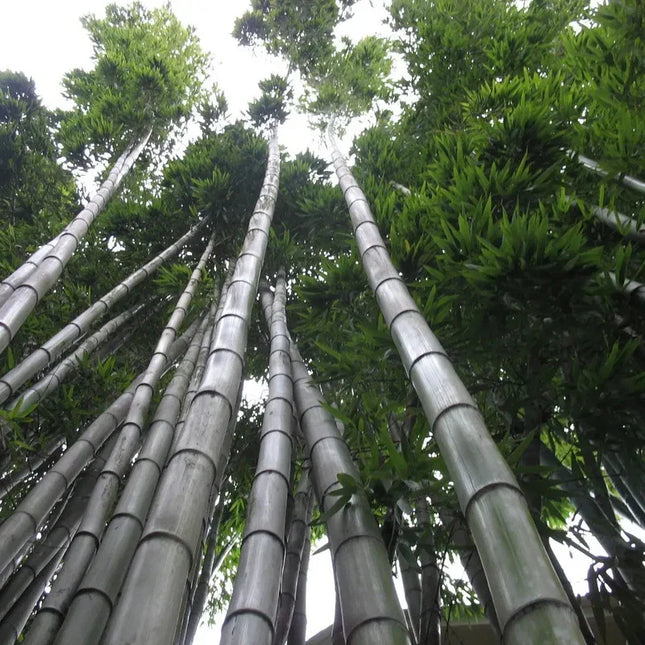
  • Sale -6% 60 Moso King Bamboo Seeds 60 Moso King Bamboo Seeds

    Shipped from Georgia, USA 60 Moso King Bamboo Seeds

    2 reviews

    Transform your garden into a lush, exotic paradise with Moso King Bamboo (Phyllostachys edulis) — the largest hardy bamboo species in the world! Known for its towering height, strong culms, and elegant form, this giant bamboo can reach up to 75 feet tall in ideal conditions. Its smooth green canes and dense foliage create a stunning natural privacy wall or windbreak while adding a touch of Asian serenity to your landscape. Moso Bamboo is prized not only for its ornamental beauty, but also for its strength, fast growth, and versatility. The wood-like culms are used in crafting, flooring, and construction, while its shoots are edible and highly nutritious. Whether you’re growing it as a majestic focal point or sustainable resource, Moso King Bamboo delivers strength, grace, and long-lasting impact. 🌱 Why Grow Moso King Bamboo (Phyllostachys edulis) Seeds? 🎋 World’s largest cold-hardy bamboo, reaching heights up to 75 ft. 🏡 Perfect for privacy screens, windbreaks, or ornamental landscapes. ⚡ Fast-growing, durable, and eco-friendly — one of nature’s strongest plants. 🌿 Produces edible bamboo shoots and beautiful canes used in crafts and furniture. ❄️ Hardy in Zones 6–10 and adapts well to most soil types. 🌿 Growing Tips Light: Full sun to partial shade. Soil: Well-drained, fertile, and slightly acidic soil. Water: Keep soil evenly moist but not soggy during early growth. Germination: Soak seeds 24 hours; sow ¼ inch deep in moist compost. Temperature: Maintain 70–85°F for best germination (10–25 days). Spacing: 8–10 ft apart for screening or clusters. Pro Tip: Once established, Moso Bamboo spreads through rhizomes — plant in a contained bed or use root barriers to control spread. ❓ Frequently Asked Questions (FAQ) How tall does Moso King Bamboo grow?In ideal conditions, it can reach 60–75 feet tall with thick, strong culms. Is it cold-hardy?Yes! It’s hardy to Zone 6, tolerating brief freezes once established. Can Moso Bamboo grow indoors?It’s best suited for outdoor landscapes, but young plants can be started indoors before transplanting. How long until it reaches maturity?Culms reach full height within one growing season, with maturity in 3–5 years. How do I prevent bamboo from spreading?Install rhizome barriers or plant in large containers to control its growth area. Where to Buy Moso King Bamboo Seeds for Sale? At Seeds World, we proudly offer fresh, high-quality Moso King Bamboo (Phyllostachys edulis) seeds with excellent germination rates. Whether you’re creating a lush privacy hedge or cultivating bamboo for its strength and beauty, our seeds ship fast across the U.S. so you can start growing your bamboo grove in no time!

    $15.99 $14.99

  • Raspberry berry and foliage reference; seed-grown color and flavor may vary Raspberry fruit on a cane as a reference for seed-grown plants

    Shipped from USA 50 Raspberry Seeds – Black, Red or Golden Types

    1 review

    Grow Black, Red or Golden Raspberry Types Choose the raspberry type that appeals to you and start a productive berry patch from seed. Each option contains 50 seeds and offers the satisfaction of raising perennial fruiting canes from the earliest stage. Important seedling expectation: Raspberries do not reliably reproduce named parent traits from seed. Berry color, flavor, vigor, thorniness and fruiting habit may vary. Why Gardeners Choose These Raspberry Seeds Choice of supplier-labeled black, red or golden raspberry type Edible perennial canes for fresh fruit, preserves and baking Useful for garden rows, edible landscapes and large containers A rewarding project for gardeners comfortable with stratification and patient establishment What’s in the Pack You will receive 50 seeds of the selected supplier-labeled berry type. The seed lot is not presented as certified organic or as a guaranteed named cultivar. Growing Information Light: Full sun for the strongest flowering and fruiting Soil: Well-drained, fertile soil with consistent moisture Support: Most raspberry canes benefit from trellising Space: Allow room for mature canes and possible suckering Planting Instructions Cold-moist stratify the seeds before sowing; germination may be slow and uneven. Sow shallowly in sterile seed-starting mix and keep evenly moist. Provide bright light and good airflow after germination. Move established seedlings outdoors gradually after frost danger passes. Train canes to a support and adjust pruning once their fruiting habit becomes clear. Frequently Asked Questions Will the berries match the selected color exactly? The option identifies the supplier’s parent type, but seedlings can vary and exact fruit color is not guaranteed. Are these certified organic seeds? No organic certification has been supplied, so the listing does not make that claim. Do raspberry seeds need cold stratification? Yes. A cold, moist treatment is normally used before sowing, and some seeds may take longer than others to germinate. How soon can seed-grown raspberries fruit? Allow several growing seasons for germination, cane establishment and fruiting. Climate and seedling genetics affect timing. Can I grow raspberries in containers? Yes, especially while young. Choose a large container with drainage, regular moisture and support for the canes. Will the plants need a trellis? Most raspberry types benefit from support because it keeps canes upright, improves access and helps protect fruit from the ground.

    $10.79 - $15.25

  • Hydrangea Seeds – Choose a Parent Flower – parent plant reference; seed-grown results may vary 1 Hydrangea Seeds – Choose a Parent Flower – parent plant reference; seed-grown results may vary 2

    Shipped from Ravensdale, WA, USA Hydrangea Seeds – Choose a Parent Flower

    2 reviews

    Hydrangea Seeds – Choose a Parent FlowerStart a lasting ornamental tree or shrub for structure, screening or seasonal interest. This listing is written to set clear expectations before purchase: photos show mature or parent references, while seed-grown results depend on genetics and growing conditions.Why Choose Hydrangea Seeds – Choose a Parent Flower? A hands-on way to grow the plant from its earliest stage Clear sowing and care guidance for realistic planning Suitable for gardeners who value natural seedling variation What’s in the PackOne seed packet in the selected parent/type or style option; use the option label for the exact selection.Seed-grown variation: Parent-flower labels are references only. Seedlings may differ in color and form, and panicle/climbing types do not respond to soil pH like bigleaf hydrangeas.Growing Information Light: Full sun to partial shade, depending on species and climate. Water: Moderate moisture in well-draining media while seedlings establish. Life cycle: Perennial Best sowing period: Begin preparation in winter for spring sowing when chilling is required Planting Instructions Surface-sow the tiny seed and provide light, humidity and airflow; do not bury deeply. Sow in a fine, well-draining seed-starting mix after completing any species-appropriate pre-treatment. Keep the medium evenly moist during germination without leaving it waterlogged. Provide strong, appropriate light after emergence and acclimate seedlings gradually before outdoor planting. Frequently Asked QuestionsWill the plants match the photos or selected type?Parent-flower labels are references only. Seedlings may differ in color and form, and panicle/climbing types do not respond to soil pH like bigleaf hydrangeas.Does the seed need special preparation?Surface-sow the tiny seed and provide light, humidity and airflow; do not bury deeply.How should I sow it?Sow in a fine, well-draining seed-starting mix after completing any species-appropriate pre-treatment.What light and water does it need?Full sun to partial shade, depending on species and climate. Moderate moisture in well-draining media while seedlings establish.How long will it take?Germination can be gradual, and mature flowers or form may take several seasons.Can it grow in a container?Useful for nursery-stage growth; mature trees and shrubs need space appropriate to the species.

    $15.99 - $17.99

  • Sale -10% Giant Oxheart Tomato Seeds – product image 8 Giant Oxheart Tomato Seeds – product image 2

    Giant Oxheart Tomato Seeds – 30 Seeds

    Grow Giant Oxheart Tomato Seeds for food gardens and containers with suitable space and growing conditions. Why Choose These Seeds Practical sowing guidance for a stronger start Realistic expectations about germination and seed-grown variation Useful for gardeners who want control over placement and growing conditions At a Glance Plant Giant Oxheart Tomato Seeds Order contents Choose from the available options shown on the page (Color: Mix, 1, 2, 3, 4, 6, 7, 8, 9, 10). Best for food gardens and containers with suitable space and growing conditions Success starts with Fresh mix, correct moisture, suitable temperature, and patience How to Start Start in a clean seed-starting mix or direct sow when conditions suit the crop. Sow at a depth appropriate to seed size; very small seed needs only a light covering. Keep evenly moist, provide strong light after emergence, and thin crowded seedlings. Transplant after hardening off and when outdoor temperatures are appropriate for the crop. Set expectations: Seed-grown plants can vary in color, form, vigor, and bloom or harvest timing. Photos show a representative mature result, not the appearance of the seed packet or a guaranteed individual plant. Seeds are sold for planting. Confirm crop-specific food safety, harvest maturity, and preparation guidance before eating any plant part. Frequently Asked Questions What exactly will I receive?Choose from the available options shown on the page (Color: Mix, 1, 2, 3, 4, 6, 7, 8, 9, 10). Is Giant Oxheart Tomato Seeds a good fit for my garden?Confirm mature size, light, climate, and local restrictions before planting. Food gardens and containers with suitable space and growing conditions are the intended use. Should I start the seeds indoors or direct sow?Either can work depending on the species and climate; indoor starting offers closer control, while direct sowing reduces transplant disturbance. How long will germination take?Timing varies by species, seed treatment, temperature, moisture, and seed dormancy. Do not discard a properly maintained tray simply because emergence is uneven. Will every plant look exactly like the photos?No. Seed-grown plants can vary in color, form, vigor, and bloom or harvest timing. Are there safety or local planting concerns?Seeds are sold for planting. Confirm crop-specific food safety, harvest maturity, and preparation guidance before eating any plant part.

    $12.99 - $16.19

  • Desert Rose Seeds – Choose a Parent Flower – parent plant reference; seed-grown results may vary 9 Desert Rose Seeds – Choose a Parent Flower – parent plant reference; seed-grown results may vary 2

    Desert Rose Seeds – Choose a Parent Flower

    Desert Rose Seeds – Choose a Parent FlowerGrow a distinctive architectural plant from its earliest stage. Photos show mature or parent references; seed-grown results depend on genetics and growing conditions.Why Choose Desert Rose Seeds – Choose a Parent Flower? A hands-on way to grow the plant from its earliest stage Clear sowing and care guidance for realistic planning Suitable for gardeners who value natural seedling variation What’s in the PackOne seed packet in the selected parent/type or style option; use the option label for the exact selection.Seed-grown variation: Seed-grown roses do not reliably reproduce the parent flower’s exact color, form or climbing habit.Growing Information Light: Bright light; acclimate seedlings gradually to stronger direct sun. Water: Keep evenly moist only while germinating, then shift toward a dry-down cycle in fast-draining media. Life cycle: Perennial Best sowing period: Spring or summer indoors Planting Instructions Rose seed often needs warm and cold moist cycles and may germinate irregularly over an extended period. Surface-sow or cover only very lightly in sterile cactus mix. Maintain warmth, humidity and ventilation. Keep the medium evenly moist during germination without leaving it waterlogged. Provide strong, appropriate light after emergence and acclimate seedlings gradually before outdoor planting. Frequently Asked QuestionsWill the plants match the photos or selected type?Seed-grown roses do not reliably reproduce the parent flower’s exact color, form or climbing habit.Does the seed need special preparation?Rose seed often needs warm and cold moist cycles and may germinate irregularly over an extended period.How should I sow it?Surface-sow or cover only very lightly in sterile cactus mix. Maintain warmth, humidity and ventilation.What light and water does it need?Bright light; acclimate seedlings gradually to stronger direct sun. Keep evenly moist only while germinating, then shift toward a dry-down cycle in fast-draining media.How long will it take?Expect germination over several weeks and slow, steady seedling development.Can it grow in a container?An excellent container subject when drainage and light are adequate.

    $12.87 - $19.19

  • Automatic Self-Watering Plant Spikes – 12 Pack – product view 8 Automatic Self-Watering Plant Spikes – 12 Pack – product view 2

    Automatic Self-Watering Plant Spikes – 12 Pack

    Automatic Self-Watering Plant Spikes – 12 PackAdd a practical watering or propagation aid to indoor and patio plant care. Choose the option that best matches your plant-care setup, then test it at home before extended use.Why Choose This Plant-Care Accessory? Simple setup for everyday plant care or propagation displays Multiple styles where shown in the option menu Reusable design that can be cleaned between uses What’s in the PackOne packet or item as described in the selected listing option.Setup Information Compatibility: Designed for compatible pots, bottles or propagation displays. Water flow: Flow depends on the vessel, opening, soil and setup. Testing: Allow time to observe the flow rate and adjust the setup. Setup Instructions Clean the accessory and the compatible vessel or container. Assemble the selected style and fill with plain water. Test the flow while you are present and adjust the setup as needed. Inspect and clean regularly to prevent blockage or algae buildup. Important: Test the setup before relying on it during travel; this is not a calibrated irrigation controller.Frequently Asked QuestionsWhat is included?One packet or item as described in the selected listing option.Will it fit every pot or bottle?No. Compatibility depends on the selected style, vessel opening and container setup.Does it deliver a fixed amount of water?No. Flow varies with soil, vessel height, seal and environmental conditions.Can I use it indoors and outdoors?Yes, where the materials and selected setup are suitable, but always test for leaks and stability first.How should it be maintained?Rinse regularly and remove mineral buildup or algae that could restrict flow.Can I leave plants unattended immediately?Test the system for several days first. It is a care aid, not a calibrated irrigation controller.

  • 25 Pomegranate Seeds – Choose a Parent Type – parent plant reference; seed-grown results may vary 2 25 Pomegranate Seeds – Choose a Parent Type – parent plant reference; seed-grown results may vary 2

    25 Pomegranate Seeds – Choose a Parent Type

    25 Pomegranate Seeds – Choose a Parent TypeGrow a long-term fruit-tree project from seed. Photos show mature or parent references; seed-grown results depend on genetics and growing conditions.Why Choose 25 Pomegranate Seeds – Choose a Parent Type? A hands-on way to grow the plant from its earliest stage Clear sowing and care guidance for realistic planning Suitable for gardeners who value natural seedling variation What’s in the Pack25 seeds in the selected parent/type option unless the option label states a different quantity.Seed-grown variation: Parent-type labels are references only. Seedling fruit color, flavor and plant habit may vary.Growing Information Light: Full sun once established. Water: Moderate moisture with good drainage; do not keep roots continuously saturated. Life cycle: Perennial Best sowing period: Spring or warm-season sowing, depending on species Planting Instructions A short soak followed by warm sowing can help; cold stratification is usually unnecessary. Use fresh, clean seed and a free-draining mix. Sow at roughly one to two times the seed’s thickness unless the species-specific note below says otherwise. Keep the medium evenly moist during germination without leaving it waterlogged. Provide strong, appropriate light after emergence and acclimate seedlings gradually before outdoor planting. Frequently Asked QuestionsWill the plants match the photos or selected type?Parent-type labels are references only. Seedling fruit color, flavor and plant habit may vary.Does the seed need special preparation?A short soak followed by warm sowing can help; cold stratification is usually unnecessary.How should I sow it?Use fresh, clean seed and a free-draining mix. Sow at roughly one to two times the seed’s thickness unless the species-specific note below says otherwise.What light and water does it need?Full sun once established. Moderate moisture with good drainage; do not keep roots continuously saturated.How long will it take?Tree seeds may take weeks or months to germinate, and fruiting generally requires several years.Can it grow in a container?Seedlings can start in containers, but most fruit trees ultimately need substantial space and light.

  • Mango parent-fruit and tree reference 1; seed-grown fruit traits may vary Mango parent-fruit and tree reference 2; seed-grown fruit traits may vary

    2 Mango Tree Seeds (Mangifera indica)

    1 review

    Start a Tropical Mango Tree from Seed Grow a mango tree from its earliest stage and enjoy the broad, glossy foliage of a classic tropical fruit tree. Each selection contains two seeds and is designed for warm-climate gardeners, greenhouse growers and plant enthusiasts who understand that seed-grown fruit trees are long-term projects. Important seedling expectation: The supplier has not identified the parent cultivar or whether the seed is monoembryonic or polyembryonic. Fruit color, flavor, size and time to bearing are not guaranteed. Why Choose Mango Tree Seeds? Two large tropical tree seeds per selected parent type Attractive evergreen-style foliage in frost-free conditions A rewarding project for warm gardens and protected growing spaces Natural seedling variation can produce a genuinely unique tree What’s in the Pack You will receive two mango seeds from the selected supplier parent type. Numbered options have been renamed for clarity, but no exact cultivar identity is claimed. Growing Information Light: Full sun after gradual acclimation Temperature: Warm, frost-free conditions Soil: Fast-draining mix with steady moisture during establishment Space: Mango trees can become large and need long-term room or deliberate pruning Planting Instructions Sow promptly because mango seeds have a short storage life. Use a deep container and a warm, free-draining growing mix. Plant the seed on its side and cover lightly. Keep warm and evenly moist, never saturated. Move seedlings into stronger light gradually and protect them from cold. Frequently Asked Questions Will the tree produce the same mango shown in the photo? Not necessarily. Monoembryonic mango seedlings do not come true to the parent, and the supplier has not identified the seed type or cultivar. How quickly should I sow mango seeds? As soon as practical. Mango seeds lose viability much faster than ordinary dry vegetable or flower seeds. Can I grow a mango tree indoors? You can raise a young plant indoors in strong light, but long-term flowering and fruiting normally require intense sun, warmth and substantial space. How long before a seed-grown mango bears fruit? It can take many years, and fruiting is not guaranteed in unsuitable climates or restricted indoor conditions. What does Parent Type 1, 2 or 3 mean? These are neutral identifiers for the supplier’s three seed selections. They do not claim a color or cultivar that has not been verified. Are mango trees frost hardy? No. Young mango trees are especially sensitive to cold and should be protected whenever temperatures approach frost conditions.

    $27.99 - $31.00

  • 50 Primrose Seeds – Choose a Parent Flower – parent plant reference; seed-grown results may vary 2 50 Primrose Seeds – Choose a Parent Flower – parent plant reference; seed-grown results may vary 2

    50 Primrose Seeds – Choose a Parent Flower

    50 Primrose Seeds – Choose a Parent FlowerBuild long-lasting garden color from seed. Photos show mature or parent references; seed-grown results depend on genetics and growing conditions.Why Choose 50 Primrose Seeds – Choose a Parent Flower? A hands-on way to grow the plant from its earliest stage Clear sowing and care guidance for realistic planning Suitable for gardeners who value natural seedling variation What’s in the Pack50 seeds in the selected parent/type option unless the option label states a different quantity.Seed-grown variation: Parent-color labels are references only; seedlings may vary in bloom color and form.Growing Information Light: Full sun to partial shade, depending on species. Water: Moderate moisture with good drainage. Life cycle: Perennial Best sowing period: Fall or spring, depending on pre-treatment needs Planting Instructions Rose seed often needs warm and cold moist cycles and may germinate irregularly over an extended period. Sow in a fine seed-starting mix after any species-appropriate soaking or moist chilling. Keep the medium evenly moist during germination without leaving it waterlogged. Provide strong, appropriate light after emergence and acclimate seedlings gradually before outdoor planting. Frequently Asked QuestionsWill the plants match the photos or selected type?Parent-color labels are references only; seedlings may vary in bloom color and form.Does the seed need special preparation?Rose seed often needs warm and cold moist cycles and may germinate irregularly over an extended period.How should I sow it?Sow in a fine seed-starting mix after any species-appropriate soaking or moist chilling.What light and water does it need?Full sun to partial shade, depending on species. Moderate moisture with good drainage.How long will it take?Germination may be uneven, and flowering may begin in a later season rather than the first year.Can it grow in a container?Young plants can be container-grown; mature suitability depends on species size and hardiness.

    $12.47 - $12.99

  • Plumeria Seeds – Choose a Parent Flower – parent plant reference; seed-grown results may vary 1 Plumeria Seeds – Choose a Parent Flower – parent plant reference; seed-grown results may vary 2

    Plumeria Seeds – Choose a Parent Flower

    3 reviews

    Plumeria Seeds – Choose a Parent FlowerGrow a tropical statement plant for patios, sunrooms or warm-climate gardens. Photos show mature or parent references; seed-grown results depend on genetics and growing conditions.Why Choose Plumeria Seeds – Choose a Parent Flower? A hands-on way to grow the plant from its earliest stage Clear sowing and care guidance for realistic planning Suitable for gardeners who value natural seedling variation What’s in the PackOne seed packet in the selected parent/type or style option; use the option label for the exact selection.Seed-grown variation: The parent-color wording describes the source flower. Seed-grown plumeria can bloom in different colors and forms, and may take several years.Growing Information Light: Bright light to full sun after gradual acclimation. Water: Moderate moisture in a free-draining mix; avoid prolonged saturation. Life cycle: Tender perennial Best sowing period: Warm spring and summer or year-round indoors Planting Instructions No cold stratification is normally required; warmth and fresh seed are important. Sow in a warm, well-draining seed-starting mix and maintain humidity with regular ventilation. Keep the medium evenly moist during germination without leaving it waterlogged. Provide strong, appropriate light after emergence and acclimate seedlings gradually before outdoor planting. Important: Plumeria sap can irritate skin and eyes; keep plant material away from children and pets.Frequently Asked QuestionsWill the plants match the photos or selected type?The parent-color wording describes the source flower. Seed-grown plumeria can bloom in different colors and forms, and may take several years.Does the seed need special preparation?No cold stratification is normally required; warmth and fresh seed are important.How should I sow it?Sow in a warm, well-draining seed-starting mix and maintain humidity with regular ventilation.What light and water does it need?Bright light to full sun after gradual acclimation. Moderate moisture in a free-draining mix; avoid prolonged saturation.How long will it take?Germination may take several weeks, and flowering can require multiple growing seasons.Can it grow in a container?Well suited to containers where frost protection is needed. Plumeria sap can irritate skin and eyes; keep plant material away from children and pets.

    $16.79 - $24.99

  • Sale -12% Giant Noble spinach plant with broad green leaves Fresh broad-leaf spinach foliage

    600 Giant Noble Spinach Seeds

    600 Giant Noble Spinach SeedsGiant Noble is a broad-leaf spinach type within Spinacia oleracea. It is best grown as a cool-season crop because rising heat and day length encourage bolting. Plant growth, leaf size and maturity timing depend on weather and spacing.Why Choose This Product? Large 600-seed packet for succession planting Cool-season leafy crop for spring and fall Suitable for rows, raised beds and containers No Non-GMO or heirloom certification is claimed What’s in the Pack?One packet containing approximately 600 Giant Noble spinach seeds.Growing Information Plant type: cool-season annual leafy vegetable Light: full sun to partial shade Soil: fertile, moisture-retentive and well drained Water: even moisture Harvest: pick outer leaves or harvest whole plants Planting Instructions Direct sow as soon as soil can be worked in spring, or in late summer for fall harvest. Plant about 1/2 inch deep. Thin seedlings to 4–6 inches apart for full-size plants. Maintain even moisture and use mulch after plants establish. Harvest before heat triggers rapid bolting. Important: Spinach germination and leaf quality decline in hot conditions. Plan sowing for cool weather.Frequently Asked QuestionsWhen is the best time to plant spinach?Sow in cool spring or late-summer conditions for a fall crop.How deep should spinach seed be planted?Sow about 1/2 inch deep.Can spinach grow in partial shade?Yes. Partial shade can be useful as temperatures rise, though growth may be slower.Why does spinach bolt?Long days and warm temperatures encourage flowering and reduce leaf quality.How can spinach be harvested?Pick outer leaves while the center continues growing, or cut the whole plant.Where can I buy Giant Noble spinach seeds for sale?Seed World offers this 600-seed packet online with cool-season planting guidance.

    $11.99 $10.55

Seeds World online new arrivals seeds for sale. Buy plants online today.

Explore Seed World Online New Arrivals for Your Garden

Discover the freshest collection of seeds with our seed world online New Arrivals. Our new selection is perfect for gardeners eager to enhance their garden with vibrant, healthy plants. From flowers to vegetables, each seed variety is chosen for its quality and growth potential.

Embrace the world of gardening with our exciting new arrivals and watch your garden flourish. Our seeds bring the joy of planting directly to your doorstep. Enhance your garden’s beauty and productivity with our fresh seed selection.

Shopping with us ensures you get new and reliable seed varieties that suit different gardening needs. Whether you are a beginner or an expert, seed world online New Arrivals offers a wide range of options. Browse through our selection and find seeds that fit your climate and taste preferences.

Why Choose Our New Arrivals?

Our new arrivals are sourced from independent U.S.-based suppliers and shipped from U.S. locations. Every seed packet represents fresh and viable seeds ready to grow into beautiful plants. Seed world online New Arrivals brings you the latest varieties that combine disease resistance and high yield.

Add these new seeds to your garden for an exciting growing experience. Our world-class seed selections reflect the current trends and demands in gardening. Join thousands of happy gardeners who trust our quality seed stock.

Enjoy easy online shopping and prompt delivery directly to your door. Our seamless purchasing process makes buying new seeds simple and convenient. You get access to the newest seeds without leaving your home.

Wide Variety of Seeds Just Arrived

Seed world online New Arrivals includes a diverse range of seeds. You'll find flowers, herbs, vegetables, and even rare plants. Our new stock is perfect for home gardens, landscaping, or larger farming projects.

Each seed variety in the arrivals has undergone rigorous quality checks to ensure successful growth. This vast selection allows gardeners to experiment and expand their gardening horizons. The new arrivals bring a fresh touch to your green space.

  • Vegetable seeds: tomatoes, peppers, cucumbers, and more
  • Herb seeds: basil, cilantro, parsley, and various aromatic options
  • Flower seeds: annuals, perennials, and exotic varieties
  • Rare and heirloom seeds to add uniqueness to your garden

Benefits of Shopping Our Seed World Online New Arrivals

Shopping from seed world online New Arrivals ensures you receive quality and variety. New arrivals mean you get access to the latest trends in gardening seeds. These seeds are tested for germination rates and come with planting instructions.

Our world-class service ensures your seeds arrive quickly and in perfect condition. With easy online ordering and detailed product descriptions, you can choose the best seeds for your garden needs.

This constant stream of new arrivals keeps your garden thriving and diverse year after year. Our seed world online New Arrivals provide a wide selection to meet all gardening styles and preferences.

How to Grow Seeds from Our New Arrivals

Starting seeds from our new arrivals is simple and rewarding. First, select seeds suitable for your soil and climate conditions. Then, follow the planting depth and spacing guidelines on each seed packet to optimize growth.

Maintain adequate water and sunlight for healthy seedlings. Seed world online New Arrivals includes planting tips that help beginners and pros alike. Nurture your seedlings carefully and expect your garden to bloom beautifully.

Join Our U.S. Gardening Community

By choosing seeds from the seed world online New Arrivals, you join a community of gardeners across the United States. We serve the U.S. market only, with delivery to U.S. addresses. Share your gardening success stories and connect with others who love plants and nature.

Celebrate the joy of gardening as you try new seeds from our fresh arrivals. Your garden will benefit from the diversity and quality of these seed selections from U.S.-based suppliers. Enjoy a continuous journey in gardening with our latest arrivals.

lookin for something more specific? check our seed collections 
Learn more about gardening at The Berkshire Edge - Gardening Tips (Week of December 25, 2025)

© 2026 Seed World, Powered by Shopify

    • PayPal

    Login

    Forgot your password?

    Don't have an account yet?
    Create account