Seeds World New Arrivals

2005 products

  • Coated Carpetgrass Seed – product image 1

    Shipped from Odessa, Florida, USA Coated Carpetgrass Seed – 1 lb

    Grow Coated Carpetgrass Seed for lawns, groundcovers, forage, or cover-crop projects that match the mix. Why Choose These Seeds Practical sowing guidance for a stronger start Realistic expectations about germination and seed-grown variation Useful for gardeners who want control over placement and growing conditions At a Glance Plant Coated Carpetgrass Seed Order contents One order contains 1 lb, as stated in the title. Best for lawns, groundcovers, forage, or cover-crop projects that match the mix Success starts with Fresh mix, correct moisture, suitable temperature, and patience How to Start Prepare firm, weed-free soil and calculate the area before opening the package. Distribute seed evenly at the rate appropriate for the lawn, forage, or cover-crop use. Press seed into the soil for good contact and keep the surface consistently moist during establishment. Delay heavy traffic and mowing until seedlings are rooted and growing actively. Set expectations: Coverage and establishment vary with preparation, sowing rate, weather, irrigation, and site pressure. Photos show a representative mature result, not the appearance of the seed packet or a guaranteed individual plant. Use only as directed for the stated gardening purpose and keep planting material away from children and pets. Frequently Asked Questions What exactly will I receive?One order contains 1 lb, as stated in the title. Is Coated Carpetgrass Seed a good fit for my garden?Confirm mature size, light, climate, and local restrictions before planting. Lawns, groundcovers, forage, or cover-crop projects that match the mix are the intended use. Should I start the seeds indoors or direct sow?Sow into a prepared outdoor site. How long will germination take?Timing varies by species, seed treatment, temperature, moisture, and seed dormancy. Do not discard a properly maintained tray simply because emergence is uneven. Will every plant look exactly like the photos?No. Coverage and establishment vary with preparation, sowing rate, weather, irrigation, and site pressure. Are there safety or local planting concerns?Use only as directed for the stated gardening purpose and keep planting material away from children and pets.

  • Titan Rx turf-type tall fescue grass seed package

    Shipped from Odessa, Florida, USA Titan Rx Turf-Type Tall Fescue Grass Seed

    Titan Rx Turf-Type Tall Fescue Grass Seed Titan Rx is a turf-type tall fescue developed for durable, medium-dark green lawns in sun and shade. The breeder describes the variety as selected for improved tolerance to heat, drought, winter conditions, and common turf diseases, along with rhizome and tiller growth that can support density and recovery. Recommended Uses New lawns and bare-area repair. Overseeding established tall fescue lawns. Sites with full sun, partial shade, or mixed exposure. Planting Guide New lawn or repair: 7–10 lb per 1,000 sq. ft. Overseeding: 4–6 lb per 1,000 sq. ft. Planting depth: Cover with no more than 1/8 inch of soil. Soil: Prepare a firm seedbed; the manufacturer recommends a pH of 5.8–6.5. Water: Keep the seedbed consistently moist with frequent, light watering until established. Mowing: Begin when the grass reaches 3–4 inches; maintain at about 2–3 inches. 5 lb Bag Coverage At the manufacturer’s rates, a 5 lb bag covers approximately 500–714 sq. ft. for a new lawn or repair, or about 833–1,250 sq. ft. for overseeding. Actual coverage and establishment depend on site preparation, application rate, soil, weather, and aftercare.

    $40.00 - $95.00

  • Blue agapanthus flower cluster close-up Dwarf blue agapanthus growing in a container

    Ships from Castro Valley, California, United States Dwarf Blue Lily of the Nile – Agapanthus Orientalis – 30 Seeds

    Grow Dwarf Blue Lily of the Nile (Agapanthus orientalis), a beautiful flowering perennial in the Amaryllidaceae family, native to South Africa. Known for its elegant clusters of trumpet-shaped blue flowers rising above lush, strap-like green foliage, this ornamental plant brings a graceful touch to gardens and landscapes. Perfect for flower borders, decorative containers, patios, and coastal gardens, Agapanthus creates stunning summer displays while attracting bees and butterflies. Why Choose These Seeds Produces beautiful clusters of blue, trumpet-shaped summer flowers Features attractive, strap-like green foliage for ornamental appeal Compact selections are ideal for containers, patios, and garden borders Long-lived perennial that returns year after year in suitable climates Attracts pollinators and adds elegant color to outdoor landscapes At a Glance Plant Agapanthus orientalis (Dwarf Blue Lily of the Nile) Order contents 30 seeds Family Amaryllidaceae Origin South Africa Natural habitat Coastal grasslands, rocky slopes, and open habitats Plant type Evergreen herbaceous perennial Best for Flower borders, patio containers, coastal gardens, ornamental landscapes Light Full sun to partial shade Flower color Blue to violet-blue, depending on seedling genetics Success starts with Warm temperatures, well-drained soil, consistent moisture, and bright sunlight How to Start Fill seed trays or small pots with a fine, well-draining seed-starting mix. Sow seeds approximately ¼ inch (6 mm) deep and cover lightly with growing medium. Start seeds indoors in spring or when temperatures are consistently warm. Keep the soil lightly and consistently moist without allowing it to become waterlogged. Maintain temperatures around 65–75°F (18–24°C) to encourage germination. Place seed trays in a bright location with indirect sunlight until seedlings emerge. Germination typically occurs within 3–8 weeks, although some seeds may take longer. Once seedlings develop several true leaves and strong roots, transplant into individual containers or sunny garden beds with well-drained soil. Set expectations: Agapanthus orientalis is a clump-forming perennial that produces attractive flower stalks during summer. Dwarf selections may grow approximately 12–24 inches tall, although standard Agapanthus orientalis plants can grow considerably taller. Plants grown from seed may take 2–3 years or longer to produce their first flowers. Because dwarf growth characteristics and flower colors do not always reproduce true from seed, individual seedlings may vary in mature height, flower shade, and overall appearance. Agapanthus prefers mild climates and generally performs best in USDA Hardiness Zones 8–11, with winter protection needed in colder regions. Frequently Asked Questions What will I receive?30 Dwarf Blue Lily of the Nile (Agapanthus orientalis) seeds. How long do the seeds take to germinate?Typically 3–8 weeks under suitable growing conditions. When should I plant them?Start indoors in spring or sow during warm growing conditions. What soil is best?Fertile, well-drained soil enriched with organic matter. Will Agapanthus bloom in the first year?Usually not. Seed-grown plants may take 2–3 years or longer to produce flowers.

  • 10 Lily of the Nile – Blue Agapanthus Seeds - Seed World 10 Lily of the Nile – Blue Agapanthus Seeds - Seed World

    Shipped from Jacksonville, Florida, USA 25 Lily of the Nile – Blue Agapanthus Seeds

    🌸 Lily of the Nile – Blue Agapanthus Seeds. Elegant, drought-tolerant, and perfect for pollinators. Grow your own garden showstopper! These Lily of the Nile – Blue Agapanthus seeds produce dazzling blue blooms and elegant foliage, perfect for beds, borders, or containers. 🌟 Why You'll Love It Turn your garden into a summer sanctuary with Lily of the Nile – Blue Agapanthus grown from seed. These trumpet-shaped, sky-blue flowers rise on tall stalks, making them a beautiful focal point in garden beds, walkways, and containers. Not only are they visually stunning, but they’re also drought-tolerant, low-maintenance, and loved by butterflies and hummingbirds. ✔️ Affordable way to grow large displays✔️ Ideal for cut flowers & long-lasting blooms✔️ Heat- and drought-resistant✔️ Great for beginner & experienced gardeners✔️ Grows well in containers or directly in garden soil 📦 What’s in the Pack? 💠 Premium-quality, viable Agapanthus seeds 📝 Detailed planting and germination guide included 📦 Secure, moisture-protected packaging for long shelf life 🎁 Optional gift-ready packaging available 🌱 Planting Instructions 📅 Best Time to Sow: Late winter to early spring (indoors) or after last frost (outdoors)📍 Location: Full sun to partial shade🪴 Soil: Well-drained, light soil mix🌱 Sowing Depth: 1/4 inch (lightly cover with soil)💧 Watering: Keep soil evenly moist but not soggy🌡️ Germination Time: 21–30 days at 65–75°F (18–24°C)🪴 Transplanting: When seedlings are strong enough, transplant to larger pots or outdoor beds Note: Agapanthus seeds may take 2–3 seasons to flower but produce lush foliage in the first year. ❓ FAQs -  Lily of the Nile – Blue Agapanthus Seeds Q: How long does it take for Agapanthus to flower from seed?Typically 2 to 3 years. While they don’t bloom the first year, you'll enjoy lush green foliage as they mature. Do I need a greenhouse to grow these?A: No greenhouse needed! Just start indoors near a sunny window or under grow lights. Can I plant them directly outdoors?A: Yes, but for best results, start indoors and transplant after the risk of frost has passed. Are they perennial?A: Yes! Once established, Agapanthus returns year after year in zones 8–11. In colder zones, grow in pots and bring them indoors during winter. Do these seeds require stratification?No stratification required. Just sow and keep warm and moist until germination.

  • 100 Asparagus Mary Washington Seeds – Non-GMO, Organic - Seed World

    Shipped from New York, USA 100 Asparagus Mary Washington Seeds – Non-GMO, Organic

    Looking for Asparagus Mary Washington seeds for sale? You've found the perfect variety. These premium asparagus seeds produce tender green spears with purple tips, offering a delicious earthy flavor. Mary Washington is a classic heirloom variety, known for its productivity, resilience, and superior taste. Excellent for home gardens and market growers alike. Why Choose Mary Washington Asparagus? 🌱 Classic heirloom variety – time-tested for superior yields 🥦 Delicious bright flavor with earthy undertones 🌤️ Thrives in full sun but tolerates partial shade 💧 Drought-resistant – perfect for low-maintenance gardening 📦 Includes 100 Non-GMO, Organic seeds What’s in the Pack? Each pack contains 100 fresh Mary Washington asparagus seeds, carefully selected and packaged to ensure maximum germination rates. These seeds are non-GMO and organically sourced, ideal for sustainable gardening. Planting Instructions Best Time to Plant: Spring or early summer Soil: Dry, sandy, pH 6.5 and above, with 1-inch compost layer at trench bottom Seed Depth: 6–12 inches Plant Spacing: 2 inches apart Row Spacing: 18 inches Temperature: Prefers warmer temperatures Light: Full sun optimal, partial shade acceptable Days to Maturity: Approx. 140 days Watering: Moderate; avoid waterlogging FAQ Is Mary Washington Asparagus a perennial? Yes, once established, asparagus is a perennial crop that can produce for 15-20 years with proper care. How many plants will 100 seeds yield? If properly germinated and transplanted, you can expect close to 100 plants, depending on germination success. Does asparagus require special soil preparation? Asparagus prefers sandy, well-drained soil with a neutral to slightly alkaline pH (6.5+). Adding compost at planting improves long-term productivity. Where to buy Mary Washington asparagus seeds for sale? At Seeds World, we offer fresh Mary Washington asparagus seeds with fast shipping from the USA, ready to grow in your home garden.

  • 10 Southern Catalpa Indian Bean Tree Seeds - Seed World 10 Southern Catalpa Indian Bean Tree Seeds - Seed World

    Shipped from Saint Augustine, Florida, USA 10 Southern Catalpa Indian Bean Tree Seeds

    🌳 Southern Catalpa Indian Bean Tree Seeds – Flowering Shade Tree | Native Beauty with Fragrant Blooms & Unique Seed Pods Bring bold beauty and natural charm to your landscape with Southern Catalpa (Catalpa bignonioides)—a native ornamental tree known for its striking white trumpet-shaped flowers, bean-like seed pods, and broad heart-shaped leaves. Often referred to as the “Indian Bean Tree,” this deciduous giant grows up to 50–70 feet and makes a stunning shade tree for large yards, parks, or open spaces. Catalpas thrive in USDA Zones 6–9, tolerate poor soil, and require minimal water once established. In spring, their fragrant blooms draw pollinators, while their long green seed pods add a unique visual twist throughout the summer and fall. 🌿 Low-maintenance, high-impact — perfect for gardeners seeking both shade and spectacle. Why Choose This Product? ✅ Spectacular Spring Flowers: Large clusters of white, orchid-like blooms with purple and yellow throats appear in late spring.✅ Unique Seed Pods & Foliage: Long “cigar-shaped” pods and oversized heart-shaped leaves add ornamental value year-round.✅ Hardy & Drought-Tolerant: Thrives in a wide range of soils with minimal water needs — perfect for low-maintenance landscapes.✅ Rich Herbal History: Used traditionally for asthma, skin issues, and infections — though not FDA evaluated, it's revered in folk medicine. What’s in the Pack? A pack of Southern Catalpa Indian Bean Tree Seeds Approx. 10 seeds per pack Purity: 90–95%, Germination rate: 60–80% Packaged in a resealable, moisture-resistant bag Basic planting instructions included Planting Instructions: Scarify and soak seeds in warm water for 24 hours before planting. Sow indoors or outdoors in well-draining soil, about 1/4" deep. Keep soil moist and warm (65–75°F) for best germination. Germination typically occurs in 2–4 weeks. Transplant seedlings outdoors when 4–6 inches tall and frost risk has passed. 📍 Best suited for USDA Zones 6–9. Choose a sunny location with room to grow. FAQs How tall does a Southern Catalpa tree grow?It typically reaches 50 feet, though in optimal conditions it can grow up to 70 feet tall. Does it require a lot of water or care?No! It’s a hardy, drought-tolerant tree that grows well in poor soil with little maintenance once established. What’s with the name “Indian Bean Tree”?It comes from the long green seed pods that resemble green beans —they’re not edible but are visually striking. Does it lose its leaves?Yes. Catalpa is a deciduous tree, meaning it drops its large leaves (and pods) in fall or after the first frost. Are the seeds or leaves used medicinally?Yes, in traditional herbal medicine, Catalpa bark, leaves, and pods were used for various ailments, including asthma, infections, and inflammation — although not clinically proven.

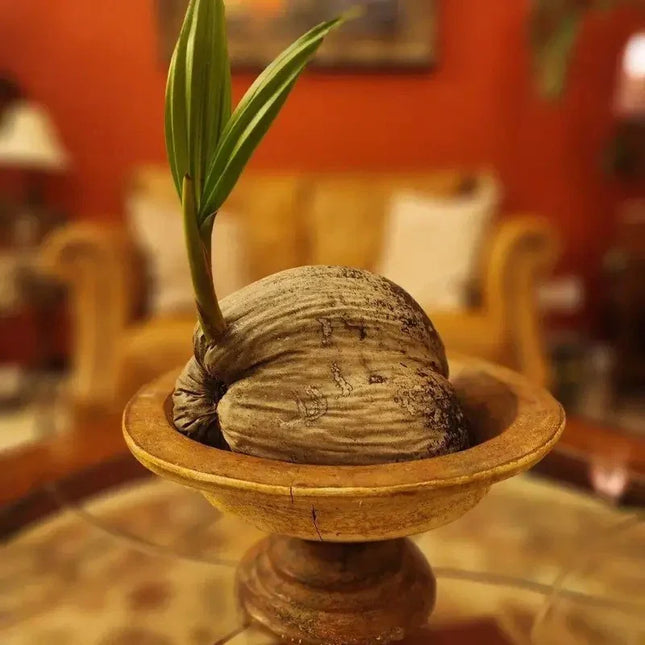
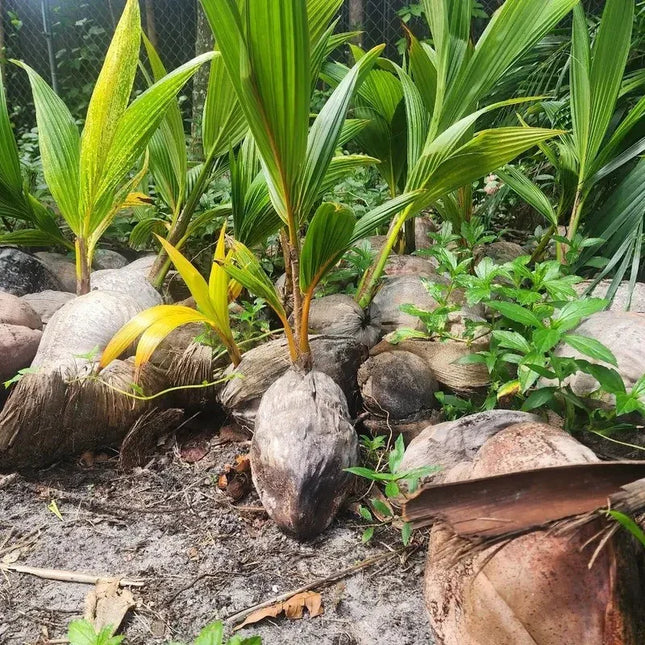
  • 1 Coconut Tree – Sprouted & Ready to Plant | Small Live Tree - Seed World 1 Coconut Tree – Sprouted & Ready to Plant | Small Live Tree - Seed World

    Shipped from Lauderdale, Florida, USA 1 Coconut Tree – Sprouted & Ready to Plant | Small Live Tree

    ⚠️ Note: Do not order if your region is experiencing freezing temperatures — this live plant will not survive cold shipping. 🌴 Coconut Palm – Sprouted & Ready to Plant | Small Live Tree Botanical species: Cocos nucifera (coconut palm). The named cultivar and dwarf or tall growth type are not confirmed. Bring the tropics home with this live, sprouted coconut tree, for a warm-climate garden or a container with ample light and warmth. Unlike dried seeds, this coconut is already sprouted, making it a real, living tree ready to thrive in warm climates or indoors with proper care. Sourced fresh from private residential properties in South Florida, these coconut sprouts are hand-picked and nurtured until they’re ready to plant. Whether you're looking to add a tropical vibe to your space, start a coconut palm in a warm garden or container, this small coconut tree is a perfect choice. Why Choose This Product? ✅ Live & Sprouted—No Guesswork: This isn’t just a seed—it's already growing and ready to thrive in your care!✅ Warm-Climate Palm: Plant outdoors in a suitable frost-free climate, or provide a warm, very bright container setup with room for growth.✅ Natural & Homegrown: Sourced from South Florida yards, not mass-produced — each tree has a story.✅ Tropical Beauty + Edible Potential: Can produce coconuts year-round in the right environment — a survival garden essential! What’s in the Pack? 1x Live Sprouted Coconut Tree (Small Size) Ships without pot/base (ready to transplant) Grown naturally in South Florida — no chemicals, no additives Basic planting and care tips included Planting Instructions: Unpack carefully and keep warm (above 70°F) immediately upon arrival. Choose a well-draining pot or sunny garden spot. Plant the coconut halfway into the soil, sprout facing up. Water regularly, keeping the soil moist but not soggy. Keep it in a warm, humid spot with full sunlight. 📍 Best grown outdoors in USDA Zones 10B–12 (70–95°F), or indoors with warmth and light. FAQs Can I grow this indoors?A young coconut palm can be kept in a container with very strong light, warmth and humidity. It is a naturally large palm, so a permanent 3–4 ft size or indoor fruiting is not promised. Is it a dwarf or tall variety?The cultivar is not confirmed. Do not assume this is Malayan Dwarf or another dwarf selection; mature height and growth habit depend on the plant's identity and growing conditions. Will it produce coconuts?In the right outdoor conditions, yes. Coconut palms can produce fruit year-round in warm, humid zones. What happens if it freezes during shipping?It will die. Please do not order if your area is experiencing freezing temps — this is a live plant, not a seed. Why is this better than coconut seeds?These are already sprouted, giving you a living head start. No guesswork, no waiting — it’s ready to grow!

  • 20 Natchez Crape Myrtle Seeds - Seed World 20 Natchez Crape Myrtle Seeds - Seed World

    Shiipped from Oviedo, Florida, USA 20 Natchez Crape Myrtle Seeds

    🌸 Natchez Crape Myrtle Seeds – Flowering Tree | Perennial White Blooms | Fast-Growing Ornamental | Lagerstroemia indica Transform your landscape with the stunning Natchez Crape Myrtle — a fast-growing, flowering tree known for its cloud-like clusters of white blooms, smooth cinnamon-brown bark, and elegant branching. As a perennial showstopper, it adds both beauty and structure to any yard, driveway border, or garden bed. This easy-to-grow ornamental tree thrives in full sun and blooms profusely through summer, attracting pollinators and compliments alike.🌿 Perfect for beginner and seasoned gardeners who want long-lasting, low-maintenance floral impact. Why Choose This Product? ✅ Brilliant White Summer Blooms: Produces large clusters of crisp white flowers for months—perfect for brightening up any space.✅ Fast-Growing & Hardy: Ideal for creating natural shade, borders, or stunning focal points in a short amount of time.✅ Beautiful Year-Round Interest: Glossy green leaves, summer flowers, and peeling bark offer multi-season appeal.✅ Low-Maintenance Perennial: Drought-tolerant, pest-resistant, and easy to care for once established. What’s in the Pack? A pack of fresh Natchez Crape Myrtle tree seeds Approx. 20 Seeds per pack Sealed in a moisture-resistant, resealable pouch Includes basic growing and germination instructions Planting Instructions: Scarify or soak seeds in warm water for 24 hours to aid germination. Sow indoors in seed trays with well-draining soil, lightly pressing seeds into the surface. Keep soil consistently moist and place in a warm, bright location (65–75°F). Germination takes 2–6 weeks. Transplant outdoors after frost danger has passed and seedlings are 3–5 inches tall. 📍 Best grown in Zones 6–10 with full sun and well-drained soil. FAQs How tall will Natchez Crape Myrtle grow?It can grow up to 20–30 feet tall, but can also be pruned to stay smaller for landscape use. Will it bloom the first year?Typically, flowers appear in the second or third growing season after seed germination. Can I grow it in a container?Yes, especially during the seedling stage. For long-term growth, it’s best transplanted into the ground or a large planter. Is this a cold-hardy tree?Yes, it’s hardy in USDA Zones 6–10. In colder zones, it can be overwintered indoors or treated as an annual. Is it messy or high-maintenance?Not at all! Natchez Crape Myrtle is low-maintenance, self-cleaning, and has a graceful leaf and flower drop that’s easy to manage.

  • Autograph Tree Seeds – product image 1 Autograph Tree Seeds – product image 2

    Shiipped from Miami, Florida, USA Autograph Tree Seeds (Clusia rosea)

    Grow Autograph Tree Seeds for patient growers planning a long-term tree or shrub project. Why Choose These Seeds Practical sowing guidance for a stronger start Realistic expectations about germination and seed-grown variation Useful for gardeners who want control over placement and growing conditions At a Glance Plant Autograph Tree Seeds Order contents Choose from the available options shown on the page (Quantity: 10, 25, 50). Best for patient growers planning a long-term tree or shrub project Success starts with Fresh mix, correct moisture, suitable temperature, and patience How to Start Review whether the species needs scarification or cold-moist stratification before sowing. Use a clean, free-draining seed-starting mix and containers deep enough for young roots. Keep moisture steady without waterlogging; woody seeds may emerge unevenly over an extended period. Move seedlings gradually into brighter light and transplant only after they are established. Set expectations: Woody seed can germinate slowly and unevenly; seed-grown plants also vary naturally. Photos show a representative mature result, not the appearance of the seed packet or a guaranteed individual plant. Woody seeds often have natural dormancy and may require scarification, cold stratification, or extended germination time. Check local suitability before planting. Frequently Asked Questions What exactly will I receive?Choose from the available options shown on the page (Quantity: 10, 25, 50). Is Autograph Tree Seeds a good fit for my garden?Confirm mature size, light, climate, and local restrictions before planting. Patient growers planning a long-term tree or shrub project are the intended use. Should I start the seeds indoors or direct sow?Either can work depending on the species and climate; indoor starting offers closer control, while direct sowing reduces transplant disturbance. How long will germination take?Timing varies by species, seed treatment, temperature, moisture, and seed dormancy. Woody seeds may require pretreatment and an extended wait. Will every plant look exactly like the photos?No. Woody seed can germinate slowly and unevenly; seed-grown plants also vary naturally. Are there safety or local planting concerns?Woody seeds often have natural dormancy and may require scarification, cold stratification, or extended germination time. Check local suitability before planting.

    $20.00 - $50.00

  • Bhut Jolokia Ghost Pepper – 3 Live Plants – product image 1 Bhut Jolokia Ghost Pepper – 3 Live Plants – product image 2

    Shipped from Monongahela, Pennsylvania, USA Bhut Jolokia Ghost Pepper – 3 Live Plants

    1 review

    Bring an established Bhut Jolokia Ghost Pepper – 3 Live Plants into your collection without waiting for seed germination. This live plant is intended for growers who want a head start and are prepared to acclimate it after shipping. Why Choose This Bhut Jolokia Ghost Pepper – 3 Live Plants Live, rooted planting material for faster establishment Clear arrival and acclimation expectations Suitable for a container or garden placement that matches its climate needs What to Expect Plant format Live plant Order contents One order contains 3 live plants, as stated in the title. First priority Unpack promptly and acclimate gradually Best for Growers able to provide species-appropriate light, warmth, and drainage Arrival and Care Unpack promptly and inspect the plant after transit. Place it in bright, indirect light for the first few days unless the species requires shade. Water only when the growing medium indicates it is needed; avoid leaving roots waterlogged. Wait until the plant has recovered from shipping before repotting, fertilizing, or moving it into intense sun. Important: Leaves or stems may show temporary shipping stress. New growth after acclimation is a better measure of establishment than appearance on arrival. Use only as directed for the stated gardening purpose and keep planting material away from children and pets. Frequently Asked Questions What exactly will I receive?One order contains 3 live plants, as stated in the title. Will the plant look exactly like the photos?Photos show the plant type at a representative stage. Size, branching, leaf count, and seasonal appearance naturally vary. What should I do when it arrives?Unpack it promptly, check moisture, and acclimate it in protected light before changing pots or exposure. Can I plant it outdoors immediately?Only when local temperatures suit the species. Harden it off gradually and protect it from abrupt sun, wind, or cold. How often should I water it?Water according to the plant and potting mix, not a fixed schedule. Let drainage and the moisture level guide you. Is there a safety or climate concern?Use only as directed for the stated gardening purpose and keep planting material away from children and pets.

  • Red Apocalypse Scorpion Chili – 3 Live Plants | 2M SHU Super Hot - Seed World Red Apocalypse Scorpion Chili – 3 Live Plants | 2M SHU Super Hot - Seed World

    Shipped from Monongahela, Pennsylvania, USA Red Apocalypse Scorpion Chili – 3 Live Plants | 2M SHU Super Hot

    Ready to grow one of the world’s hottest peppers? This listing includes a lot of 3 Apocalypse Scorpion Red Chili live plants—super hot, well-established, and organically raised for maximum health and yield. 🔥 Packing a fiery punch of up to 2,000,000 SHU, this rare chili variety is a must-have for hot pepper collectors, sauce makers, or anyone who dares to dance with extreme heat. These aren’t seedlings—they’re over 75 days old, strong, and ready to thrive in your garden or containers. Perfect for homemade hot sauces, spice blends, or challenging your friends! ✅ 3 Live Apocalypse Scorpion Chili Plants – Over 75 days old✅ Among the world’s hottest – up to 2,000,000 Scoville Heat Units (SHU)✅ Well-rooted, organically grown, and ready to transplant✅ Grown from isolated seeds for true fruit shape and extreme heat✅ Ideal for hot sauce, dehydrating, or brave taste buds✅ Best in full sun, 5-gallon containers, or raised beds Plant Info: Type: Live hot pepper plant Heat Level: Up to 2,000,000 SHU Light: Full sun (6–8 hrs/day) Soil: Well-drained, rich in organic matter Watering: Keep soil moist (not soggy) Fruit Size: 1.5–2 inches, wrinkled red pods Best For: 5-gallon containers, hot climates, extreme chili fans

  • Red Cherry Bomb Chili – 3 Live Hot Pepper Plants - Seed World

    Shipped from Monongahela, Pennsylvania, USA Red Cherry Bomb Chili – 3 Live Hot Pepper Plants

    Cherry Bomb Chili – 3 Live Hot Pepper Plants | Red, Spicy, Garden-Ready Add explosive flavor to your garden with this lot of 3 Cherry Bomb Chili live pepper plants—super hot, garden-ready, and organically raised! These well-established plants (75+ days old) are not seedlings but healthy, thriving young plants ready to produce fiery red, cherry-sized peppers packed with heat and flavor. Ideal for stuffing, pickling, and fresh culinary use, Cherry Bombs are beloved for their high yields and bold taste. Each plant was nurtured with organic care and watered regularly and is ready to thrive in your garden or container setup. ✅ Includes 3 live Cherry Bomb chili pepper plants (not seedlings)✅ Organically grown, over 75 days old & fully established✅ Ready to transplant into 5-gallon pots or garden beds✅ Produces spicy, round, red cherry-sized peppers✅ Perfect for stuffing, pickling, or fresh use✅ High-yield, heat-loving, and beginner-friendly Plant Info: Plant Type: Live chili pepper plant Fruit Size: Cherry-sized (1–2”) Heat Level: Medium to high Light: Full sun (6–8 hours/day) Soil: Well-drained, nutrient-rich Best For: 5-gallon containers, raised beds, home gardens Watering: Keep soil moist but not waterlogged Fertilizer: Use every 2–3 weeks for best results

  • Green Jalapeño Chili – 3 Live Hot Pepper Plants - Seed World

    Green Jalapeño Chili – 3 Live Hot Pepper Plants

    Get a serious head start on your pepper harvest with these 3 live Green Jalapeño chili plants — fully established, organically grown, and over 75 days old. These aren't seedlings; they're mature, robust plants ready to transplant directly into your garden bed or container. Each was grown from isolated, non-crossed seeds for consistent pod shape, classic jalapeño heat, and reliable flavor — perfect for salsas, stuffing, grilling, or pickling. What You Get ✅ 3 live Green Jalapeño chili plants, 75+ days old, ready to transplant Plant Highlights 🌶️ Classic Jalapeño Heat & Flavor — 2–3 inch pods, ideal for cooking and preserving 🌱 Mature Plants, Not Seedlings — established and ready for immediate transplanting 🧪 Isolated Seed Origin — grown from netted, non-crossed seeds for consistent results 🪣 Compact & Productive — great for 5-gallon containers or garden beds ☀️ Full Sun Lover — thrives with 6–8 hours of direct sunlight daily 👨‍🌾 Beginner Friendly — easy to grow, high yield potential Care Guide Transplanting: Move to a 5-gallon container or garden bed immediately upon arrival Light: Full sun — minimum 6–8 hours daily Water: Keep soil consistently moist but not soggy Fertilizer: Feed with organic fertilizer every 2–3 weeks during the growing season Best containers: 5-gallon buckets or raised garden beds Frequently Asked Questions Are these seedlings or mature plants? These are mature, established plants — over 75 days old. They are not seedlings. You can transplant them directly into your garden or container right away. How spicy are Green Jalapeños? Green Jalapeños typically measure 2,500–8,000 Scoville Heat Units — a medium heat level that's versatile for cooking, pickling, stuffing, and fresh salsas. What size container do I need? A 5-gallon bucket or container is ideal for one plant. Make sure it has drainage holes and use a well-draining potting mix for best results. How long until I can harvest? Since these are already 75+ days old and established, you can expect peppers to be ready for harvest within a few weeks of transplanting under good growing conditions. Can I grow these indoors? Jalapeños need full sun to produce well. If growing indoors, place near a south-facing window or use a grow light providing at least 6–8 hours of bright light daily.

  • 15 Hayward Kiwi Vine Seeds - Seed World 15 Hayward Kiwi Vine Seeds - Seed World

    15 Hayward Kiwi Vine Seeds

    Grow productive Hayward kiwi vines at home. This classic variety is renowned for sweet, tangy, Vitamin C–rich fruit on vigorous, climbing plants. Suitable for trellises, pergolas, and backyard gardens. Why Choose Hayward Kiwi Seeds? Vigorous, climbing habit suitable for trellising. Well-suited to sunny sites with free-draining soil. Great for home gardens and small orchards. What’s in the Pack? Pack contains 15 kiwi vine seeds (Hayward type). Planting Instructions Sowing window: Spring to early summer. Site & light: Full sun; provide a sturdy support/trellis. Soil: Well-draining, pH 6.0–7.0; enrich with organic matter. Sowing depth: Approx. 1/4 inch (light cover). Watering: Keep evenly moist until established; avoid waterlogging. Care: Train on wires or a trellis; prune to maintain structure and airflow. FAQ Do I need both male and female vines to get fruit? Yes. Kiwi vines are typically dioecious. Planting multiple seedlings increases the likelihood of having both male and female plants for pollination and fruit set. How long until the vines bear fruit? Under suitable conditions, seed-grown kiwi vines can take approximately 3–5 years to begin fruiting. Will seed-grown plants be identical to Hayward? Seedlings can vary. Traits may not be identical to the original clone. For guaranteed uniformity (e.g., confirmed female Hayward), growers use grafted plants. Seed-grown vines are excellent for home experimentation and hardy rootstock. Can I start kiwi in containers? Yes. Begin in large containers and transplant once strong. Provide a robust support from the start. Where to buy Hayward kiwi vine seeds for sale? At Seeds World, you can order fresh Hayward-type kiwi seeds with clear planting guidance and customer support. Browse related varieties and gardening tips on the product page.

  • Sale -16% Yellow Pear Tomato Seeds – 500 Seeds, featuring ripe golden-yellow, pear-shaped cherry tomatoes with smooth skin and fresh green stems in a harvest basket, perfect for home vegetable gardens. Seed World Yellow Pear Tomato (Solanum lycopersicum) heirloom variety featuring clusters of small, golden-yellow, pear-shaped tomatoes growing on green vines – 500 seeds from Seed World.

    Shipped from Deltona, Florida, United States Yellow Pear Tomato – 500 Seeds

    Grow Yellow Pear Tomato (Solanum lycopersicum 'Yellow Pear'), a charming heirloom tomato variety in the Solanaceae family, known for its small, bright yellow, pear-shaped fruits and mild, sweet flavor. This productive, indeterminate tomato produces abundant clusters of juicy fruits throughout the growing season. Perfect for home vegetable gardens, raised beds, and large containers, Yellow Pear Tomatoes add vibrant color and delicious flavor to salads, fresh snacks, and homemade preserves. Why Choose These Seeds Produces adorable, golden-yellow, pear-shaped tomatoes Offers a mild, sweet flavor perfect for fresh eating and salads Heirloom variety known for reliable, abundant harvests Indeterminate vines continue producing throughout the growing season Excellent for vegetable gardens, raised beds, and large containers At a Glance Plant Solanum lycopersicum 'Yellow Pear' Order contents 500 seeds Family Solanaceae Origin Historic European heirloom variety Natural habitat Cultivated vegetable gardens and agricultural fields Plant type Warm-season annual vegetable Best for Vegetable gardens, raised beds, large containers, fresh eating Light Full sun (6–8+ hours daily) Fruit color Bright golden yellow Success starts with Warm temperatures, fertile soil, consistent watering, and sturdy support How to Start Fill seed trays or small containers with a fine, well-draining seed-starting mix. Sow seeds approximately ¼ inch (6 mm) deep and cover lightly with soil. Start seeds indoors 6–8 weeks before the last expected frost. Keep the soil consistently moist but not waterlogged during germination. Maintain soil temperatures around 70–85°F (21–29°C) for successful germination. Place seedlings under bright grow lights or in a sunny location to encourage strong growth. Seeds typically germinate within 7–14 days under suitable conditions. Transplant outdoors after frost danger has passed, spacing plants 24–36 inches apart. Provide stakes or cages and water regularly throughout the growing season. Set expectations: Yellow Pear Tomato typically matures in approximately 70–80 days after transplanting. Its vigorous, indeterminate vines can grow 5–8 feet tall under favorable conditions and benefit from sturdy support. Fruits are generally 1–2 inches long and ripen to a bright yellow color. Consistent watering, full sun, and regular harvesting encourage healthy growth and continued production. Frequently Asked Questions What will I receive?500 Yellow Pear Tomato seeds. How long do the seeds take to germinate?Typically 7–14 days in warm, moist soil. When should I plant them?Start indoors 6–8 weeks before the last frost, then transplant outdoors when temperatures are warm. What soil is best?Fertile, well-drained soil enriched with organic matter. Are Yellow Pear Tomatoes easy to grow?Yes! They're productive heirloom tomatoes that thrive with full sun, regular watering, and proper support.

    $14.99 $12.55

  • Bamboo Root – product image 1 Bamboo Root – product image 2

    Bamboo Root – Live Plant

    Bring an established Bamboo Root into your collection without waiting for seed germination. This live plant is intended for growers who want a head start and are prepared to acclimate it after shipping. Why Choose This Bamboo Root Live, rooted planting material for faster establishment Clear arrival and acclimation expectations Suitable for a container or garden placement that matches its climate needs What to Expect Plant format Live plant Order contents One live plant or the live-plant quantity stated in the title. First priority Unpack promptly and acclimate gradually Best for Growers able to provide species-appropriate light, warmth, and drainage Arrival and Care Unpack promptly and inspect the plant after transit. Place it in bright, indirect light for the first few days unless the species requires shade. Water only when the growing medium indicates it is needed; avoid leaving roots waterlogged. Wait until the plant has recovered from shipping before repotting, fertilizing, or moving it into intense sun. Important: Leaves or stems may show temporary shipping stress. New growth after acclimation is a better measure of establishment than appearance on arrival. Growth habit varies by species. Confirm local restrictions and use containment where running bamboo is possible. Frequently Asked Questions What exactly will I receive?One live plant or the live-plant quantity stated in the title. Will the plant look exactly like the photos?Photos show the plant type at a representative stage. Size, branching, leaf count, and seasonal appearance naturally vary. What should I do when it arrives?Unpack it promptly, check moisture, and acclimate it in protected light before changing pots or exposure. Can I plant it outdoors immediately?Only when local temperatures suit the species. Harden it off gradually and protect it from abrupt sun, wind, or cold. How often should I water it?Water according to the plant and potting mix, not a fixed schedule. Let drainage and the moisture level guide you. Is there a safety or climate concern?Growth habit varies by species. Confirm local restrictions and use containment where running bamboo is possible.

  • White Lily of the Valley – Bulbous Roots White Lily of the Valley – Bulbous Roots

    Shipped from Brewer, Maine, USA White Lily of the Valley – Bulbous Roots

    Grow White Lily of the Valley (Convallaria majalis), a fragrant woodland perennial in the Asparagaceae family, known for its delicate, bell-shaped white flowers and lush green foliage. This hardy, shade-loving plant spreads naturally through underground rhizomes, forming an attractive ground cover that returns year after year. Its sweetly scented spring blooms make it a beautiful choice for shaded borders, woodland gardens, and containers. Why Choose These Pips Produces delicate, fragrant white bell-shaped flowers Hardy perennial that returns and multiplies year after year Spreads naturally to create lush, attractive ground cover Thrives in shade and partial shade where many flowers struggle Perfect for woodland gardens, shaded borders, and containers At a Glance Plant Convallaria majalis (White Lily of the Valley) Order content  15+ | 30+ pips (bulbous roots) Family Asparagaceae Origin Europe and temperate Asia Natural habitat Shaded woodlands and forest floors Plant type Hardy perennial with creeping rhizomes Best for Ground cover, woodland gardens, shaded borders, containers Light Partial shade to full shade Flower color White Success starts with Moist, humus-rich soil, shade, regular watering, and room to spread How to Start Choose a shaded or partially shaded location with fertile, well-drained soil. Prepare the planting area by loosening the soil and adding compost or organic matter. Plant each pip with the roots spread gently downward and the growing tip approximately ½–1 inch below the soil surface. Space pips approximately 4–6 inches apart to allow natural spreading. Cover gently with soil and water thoroughly after planting. Keep the soil consistently moist during establishment without allowing it to become waterlogged. Apply a light layer of mulch to help retain moisture and protect the roots. Allow plants to establish and spread naturally, maintaining adequate moisture during dry periods. Set expectations: Lily of the Valley typically flowers in spring to early summer, depending on climate. Pips shipped after the flowering season may arrive with foliage cut back or naturally dying back. This is normal seasonal dormancy, not necessarily a sign of poor health. New growth develops from underground pips the following spring. Established plants spread through rhizomes and may form dense colonies over time. Best suited to cool and temperate gardens, generally USDA Zones 3–8, with performance varying in warmer areas. All parts of Lily of the Valley are poisonous if ingested, so keep plants away from children and pets. Frequently Asked Questions What will I receive?15+ / 30+ White Lily of the Valley pips (bulbous roots), which may arrive cut back or dormant depending on the season. When should I plant them?Plant in spring or fall, or promptly upon arrival when soil conditions are suitable. How deep should I plant the pips?Plant with growing tips approximately ½–1 inch below the soil and space 4–6 inches apart. Will Lily of the Valley return every year?Yes! These hardy perennials return each spring and multiply naturally through underground rhizomes. Can Lily of the Valley grow in shade?Yes. It thrives in partial to full shade and prefers moist, fertile, well-drained soil.

    $27.99 - $44.99

  • Mature Chinese fringe tree covered in white flowers Blue-black fruit and green leaves of Chinese fringe tree

    10 Chinese Fringe Tree Seeds (Chionanthus retusus)

    Grow Chinese fringe tree (Chionanthus retusus) from seed. This deciduous ornamental tree is valued for its fragrant, fringe-like white flowers, attractive bark, green foliage, and blue-black fruit that may form on pollinated female plants. This packet contains 10 seeds. Key Features Botanical name: Chionanthus retusus Plant type: Deciduous flowering tree or large shrub Seed count: 10 seeds Light: Full sun to partial shade Hardiness: USDA zones 5–9 Mature size: Commonly 10–20 ft tall and wide Bloom time: Late spring to early summer Why Grow Chinese Fringe Tree? Fragrant white flowers create a soft, fringe-like display. Compact mature size suits many residential landscapes. Exfoliating bark and yellow fall color provide seasonal interest. Grows in average, medium-moisture, well-drained soil. How to Sow Chinese Fringe Tree Seeds Important germination expectation: Chinese fringe tree seeds have double dormancy. They usually need a warm, moist period followed by a cold, moist period, and germination can take more than one year. Place the seeds in a moist, well-drained seed-starting medium. Allow a warm, moist period followed by a cold, moist period. Treatment length can vary with seed condition. Alternatively, sow in a protected outdoor container in fall and allow natural seasonal temperature changes. Keep the medium moist but not waterlogged, and protect the container from rodents. Do not discard the container if seedlings do not appear during the first spring. Autumn-sown seeds may not emerge until the second spring, and some seeds can take longer. Growing Guide Soil: Rich, well-drained soil is ideal; avoid prolonged waterlogging. Water: Keep young plants evenly moist while roots establish. Light: Full sun generally produces the best flowering, though partial shade is tolerated. Spacing: Allow room for a broad, spreading crown. Before You Plant This is a patience-required seed project. Germination is naturally slow and uneven, and seed-grown plants need several years to mature before flowering. Individual seedlings can vary in growth habit and flower production. Frequently Asked Questions Do Chinese fringe tree seeds need stratification? Yes. They have double dormancy and generally respond to a warm, moist period followed by a cold, moist period. How long does germination take? Germination may take one to two years. Outdoor fall sowing commonly produces seedlings in the second spring rather than the first. Can Chinese fringe tree grow in partial shade? Yes, but flowering is usually strongest in full sun.

  • 25 Mixed Onion Bulbs – 3 Heirloom Varieties - Seed World 25 Mixed Onion Bulbs – 3 Heirloom Varieties - Seed World

    Shipped from Pittsburgh, Pennsylvania, USA 25 Mixed Onion Bulbs – 3 Heirloom Varieties

    1 review

    Enjoy a season-long harvest of color, flavor, and kitchen versatility with our Mixed Onion Bulbs collection. This curated trio includes three distinct heirloom varieties—each selected for texture, flavor, and reliable growth in home gardens. Whether you're planting for fresh salads, cooking staples, or long-term storage, these onion bulbs deliver consistent results with minimal effort. 🧅 What’s Included: – Yellow Stuttgarter – Globe-shaped with a mild, crisp yellow-white flesh. Excellent for cooking and known for its long storage life.– Red Karmen – Sweet with a touch of spice, wrapped in vibrant red-purple skin. Ideal for slicing, salads, and fresh use.– Snowball White – Clean, sharp flavor with a classic white papery skin. A go-to for garnishes, salsas, and chutneys. These onion sets are faster and easier to grow than seed—just plant and water. They sprout quickly, mature reliably, and adapt to a wide range of growing zones (2–12). With early green tops ready in just a few weeks and full bulbs maturing in under 90 days (spring) or over-wintering for fall harvests, they’re a smart addition to any edible garden. 🌱 Why Grow Mixed Onion Bulbs Harvest green onions in as little as 2–4 weeks Full-sized bulbs in 90 days (spring) or up to 240 days (fall) Three flavor profiles: mild, sharp, and sweet Easier and faster than seeds or transplants Heirloom, open-pollinated, and non-GMO Suitable for USDA Zones 2–12 Performs in full sun or partial shade 🌿 Growing Tips Plant in early spring as soon as soil is workable, or in fall for overwintering Choose full sun and well-drained soil for best results Space bulbs 4–6 inches apart in rows 12–18 inches apart Water regularly until established, then reduce to avoid rot Harvest tops early for green onions or allow full development for bulb storage Cure harvested bulbs in a dry, well-ventilated area before storing ❓ Frequently Asked Questions (FAQ) What’s the difference between these varieties?Each has a distinct color and flavor. Yellow Stuttgarter is mild and long-storing, Red Karmen is sweet and vibrant, and Snowball White is tangy and crisp. How soon can I harvest them?Green onion tops can be cut in 2–4 weeks. Full bulb development takes about 90 days in spring or up to 240 days for fall-planted sets. Do I need to start these indoors?No. These are bulbs (not seeds), so they go directly into the garden or raised bed with no indoor prep required. Can I grow them in containers?Yes. Use a deep container with good drainage and space bulbs 4–6 inches apart. Are they organic?These bulbs are heirloom and non-GMO. While not certified organic, they are open-pollinated and untreated. What zones do they grow in?They grow well in Zones 2 through 12 with proper planting timing.

  • 3 Organic Sprouted Jerusalem Artichoke – Ready-to-Plant - Seed World 3 Organic Sprouted Jerusalem Artichoke – Ready-to-Plant - Seed World

    Shipped from Bensalem, Pennsylvania, USA 5 Organic Sprouted Jerusalem Artichoke – Ready-to-Plant

    Grow Jerusalem Artichoke (Helianthus tuberosus), also known as Sunchoke, a hardy perennial vegetable in the Asteraceae family, native to North America. Known for its crisp, nutty-flavored edible tubers and tall sunflower-like growth, this productive plant is an excellent addition to home vegetable gardens. These organic sprouted tubers are ready for planting, offering a convenient way to establish a long-lasting, rewarding harvest. Why Choose These Tubers Includes 5 organic sprouted Jerusalem Artichoke tubers ready for planting Produces edible, nutty-flavored tubers perfect for roasting, soups, and fresh dishes Hardy perennial that can return year after year Develops tall, vigorous stems with attractive yellow sunflower-like blooms Excellent for vegetable gardens, edible landscapes, and large growing areas At a Glance Plant Helianthus tuberosus (Jerusalem Artichoke) Order contents 5 organic sprouted tubers Family Asteraceae Origin North America Natural habitat Meadows, open fields, and disturbed grasslands Plant type Hardy perennial root vegetable Best for Vegetable gardens, edible landscaping, large containers Light Full sun to partial shade Flower color Golden yellow Success starts with Loose soil, adequate spacing, consistent moisture, and room to grow How to Start Choose a sunny planting location with loose, fertile, well-drained soil. Prepare the soil by loosening it and incorporating compost or organic matter. Plant sprouted tubers approximately 3–4 inches (8–10 cm) deep, handling the emerging shoots carefully. Space tubers 12–18 inches (30–45 cm) apart to allow healthy root development. Cover gently with soil, taking care not to damage the sprouts. Water thoroughly after planting and maintain consistent moisture during establishment. Apply mulch around emerging plants to retain moisture and suppress weeds. Allow plants to grow throughout the season and harvest mature tubers in late autumn or winter after the foliage begins to die back. Set expectations: Jerusalem Artichokes typically reach 6–10 feet tall under favorable conditions and produce edible underground tubers in approximately 120–150 days. These sprouted tubers have already begun growing, but successful establishment still depends on proper planting and care. The plants spread vigorously through underground tubers and can return each year, so choose a permanent location or use large containers to manage their growth. Harvest yields depend on climate, soil quality, and growing conditions. Frequently Asked Questions What will I receive?5 organic sprouted Jerusalem Artichoke tubers, ready for planting. When should I plant them?Plant in early spring when the soil is workable and severe frost risk has passed for tender sprouts. How deep should I plant the tubers?Plant 3–4 inches deep, spacing 12–18 inches apart. How long until harvest?Typically 120–150 days, with harvesting usually in late autumn or winter. Will Jerusalem Artichokes grow back every year?Yes! These hardy perennials can regrow from underground tubers left in the soil.

  • 20 Organic Goji Leaves Cuttings for Planting - Seed World 20 Organic Goji Leaves Cuttings for Planting - Seed World

    20 Organic Goji Leaves Cuttings for Planting

    Organic Goji Leaf Cuttings – Grow Your Own Superfood Plant Start your own goji berry plant (Lycium barbarum) from fresh, organic leaf cuttings — one of the easiest and most rewarding ways to establish this celebrated superfood in your garden. Known as wolfberry, the goji plant produces nutrient-rich leaves prized in traditional teas, soups, and health-focused cuisine, as well as the iconic bright red berries. These cuttings are freshly harvested and ready to root — a fast-starting alternative to seeds for gardeners who want results sooner. Plant Specifications Common Name: Goji Berry, Wolfberry Scientific Name: Lycium barbarum Type: Perennial shrub Sunlight: Full sun Soil pH: 6.8 – 8.1 Soil Type: Well-drained; amend with compost or sand if needed Watering: Regular until established; drought-tolerant once mature Uses: Leaves for tea & cooking; berries for fresh or dried consumption Organic: Yes – grown without synthetic pesticides or fertilizers Planting Instructions Soak cuttings in water for a few hours before planting Plant immediately upon arrival in sunny, well-drained soil Amend soil with compost or sand to improve drainage if needed Water regularly until roots are established Once established, goji plants are low-maintenance and drought-tolerant Frequently Asked Questions How many cuttings are included? Each order includes 20 fresh organic goji leaf cuttings, ready to plant and root in your garden or containers. How long does it take for goji cuttings to root? Under warm, moist conditions, goji cuttings typically begin rooting within 2–4 weeks. Keep soil consistently moist (not waterlogged) during this period. Can I grow goji plants in containers? Yes — goji plants grow well in large containers (at least 5 gallons) with good drainage. Place in a sunny spot and water regularly. When will the plant produce berries? Goji plants typically begin producing berries in their second or third year. The leaves can be harvested for tea and cooking from the first season. Are goji leaves safe to eat? Yes — goji leaves are edible and widely used in traditional Asian cuisine and herbal teas. They have a mild, slightly bitter flavor and are rich in antioxidants and nutrients.

  • 100 Scarlet Flame Creeping Phlox Seeds - Seed World 100 Scarlet Flame Creeping Phlox Seeds - Seed World

    Shipped from Spring City, TN, USA 100 Scarlet Flame Creeping Phlox Seeds

    1 review

    Scarlet Flame Creeping Phlox (Phlox subulata) brings low-growing, high-impact color to rock gardens, borders, retaining walls, and slopes. This perennial groundcover forms a dense mat of evergreen foliage that erupts in brilliant red-pink blooms each spring—offering vibrant curb appeal and erosion control in one plant. From seed, Scarlet Flame phlox is a reliable performer for those who value both beauty and practicality. Once established, it spreads steadily across poor or sandy soils, tolerates drought, and requires minimal care. The flowers attract early pollinators while the foliage stays neat year-round, making it an excellent filler for dry garden gaps or cascading over stonework. We like Scarlet Flame for its ability to provide massive spring color with very little footprint. It’s easy to grow from seed, easy to maintain, and hard to forget once it’s in bloom. 🌱 Why Grow Scarlet Flame Creeping Phlox Seeds Showy red-pink spring blooms on a tidy, compact plant Perfect for edging, rock gardens, containers, and slopes Low-maintenance and drought-tolerant once established Evergreen foliage offers year-round texture Grows in poor soils and sunny, dry locations Ideal for mass planting, erosion control, or seasonal groundcover 🌿 Growing Tips Start seeds indoors 6–8 weeks before last frost or sow directly in early spring Use well-drained, gritty soil with full sun exposure Keep soil lightly moist until germination (usually 14–21 days) Space plants 12–18 inches apart to allow spreading Avoid overhead watering to reduce the chance of mildew Cut back after flowering to maintain compact growth and encourage reblooming ❓ Frequently Asked Questions (FAQ) How tall and wide does Scarlet Flame Phlox grow?Plants stay under 6 inches tall and can spread up to 24 inches wide, forming a dense mat over time. Does it bloom all year?The main bloom occurs in spring, but evergreen foliage remains attractive year-round. Occasional reblooms may happen with trimming. Can I grow this from seed easily?Yes. Phlox seeds germinate reliably with light moisture and good airflow. No stratification is needed. Is it suitable for containers?Absolutely. It performs well in shallow planters, hanging baskets, or window boxes with good drainage. Does it attract pollinators?Yes. The early spring flowers attract bees and butterflies. What zones is it hardy in?Phlox subulata is hardy in USDA zones 3 through 9.

  • Queen Lime Red Zinnia Seeds – Unique Rose Red and Lime Green Double Flowers for Cut Flower Gardens, Beds and Borders. Seed World Queen Lime Red Zinnia Seeds – Dusty Rose, Coral and Lime Green Double Flowers for Cut Flower Gardens, Borders and Pollinator Beds. Seed World

    Shipped from Spring City, Tennessee, United States Queen Lime Red Zinnia Seeds – 100 Seeds

    Grow Queen Lime Red Zinnia, a distinctive cutting-flower variety known for its unusual blend of muted red, rose, burgundy, and lime-green tones. Its layered blooms and sophisticated coloring make it a standout choice for flower beds, cutting gardens, borders, bouquets, and pollinator-friendly landscapes. Why Choose These Seeds Unique red, rose, burgundy, and lime-toned flowers Excellent for fresh-cut bouquets and floral arrangements Long blooming season in warm weather Attracts butterflies, bees, and other pollinators Strong choice for borders, cutting gardens, and mass plantings At a Glance Plant Queen Lime Red Zinnia Order contents 100 seeds Plant type Flowering annual Best for Cutting gardens, borders, bouquets, pollinator gardens Light Full sun Mature height Approximately 30–40 inches Flower color Red, rose, burgundy, and lime tones Success starts with Warm soil, full sun, good airflow, and regular moisture How to Start Sow seeds directly outdoors after the danger of frost has passed, or start indoors about 4–6 weeks earlier. Plant seeds approximately 1/4 inch deep in a clean, well-draining seed-starting mix. Keep the soil evenly moist until germination. Maintain temperatures around 70–80°F (21–27°C). Germination commonly occurs in approximately 5–10 days under suitable conditions. Transplant seedlings outdoors once temperatures are warm and frost risk has passed. Space plants to allow good airflow and help support healthy growth. Set expectations: Flower color and pattern can vary naturally from plant to plant, especially in multi-toned varieties. Light, temperature, soil fertility, and growing conditions can also affect bloom color and plant size. Frequently Asked Questions What exactly will I receive?One order contains 100 Queen Lime Red Zinnia seeds. How long do Zinnia seeds take to germinate?Seeds commonly germinate in approximately 5–10 days when kept warm and consistently moist. Do Zinnia seeds need cold stratification?No. Cold stratification is not required. Zinnias prefer warm growing conditions. Is Queen Lime Red good for cut flowers?Yes. Its tall stems and unusual coloring make it an excellent choice for bouquets, floral arrangements, and cutting gardens. Does Queen Lime Red Zinnia attract pollinators?Yes. Zinnia flowers are attractive to butterflies, bees, and other beneficial pollinators.

  • 25 Pacific View Dahlia Perennial Seeds - Seed World 25 Pacific View Dahlia Perennial Seeds - Seed World

    Shipped from Ravensdale, Washington, USA 25 Pacific View Dahlia Perennial Seeds

    Pacific View Dahlia Seeds – Heirloom, Open-Pollinated, Pollinator-Friendly Perennials Brilliant Color | Classic Heirloom | Loved by Pollinators Bring timeless elegance and vibrant blooms to your garden with Pacific View Dahlia Seeds. This heirloom, open-pollinated variety produces striking flowers that not only brighten up your garden beds but also attract bees, butterflies, and other beneficial pollinators. 🌸 Why You’ll Love Them:• Heirloom Quality – Time-tested beauty with rich genetic diversity• Pollinator Magnet – Loved by bees and butterflies• Vivid, Long-Lasting Blooms – Adds bold color all season long• Perennial in Warmer Zones – Comes back year after year in Zones 8–10• Great for Cut Flowers – Perfect for fresh bouquets and floral displays 🌱 Growing Tips:Start indoors in cooler climates or direct sow after frost in warmer zones. Full sun and well-drained soil provide the best results. Deadhead to encourage more blooms. Whether you're planting for pollinators or pure beauty, Pacific View Dahlia brings classic charm and garden performance to any space.

Seeds World online new arrivals seeds for sale. Buy plants online today.

Explore Seed World Online New Arrivals for Your Garden

Discover the freshest collection of seeds with our seed world online New Arrivals. Our new selection is perfect for gardeners eager to enhance their garden with vibrant, healthy plants. From flowers to vegetables, each seed variety is chosen for its quality and growth potential.

Embrace the world of gardening with our exciting new arrivals and watch your garden flourish. Our seeds bring the joy of planting directly to your doorstep. Enhance your garden’s beauty and productivity with our fresh seed selection.

Shopping with us ensures you get new and reliable seed varieties that suit different gardening needs. Whether you are a beginner or an expert, seed world online New Arrivals offers a wide range of options. Browse through our selection and find seeds that fit your climate and taste preferences.

Why Choose Our New Arrivals?

Our new arrivals are sourced from independent U.S.-based suppliers and shipped from U.S. locations. Every seed packet represents fresh and viable seeds ready to grow into beautiful plants. Seed world online New Arrivals brings you the latest varieties that combine disease resistance and high yield.

Add these new seeds to your garden for an exciting growing experience. Our world-class seed selections reflect the current trends and demands in gardening. Join thousands of happy gardeners who trust our quality seed stock.

Enjoy easy online shopping and prompt delivery directly to your door. Our seamless purchasing process makes buying new seeds simple and convenient. You get access to the newest seeds without leaving your home.

Wide Variety of Seeds Just Arrived

Seed world online New Arrivals includes a diverse range of seeds. You'll find flowers, herbs, vegetables, and even rare plants. Our new stock is perfect for home gardens, landscaping, or larger farming projects.

Each seed variety in the arrivals has undergone rigorous quality checks to ensure successful growth. This vast selection allows gardeners to experiment and expand their gardening horizons. The new arrivals bring a fresh touch to your green space.

  • Vegetable seeds: tomatoes, peppers, cucumbers, and more
  • Herb seeds: basil, cilantro, parsley, and various aromatic options
  • Flower seeds: annuals, perennials, and exotic varieties
  • Rare and heirloom seeds to add uniqueness to your garden

Benefits of Shopping Our Seed World Online New Arrivals

Shopping from seed world online New Arrivals ensures you receive quality and variety. New arrivals mean you get access to the latest trends in gardening seeds. These seeds are tested for germination rates and come with planting instructions.

Our world-class service ensures your seeds arrive quickly and in perfect condition. With easy online ordering and detailed product descriptions, you can choose the best seeds for your garden needs.

This constant stream of new arrivals keeps your garden thriving and diverse year after year. Our seed world online New Arrivals provide a wide selection to meet all gardening styles and preferences.

How to Grow Seeds from Our New Arrivals

Starting seeds from our new arrivals is simple and rewarding. First, select seeds suitable for your soil and climate conditions. Then, follow the planting depth and spacing guidelines on each seed packet to optimize growth.

Maintain adequate water and sunlight for healthy seedlings. Seed world online New Arrivals includes planting tips that help beginners and pros alike. Nurture your seedlings carefully and expect your garden to bloom beautifully.

Join Our U.S. Gardening Community

By choosing seeds from the seed world online New Arrivals, you join a community of gardeners across the United States. We serve the U.S. market only, with delivery to U.S. addresses. Share your gardening success stories and connect with others who love plants and nature.

Celebrate the joy of gardening as you try new seeds from our fresh arrivals. Your garden will benefit from the diversity and quality of these seed selections from U.S.-based suppliers. Enjoy a continuous journey in gardening with our latest arrivals.

lookin for something more specific? check our seed collections 
Learn more about gardening at The Berkshire Edge - Gardening Tips (Week of December 25, 2025)

© 2026 Seed World, Powered by Shopify

    • PayPal

    Login

    Forgot your password?

    Don't have an account yet?
    Create account