
Products
-


5 Plumeria Frangipani Seeds – Hawaiian Lei Flower | Exotic, Fragrant Blooms
Plumeria, also known as Frangipani, is treasured worldwide for its heavenly scent, lush tropical appeal, and cheerful blooms. These flowers are used in Hawaiian leis, island décor, and aromatherapy for their sweet, relaxing fragrance. Our Plumeria Frangipani Seeds grow into elegant small trees or shrubs that thrive in warm climates and can be container-grown indoors in cooler areas. Perfect for patios, balconies, gardens, or as indoor tropical plants. Each plant produces vibrant clusters of pink, white, yellow, or multi-colored blooms, filling your space with island vibes all summer long. 🌱 Why Grow Plumeria Frangipani Seeds? Iconic Hawaiian lei flower with irresistible fragrance Produces large, colorful, long-lasting blooms Hardy, low-maintenance, and drought tolerant Perfect for potted plants, patios, or tropical-style landscaping Blooms attract butterflies and bring tropical charm anywhere Grow indoors in colder climates—great for beginners 🌿 Growing Tips Planting Time: Spring or early summer Soak Seeds: 24 hours before planting for best germination Sow Depth: Lightly cover—¼ inch Soil: Well-draining, sandy or cactus mix Light: Full sun for strong growth and bright blooms Watering: Moderate; allow topsoil to dry between watering Temperature: Best above 65°F; protect from frost Bloom Time: Summer through fall Plumerias grow beautifully in containers—perfect for small spaces or bringing indoors during winter. ❓ Frequently Asked Questions (FAQ) How long does Plumeria take to bloom from seed?Seed-grown Plumerias typically bloom in 2–3 years, depending on climate and care. Can Plumeria grow indoors?Yes! They thrive indoors with bright sunlight, especially near south-facing windows. Are Plumeria plants fragrant?Extremely! Their scent is famous for being sweet, tropical, and perfect for Hawaiian leis. How tall do they grow?Plumerias can reach 6–20 feet outdoors but stay smaller when potted. Do Plumerias need special soil?They require well-draining, sandy, or cactus-type soil to prevent root rot. Where to Buy Plumeria Frangipani Seeds for Sale?At Seeds World, we offer fresh, high-germination Plumeria Frangipani seeds with fast, reliable U.S. shipping. Perfect for tropical plant lovers and home gardeners wanting exotic beauty.
$19.19 - $24.99
-


5 Purple Hellebore Seeds
Purple Hellebore Helleborus Purpurascens Seeds Helleborus Purpurascens is a herbaceous perennial in the Ranunculaceae family. A native to Hungary, Poland, and the Balkans. It grows from 12-18 inches tall with green foliage with glossy, leathery, dark green, and purple-tinged basal leaves.A late bloomer coming out In late winter to early spring bears nodding cup-shaped purple flowers with creamy stamens on purple stems. A shade-loving plant with a medium appetite for water. It likes leafy organic soil to grow in. It is deer resistant as well. Zones 5-8GerminationSoak seeds overnight. Sow seeds on top of the soil and cover. Keep moist in a bright spot. Do not cover and keep temperatures around 70-75F for six weeks. Move to 40F for four weeks, then to 50F for germination.
$24.99 $19.99
-


5 Purple Wisteria Seeds – Fragrant Climbing Vine Flowers
Looking for purple wisteria seeds for sale? You've found them. These premium Wisteria seeds produce fast-growing, fragrant vines that burst into breathtaking clusters of purple flowers each spring. Perfect for trellises, pergolas, or garden walls, Wisteria adds an elegant and timeless beauty to any outdoor space. Why Choose Purple Wisteria? 🌸 Stunning cascades of purple blooms – highly ornamental 🌿 Fast-growing, easy to cultivate – perfect for beginners 🌞 Thrives in full sun with well-drained soil 🎯 Great for outdoor gardens, patios, and trellises 📦 Sealed 5-seed pack – shipped fast from the USA What’s in the Pack? Each pack includes 5 purple wisteria seeds, carefully packaged for freshness and optimal germination. Ideal for personal gardens, gifts, or landscape projects. Planting Instructions Best Time to Plant: Late winter to early spring Soil: Well-draining, slightly acidic to neutral (pH 6.0–7.0) Light: Full sun Depth: 1 inch Watering: Keep moist but not soggy during germination (21–30 days) Germination Guarantee: High germination rate with proper care FAQ How tall can purple wisteria grow? With proper care, purple wisteria vines can grow up to 30 feet tall, depending on the structure they climb. Does it require pruning? Yes, regular pruning helps control growth and encourages more blooms. How long does it take to bloom from seed? Wisteria grown from seed may take 3–5 years to produce flowers, but the stunning blooms are worth the wait. Where to buy purple wisteria seeds for sale? At Seeds World, you can purchase fresh purple wisteria seeds with fast shipping across the U.S. Each pack is carefully packaged to ensure high-quality germination for your garden.
$15.99 $12.99
-


5 Rambutan Seeds
Discover the Radiance of Rambutan Seeds! Revitalize with Rambutan Seeds! Bursting with Antioxidants, Fiber & Vital Nutrients, they thrive in warm climates. Deer-resistant and easy to cultivate, these seeds offer a path to vibrant wellness. Plant, nurture, and flourish! Season: Throughout the Year USDA Zones: Varies (typically Zones 10-11) Height: Up to 25 feet (7.6 meters) Bloom Season: Spring to Summer Bloom Color: Creamy White Environment: Tropical and Subtropical Regions Soil Type: Well-Draining, Sandy Loam Latin Name: Nephelium lappaceum Deer Resistant: Generally Resistant Temperature: Warm and Humid Conditions Average Germ Time: 3-4 weeks Light Required: Full Sun to Partial Shade Depth: 1 inch (2.5 cm) Sowing Rate: 2-3 seeds per hole Moisture: Moderate to High Plant Spacing: 20-30 feet (6-9 meters)
$21.95
-


5 Rare Laurus nobilis – Bay Leaf Laurel Seeds
Grow your own culinary-grade Bay Leaf Laurel with these Rare Laurus nobilis Seeds — the same fragrant evergreen used in Mediterranean cooking, herbal remedies, and ornamental landscaping. This elegant shrub-tree features glossy aromatic leaves, slow-growing strength, and year-round beauty, making it a favorite for chefs and home gardeners alike. Perfect for pots, patios, indoor containers, or warm outdoor climates, Bay Laurel forms a dense, beautifully shaped shrub that can be pruned for topiary, hedges, or kept compact as a kitchen-garden staple. Fresh or dried, its leaves add unmatched depth to soups, stews, sauces, roasts, and herbal teas. These premium, non-GMO seeds are carefully selected for strong germination and authentic Mediterranean character. 🌱 Why Grow Bay Laurel (Laurus nobilis) Seeds? Grow your own fresh bay leaves for cooking Beautiful evergreen ornamental for containers or landscapes Naturally pest-resistant and drought-tolerant once established Long-living, slow-growing, and rewarding for herb gardeners Ideal for Mediterranean gardens, bonsai, or topiary 🌿 Growing Tips Light: Full sun to partial shade Soil: Well-drained, sandy or loamy soil Water: Keep evenly moist during germination; allow slight drying once mature Germination: 14–28 days; soaking seeds overnight can improve success Temperature: Prefers warm climates; bring indoors in freezing temperatures Pruning: Encourages thick, aromatic foliage ❓ Frequently Asked Questions (FAQ) How long does Bay Laurel take to mature?Bay Laurel grows slowly; expect usable leaves within the first 1–2 years in good conditions. Can Bay Laurel be grown indoors?Yes! It thrives in containers by a sunny window or patio and can be overwintered indoors. Are these seeds Non-GMO?Absolutely — all Seeds World seeds are non-GMO and fresh-packed. Is Bay Laurel cold-hardy?It tolerates mild frost but should be protected or brought indoors below 25°F. How many seeds should I plant per pot?Plant 1–2 seeds per pot, thinning to the strongest seedling. Where to Buy Bay Laurel Seeds for Sale?At Seeds World, we offer fresh, premium Laurus nobilis seeds with fast U.S. shipping so you can grow flavorful, aromatic bay leaves right at home.
$19.95
-

5 Rare Lotus Flower Seeds – Exotic Aquatic Blooms
Bring tranquility and elegance to your garden with Rare Lotus Flower Seeds—beloved for their stunning blooms and spiritual symbolism. These aquatic plants thrive in ponds, water gardens, and large containers, producing broad, water-repellent leaves and tall, vibrant blossoms that rise majestically above the water’s surface. Lotus flowers (Nelumbo) are treasured not only for their beauty but also for their resilience and adaptability. With proper care, they can return each year as hardy perennials, offering blooms from late spring through summer. Whether you're creating a peaceful retreat, enhancing your koi pond, or adding a unique focal point to your patio garden, lotus flowers deliver a show-stopping presence that few plants can match. Each seed is carefully selected for quality and germination potential, giving you the chance to grow one of the most sacred and iconic flowers in the world—right from seed. 🌱 Why Grow Lotus Flower Seeds Striking, exotic flowers that float above water Ideal for ponds, water features, and containers Deeply symbolic—represents peace, purity, and rebirth Hardy perennial in many zones (returns year after year) Supports pollinators and improves water aesthetics Produces edible seeds and ornamental seed pods 🌿 Growing Tips: Prep: File seed coat and soak in warm water until sprouted. Planting: Use loam/clay soil in shallow containers, submerged 2–4" under water. Light: Needs 6+ hours of full sun daily. Water & Soil: Still/gently moving water; rich, heavy soil only. Feed: Fertilize when aerial leaves appear. Winter: Overwinter indoors if risk of freezing. ❓ Frequently Asked Questions (FAQ) How long does it take for lotus to flower from seed?Lotus grown from seed usually take 1–2 years to bloom, depending on climate and care. In warm zones with ideal conditions, blooms may appear in the first year. Do lotus flowers come back every year?Yes, lotus is a hardy perennial in many climates. As long as the tuber survives the winter (protected from freezing), it will regrow in spring. Can I grow lotus in a container?Absolutely. Lotus thrives in wide, shallow containers with at least 6–8 inches of soil and 2–4 inches of water above the soil surface. What kind of soil should I use?Use heavy loam or clay soil. Avoid lightweight potting mixes, which can float and cloud the water. Is special fertilizer needed?Use a slow-release fertilizer specifically designed for aquatic plants. Begin fertilizing once the plant has a few aerial leaves.
$19.99 - $24.99
-


5 Rare Passiflora popenovii Seeds
Passiflora popenovii — The "Perfect Passionfruit" You Can Grow from Seed Meet one of the most coveted passionflowers in the world. Passiflora popenovii, nicknamed the Perfect Passionfruit, is a rare South American climbing vine celebrated for its breathtaking, intricately patterned flowers and vigorous growth. Sought after by collectors, tropical gardeners, and passionflower enthusiasts, this species is rarely available as seed — and even more rarely from a trusted source. Each pack contains 5 fresh, carefully sourced seeds. Grow it on a trellis, pergola, or fence and watch it transform your garden into something truly extraordinary. Why Collectors Love Passiflora popenovii 🌸 Spectacular exotic flowers — large, dramatically patterned blooms unlike any common passionflower 🤝 Pollinator magnet — attracts bees, butterflies, and hummingbirds 🍑 Can produce fruit — under the right conditions, develops unique passionfruit-type pods 🔥 Fast-growing climber — vigorous vine that quickly covers trellises, fences, and arbors 🌟 Extremely rare — a true collector's species, hard to find outside specialty growers 🏡 Container-friendly — grows well in large pots with trellis support Growing Details Botanical Name: Passiflora popenovii Common Name: Perfect Passionfruit, Popenoe's Passionflower Plant Type: Perennial climbing vine (tropical/subtropical) USDA Zones: 9–12 outdoors; all zones in greenhouse or indoors Light: Full sun to partial shade Soil: Well-draining, fertile soil with organic matter Water: Moderate and consistent; avoid waterlogging Growth Rate: Fast-growing once established Support Needed: Trellis, fence, pergola, or arbor Germination Time: 2–6+ weeks (variable; patience required) Germination Temp: 70–85°F (21–29°C) Seeds per Pack: 5 How to Germinate Passiflora popenovii Seeds Soak seeds in warm water for 24–48 hours to soften the seed coat Sow ¼ inch deep in moist, well-draining seed-starting mix Maintain warmth — bottom heat of 75–85°F significantly improves germination rates Keep moist but not waterlogged; cover with plastic wrap or a humidity dome Be patient — germination can take 2–6+ weeks; don't give up on slow starters Transplant once seedlings have 2–3 true leaves; provide trellis support early 💡 Pro tip: Scarifying the seed coat lightly with sandpaper before soaking can improve germination speed and success rate. Frequently Asked Questions Is Passiflora popenovii edible? It can produce passionfruit-type pods under the right conditions, though it is primarily grown for its spectacular ornamental flowers. Fruit production is more likely with hand pollination. How rare is this passionflower species? Very rare. P. popenovii is primarily found in specialist collections and is seldom available as seed commercially. It is native to Colombia and Ecuador and is considered a collector's trophy plant. Can I grow Passiflora popenovii in a container? Yes — use a large container (15+ gallons) with a sturdy trellis. Container growing also makes it easier to overwinter indoors in colder climates. Why is germination taking so long? Passiflora seeds are notoriously variable in germination time. Soaking for 48 hours, using bottom heat, and maintaining consistent warmth (75–85°F) are the most effective ways to speed up the process. Some seeds may take up to 8 weeks. Does it need pollination to produce fruit? Yes. In a greenhouse or indoor setting, hand pollination using a small brush to transfer pollen between flowers will significantly improve fruit set. Outdoors, bees and other pollinators will do the work naturally.
$31.00
-


5 Rare Rose Seeds – Mixed Colors
Transform your garden into a breathtaking display of color with our Rare Rose Seeds – Mix, a premium blend of unique and hard-to-find rose varieties. This collection offers a stunning spectrum of roses—ranging from soft pastels to deep saturated hues—perfect for gardeners who want something truly extraordinary. Each rose in this rare mix blooms with its own distinct charm, fragrance, and petal pattern. Whether you're filling borders, creating a romantic rose garden, or adding special touches to floral arrangements, these seeds deliver unforgettable results. Hardy, long-lasting, and suitable from Zones 3–11, these roses are adaptable, resilient, and absolutely show-stopping. Ideal for beginners and experienced gardeners alike! 🌱 Why Grow Rare Rose Seeds (Mixed Colors)? A unique blend of multiple rare rose varieties Adds color diversity and depth to any landscape Long-lasting repeat bloomers throughout the growing season Excellent for cut flowers, bouquets, and ornamental gardens Hardy perennial shrubs that return year after year 🌿 Growing Tips Cold stratify seeds before planting for best germination Start indoors 8–12 weeks before last frost or sow outdoors in fall Plant in full sun to part shade Keep soil consistently moist but well-drained Space plants 24–36 inches apart Feed roses during the growing season for maximum blooms ❓ Frequently Asked Questions (FAQ) What colors are included in the Rare Rose Mix?The mix includes multiple rare varieties in shades of pink, red, purple, yellow, white, and unique bi-color patterns. Do roses grown from seed bloom the first year?Most rose seeds bloom in their second year as they take time to establish. Is cold stratification required?Yes—stratification significantly improves germination rates. Can I grow these roses in containers?Yes! Use large pots with good drainage and quality potting soil. Are these roses fragrant?Many of the varieties in this mix have a pleasant, classic rose fragrance. Where to Buy Rare Rose Seeds for Sale?At Seeds World, we offer fresh, high-quality Rare Rose Mix seeds with fast U.S. shipping, ensuring excellent germination and strong plant performance.
$10.99 $9.95
-


5 Rare Sternbergia Flower Bulbs for Planting - Autumn Daffodil
Add a touch of exotic beauty to your garden with our collection of Sternbergia Flower Bulbs, also known as Autumn Daffodils! These unique bulbs originate from the Mediterranean region and are prized for their golden-yellow blooms that emerge in the fall, bringing a splash of vibrant color to the autumn landscape. With their rarity and striking appearance, Sternbergia bulbs are sure to become a prized addition to your garden collection. BIG HEALTHY BULBS: Rare winter daffodil bulbs for planting. FITS ANY SIZE: Ideal for mass planting or in a container. Beautiful vibrant colors bloom early spring. GOOD SOIL: We reccomend using top quality soil. Season: Late summer or early fall planting USDA Zones: Zones 7-10, adaptable to colder zones with winter protection Height: 6-12 inches (15-30 cm) Bloom Season: Autumn, typically from September to October Bloom Color: Rich golden-yellow Environment: Full sun to partial shade Soil Type: Well-drained soil with organic content Deer Resistant: Generally resistant Latin Name: Sternbergia species (Autumn Daffodil) Temperature: Optimal: 65°F to 75°F (18°C to 24°C) Average Germ Time: 2-4 weeks Light Required: Full sun to partial shade Depth: Plant bulbs 3-4 inches (7-10 cm) deep Sowing Rate: Space bulbs 4-6 inches (10-15 cm) apart Moisture: Keep soil evenly moist Plant Spacing: Space bulbs 4-6 inches (10-15 cm) apart Note: Follow planting instructions for best results. Enjoy the rare beauty of Sternbergia Flower Bulbs in your autumn garden!
$22.99
-


5 Red Abyssinian Banana – Musa Ensete ventricosum Seeds
Add a touch of the tropics to your garden with the Red Abyssinian Banana (Musa Ensete ventricosum) — an exotic ornamental banana plant known for its striking red-tinted foliage and bold tropical presence. Often called the False Banana, this fast-growing, non-fruiting plant is a favorite for creating lush, dramatic landscapes. The Red Abyssinian Banana produces massive paddle-shaped leaves with rich green and deep burgundy-red hues that intensify with sunlight. Growing up to 12–20 feet tall, it’s perfect as a focal plant, patio accent, or tropical border. Though it doesn’t produce edible bananas, it delivers unmatched ornamental beauty and tropical vibes in any setting. Native to East Africa, this hardy species thrives in warm climates and can also be grown in large containers for overwintering indoors. Bring the grandeur of the tropics to your backyard with this stunning architectural plant. 🌱 Why Grow Red Abyssinian Banana (Musa Ensete ventricosum) Seeds? Features vibrant red-green foliage that adds instant tropical flair Grows quickly and forms a majestic statement plant Perfect for patios, gardens, and poolside landscapes Low-maintenance and highly adaptable to various climates A non-fruiting banana variety ideal for ornamental use 🌿 Growing Tips: Sowing: Soak seeds in warm water for 24–48 hours to soften the shell before planting. Soil: Use well-draining, rich soil (mix of compost and sand). Light: Prefers full sun to partial shade. Watering: Keep soil consistently moist but not soggy. Temperature: Best in warm climates (Zones 9–11) — bring indoors in cooler areas. Seeds may take 2–6 weeks to germinate, so patience is key. Once established, this banana plant grows rapidly, producing lush, broad leaves and a dramatic presence in your garden. ❓ Frequently Asked Questions (FAQ) Does the Red Abyssinian Banana produce edible fruit?No, it’s an ornamental “false banana” known for its foliage, not fruit. How tall does it grow?Mature plants can reach 12–20 feet tall with proper care. Can I grow it indoors?Yes — it thrives indoors in a bright, sunny location or near windows with good light. Is it cold-hardy?It’s best suited for warm climates, but you can overwinter indoors in cooler zones. How long does it take to germinate?Germination typically takes 2–6 weeks, depending on soil warmth and moisture. Where to Buy Red Abyssinian Banana Seeds for Sale? At Seeds World, we offer fresh, high-quality Red Abyssinian Banana (Musa Ensete ventricosum) seeds with fast U.S. shipping. Perfect for gardeners looking to create a bold, tropical paradise right at home.
$21.99 $19.95
-


Shipped from Ravensdale, WA, USA 5 Red Black Dragon Wisteria Vine Seeds
Red Black Dragon Wisteria Seeds - Climbing Vine Perennial Transform your garden with the spectacular Red Black Dragon Wisteria, a climbing vine known for its vibrant deep red flowers. This perennial is ideal for adorning trellises, archways, and pergolas, creating stunning vertical displays each spring. With its cascading racemes of richly colored blooms, it adds a dramatic flair to any outdoor space. Specifications for Red Black Dragon Wisteria Seeds: Season: Perennial USDA Zones: 5-9 Height: Up to 30 feet Bloom Season: Spring Bloom Color: Deep red Environment: Full sun to partial shade Soil Type: Fertile, well-drained Deer Resistant: Yes Latin Name: Wisteria 'Red Black Dragon' Temperature: Temperate climates preferred Germ Time: 30-60 days Light Required: Full sun Depth: Plant seeds 1/2 inch deep Moisture: Regular watering, keep soil moist Plant Spacing: 10-15 feet apart Planting Instructions: Sun Exposure: Best in full sun for optimal flowering. Soil Type: Prefers fertile, well-drained soil. Watering Needs: Ensure regular watering, particularly in dry spells. Plant Spacing: Allow 10-15 feet between plants to ensure enough space for expansive growth. Red Black Dragon Wisteria is perfect for those looking to introduce a striking and colorful climber to their garden. Its unique red blooms and vigorous climbing ability make it a standout plant that enhances the beauty and biodiversity of any outdoor area.
$14.99
-


Shipped from San Francisco, California, USA 5 Red Tiger Banana Seeds – Musa sikkimensis ‘Darjeeling’
Transform your garden into a tropical paradise — even in cooler climates — with the stunning Red Tiger Banana (Musa sikkimensis ‘Darjeeling’). Known as one of the most cold-hardy banana species in the world, this rare ornamental tree thrives in temperatures as low as Zone 5, surviving light frost and even occasional snowfall. Native to the foothills of the Himalayas, this banana tree features deep green leaves striped with vibrant red “tiger” markings and undersides flushed with a rich burgundy hue. Its thick, reddish-tinged trunk adds structure and exotic color to gardens, patios, and indoor plant collections. Though its fruit is edible but mild in flavor, Musa sikkimensis is primarily grown for its eye-catching foliage and fast-growing nature, reaching up to 12 feet tall within just a few seasons. Whether planted outdoors in warm zones or as a striking container specimen indoors, this rare Red Tiger Banana will bring a bold, tropical touch to any space. 🌱 Why Grow Red Tiger Banana (Musa sikkimensis) Seeds? 🍃 Cold Hardy to Zone 5 – One of the most frost-tolerant banana species in existence.🌴 Tropical Look for Any Climate – Adds exotic charm to gardens, patios, or indoor spaces.⚡ Fast Growing – Can grow up to 9 feet in its first year and reach 12 feet at maturity.🐦 Wildlife Friendly – Its lush foliage attracts birds and beneficial insects.🍌 Rare & Exotic Variety – Highly sought after for its red-striped leaves and robust trunk.🌿 Container Friendly – Grows beautifully indoors or on patios when temperatures drop. 🌿 Growing Tips Germination Instructions: Soak Seeds: Pour boiling distilled water over seeds and soak for 3–4 days, changing the water daily. Prepare Medium: Use a mix of perlite, vermiculite, and sterilized compost. Keep evenly moist. Sow Seeds: Plant 1 inch deep, lightly spray with copper-based fungicide. Provide Heat: Maintain temperatures between 68–77°F, using bottom heat or a warm location. Light: Do not exclude light — it helps trigger germination. Patience is Key: Germination can take 2 weeks to 12 months, so do not discard unsprouted seeds early. Growing Conditions: Soil: Well-draining, fertile soil. Light: Full sun to partial shade. Water: Keep evenly moist; reduce watering during dormancy. Height: Up to 12 feet tall. Zones: 5–11 (cold hardy perennial). Maintenance: In cold regions, mulch heavily in winter and remove mulch in spring to encourage regrowth. ❓ Frequently Asked Questions (FAQ) Is the Red Tiger Banana cold hardy?Yes! It’s hardy to Zone 5, capable of surviving light frost and snow when mulched properly. How tall does the Red Tiger Banana grow?Mature plants can reach 10–12 feet tall, often gaining 9 feet in their first season. Can it be grown in containers?Absolutely — it’s ideal for indoor pots or patio containers, and can be brought inside during winter. How long does it take to germinate?Germination is variable — some seeds sprout within 2–3 weeks, while others may take up to 12 months. Are the fruits edible?The fruit is technically edible but not very flavorful; this plant is prized mainly for its decorative foliage. Where to Buy Red Tiger Banana Seeds for Sale? At Seeds World, we provide fresh, high-quality Musa sikkimensis ‘Darjeeling’ seeds with fast U.S. shipping. Perfect for collectors, tropical gardeners, and plant enthusiasts, this rare cold-hardy banana offers lush foliage, vibrant red striping, and a bold tropical aesthetic that thrives in both warm and cool climates.
$19.99
-
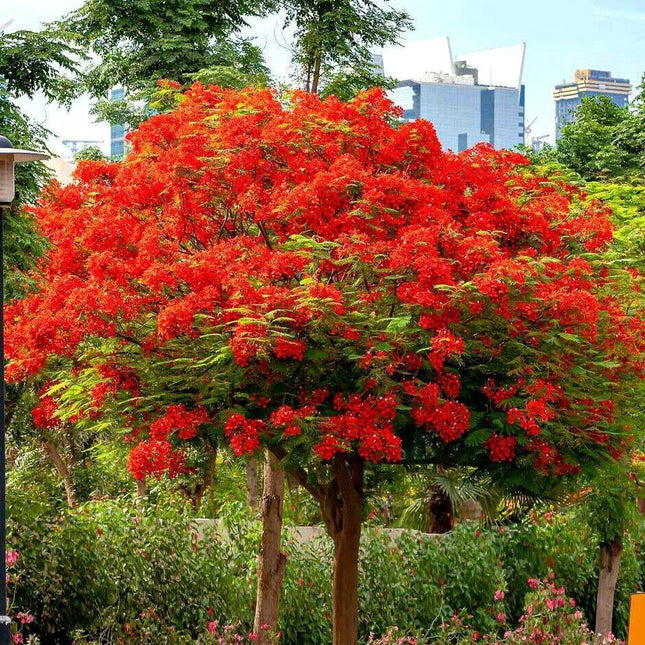

Shipped from Allentown, Pennsylvania, USA 5 Royal Poinciana Tree (Delonix Regia) Seeds
Royal Poinciana Tree (Delonix regia) Seeds Delonix regia, commonly called flamboyant or royal poinciana, is a tropical tree that is native to Madagascar but has been widely planted around the world in tropical and semi-tropical areas. It typically grows to 30-40' tall with a broad-spreading, flat-topped, umbrella-like crown. Crowns of mature trees often spread to 60-70' wide. This tree is noted for featuring a superb ornamental display of showy scarlet flowers and compound mimosa-like leaves. In the U. S., it can be grown outdoors in the far southern areas of Florida, Texas, Arizona, and California plus Hawaii.This tree is deciduous in climates that have a dry season or mildly cool winter but otherwise are evergreen. Lacy, feathery, mimosa-like, bipinnately compound leaves to 8-15" long, each having 10-20 pairs of pinnae with further division into 25-35 pairs of smaller pinnules. Flowers (3-4") are a brilliant scarlet orange. Each flower has four spreading petals and a larger fifth petal (the banner) which has streaks of yellow and white.In the continental U. S., flowering typically occurs from late spring into summer. Flowers give way to flattened bean-like fruit pods (each 24" long). Where winter hardy, flamboyant is an outstanding flowering tree for gardens, parks, along streets, and for large front yards. Mature trees provide excellent shade. Winter hardy to USDA Zones 10-12 where it is easily grown in medium moisture, well-drained soils in full sun. Best with consistent moisture except during the dry/dormant season when watering should be reduced. Plants dislike temperatures that dip below 50 degrees F so bring them indoors before the temperatures start to drop. Flame Trees also make for some of the Most Stunning Bonsai specimens as well. Name: Royal Poinciana TreeScientific Name: Delonix regiaHardiness zone: 10 through 12Plant height: 30-40 feetLight requirements: full sunSoil & water preferences grow well in well-drained soils.Growing Instructions:1. Scarification: Soak in cold water for 24hrs2. stratification: No Required3. germination: pick out seeds that imbibe, sow imbibed seeds 1/4" deep, tamp the soil & mulch the seeds bed. Note* seeds that did not imbibe, re-scarify them again until imbibe.
$12.99
-


5 Ruffled Fan Palm Seeds - Licuala Grandis
Ruffled Fan Palm - Licuala Grandis - Vanuatu Fan Palm, Palas Palm Add a tropical flair to your garden or indoor space with the Ruffled Fan Palm, known scientifically as Licuala Grandis. Native to Southeast Asia, particularly the Vanuatu Islands, this palm is celebrated for its large, round, pleated leaves that are both eye-catching and elegant. The leaves are a vibrant green, glossy, and feature a ruffled edge, growing to about 20 inches in diameter. Ruffled Fan Palm Specifications: Season: Perennial USDA Zones: 10a to 11 Height: Up to 10 feet Environment: Partial shade Soil Type: Well-drained, fertile Latin Name: Licuala Grandis Temperature: Cold tolerant to 30°F Average Germ Time: Seeds germinate slowly Light Required: Prefers partial shade Depth: Plant seeds just below soil surface Moisture: Requires regular watering Plant Spacing: 6-10 feet apart Whether placed in a shaded part of your garden or used as a decorative indoor plant, the Ruffled Fan Palm is an excellent choice for anyone looking to enhance their space with a touch of the tropics. Its distinct look and easy maintenance make it a valued addition to any plant collection.
$28.99
-


5 Sapindus Mukorossi Seeds
Sapindus Mukorossi Seeds - Big Soap Nut Tree Soapberry Washnut Elevate your approach to eco-friendly, natural cleaning with Sapindus Mukorossi Seeds, known for producing the Big Soap Nut Tree. These seeds give you the chance to grow your own source of soapberries, which contain saponin, a natural detergent that is both effective and gentle. Sapindus Mukorossi is highly prized for its large, high-quality soap nuts, which can be used to make natural laundry soap, cleaners, and even personal care products. Specifications for Sapindus Mukorossi Seeds (Big Soap Nut Tree Soapberry Washnut): Season: Perennial USDA Zones: 10-12 Height: Up to 80 feet Bloom Season: Late spring to early summer Bloom Color: White Environment: Full sun to partial shade Soil Type: Well-drained, fertile, adaptable Deer Resistant: Yes Latin Name: Sapindus Mukorossi Temperature: Warm to hot climates Germ Time: Weeks to months Light Required: Full sun preferred Depth: Sow 1-2 inches deep Sowing Rate: Single, space 20 feet apart Moisture: Regular until established; drought-tolerant after Plant Spacing: Minimum 20 feet apart Planting Instructions: Climate Suitability: Thrives in tropical to subtropical climates but can also be grown in temperate zones with some care. Sun Exposure: Prefers full sun to partial shade. Soil Type: Grows best in well-draining, fertile soil; tolerant of various soil types. Watering Needs: Moderate; established trees are drought-tolerant. Plant Spacing: Plant seeds or saplings at least 20 feet apart to accommodate their full size. Growing Sapindus Mukorossi from seeds can be a rewarding venture for those interested in sustainable living. Not only will you gain a beautiful tree, but you'll also have access to an organic, eco-friendly cleaning agent right in your backyard.
$20.99
-


5 Snowdrop Windflower Seeds
Snowdrop Windflower - Anemone Sylvestris Seeds Anemone sylvestris is a spring-blooming anemone that features cup-shaped, 1.5-2" diameter, fragrant, 5-sepaled, often nodding, white flowers with yellow anthers in the center. Flowers are borne singly on upright stems growing to 18" tall above the medium green, deeply lobed foliage. Flowers give way to white, woolly seed heads. Repeat bloom may occur in the cooler weather of early autumn. It is a rhizomatous plant that forms spreading patches.Genus's name is often said to be derived from the Greek word anemos meaning wind. Specific epithet means growing in woods or forest-loving. Common Name: Snowdrop WindflowerType: Herbaceous perennialFamily: RanunculaceaeNative Range: Asia, EuropeZone: 4 to 8Height: 1 to 1.5 footSpread: 0.75 to 1 footBloom Time: April-JulyBloom Description: White with yellow stamensSun: Part shadeWater: MediumMaintenance: LowFlower: Showy, Fragrant, Good CutTolerate: Deer, Heavy Shade
$14.99
-


5 Species Mix Summer Squash Seeds
5 Species Mix Summer Squash Seeds | Heirloom Zucchini Bush Patty Pan Seeds 5 Species Summer Squash Mix is a delightful blend of the best open-pollinated summer varieties: Yellow Straightneck Squash, Golden Zucchini, Black Beauty, Gray Zucchini, and White Patty Pan Bush Scallop! An excellent choice for gardeners who want a broad selection of summer squash! Species 1: Golden ZucchiniSpecies 2: Black Beauty ZucchiniSpecies 3: Gray ZucchiniSpecies 4: Yellow Straightneck SquashSpecies 5: White Patty PanPlant Name: Summer Squash, Golden Zucchini, Black Beauty Zucchini, Gray Zucchini, Yellow Straightneck Squash, and White Patty PanLatin Name: Cucurbita pepoDays to Germinate: 7-14Days to Harvest: 50-63Germination Rate: 91%Growth Habit: BushUSDA Zones: 2-12Lifespan: AnnualSunlight: Full Sun, Partial ShadeGMO: NoPollination: Heirloom, Open-PollinatedQuantity: 1 package contains 30+ count seeds
$11.99
-


5 Swiss Cheese Plant - Monstera Deliciosa Seeds
Bring a touch of the tropics to your home or garden with the iconic Swiss Cheese Plant (Monstera deliciosa) — a lush, exotic houseplant adored for its large, perforated leaves and easy-care nature. Also known as the Split-Leaf Philodendron, Mexican Breadfruit Plant, or Fruit Salad Plant, Monstera deliciosa thrives indoors as a striking statement plant or outdoors in warm, humid climates. Native to Central America, this vining evergreen produces creamy-white flowers and a rare edible fruit with a flavor reminiscent of pineapple and banana. The organic Monstera seeds from Seeds World allow you to grow your own stunning tropical centerpiece from scratch — perfect for plant lovers, collectors, and interior garden enthusiasts. 🌱 Why Grow Swiss Cheese Plant (Monstera deliciosa) Seeds? Cultivate your own tropical indoor jungle centerpiece Known for its unique split and fenestrated leaves Can produce edible, sweet fruit in warm climates Easy to grow and maintain — perfect for beginners Grows beautifully indoors or outdoors in USDA Zones 10–12 🌿 Growing Tips: Start Indoors: Sow seeds in warm, moist soil ¼ inch deep. Maintain 75–85°F for best germination. Light: Provide bright, indirect light — avoid harsh sunlight. Water: Keep soil slightly moist, never soggy. Humidity: Monsteras love humidity; mist occasionally or use a humidifier. Transplant: Move into larger containers as roots develop or outdoors in frost-free zones. Monstera plants can reach 10–15 feet tall, though they remain more compact indoors. They’re excellent for air purification and create a lush, tropical aesthetic year-round. ❓ Frequently Asked Questions (FAQ) How long does it take Monstera seeds to germinate?Germination typically takes 2–4 weeks under warm, moist conditions. Can I grow Monstera indoors?Yes — it thrives as a low-light houseplant, growing best in bright indirect light. Does Monstera produce edible fruit?Yes, mature outdoor plants can bear sweet fruit resembling a mix of pineapple and banana. How tall does Monstera grow indoors?Indoor plants usually reach 6–8 feet, while outdoor plants can exceed 15 feet. Is Monstera easy to care for?Absolutely! It’s low-maintenance, requiring moderate watering and humidity. Where to Buy Swiss Cheese Plant Seeds for Sale? At Seeds World, we offer fresh, organic Monstera deliciosa seeds with fast U.S. shipping. Whether you’re a seasoned plant collector or new gardener, you can grow your own tropical beauty and enjoy this indoor favorite’s natural charm.
$17.99
-


5 Tea Plant - Camellia Sinensis Seeds
Tea Plant Black & Green Drinking Tea Camellia Sinensis Tree Shrub Flower Seeds Camellia Sinensis, commonly known as the Tea Plant, is the plant the drinking beverage tea is made from. Tea is made from the leaves of this shrub. Both black & green tea are made from this same plant – the difference is that black tea is fermented while green tea is not. Thought to be originally native to China, the Tea Plant is cultivated commercially around the world today in tropical & sub-tropical locations. Tea Plants have been cultivated for at least 3,000 years, & tea is still one of the most consumed beverages worldwide today. Tea leaves contain essential oils, antioxidants, vitamins & minerals, amino acids, enzymes, & caffeine. They have many traditional medicinal uses, as well as some more modern ones. Tea oil is also obtained by pressing the leaves is used for seasoning & cooking. They take to pruning well, & can be cut to desired shape & size. The plants are often trimmed to 6’ or less to make harvesting easier, but they can grow to be much taller. The evergreen leaves measure 2 – 6” long & are a bright shiny green. It is the younger light green leaves that are typically harvested for making drinking tea, & can be picked every week or two. This is wonderful, because you will always have a good fresh supply on hand, & these impressive plants can produce for over 100 years! The leaves are hand-picked, even in commercial operations, as not all of the leaves are harvested at once. While Tea Plants are only hardy to Zone 7, they can be grown in containers in cooler climates & brought indoors over the winter. Tea Plants are also grown as ornamental. They do have lovely foliage, & are worth growing for their flowers alone! The large showy blossoms measure 1 ½” across, & bloom in clusters of 2 - 4 creating a large display of beauty. The flowers are fragrant, & will attract bees & butterflies. Name: Tea PlantOther Common Names: Tea / Tea ShrubScientific Name: Camellia Sinensis Var. SinensisColor: White With Yellow CentersPlant Seeds: Fall / Cold Stratify / Outdoors After Frost / Indoors Weeks Before Last FrostHarvest: From Spring on / Year RoundBloom Time: Spring - Year RoundHardiness Zone: 7 - 11Plant Height: 4 - 6'Plant Spacing: 4 - 6'Light Requirements: Sun - Part ShadeSoil & Water Preferences: Average
$16.99
-


5 True Patchouli Seeds
True Patchouli Shrub Fragrant Patchouly Pogostemon Cablin Herb Seeds The Patchouli plant is a small tropical shrub native to Asia. It is the source of patchouli oil which has been used for centuries both in traditional medicine & for its fragrance. This herb is grown commercially for its oil that it is extracted from the leaves, which can be harvested several times a year. Patchouli oil is very strongly fragranced with a scent described as woody & earthy. It is used to make perfumes, incense, air fresheners, & bug repellent. Patchouli is a tender perennial but can be grown as a houseplant. The leaves are not fragrant on the plant. (They become fragrant when they are fermented.) The flowers of the Patchouli plant are fragrant though. NAME: Patchouli OTHER COMMON NAMES: True Patchouli / Patchouly SCIENTIFIC NAME: Pogostemon Cablin COLOR: Pink-White PLANT SEEDS: At 70 - 75F BLOOM TIME: Late Fall Flowers HARVEST: Leaves can be harvested several times a year HARDINESS ZONE: 9 - 11 PLANT HEIGHT: 24 - 36" PLANT SPACING: 24 - 36" LIGHT REQUIREMENTS: Sun - Part Shade SOIL & WATER PREFERENCES: Average - Moist
$15.99
-

5 Tulip Jazz Mix Flower Bulbs
A Symphony of Colors in Your Garden! The symphony of color and elegance that Tulip Jazz Mix Flower Bulbs bring to your garden will captivate both novice and expert gardeners with their fascinating visual show. Each tulip variety in this magnificent mix adds a distinct flair to the overall composition, resulting in a harmonious mixture. The Tulip Jazz Mix infuses your outdoor space with a sense of rhythm and energy with a palette of vivid reds, gentle pinks, sunny yellows, and cool purples. These premium flower bulbs are a great option for anyone wishing to subtly add a pop of color to their yard because they are simple to plant and maintain. The Tulip Jazz Mix offers a magnificent and adaptable assortment of blooms that will blossom in spring, transforming your outdoor space into an enthralling tapestry of hues, whether you're building a formal garden or a casual landscape. In addition to bringing joy to the observer, these tulips' delicate emergence and blooming serve as a tribute to the beauty that nature skillfully incorporates into the tapestry of the shifting seasons. Season of Interest: Spring Cultivating Difficulty: Easy, suitable for gardeners of all levels. Planting Time: Fall, prior to the first frost, for a splendid spring display. Type: Assortment of tulip varieties in one mix. Growth Habit: Upright with stems ranging from 12 to 18 inches (30 to 45 cm). Soil pH: Slightly acidic to neutral. Soil Type: Well-drained soil is preferred. Features: Diverse mix with a symphony of colors, including rich reds, soft pinks, sunny yellows, and cool purples. Color: Vibrant and varied hues. Sunlight: Full sun to partial shade for optimal growth. Genus: Tulipa. Common Name: Tulip Jazz Mix Life Cycle: Perennial, returning each year with proper care. Watering: Moderate watering, maintaining consistently moist soil during the growing season. Avoid waterlogging.
$21.00
-


Shipped from Jacksonville, Florida, USA 5 Utah Juniper - Juniperus Osteosperma Seeds
Utah Juniper (Juniperus osteosperma) is a drought-hardy evergreen native to the southwestern U.S., thriving in rocky soils and dry climates. Perfect for xeriscaping, wildlife gardens, or adding a rugged, natural look to your landscape. Why Grow Utah Juniper? 🌲 Iconic native tree – adds character to arid landscapes 🔥 Extremely drought-tolerant – survives harsh conditions 🌤️ Thrives in full sun with minimal maintenance 🫐 Produces attractive berry-like cones What’s in the Pack? Includes 5 viable Utah Juniper seeds, ideal for small landscape projects or native restoration efforts. Germination rate around 70% with pre-treatment. Planting Instructions Best Time to Plant: Fall to early spring (cold stratification recommended) Soil: Light sandy to heavy clay; neutral to alkaline pH Light: Full sun Depth: 1/4 inch Watering: Minimal; drought tolerant once established FAQs Is pre-treatment required for Utah Juniper seeds? Yes, Utah Juniper seeds require cold stratification to simulate winter conditions and improve germination rates. How tall does Utah Juniper grow? It typically reaches 3–6 meters (10–20 feet), occasionally up to 9 meters (30 feet) in ideal conditions. Can it grow in clay soil? Yes, Utah Juniper can tolerate a wide range of soils, including sandy, loamy, and clay types, as long as drainage is adequate. Where to buy Utah Juniper seeds for sale? At Seeds World, we offer fresh Utah Juniper seeds with fast shipping from the U.S. Order today to start growing this iconic native tree in your landscape.
$14.99
-


Shipped from Garden Grove, California, USA 5 Wandering Jew Burgundy - Purple Plant Cuttings
Rare Wandering Jew Burgundy - Purple Plant Cuttings This plant leaves Change back and forth from Burgundy to full Purple depending on how much sunlight the plant is getting Tradescantia zebrina - also known as Wandering Jew or inch plant, is an easy and fast-growing plant appreciated for its lovely leaf coloration, which can vary from deep purple to bright green. Its non-fussy nature and colorful foliage make it a great choice for both beginners and more experienced plant lovers.Tradescantia zebrina Care - Tradescantia zebrina is naturally found in Mexico and Central America, though it’s an invasive species in many other warm areas. This gives us some care indications: a warm environment is appreciated, as is bright lighting and moist soil.As long as the plant is provided with this it should not be difficult to grow at all.
$24.99
-


Shipped from Elko, Nevada, USA 5 Weeping Higan Cherry Seeds
Weeping Higan Cherry, Prunus Subhirtella Pendula, Tree Seeds (Fast, Showy) Fast Growth, Showy Flowers, Graceful Weeping Habit, Ornamental Fruits, Fall Colors, Winter Interest, Bonsai, Attracts Birds, Wildlife Food, Cold TolerantPrunus subhirtella Pendula or Weeping Higan Cherry is an ornamental medium size deciduous flowering tree that is native to Japan introduced into the US in about 1862. It typically grows 20 to 30 feet tall with a pronounced weeping form of slender whip-like branches and light pink to rose-pink flowers. The 3/4 to1 inch flowers are borne in clusters of 2 to 5 flowered umbels in late winter to early spring before the leaves emerge. Flowers are followed by 1/3 inch rounded pea-sized fruits that are sometimes sparse. The fruits eventually mature to black but are basically inedible. Fruits may not appear in some years. The bark is bronzy-copper in color and lenticel, becoming gray in color and platy to exfoliating with age. Leaves are Elliptic to ovate, doubly serrate to 4 inches long, and stay glossy green throughout the summer and into the fall when they turn a red or vivid yellow before leaving the tree bare in winter. The drooping bare branches even lend a soothing grace to the landscape in winter. There is nothing quite like the Weeping Higan Cherry in full bloom in the spring.Other Names: Weeping Higan Cherry, Prunus subhirtella Pendula, Weeping Japanese CherryZone: 5 to 8Growth Rate: FastPlant Type: Medium-size deciduous flowering treeFamily: RosaceaeNative Range: JapanHeight: 20 to 30 feetSpread: 20 to 30 feetShape: Weeping habitBloom Time: AprilBloom Color: Light pink to rose pinkFlower/Fruit: Light-pink pendulous clusters of flowers. Fruits are small and glossy black.Sun: Full Sun to Part ShadeFall Color: Red or Vivid YellowDrought Tolerance: ModerateWater: MediumMaintenance: MediumSite Requirements/ Soil Tolerances Prefers moist, well-drained soils of average fertility in full sun, but is adaptable to poor soils, compacted soils, dry soils, and heat.Culture: If desired, stems that weep to the ground can be pruned up to the desired height (either staggered in height for informality, or clipped to precisely the same height for formality) so that mowing, growth of other ornamentals, or maintenance access can be achieved underneath the treeUses Weeping specimens for the landscape. Bonsai.Sowing Prunus subhirtella Pendula Seeds:Weeping Higan Cherry seeds possess a thick, impermeable seed coat that prevents or significantly retards germination.For best results, please follow the instructions in the order provided.Scarify: Soak in water for 24 hoursStratify Cold 90 days, 40 Degrees F in a Moist Medium.Germination: Sow 1/4” Deep
$14.99


You have seen 1248 out of 1940 products