Flower Seeds

804 products

  • Mixed Hosta Seeds – product image 1 Mixed Hosta Seeds – product image 2

    Shipped from USA Mixed Hosta Seeds – 50 Seeds

    Grow Mixed Hosta Seeds for beds, borders, containers, and pollinator plantings where the species is appropriate. Why Choose These Seeds Practical sowing guidance for a stronger start Realistic expectations about germination and seed-grown variation Useful for gardeners who want control over placement and growing conditions At a Glance Plant Mixed Hosta Seeds Order contents One order contains 50 seeds, as stated in the title. Best for beds, borders, containers, and pollinator plantings where the species is appropriate Success starts with Fresh mix, correct moisture, suitable temperature, and patience How to Start Use a clean, well-drained seed-starting mix and follow the species’ light or stratification needs. Sow at a depth appropriate to seed size; dust-like seed is usually surface sown. Keep the medium evenly moist, never saturated, and provide good air circulation. Harden seedlings off gradually before moving them to their permanent site. Set expectations: Seed-grown plants can vary in color, form, vigor, and bloom or harvest timing. Photos show a representative mature result, not the appearance of the seed packet or a guaranteed individual plant. Seed-grown plants can vary in color, form, and flowering time; photos show the mature type, not a guaranteed individual result. Frequently Asked Questions What exactly will I receive?One order contains 50 seeds, as stated in the title. Is Mixed Hosta Seeds a good fit for my garden?Confirm mature size, light, climate, and local restrictions before planting. Beds, borders, containers, and pollinator plantings where the species is appropriate are the intended use. Should I start the seeds indoors or direct sow?Either can work depending on the species and climate; indoor starting offers closer control, while direct sowing reduces transplant disturbance. How long will germination take?Timing varies by species, seed treatment, temperature, moisture, and seed dormancy. Do not discard a properly maintained tray simply because emergence is uneven. Will every plant look exactly like the photos?No. Seed-grown plants can vary in color, form, vigor, and bloom or harvest timing. Are there safety or local planting concerns?Seed-grown plants can vary in color, form, and flowering time; photos show the mature type, not a guaranteed individual result.

  • 50 Purple Carpet Sedum Seeds - Seed World 50 Purple Carpet Sedum Seeds - Seed World

    Shipped from Massillon, Ohio, USA 50 Purple Carpet Sedum Seeds – Groundcover Flower Seeds

    Purple Carpet Sedum – Stunning Groundcover That Thrives Where Others Fail Imagine a carpet of deep pink blooms spreading effortlessly across your rock garden, border, or slope — requiring almost no attention. That's the magic of Purple Carpet Sedum (Spurium Coccineum). This tough, drought-tolerant succulent thrives in poor soils, full sun, and dry conditions, making it one of the most rewarding groundcovers you can grow from seed. Product Specifications Common Name: Purple Carpet Sedum Scientific Name: Sedum spurium 'Purple Carpet' Flower Color: Deep Pink Foliage: Green in Summer, Red-Brown in Fall Bloom Time: Spring – Fall (May–October) Hardiness Zone: 3–10 Plant Height: 4–6 inches Plant Spacing: 12–15 inches Light Requirements: Full Sun Soil Preference: Average to Sandy, Well-Drained Sowing: Outdoors after last frost / Indoors 6–8 weeks before last frost Quantity: 50 Seeds Why Gardeners Love Purple Carpet Sedum Exceptional drought and heat tolerance — perfect for low-maintenance landscapes Spreads naturally to fill gaps in rock gardens, slopes, and borders Four-season interest: pink blooms in summer, fiery foliage in fall Deer-resistant and virtually pest-free Thrives in poor, sandy, or rocky soils where other plants struggle How to Grow Direct Sow: After the last frost date, press seeds lightly onto the soil surface — do not cover, as they need light to germinate. Indoor Start: Begin 6–8 weeks before last frost. Keep soil moist and at 65–75°F (18–24°C). Germination: 2–4 weeks. Transplant: Space 12–15 inches apart in a sunny, well-drained spot. Water: Water until established, then reduce — sedum prefers dry conditions. Frequently Asked Questions Is Purple Carpet Sedum easy to grow from seed? Yes — sedum is beginner-friendly. Seeds need light to germinate, so simply press them onto moist soil without covering. Germination typically occurs within 2–4 weeks at 65–75°F. Can it survive cold winters? Absolutely. Purple Carpet Sedum is hardy in zones 3–10, making it suitable for most climates across North America and Europe. It's one of the most cold-tolerant sedums available. How fast does it spread as groundcover? Once established, it spreads steadily by creeping stems. Within one to two growing seasons, a single plant can cover a 12–15 inch area, creating a dense, weed-suppressing mat. Does it need a lot of water or fertilizer? No — this is one of its greatest strengths. After establishment, Purple Carpet Sedum thrives on neglect. Minimal watering and no regular fertilizing needed; overly rich soil can actually reduce flowering. Can I grow it in containers or rock gardens? Yes! It's ideal for rock gardens, stone walls, containers, slopes, and border edges. Any well-drained spot with full sun will allow it to thrive beautifully.

  • 3000 Moss Rose Grandiflora Seeds - Mix Groundcover - Seed World 3000 Moss Rose Grandiflora Seeds - Mix Groundcover - Seed World

    4000 Moss Rose Grandiflora Seeds - Mix Groundcover

    Moss Rose Double Mix Flower Seeds - Portulaca Grandiflora Moss Rose's (Portulaca Grandiflora) ground cover is hardy and makes a great addition to any hot landscape. It establishes nicely from Moss Rose seeds and produces rounded, double, fragrant flowers that are nestled above succulent foliage. It makes a wonderful contrast with its dark green leaves and bright red flowers. Moss Rose flowers form on the stem tips, and they open only during bright sunlight, closing at night and on cloudy days. Portulaca Moss Rose makes a wonderful ground cover plant growing well in poor, sandy, or gravelly soils. The soil must be very well-drained for this ground cover plant to flourish. Season: Annual Average Germ Time: 7 - 14 days USDA Zones: 4 - 11 Height: 6 inches Width: 14 - 16 inches Bloom Season: Early summer to late summer Growth Rate: Aggressive Environment: Full sun Moisture: Keep soil slightly moist, but not wet until germination Depth: Press gently into the soil but do not cover Deer Resistant: Yes Soil Type: Well-drained, dry, pH 6.1 - 7.5 Latin Name: Portulaca grandiflora

  • Pink Black White Desert Rose 4 Pink Black White Desert Rose (Adenium obesum) Seeds - Seed World

    Shipped from Washington, USA 4 Pink Black White Desert Rose (Adenium obesum) Seeds

    1 review

    Desert Rose (Adenium obesum) is a warm-loving succulent prized for its sculptural caudex and showy blooms. This mix includes pink, white and very dark tones often marketed as “black.” Color outcomes from seed can vary; photos are for general reference only. Why Choose Desert Rose? Striking, sculptural caudex suitable for containers and bonsai-style training Blooms in pink, white and very dark (near-black) shades, with natural variation from seed Drought tolerant once established; thrives in bright, warm conditions Great for patios, windowsills and sunny indoor spots in cooler climates What’s in the Pack? Sealed mini pack with 4 Desert Rose (Adenium obesum) seeds in a mixed-color selection. Planting Instructions Best Time to Plant: Spring through late summer, or any time indoors with warmth Soil: Fast-draining succulent/cactus mix Light: Full sun to very bright light Depth: Sow shallowly and cover lightly, about 0.25 inch (6 mm) Temperature: 24–30 °C (75–86 °F) for germination Watering: Keep evenly moist during germination (typically 7–21 days); once established, water deeply and allow the mix to dry between waterings Growing Zone: USDA 10–12 outdoors; elsewhere grow in containers and protect from cold FAQs Will the flowers be exactly pink, black and white? Seed-grown Adenium shows natural variation. Expect shades from soft pink to white and very dark maroon/near-black. Exact duplication of pictured flowers is not guaranteed. How long do seeds take to germinate? Under steady warmth (about 24–30 °C / 75–86 °F) most seeds sprout in roughly 7–21 days. Bottom heat and consistent moisture improve results. Is Desert Rose good for bonsai? Yes. Bonsai is a training method, not a special seed type. These standard Adenium seeds are suitable for bonsai-style shaping over time through pruning, wiring and container culture. Can I grow it outdoors? In-ground growing suits warm regions (USDA 10–12). In cooler zones, keep Adenium in containers and move it indoors before temperatures drop. Any germination or safety notes? As with all seeds, 100% germination is not guaranteed. Handle plants with care and keep out of reach of children and pets. Where to buy Desert Rose seeds for sale? At Seeds World, you can find Desert Rose (Adenium obesum) seeds from multiple vetted sellers in one place—making it easy to compare options and choose what fits your project.

  • 200 Globe Amaranth Seeds (Gomphrena globosa) – product image 1 200 Globe Amaranth Seeds (Gomphrena globosa) – product image 2

    Shipped from USA 200 Globe Amaranth Seeds (Gomphrena globosa)

    200 Globe Amaranth Seeds (Gomphrena globosa)Create seasonal color from seed for beds, borders, cutting gardens or containers. The page is designed to answer the questions that matter before purchase: what is supplied, what preparation may be needed and what results are realistic.Why Choose 200 Globe Amaranth Seeds (Gomphrena globosa)? A hands-on way to grow the plant from its earliest stage Clear preparation, sowing and care guidance Transparent expectations about germination, maturity and seedling variation What’s in the PackApproximately 200 seeds in one packet.Seed-grown expectations: Natural variation can occur in any seed-grown plant, and results depend on seed freshness and growing conditions.Growing Information Light: Full sun to partial shade, depending on species Water: Keep evenly moist during germination, then water when the upper soil begins to dry Life cycle: Annual or tender perennial commonly grown as an annual Best sowing period: Spring after frost risk, or indoors several weeks earlier Planting Instructions Most annual flower seed needs no cold stratification. Sow in fine mix at the depth recommended for the seed size and provide good airflow after emergence. Maintain steady moisture without leaving the medium waterlogged. Provide strong, appropriate light after emergence and acclimate seedlings gradually before outdoor planting. Frequently Asked QuestionsWhat is included with my order?Approximately 200 seeds in one packet.Will the mature plant match the photos exactly?Natural variation can occur in any seed-grown plant, and results depend on seed freshness and growing conditions.Does the seed need special preparation?Most annual flower seed needs no cold stratification.How long does germination and maturity take?Many annuals germinate within one to three weeks and flower during the growing season.Can I grow it in a container?Suitable for containers when spacing and mature height are considered.What light and watering conditions work best?Full sun to partial shade, depending on species. Keep evenly moist during germination, then water when the upper soil begins to dry.

  • Climbing Rose Seeds – product image 2 Climbing Rose Seeds – product image 2

    Climbing Rose Seeds (Rosa multiflora) – 10 Seeds

    Grow Climbing Rose Seeds for beds, borders, containers, and pollinator plantings where the species is appropriate. Why Choose These Seeds Practical sowing guidance for a stronger start Realistic expectations about germination and seed-grown variation Useful for gardeners who want control over placement and growing conditions At a Glance Plant Climbing Rose Seeds Order contents Choose from the available options shown on the page (Color: Red, White, Purple, Light Orange). Best for beds, borders, containers, and pollinator plantings where the species is appropriate Success starts with Fresh mix, correct moisture, suitable temperature, and patience How to Start Use a clean, well-drained seed-starting mix and follow the species’ light or stratification needs. Sow at a depth appropriate to seed size; dust-like seed is usually surface sown. Keep the medium evenly moist, never saturated, and provide good air circulation. Harden seedlings off gradually before moving them to their permanent site. Set expectations: Seed-grown plants can vary in color, form, vigor, and bloom or harvest timing. Photos show a representative mature result, not the appearance of the seed packet or a guaranteed individual plant. This species can spread aggressively and is invasive or regulated in some regions. Check local guidance before planting. Frequently Asked Questions What exactly will I receive?Choose from the available options shown on the page (Color: Red, White, Purple, Light Orange). Is Climbing Rose Seeds a good fit for my garden?Confirm mature size, light, climate, and local restrictions before planting. Beds, borders, containers, and pollinator plantings where the species is appropriate are the intended use. Should I start the seeds indoors or direct sow?Either can work depending on the species and climate; indoor starting offers closer control, while direct sowing reduces transplant disturbance. How long will germination take?Timing varies by species, seed treatment, temperature, moisture, and seed dormancy. Do not discard a properly maintained tray simply because emergence is uneven. Will every plant look exactly like the photos?No. Seed-grown plants can vary in color, form, vigor, and bloom or harvest timing. Are there safety or local planting concerns?This species can spread aggressively and is invasive or regulated in some regions. Check local guidance before planting.

  • 100 Scabiosa-Flowered Zinnia Mix Seeds – mature plant mix reference 1 100 Scabiosa-Flowered Zinnia Mix Seeds – mature plant mix reference 2

    100 Scabiosa-Flowered Zinnia Mix Seeds

    100 Scabiosa-Flowered Zinnia Mix SeedsAdd first-season color to beds, borders and containers. Photos show mature or parent references; seed-grown results depend on genetics and growing conditions.Why Choose 100 Scabiosa-Flowered Zinnia Mix Seeds? A hands-on way to grow the plant from its earliest stage Clear sowing and care guidance for realistic planning Suitable for gardeners who value natural seedling variation What’s in the Pack100 seeds or units, as stated in the product title.Seed-grown variation: The selected label or photo describes the supplier’s parent or mix reference. Seed-grown plants can vary in color, form, vigor and other traits.Growing Information Light: Full sun; light afternoon shade can help in very hot climates. Water: Moderate, even moisture during establishment. Life cycle: Annual Best sowing period: Spring through summer Planting Instructions Cold stratification is not generally required. Avoid burying small seed too deeply. Sow at a shallow depth in prepared soil or start indoors several weeks before the last frost. Keep the medium evenly moist during germination without leaving it waterlogged. Provide strong, appropriate light after emergence and acclimate seedlings gradually before outdoor planting. Frequently Asked QuestionsWill the plants match the photos or selected type?The selected label or photo describes the supplier’s parent or mix reference. Seed-grown plants can vary in color, form, vigor and other traits.Does the seed need special preparation?Cold stratification is not generally required. Avoid burying small seed too deeply.How should I sow it?Sow at a shallow depth in prepared soil or start indoors several weeks before the last frost.What light and water does it need?Full sun; light afternoon shade can help in very hot climates. Moderate, even moisture during establishment.How long will it take?Most annual flowers germinate within 1–3 weeks and bloom during their first growing season.Can it grow in a container?Suitable for containers when spacing, light and drainage are adequate.

  • 5 Lotus Seed Mix – mature plant mix reference 1 5 Lotus Seed Mix – mature plant mix reference 2

    Shipped from Maryland, USA 5 Lotus Seed Mix

    1 review

    5 Lotus Seed MixStart an aquatic centerpiece for a pond or water container. Photos show mature or parent references; seed-grown results depend on genetics and growing conditions.Why Choose 5 Lotus Seed Mix? A hands-on way to grow the plant from its earliest stage Clear sowing and care guidance for realistic planning Suitable for gardeners who value natural seedling variation What’s in the Pack5 seeds or units, as stated in the product title.Seed-grown variation: Flower-color names and photos describe parent references; seed-grown lotus flowers can vary.Growing Information Light: Full sun once established. Water: Aquatic culture in warm, clean water and heavy soil appropriate for pond plants. Life cycle: Perennial in suitable climates Best sowing period: Warm spring and summer Planting Instructions Hard lotus seed usually needs careful scarification and warm-water soaking. Scarify the hard seed coat carefully without damaging the embryo, soak in warm water and transplant after sprouting. Keep the medium evenly moist during germination without leaving it waterlogged. Provide strong, appropriate light after emergence and acclimate seedlings gradually before outdoor planting. Important: Do not scarify through the seed coat into the embryo.Frequently Asked QuestionsWill the plants match the photos or selected type?Flower-color names and photos describe parent references; seed-grown lotus flowers can vary.Does the seed need special preparation?Hard lotus seed usually needs careful scarification and warm-water soaking.How should I sow it?Scarify the hard seed coat carefully without damaging the embryo, soak in warm water and transplant after sprouting.What light and water does it need?Full sun once established. Aquatic culture in warm, clean water and heavy soil appropriate for pond plants.How long will it take?Viable seed can sprout quickly after scarification, but flowering may take more than one season.Can it grow in a container?Suitable for a wide, watertight aquatic container with adequate sun. Do not scarify through the seed coat into the embryo.

  • Lavender plants with purple flower spikes shown for the seed listing Lavender plants with purple flower spikes shown for the seed listing

    Lavender Seeds (Lavandula spp.)

    1 review

    Lavender is an aromatic, sun-loving plant valued for foliage and flowers. Seed-grown lavender takes patience, and exact species or cultivar is not specified on this listing.Key Features Choose 200, 400 or 800 seeds Aromatic garden plant Best in sunny, sharply drained soil Seed-grown plants vary naturally What's in the PackOne packet containing the selected approximate seed count. Seeds only; plants, dried flowers and oil are not included.Planting InstructionsWhen to SowStart indoors 8–10 weeks before warm outdoor weather, or sow when seedlings can be protected from severe frost.Sowing and GerminationCold stratification for 2–4 weeks may improve germination. Surface sow or cover only very lightly and provide bright light. Keep medium lightly moist; germination may take 14–30 days or longer.Spacing and CareTransplant 12–18 inches apart into full sun and very well-drained soil. Avoid waterlogged ground and heavy fertilization.Growing Information Botanical name Lavandula spp. (species not specified) Life cycle Perennial where climate and species permit Sun Full sun Typical germination 14–30 days or longer Spacing 12–18 inches Water needs Low after establishment in well-drained soil Garden UseUse in borders, gravel gardens and containers with excellent drainage. Prune lightly after flowering; avoid cutting deeply into old woody stems.Frequently Asked QuestionsWhy is lavender slow to germinate?Seed germination is naturally uneven and can benefit from cool treatment and light.Will it survive winter?Hardiness depends on the actual species, drainage and local winter conditions.Will plants match a named cultivar?No named species or cultivar is claimed, and seed-grown plants can vary.Please note: No exact cultivar, bloom color, fragrance, hardiness, organic or non-GMO claim is made.

    $9.99 - $14.39

  • Sale -18% 5 Hydrangea Seeds – Choose a Parent Flower – parent plant reference; seed-grown results may vary 14 5 Hydrangea Seeds – Choose a Parent Flower – parent plant reference; seed-grown results may vary 2

    5 Hydrangea Seeds – Choose a Parent Flower

    2 reviews

    5 Hydrangea Seeds – Choose a Parent FlowerStart a lasting ornamental tree or shrub for structure, screening or seasonal interest. Photos show mature or parent references; seed-grown results depend on genetics and growing conditions.Why Choose 5 Hydrangea Seeds – Choose a Parent Flower? A hands-on way to grow the plant from its earliest stage Clear sowing and care guidance for realistic planning Suitable for gardeners who value natural seedling variation What’s in the Pack5 seeds in the selected parent/type option unless the option label states a different quantity.Seed-grown variation: Parent-flower labels are references only. Seedlings may differ in color and form, and panicle/climbing types do not respond to soil pH like bigleaf hydrangeas.Growing Information Light: Full sun to partial shade, depending on species and climate. Water: Moderate moisture in well-draining media while seedlings establish. Life cycle: Perennial Best sowing period: Begin preparation in winter for spring sowing when chilling is required Planting Instructions Surface-sow the tiny seed and provide light, humidity and airflow; do not bury deeply. Sow in a fine, well-draining seed-starting mix after completing any species-appropriate pre-treatment. Keep the medium evenly moist during germination without leaving it waterlogged. Provide strong, appropriate light after emergence and acclimate seedlings gradually before outdoor planting. Frequently Asked QuestionsWill the plants match the photos or selected type?Parent-flower labels are references only. Seedlings may differ in color and form, and panicle/climbing types do not respond to soil pH like bigleaf hydrangeas.Does the seed need special preparation?Surface-sow the tiny seed and provide light, humidity and airflow; do not bury deeply.How should I sow it?Sow in a fine, well-draining seed-starting mix after completing any species-appropriate pre-treatment.What light and water does it need?Full sun to partial shade, depending on species and climate. Moderate moisture in well-draining media while seedlings establish.How long will it take?Germination can be gradual, and mature flowers or form may take several seasons.Can it grow in a container?Useful for nursery-stage growth; mature trees and shrubs need space appropriate to the species.

    $13.42 - $13.99

  • 20 Hibiscus Flower seeds - Seed World 20 Hibiscus Flower seeds - Seed World

    20 Hibiscus Flower Seeds – Mixed and Selected Parent Types

    1 review

    Grow hibiscus from seed for warm-season container or garden color. Choose the mixed option or one of the numbered supplier parent selections. The exact species and parent mapping for every number has not been independently verified, and seed-grown flowers may differ from the photos.Key Features Approximately 20 seeds per packet Mixed option and numbered parent selections Warm-growing flowering plants for containers or frost-free gardens Seed-grown color, size and form naturally vary What's in the PackOne packet containing approximately 20 seeds in the selected option. Seeds only; plants and exact pictured flowers are not included.Planting InstructionsPreparing the SeedsWhere the seed coat is firm, lightly nick one edge without damaging the interior and soak in warm water for 8–24 hours.Sowing and GerminationSow about 1/4 inch deep in a sterile, well-drained seed-starting mix. Maintain 75–85°F and steady light moisture. Germination often takes 2–6 weeks but may be longer depending on species and seed age.Seedling CareProvide bright light and gradually acclimate seedlings to direct sun. Transplant after frost danger has passed. Containers need drainage and regular watering during active growth, but roots should not remain saturated.Growing Information Botanical group Hibiscus spp.; exact species varies by selection Life cycle Varies by species; many offered types are tender perennials Sun Full sun to partial shade Temperature Warm conditions; protect tender plants from frost Water Regular moisture with good drainage Bloom time Varies by species, climate and plant maturity Flower ExpectationsOption numbers identify supplier parent images, not certified cultivars. Seedlings may differ in petal color, markings, flower size, form and time to bloom. Some plants can take more than one growing season to flower.Frequently Asked QuestionsWill the flower match the selected image?Not necessarily. Hibiscus seedlings can segregate widely, especially when parentage is unknown.Can hibiscus grow in containers?Yes. Use a large pot with drainage and provide suitable winter protection for tender types.Are all selections the same species?The supplier data does not confirm the exact species for each numbered option, so this listing does not make that guarantee.Please note: No rarity, cultivar, organic or exact-color certification is claimed. Germination and bloom timing vary.

    $15.03 - $17.99

  • 20 Rare Deep Blue Hydrangea Seeds - Seed World 20 Rare Deep Blue Hydrangea Seeds - Seed World

    Shipped from Goldsboro, North Carolina, USA 20 Rare Deep Blue Hydrangea Seeds – Hardy Perennial Blooms

    Rare Deep Blue Hydrangea Seeds – Exotic, Hardy Perennial Blooms Bring stunning color to your garden with these vibrant, deep blue hydrangeas. This rare variety offers bold, eye-catching flowers perfect for borders, beds, containers, and cut flower arrangements. Imagine stepping into your garden each summer to be greeted by lush, oversized blooms in a rich, jewel-toned blue — a color so vivid it stops visitors in their tracks. Hardy perennial in Zones 4–9 Exotic deep blue blooms — rare and highly sought after Easy to grow & low maintenance Great for landscaping, borders & cut flowers Attracts butterflies & pollinators Pack of 20 seeds Growing Instructions 🌱 Start indoors 8–10 weeks before last frost. Keep soil consistently moist and provide indirect light. Transplant outdoors after frost risk has passed. Tip: Use acidic soil (pH 5.5–6.0) to help maintain that signature deep blue color. Frequently Asked Questions How many seeds are included in this pack?Each pack contains exactly 20 rare deep blue hydrangea seeds, carefully selected for quality and germination potential. Are these hydrangeas true perennials?Yes! These hydrangeas are hardy perennials in USDA Zones 4–9, meaning they will return year after year with proper care. How do I keep the flowers blue?The blue color is influenced by soil acidity. Maintain a soil pH of 5.5–6.0 using acidic fertilizer or aluminum sulfate to preserve the deep blue hue. When is the best time to plant these seeds?Start seeds indoors 8–10 weeks before the last expected frost date in your area, then transplant outdoors in spring after frost risk has passed. Can I grow these in containers or pots?Absolutely! Deep blue hydrangeas grow beautifully in large containers (at least 12" diameter) on patios, balconies, or decks — just ensure good drainage and consistent watering.

  • 1000 Bee Balm - Wild Bergamot Seeds - Seed World 1000 Bee Balm - Wild Bergamot Seeds - Seed World

    Shipped from USA 1000 Bee Balm - Wild Bergamot Seeds

    Bee Balm (Wild Bergamot) Seeds – Pollinator-Friendly Perennial Bring life and fragrance to your garden with Bee Balm (Wild Bergamot)! This heirloom perennial produces stunning purple blooms that attract bees, butterflies, and hummingbirds, making it a must-have for pollinator-friendly gardens. Thriving in full sun, this drought-tolerant plant is easy to grow and perfect for flower beds, cut arrangements, or container gardens. Why Grow Bee Balm? ✔ Pollinator Magnet – Attracts bees, hummingbirds & butterflies✔ Fragrant & Beautiful – Light purple summer blooms with a fresh scent✔ Low Maintenance – Drought-resistant & deer-resistant✔ Versatile Growth – Great for flower beds, containers & cut gardens Planting Instructions: Light: Full sun Height: 36-48 inches Spacing: 12-18 inches apart Sowing: Direct sow or start indoors; plant 1/16” deep Cold Stratification: Refrigerate seeds for 3 weeks for better germination (optional) Create a vibrant, pollinator-friendly garden with Bee Balm Seeds🌸🐝

  • Sale -10% Mixed-color Russell Lupine flower spikes shown for seed listing 1 Mixed-color Russell Lupine flower spikes shown for seed listing 2

    Russell Lupine Seeds

    50–250 Russell Lupine Seeds Grow tall spires of mixed-color Russell Lupine flowers for cottage gardens, borders, and cut-flower beds. These perennial lupines can produce blue, purple, pink, red, yellow, and white blooms, with natural variation from seed-grown plants. Why Choose Russell Lupine? Bold vertical color: Dense flower spikes add height and structure to garden beds. Mixed flower colors: Seed-grown plants can produce a varied blend of shades and markings. Pollinator friendly: Flowers attract bees, butterflies, and hummingbirds. Cool-climate perennial: Best suited to regions with mild summers and cool winters. Three seed-count options: Choose 50, 100, or 250 seeds. What’s in the Pack? Select a pack of 50, 100, or 250 Russell Lupine seeds. The 50-seed option is the smallest pack. Important: Flower color and markings vary naturally when lupines are grown from seed. These seeds are intended for ornamental growing; do not eat the seeds or plant material, and keep them away from children and pets. Planting Instructions Seed Preparation: Lightly nick or scarify the hard seed coat, then soak seeds in room-temperature water for 12–24 hours. Best Time to Plant: Direct sow in fall, or sow in early spring after pretreatment. Planting Depth: Sow about 1/8–1/4 inch deep. Light: Full sun in cool climates; partial afternoon shade in warmer areas. Soil: Well-draining, slightly acidic soil. Avoid heavy, waterlogged conditions. Spacing: Space plants about 12–18 inches apart. Growing Zone: Commonly grown as a perennial in USDA Zones 4–8. FAQs Will all Russell Lupines bloom the same color? No. Mixed Russell Lupine seed produces natural variation in color, pattern, and flower form. Do Lupine seeds need soaking? The hard seed coat can delay germination. Scarifying and soaking the seeds usually helps moisture reach the embryo. When will seed-grown Lupines flower? Some plants may bloom in their first season, but many establish foliage first and flower more strongly in the second year. Can Russell Lupine grow in hot climates? Russell Lupines prefer cooler conditions. In warmer regions, provide afternoon shade and excellent drainage.

    $8.99 - $17.99

  • 320 Spotted Bee Balm - Monarda Punctata Seeds - Seed World 320 Spotted Bee Balm - Monarda Punctata Seeds - Seed World

    320 Spotted Bee Balm - Monarda Punctata Seeds

    Spotted Bee Balm Seeds (Monarda Punctata) – Pollinator-Friendly Perennial Add beauty and attract pollinators with Spotted Bee Balm, a hardy perennial growing 2-4 feet tall. Its fragrant white blooms thrive in sun or shade, making it perfect for zones 4-9. Highlights: Attracts bees, butterflies, and beneficial insects. Grows in sun or shade; hardy in zones 4-9. Low-maintenance with elegant white blooms. Planting Tips: Height: 2-4 feet. Light: Full sun to partial shade. Soil: Tolerates various soil types. Order Spotted Bee Balm Seeds today for a vibrant, pollinator-friendly garden! 🌼

  • 20 Heirloom Iris Seeds - Seed World 20 Heirloom Iris Seeds - Seed World

    Shipped from Titusville, Florida, United States 50 Heirloom Iris Seeds – Classic Perennial Flower | Elegant Garden Blooms

    Bring timeless beauty to your garden with Heirloom Iris Seeds. These classic perennial flowers are cherished for their elegant blooms, graceful form, and wide range of colors. Growing iris from seed offers gardeners the opportunity to cultivate unique plants with their own beautiful characteristics. Known for their sword-like foliage and stunning flowers, heirloom irises add height, texture, and seasonal color to flower beds, borders, cottage gardens, and naturalized landscapes. Their long-lasting presence and low-maintenance nature make them a favorite among gardeners and flower collectors. Perfect for creating a traditional garden display, Heirloom Iris Seeds provide a rewarding growing experience for both beginners and experienced gardeners. 🌿 Plant Details Botanical Name: Iris spp. Common Name: Heirloom Iris Plant Type: Perennial Flower Bloom Colors: Mixed Colors and Patterns (Varies) Foliage: Upright Sword-Like Leaves Light Requirements: Full Sun to Partial Shade Soil: Well-draining, fertile soil Bloom Season: Spring to Summer Uses: Borders, cottage gardens, flower beds, landscapes, cut flowers 🌸 Why Grow Heirloom Iris Seeds? Classic Garden Favorite: Adds timeless elegance and charm to landscapes. Unique Blooms: Seed-grown plants may develop distinctive colors and patterns. Long-Lived Perennial: Returns year after year with proper care. Low Maintenance: A reliable choice for established gardens. Beautiful Garden Accent: Perfect for borders, beds, and traditional landscapes. 🌱 Growing Tips Iris seeds often require a period of cold stratification to encourage germination. Sow seeds in a well-draining seed mix and keep soil lightly moist. Plant outdoors in fall or early spring for natural temperature cycles. Provide full sun for the best flowering performance. Transplant young seedlings once they are established. Be patient, as seed-grown iris may take several years to reach maturity and bloom. Germination: Can take several months depending on conditions.Bloom Time: Often 2–3 years from seed. ❓ Frequently Asked Questions (FAQ) Can Iris grow from seeds?Yes. Iris can be grown from seed, though it requires patience as plants take longer to mature compared with bulbs or rhizomes. How long does Iris take to bloom from seed?Seed-grown Iris typically takes 2–3 years to produce mature blooms. Do Iris flowers come back every year?Yes. Iris are perennial plants that return each growing season in suitable climates. Where should I plant Iris seeds?Plant Iris in a sunny location with well-draining soil for the best growth and flowering. Where to Buy Heirloom Iris Seeds for Sale?At Seed World, we offer fresh Heirloom Iris Seeds with fast U.S. shipping. Grow these elegant perennial flowers and create a classic garden filled with beautiful blooms and lasting charm.

  • Sale -6% Partial-Shade Wildflower Seed Mix – product image 1 Partial-Shade Wildflower Seed Mix – product image 2

    Partial-Shade Wildflower Seed Mix – 1,000 Seeds

    Grow Partial-Shade Wildflower Seed Mix for beds, borders, containers, and pollinator plantings where the species is appropriate. Why Choose These Seeds Practical sowing guidance for a stronger start Realistic expectations about germination and seed-grown variation Useful for gardeners who want control over placement and growing conditions At a Glance Plant Partial-Shade Wildflower Seed Mix Order contents One order contains 1000 seeds, as stated in the title. Best for beds, borders, containers, and pollinator plantings where the species is appropriate Success starts with Fresh mix, correct moisture, suitable temperature, and patience How to Start Use a clean, well-drained seed-starting mix and follow the species’ light or stratification needs. Sow at a depth appropriate to seed size; dust-like seed is usually surface sown. Keep the medium evenly moist, never saturated, and provide good air circulation. Harden seedlings off gradually before moving them to their permanent site. Set expectations: Seed-grown plants can vary in color, form, vigor, and bloom or harvest timing. Photos show a representative mature result, not the appearance of the seed packet or a guaranteed individual plant. Seed-grown plants can vary in color, form, and flowering time; photos show the mature type, not a guaranteed individual result. Frequently Asked Questions What exactly will I receive?One order contains 1000 seeds, as stated in the title. Is Partial-Shade Wildflower Seed Mix a good fit for my garden?Confirm mature size, light, climate, and local restrictions before planting. Beds, borders, containers, and pollinator plantings where the species is appropriate are the intended use. Should I start the seeds indoors or direct sow?Either can work depending on the species and climate; indoor starting offers closer control, while direct sowing reduces transplant disturbance. How long will germination take?Timing varies by species, seed treatment, temperature, moisture, and seed dormancy. Do not discard a properly maintained tray simply because emergence is uneven. Will every plant look exactly like the photos?No. Seed-grown plants can vary in color, form, vigor, and bloom or harvest timing. Are there safety or local planting concerns?Seed-grown plants can vary in color, form, and flowering time; photos show the mature type, not a guaranteed individual result.

    $15.95 $14.99

  • Coral Bells Heuchera seed mix mature foliage and flower reference; seedlings vary Heuchera Coral Bells mature plant reference from mixed seed

    Shipped from Massillon, Ohio, USA 1,200 Coral Bells (Heuchera) Seed Mix

    1 review

    Coral Bells (Heuchera) Seed MixGrow a mixed planting of Coral Bells from approximately 1,200 seeds. Heuchera is valued for mounded foliage and slender flower stems, making it useful in woodland-style borders, shaded beds and mixed perennial plantings.Mix identity note: The supplier has used names including “Bressingham Hybrid Mixed” and Heuchera sanguinea, but the exact species, hybrid makeup and cultivar composition have not been independently verified. Seed-grown plants may vary substantially in foliage color, leaf shape, flower color, height and vigor.Why Grow Heuchera from Seed Large seed count for establishing multiple plants Foliage-focused perennial for partial-shade gardens Seed mix can produce natural variation from plant to plant Suitable for borders, woodland-style beds and container growing while young What You’ll Receive Quantity Approximately 1,200 seeds Plant Supplier-labeled mixed Coral Bells / Heuchera Product form Seeds, not live plants Light Partial shade is a reliable starting point; tolerance varies among seedlings Soil Humus-rich, well-drained soil with consistent moisture Planting & Growing Sow shallowly: Heuchera seed is very small. Press onto a fine, moist seed-starting mix and cover only lightly, if at all. Keep moisture even: Avoid allowing the surface to dry completely while tiny seedlings establish, but do not keep the medium waterlogged. Provide bright filtered light: Give seedlings strong indirect light and protect them from harsh heat while young. Transplant carefully: Move seedlings when they are large enough to handle and outdoor conditions are suitable. Keep the crown near soil level: Do not bury established crowns deeply when planting out. Expect variation: Select the seedlings you prefer based on foliage, vigor and flowering rather than expecting identical plants from the mix. Frequently Asked QuestionsHow many seeds are included?The packet contains approximately 1,200 Heuchera seeds.Will every plant have the same foliage and flower color?No. This is a mixed seed lot, and seed-grown Heuchera can vary in foliage shade, leaf shape, flower color and growth habit.Is this definitely Heuchera sanguinea or a named Bressingham hybrid?The supplier has used those names, but the exact species and hybrid composition have not been independently verified, so the listing does not guarantee a specific cultivar.Does Heuchera prefer shade?Partial shade is a good starting point for many Heuchera types. Sun tolerance varies, and hot-climate plants often benefit from protection from intense afternoon sun.Can I grow Coral Bells in containers?Yes. Use a well-drained container mix, maintain even moisture and protect the root zone from extreme heat or prolonged saturation.How long until the seedlings flower?There is no fixed bloom date. Seedling maturity, season, climate and growing conditions determine when individual plants begin flowering.

  • 1,000 Pink Rock Soapwort Flower Seeds - Seed World

    Shipped from Saint Augustine, Florida, USA 1,000 Pink Rock Soapwort Flower Seeds

    Pink Rock Soapwort Flower Seeds (Saponaria Ocymoides) If you are looking for lots of lush ground coverage for your borders, beds, or rock garden at a great deal, look no further than pink Saponaria Ocymoides Soapwort. This broadleaf evergreen perennial blooms thousands of tiny beautiful pink flowers from May to August. The frost-resistant greenery of Saponaria Ocymides trails elegantly on walls all year long in most climates. It is also so very easy to grow. As an added bonus, Soapwort doesn't need a lot of watering once established.All parts of the plant are rich in saponins, thus all parts of Soapwort can be used as an all-natural soap alternative. How cool is that right? Imagine standing in your garden with dirty hands and a new neighbor pops up to say hi. No problem, grab the hose and a few leaves, crunch them up and wash your hands with suds before you greet them with a handshake. It makes for a great conversation starter!Germination Instructions: Gently press soapwort seeds onto the soil surface and do not cover them as they need sunlight to germinate. Keep seeds and soil moist until germination occurs, up to 30 days.Grow Zones: 2,3,4,5,6,7,8,9Other names: Tumbling Ted

  • Sale -10% Orange Bee Balm Seeds – product image 1 Orange Bee Balm Seeds – product image 2

    Shipped from Washington, USA Orange Bee Balm Seeds – 100 Seeds

    Grow Orange Bee Balm Seeds for beds, borders, containers, and pollinator plantings where the species is appropriate. Why Choose These Seeds Practical sowing guidance for a stronger start Realistic expectations about germination and seed-grown variation Useful for gardeners who want control over placement and growing conditions At a Glance Plant Orange Bee Balm Seeds Order contents One order contains 100 seeds, as stated in the title. Best for beds, borders, containers, and pollinator plantings where the species is appropriate Success starts with Fresh mix, correct moisture, suitable temperature, and patience How to Start Use a clean, well-drained seed-starting mix and follow the species’ light or stratification needs. Sow at a depth appropriate to seed size; dust-like seed is usually surface sown. Keep the medium evenly moist, never saturated, and provide good air circulation. Harden seedlings off gradually before moving them to their permanent site. Set expectations: Seed-grown plants can vary in color, form, vigor, and bloom or harvest timing. Photos show a representative mature result, not the appearance of the seed packet or a guaranteed individual plant. Seed-grown plants can vary in color, form, and flowering time; photos show the mature type, not a guaranteed individual result. Frequently Asked Questions What exactly will I receive?One order contains 100 seeds, as stated in the title. Is Orange Bee Balm Seeds a good fit for my garden?Confirm mature size, light, climate, and local restrictions before planting. Beds, borders, containers, and pollinator plantings where the species is appropriate are the intended use. Should I start the seeds indoors or direct sow?Either can work depending on the species and climate; indoor starting offers closer control, while direct sowing reduces transplant disturbance. How long will germination take?Timing varies by species, seed treatment, temperature, moisture, and seed dormancy. Do not discard a properly maintained tray simply because emergence is uneven. Will every plant look exactly like the photos?No. Seed-grown plants can vary in color, form, vigor, and bloom or harvest timing. Are there safety or local planting concerns?Seed-grown plants can vary in color, form, and flowering time; photos show the mature type, not a guaranteed individual result.

    $14.99 $13.49

  • White Bird of Paradise Seeds – product image 1 White Bird of Paradise Seeds – product image 2

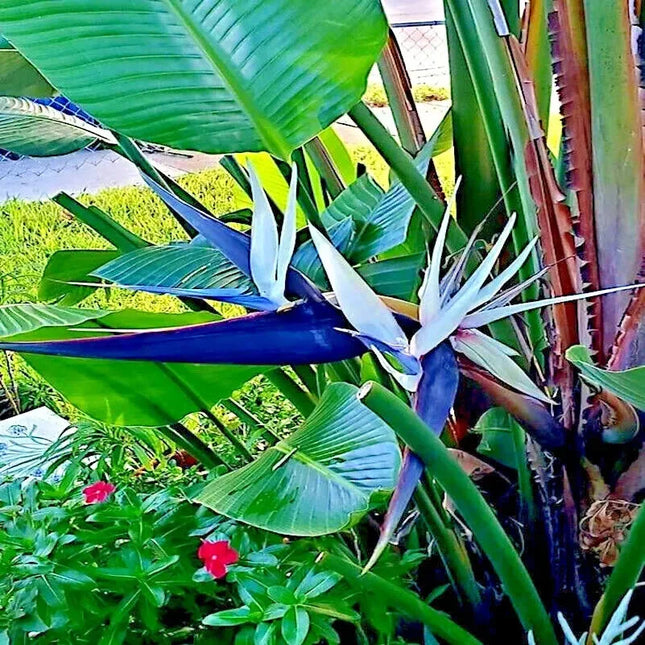
    White Bird of Paradise Seeds – 10 Seeds

    Grow White Bird of Paradise Seeds for beds, borders, containers, and pollinator plantings where the species is appropriate. Why Choose These Seeds Practical sowing guidance for a stronger start Realistic expectations about germination and seed-grown variation Useful for gardeners who want control over placement and growing conditions At a Glance Plant White Bird of Paradise Seeds Order contents One order contains 10 seeds, as stated in the title. Best for beds, borders, containers, and pollinator plantings where the species is appropriate Success starts with Fresh mix, correct moisture, suitable temperature, and patience How to Start Use a clean, well-drained seed-starting mix and follow the species’ light or stratification needs. Sow at a depth appropriate to seed size; dust-like seed is usually surface sown. Keep the medium evenly moist, never saturated, and provide good air circulation. Harden seedlings off gradually before moving them to their permanent site. Set expectations: Seed-grown plants can vary in color, form, vigor, and bloom or harvest timing. Photos show a representative mature result, not the appearance of the seed packet or a guaranteed individual plant. Seed-grown plants can vary in color, form, and flowering time; photos show the mature type, not a guaranteed individual result. Frequently Asked Questions What exactly will I receive?One order contains 10 seeds, as stated in the title. Is White Bird of Paradise Seeds a good fit for my garden?Confirm mature size, light, climate, and local restrictions before planting. Beds, borders, containers, and pollinator plantings where the species is appropriate are the intended use. Should I start the seeds indoors or direct sow?Either can work depending on the species and climate; indoor starting offers closer control, while direct sowing reduces transplant disturbance. How long will germination take?Timing varies by species, seed treatment, temperature, moisture, and seed dormancy. Do not discard a properly maintained tray simply because emergence is uneven. Will every plant look exactly like the photos?No. Seed-grown plants can vary in color, form, vigor, and bloom or harvest timing. Are there safety or local planting concerns?Seed-grown plants can vary in color, form, and flowering time; photos show the mature type, not a guaranteed individual result.

  • 20 Gunnera Manicata - Giant Rhubarb Seeds - Seed World 20 Gunnera Manicata - Giant Rhubarb Seeds - Seed World

    Ships from Lincolnton, North Carolina, USA 25 Gunnera Manicata Seeds – Giant Hardy Exotic Flower Plant

    1 review

    Bring prehistoric grandeur to your garden with Gunnera manicata Seeds, also known as Giant Rhubarb or Dinosaur Food — one of the most spectacular architectural plants on Earth. Believed to date back over 150 million years, this ancient botanical marvel produces massive, deeply lobed green leaves up to 6 feet wide atop prickly stems that can reach 10 feet tall. A true statement plant, Gunnera manicata instantly transforms any garden, pond edge, or boggy landscape into a lush, tropical paradise. Its bold leaves, red-brown flower spikes, and vivid berry-like fruits make it one of the most eye-catching and dramatic perennials in existence. Perfect for large gardens, bog edges, and pond landscapes, this rare and hardy plant thrives in moisture-rich soil and will command attention with its prehistoric beauty year after year. 🌱 Why Grow Gunnera manicata (Giant Rhubarb) Seeds? 🌿 Spectacular Foliage: Gigantic, ribbed green leaves up to 6 feet wide — a garden showstopper! 🦕 Prehistoric Beauty: Often called “Dinosaur Food” for its ancient, dramatic appearance. 💧 Loves Moisture: Perfect for ponds, bog gardens, and wet soils. 🌺 Unique Flowers: Produces bottlebrush-like red-green blooms and berry clusters. 🌤️ Hardy & Adaptable: Grows in Zones 6–11 with winter protection. 🌎 Rare Collectible: A must-have for exotic and tropical garden enthusiasts. 🌿 Growing Tips ☀️ Light: Full sun to partial shade. 🌱 Soil: Moist, rich, well-draining soil near water features. Never allow to dry out. 💧 Water: Keep soil constantly moist — Gunnera loves wet conditions. 🌡️ Temperature: Ideal in Zones 9–11; protect crowns in colder climates (Zones 6–8). 🌾 Sowing: Lightly press seeds on the soil surface — do not bury (needs light to germinate). Mist gently; do not overwater. Keep warm (68–77°F) using a heated propagator or warm windowsill. Germination may take 15–90 days — patience pays off! 🧤 Pro Tip: Always wear gloves — oils from hands can reduce germination success. 💡 Winter Care: Protect growth buds from frost by covering with dead leaves or mulch. ❓ Frequently Asked Questions (FAQ) How big does Gunnera manicata grow?Leaves can reach up to 6 feet across and stems grow as tall as 10 feet. Is Gunnera easy to grow from seed?Yes, but patience is key! Germination can take 15–90 days under warm, moist conditions. Can I grow Gunnera in a cold climate?Yes — in Zones 6–8, simply protect the crown with mulch or dead leaves during winter. Where should I plant Gunnera?Near ponds, streams, or boggy soil where moisture stays consistent. Is this plant really that old?Yes — Gunnera manicata is a prehistoric species, believed to date back over 150 million years. Where to Buy Gunnera manicata Seeds for Sale? At Seeds World, we offer fresh, high-quality Gunnera manicata (Giant Rhubarb) seeds — ideal for creating a bold, tropical focal point in your garden. Every batch is tested for purity and packed with detailed growing instructions. Fast U.S. shipping and start growing your own prehistoric garden giant!

  • Big Blue Lilyturf plants with vibrant purple flower spikes and lush evergreen foliage, ideal for garden borders, ground cover, and low-maintenance landscaping. Seed World 5 Lilyturf - Big Blue Lily Turf Seeds - Seed World

    Shipped from Trabuco Canyon, California, USA 15 Big Blue Lily Turf Seeds – Liriope Muscari | Evergreen Border Ground Cover

    Add year-round beauty and reliable texture to your landscape with Big Blue Lily Turf Seeds (Liriope muscari). This popular ornamental perennial is prized for its lush grass-like foliage and beautiful spikes of violet-blue flowers that brighten gardens from late summer into fall. Big Blue Lily Turf is a versatile, low-maintenance plant perfect for borders, pathways, ground cover, shade gardens, and landscaping projects. Its dense evergreen foliage creates a neat, attractive appearance while helping suppress weeds and stabilize garden areas. A favorite among gardeners and landscapers, Lilyturf thrives in a variety of conditions and provides lasting beauty with minimal care. 🌿 Plant Details Botanical Name: Liriope muscari Common Name: Big Blue Lily Turf, Lilyturf, Blue Lily Turf Plant Type: Evergreen Perennial Ground Cover Flower Color: Violet Blue Foliage Color: Dark Green, Grass-Like Leaves Growth Habit: Clumping Plant Height: 12–18 inches Light Requirements: Full Sun to Partial Shade Soil: Adaptable, well-draining soil Bloom Season: Late Summer to Fall Uses: Borders, ground cover, edging, shade gardens, landscaping 💙 Why Grow Big Blue Lily Turf Seeds? 🌿 Beautiful Evergreen Foliage: Provides year-round garden interest. 💜 Vibrant Blue Flower Spikes: Adds seasonal color to landscapes. 🏡 Excellent Ground Cover: Perfect for borders, pathways, and large planting areas. 🌱 Low Maintenance: Easy-care perennial once established. 🌤️ Shade Tolerant: Performs well in areas where many plants struggle. 🌱 Growing Tips Sow seeds in a well-draining seed-starting mix. Keep soil consistently moist during germination. Provide warm temperatures and bright indirect light for young seedlings. Transplant established seedlings into garden beds or landscape areas. Space plants 12–18 inches apart for a dense ground cover effect. Remove old foliage in late winter or early spring to encourage fresh growth. Germination: Approximately 30–90 days depending on conditions.Growth Rate: Moderate once established. ❓ Frequently Asked Questions (FAQ) Is Big Blue Lily Turf a perennial?Yes. Lilyturf is a hardy perennial that returns year after year. Can Lily Turf grow in shade?Yes. It performs well in partial shade and can tolerate many low-light garden areas. Is Big Blue Lily Turf evergreen?Yes. Its grass-like foliage remains attractive throughout much of the year in suitable climates. Can Lily Turf be used as ground cover?Yes. It is widely used for borders, edging, slopes, and landscape ground cover. Where to Buy Big Blue Lily Turf Seeds for Sale?At Seed World, we offer fresh Big Blue Lily Turf Seeds (Liriope muscari) with fast U.S. shipping. Grow a beautiful evergreen ground cover with blue flowers perfect for borders, shade gardens, pathways, and landscapes.

  • Midland Shooting Star Seeds – product image 1 Midland Shooting Star Seeds – product image 2

    Midland Shooting Star Seeds – 50 Seeds

    Grow Midland Shooting Star Seeds for beds, borders, containers, and pollinator plantings where the species is appropriate. Why Choose These Seeds Practical sowing guidance for a stronger start Realistic expectations about germination and seed-grown variation Useful for gardeners who want control over placement and growing conditions At a Glance Plant Midland Shooting Star Seeds Order contents One order contains 50 seeds, as stated in the title. Best for beds, borders, containers, and pollinator plantings where the species is appropriate Success starts with Fresh mix, correct moisture, suitable temperature, and patience How to Start Use a clean, well-drained seed-starting mix and follow the species’ light or stratification needs. Sow at a depth appropriate to seed size; dust-like seed is usually surface sown. Keep the medium evenly moist, never saturated, and provide good air circulation. Harden seedlings off gradually before moving them to their permanent site. Set expectations: Seed-grown plants can vary in color, form, vigor, and bloom or harvest timing. Photos show a representative mature result, not the appearance of the seed packet or a guaranteed individual plant. Seed-grown plants can vary in color, form, and flowering time; photos show the mature type, not a guaranteed individual result. Frequently Asked Questions What exactly will I receive?One order contains 50 seeds, as stated in the title. Is Midland Shooting Star Seeds a good fit for my garden?Confirm mature size, light, climate, and local restrictions before planting. Beds, borders, containers, and pollinator plantings where the species is appropriate are the intended use. Should I start the seeds indoors or direct sow?Either can work depending on the species and climate; indoor starting offers closer control, while direct sowing reduces transplant disturbance. How long will germination take?Timing varies by species, seed treatment, temperature, moisture, and seed dormancy. Do not discard a properly maintained tray simply because emergence is uneven. Will every plant look exactly like the photos?No. Seed-grown plants can vary in color, form, vigor, and bloom or harvest timing. Are there safety or local planting concerns?Seed-grown plants can vary in color, form, and flowering time; photos show the mature type, not a guaranteed individual result.

Find flower seeds for garden beds, borders, trellises, containers and indoor growing. Seed World brings together annuals, perennials, flowering vines and shrubs so you can choose by the space you want to plant. Check the botanical name, growing zone, light requirements and packet quantity for each selection.

Shop flower seeds by growing space

  • Flowering shrubs: Browse hydrangea seeds for a longer-term garden project. Parent-flower selections can produce seedlings with different colors and forms.
  • Trellises and fences: Explore honeysuckle vine seeds. Check the species, mature size and suitability for your location before choosing a vigorous climber.
  • Indoor flowers: African violet seeds are an option for growers who can provide bright indirect light and carefully managed sowing conditions indoors.
  • Water gardens: bowl lotus seeds need an aquatic growing setup. Choose them for a suitable water container rather than a conventional flower bed.
  • Seasonal planning: Browse flower seeds to plant in spring and plan around your local last frost date.

Choose flowers that fit your garden

Start with the space available. Compare mature height and spread for borders, allow climbing plants room and support, and match container size to the mature plant. For outdoor perennials, check the USDA growing zone as well as summer light and moisture needs.

If you want blooms sooner, compare the life cycle and flowering guidance in each listing. Annuals, perennial flowers and woody plants do not all flower on the same schedule. Seed-grown plants may also differ from a photographed parent, particularly when a listing offers parent-flower selections.

Frequently asked questions

What should I check before buying flower seeds?

Check the plant identity, number of seeds in the selected option, mature size, growing zone and sowing requirements. Some species need surface sowing or a period of cold, moist treatment before germination.

Can I grow flower seeds indoors?

Some plants are suited to indoor growing, while others are started indoors and later transplanted outside. For a flowering houseplant project, see the African violet growing guide and seed options.

Do all flower seeds need the same planting method?

No. Seed depth, light, temperature and any pretreatment depend on the species. Follow the selected product and packet instructions rather than using one method for every flower.

© 2026 Seed World, Powered by Shopify

    • PayPal

    Login

    Forgot your password?

    Don't have an account yet?
    Create account